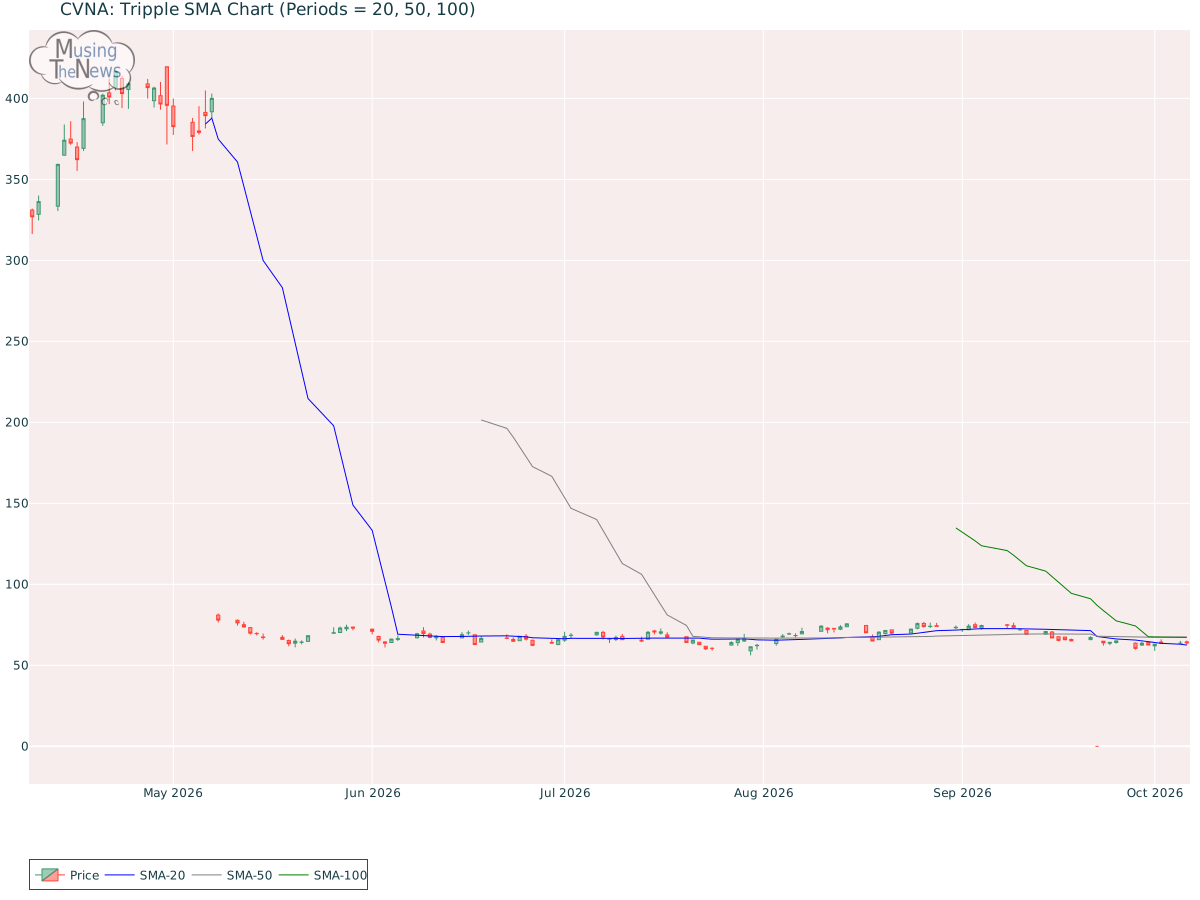
The Tripple MOVING AVG is showing a neutral stance, with no definitive indication of an upward or downward trend for CVNA. This neutral position suggests a period of indeci...
By MusingTheNews
Updated 2026-10-07 23:25:56
Overall Technical outlook
Price Summary
On 2026-10-06, Carvana Co.'s stock opened at 64.47, reached a high of 65.28, dropped to a low of 62.68, and closed down -0.92% at 63.88, with a trading volume of 4657700 shares. The top price for the stock in the last 52 weeks is 478.45, with the bottom price being 0.0.
Technicals
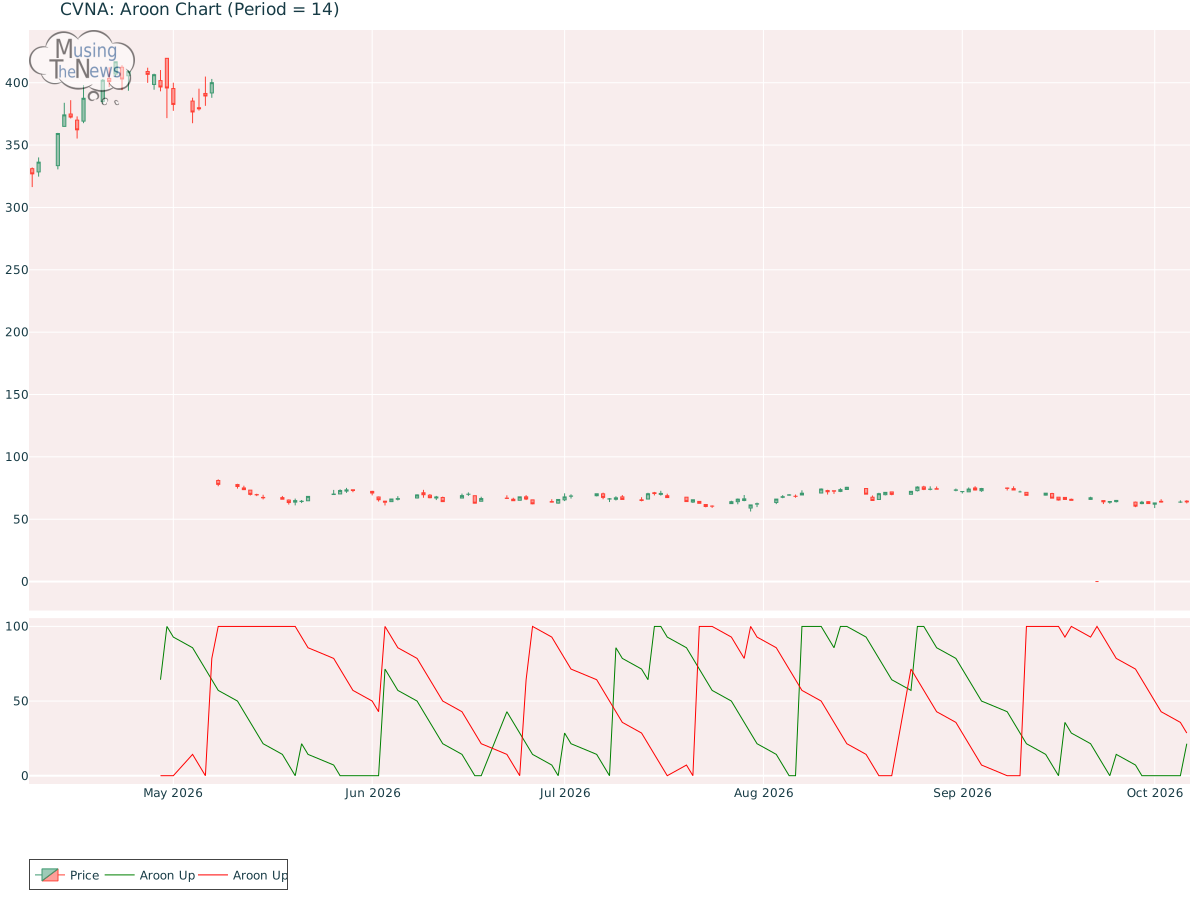
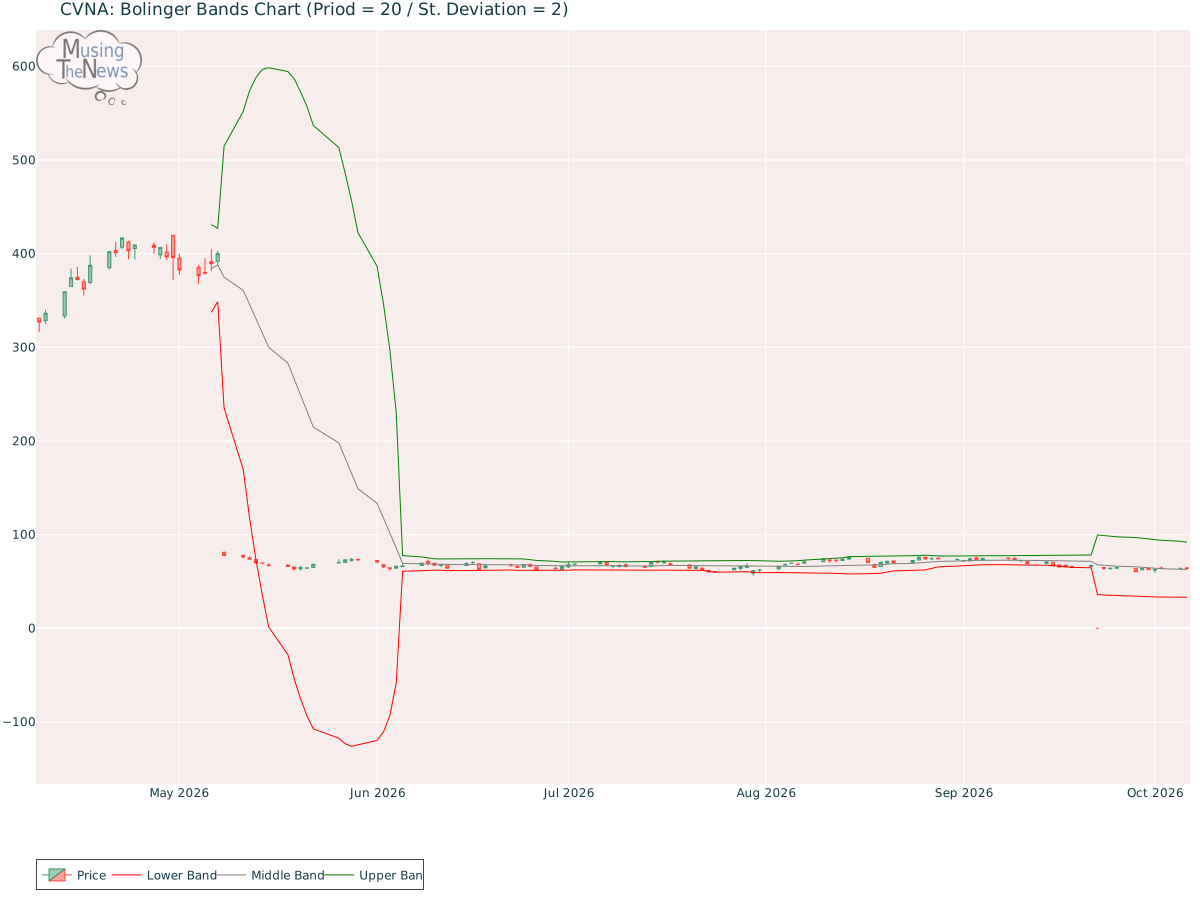
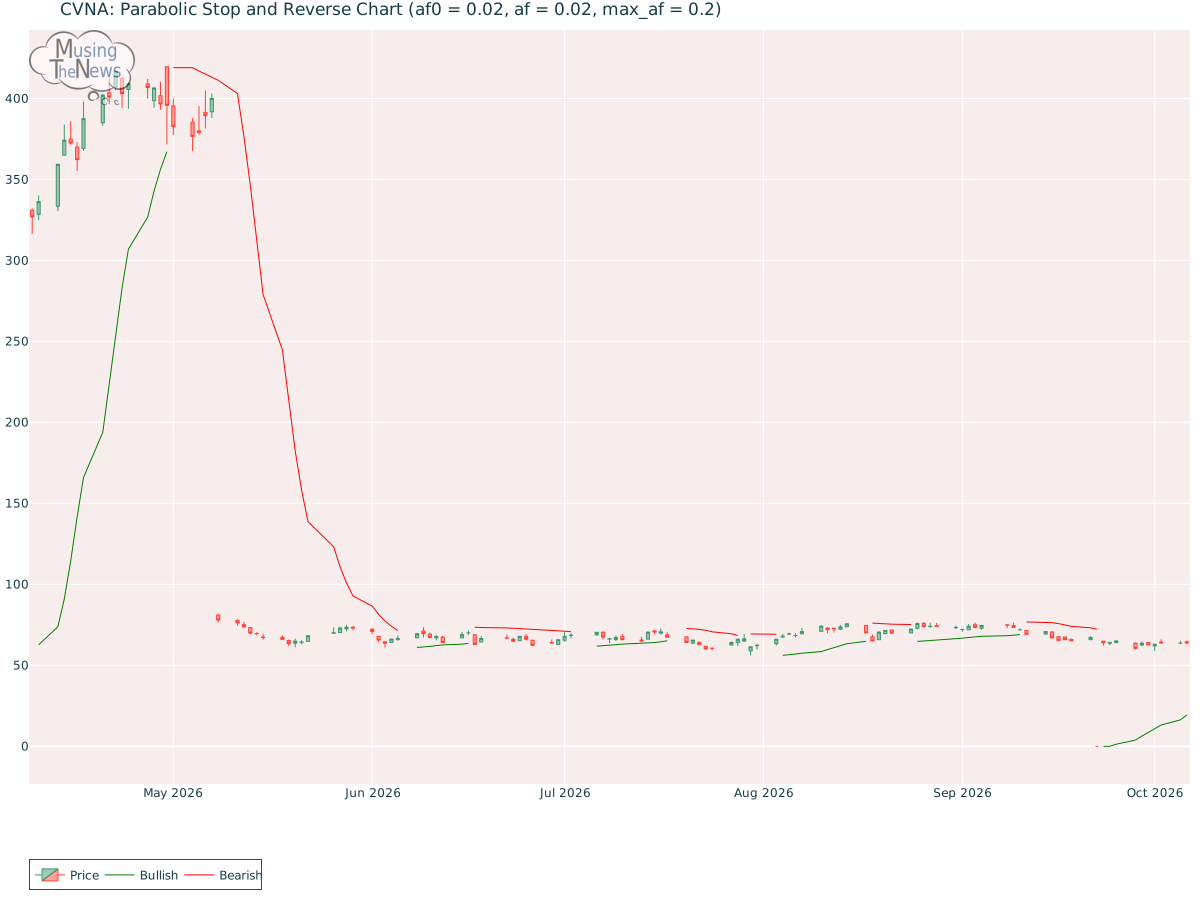
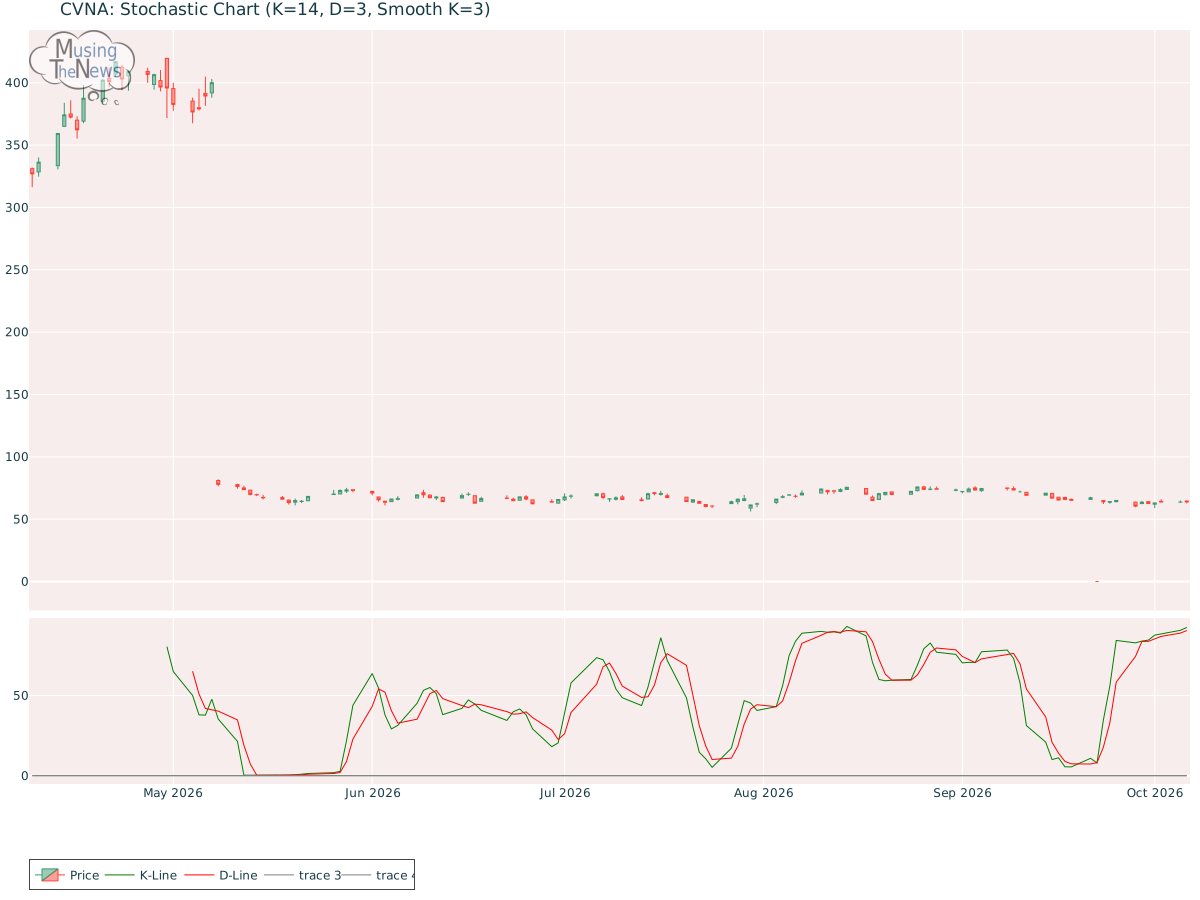
Aroon: The current state of the AROON is neutral, offering no clear signals of movement in either direction. This suggests a potential pause in market activity, with no strong trend emerging at the moment.Aroon chart for Carvana Co.Bol. Bands: The current reading of the BOLL BANDS is neutral, offering no clear signals for a movement in either direction. This suggests that the market may be in a holding pattern, with no dominant trend in place.Bolinger Bands chart for Carvana Co.Parabolic SAR: The PSAR continues to signal a bullish outlook, establishing a key support level that reinforces the market's upward momentum. This support could serve as a base for continued gains, suggesting that the bullish trend is likely to persist.Parabolic Stop and Reverse chart for Carvana Co.Stochastic: CVNA's stochastic indicator reflects a bullish trend, with the K-line positioned above the D-line and surpassing the 80 threshold. This setup suggests strong upward momentum, indicating that the market may continue to rise. Investors could interpret this as a positive signal for further gains.Stochastic chart for Carvana Co.Tripple Moving Agerage: The Tripple MOVING AVG is showing a neutral stance, with no definitive indication of an upward or downward trend for CVNA. This neutral position suggests a period of indecision in the market, making it difficult to predict the next move.Tripple SMA chart for Carvana Co. Before focusing on a company's technical data, such as stock price movements, it's essential to analyze its fundamentals. These include factors like profitability, cash flow, and debt management. Additionally, considering the broader industry landscape—including market trends, competition, and regulatory changes—offers deeper insights. This comprehensive approach allows for a more meaningful interpretation of the company's technical indicators, providing a clearer picture of its financial health and future prospects.