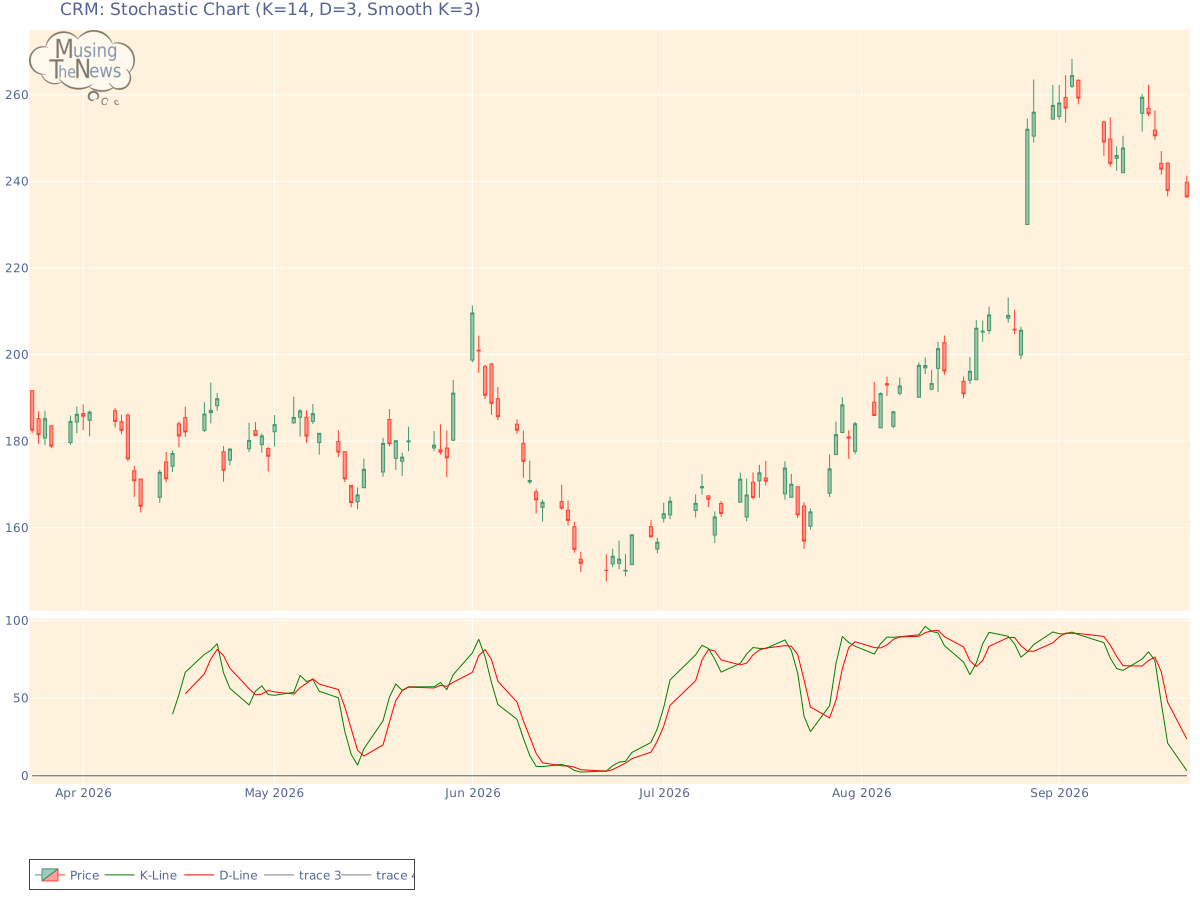
The Stochastic K-line's descent below the D-line and under 20 suggests a mildly bearish outlook for CRM. This indicates that the market may face some pressure to the downsi...
By MusingTheNews
Updated 2026-09-23 02:47:40
Overall Technical outlook
Price Summary
Salesforce, Inc.'s stock opened at 239.8 on 2026-09-21, surged to 241.34, hit a low of 236.25, and closed up -1.41% at 236.42, with 10563800 shares traded. Over the past 52 weeks, the stock reached a maximum price of 266.23 and a minimum price of 150.12.
Technicals
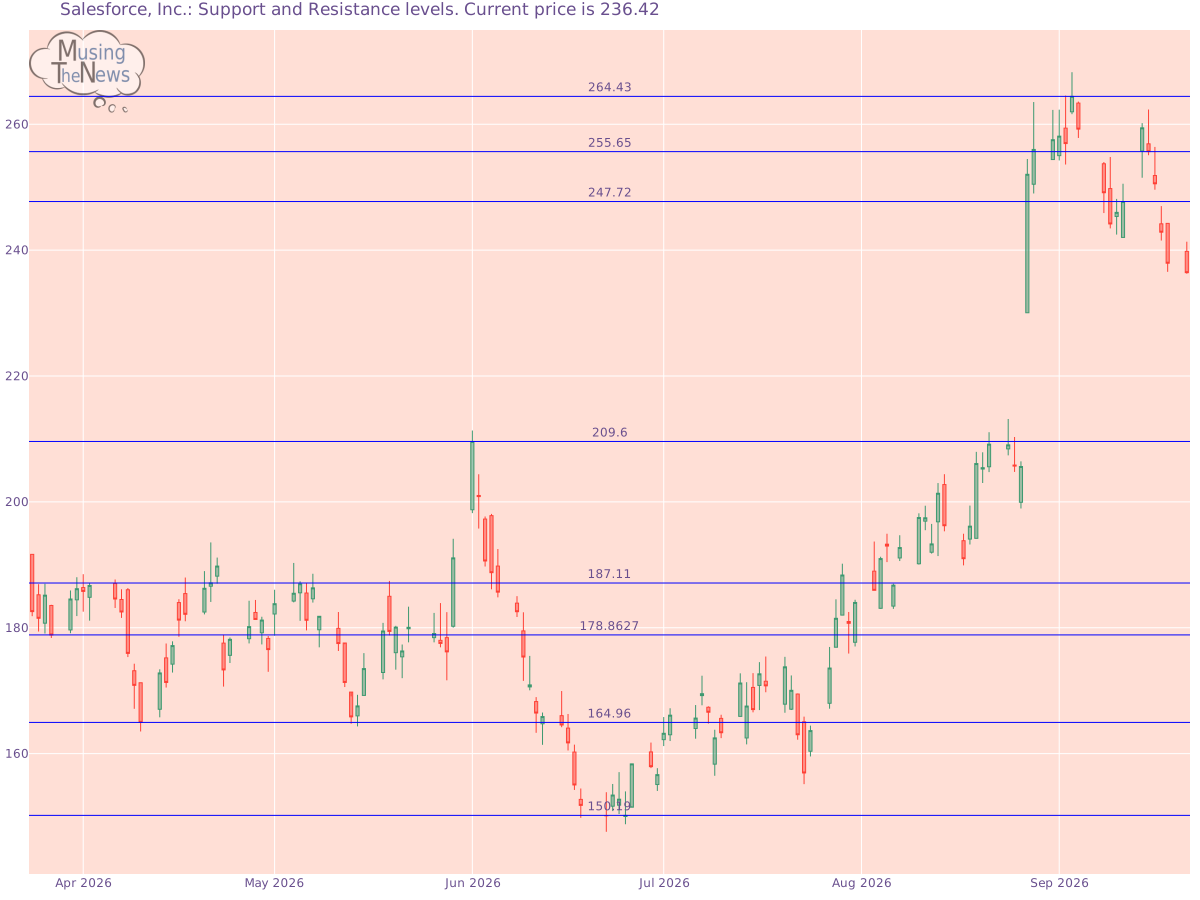
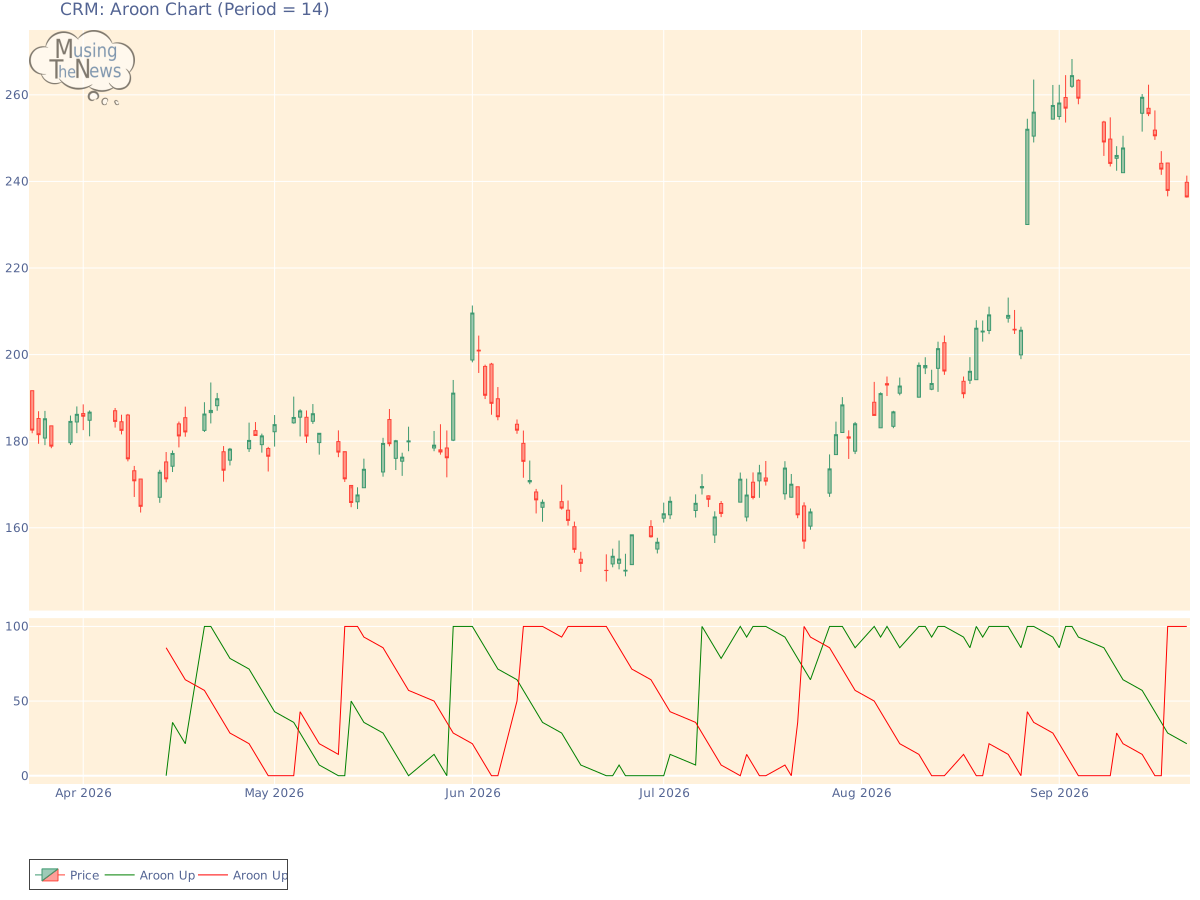
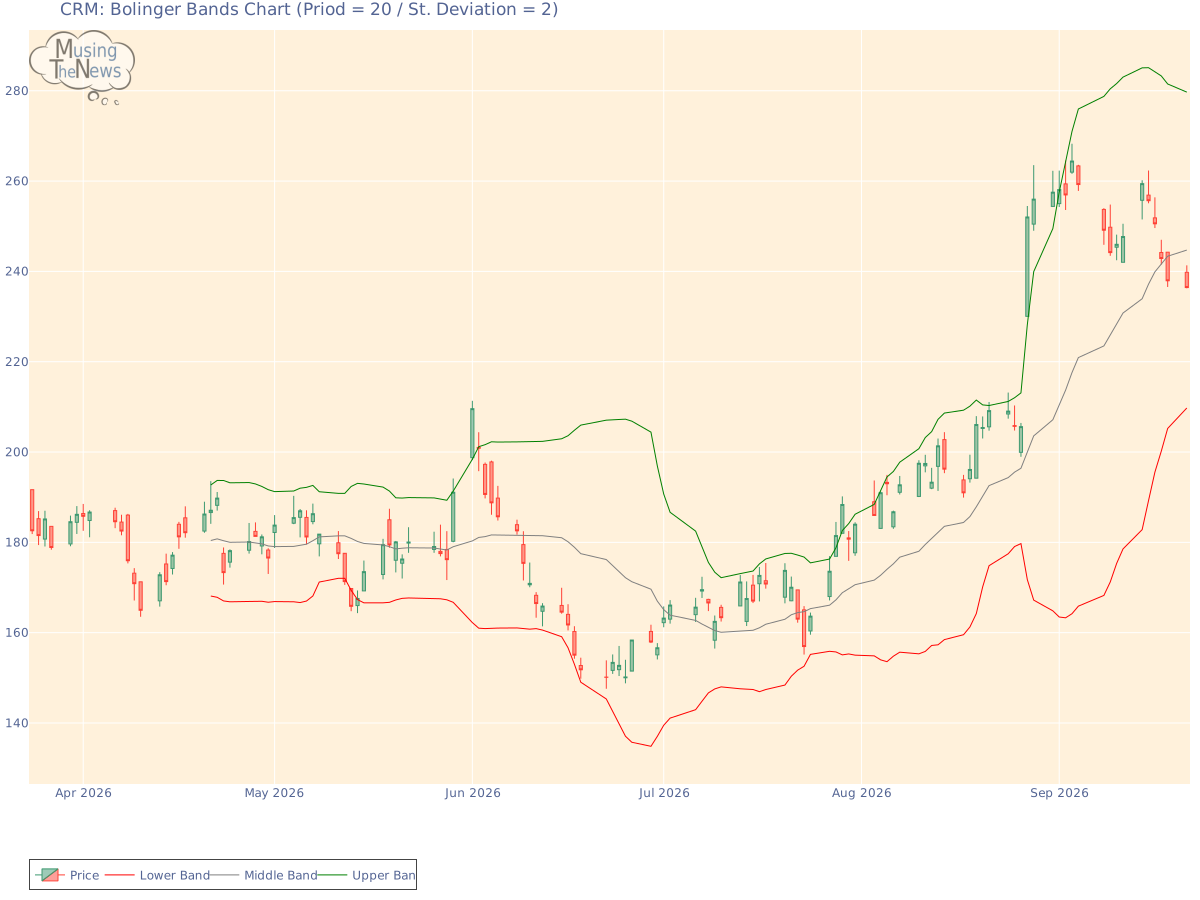
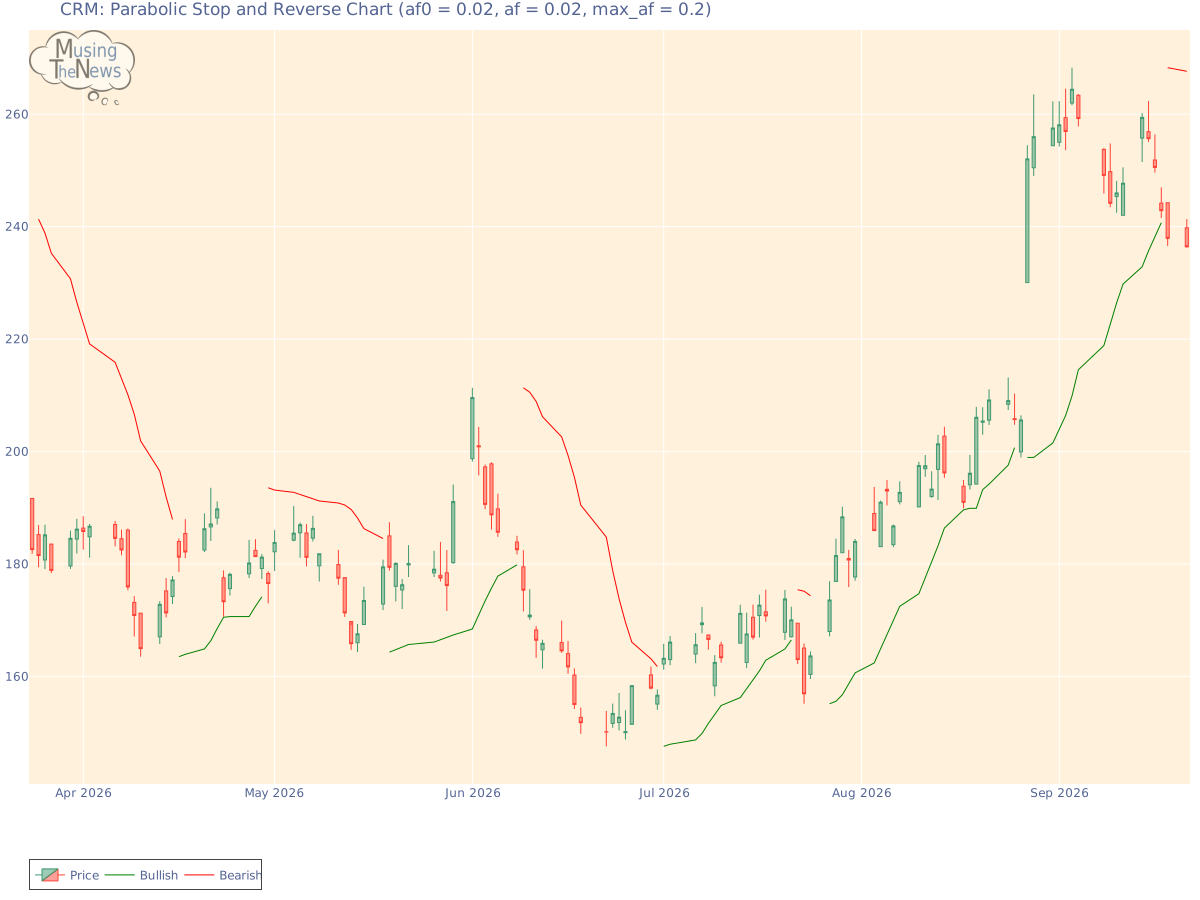
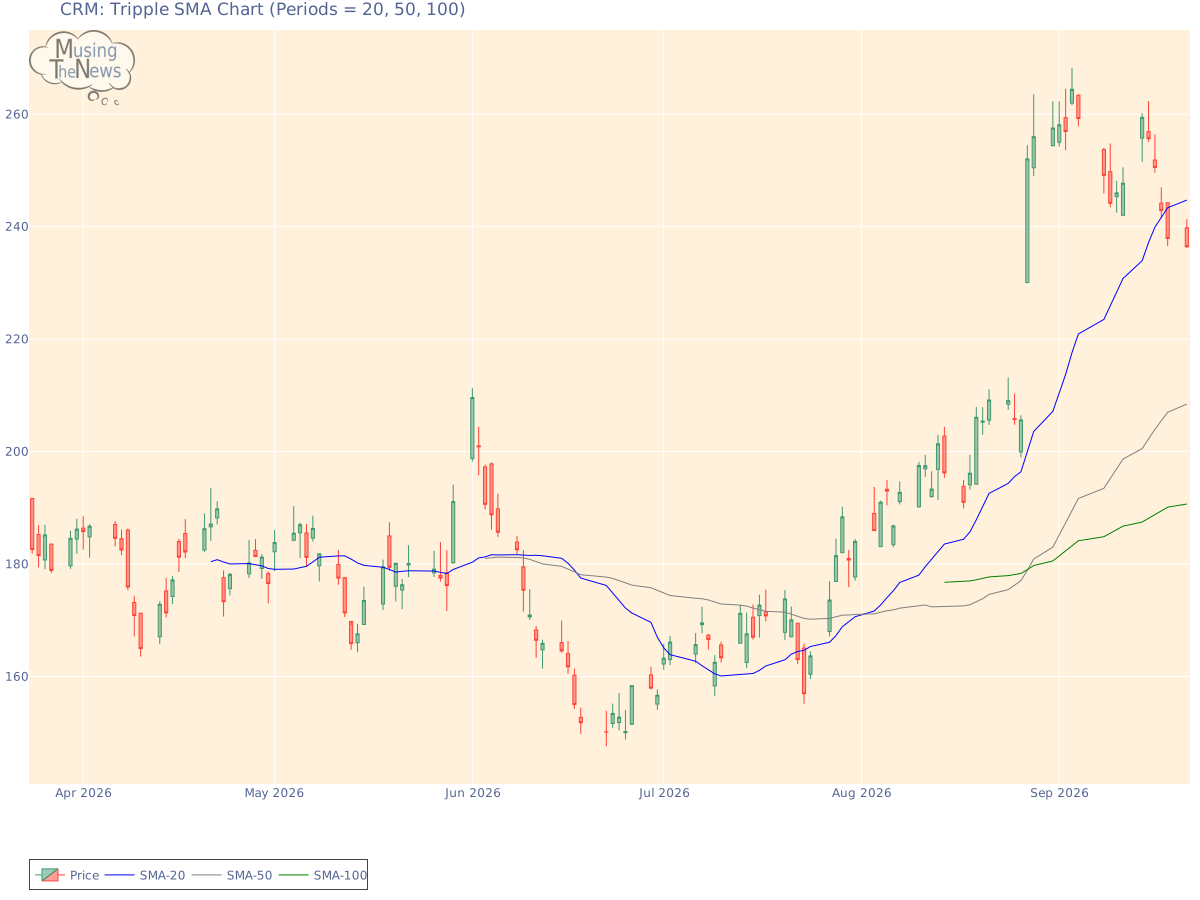
Support and Resistance: The price of 236.42 is supported at 209.6 and encounters resistance at 247.72. This suggests key levels where the price might find stability, with 209.6 providing a base and 247.72 acting as an upper boundary for CRM.Support/Resistance for CRMAroon: Aroon's bearish trend continues, with Aroon Down staying at the 100 level. This persistent downward pressure suggests further declines, but further analysis with other indicators is needed to confirm the trend's potential impact for Salesforce, Inc..Aroon chart for Salesforce, Inc.Bol. Bands: The current reading of the BOLL BANDS indicator suggests a neutral stance, with no clear signals indicating an upward or downward direction. This lack of directional bias suggests the market may be in a period of consolidation or uncertainty.Bolinger Bands chart for Salesforce, Inc.Parabolic SAR: The PSAR for CRM remains bearish, establishing a key resistance level that could hinder upward movement. This ongoing bearish outlook suggests that the market may face challenges in breaking higher, with the resistance level acting as a barrier to potential gains.Parabolic Stop and Reverse chart for Salesforce, Inc.Stochastic: The Stochastic K-line's descent below the D-line and under 20 suggests a mildly bearish outlook for CRM. This indicates that the market may face some pressure to the downside, though the bearish tone is moderate. Investors should consider this as a potential early warning sign.Stochastic chart for Salesforce, Inc.Tripple Moving Agerage: The 20, 50, and 100 moving averages are aligned bearishly, signaling a downtrend. However, the slopes of the 20 and 50 SMAs are starting to waver, indicating that this bearish momentum might be losing strength. This could suggest an upcoming shift towards bullish price action, as the market's current downward trend may be approaching a reversal, potentially leading to a new upward move.Tripple SMA chart for Salesforce, Inc. A thorough analysis of a company involves looking beyond its stock price movements and trading patterns. You must also examine its fundamentals, which include profitability, growth prospects, and competitive advantages. Additionally, the industry in which the company operates provides important context, as factors like technological innovations, regulation, and market demand influence performance. By integrating this information with technical analysis, more accurate predictions about the company's future can be made.