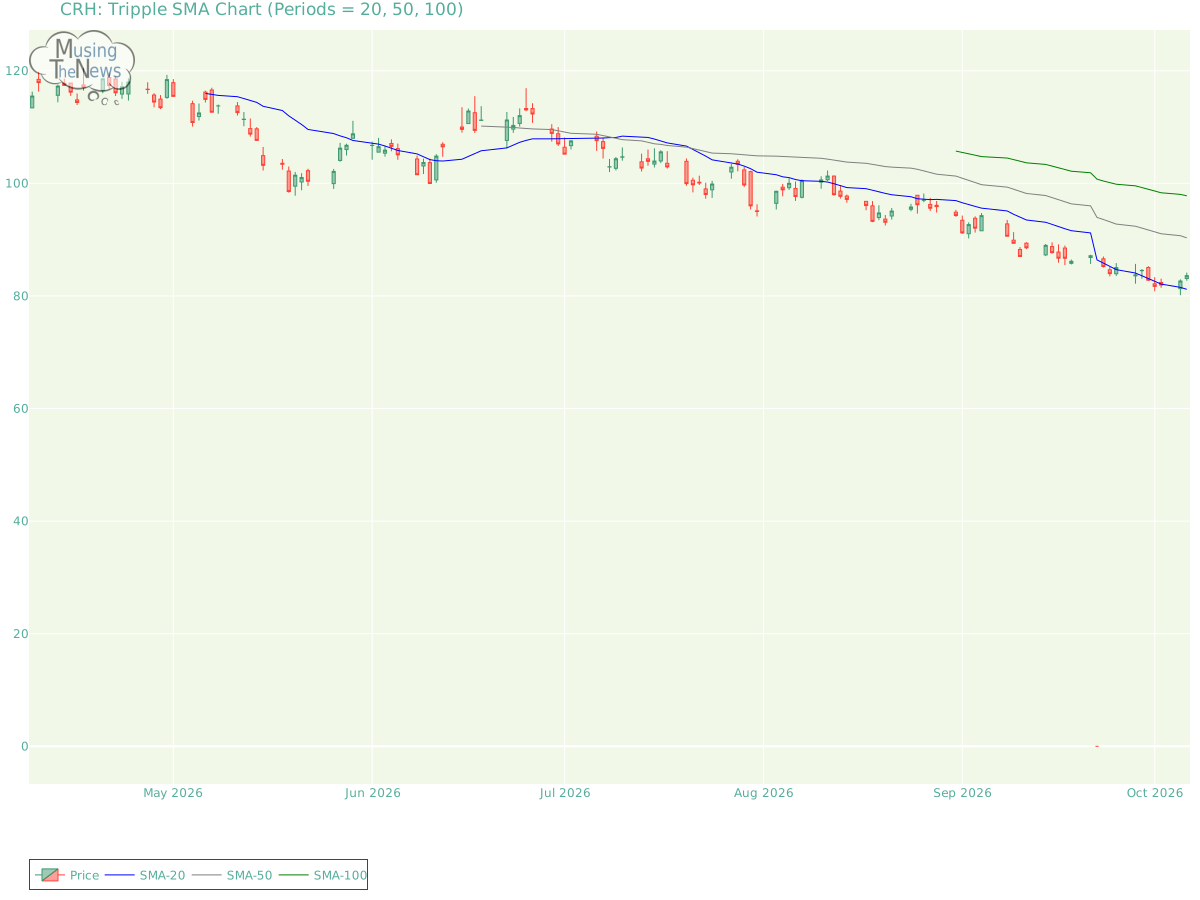
The alignment of the 20-50-100 period moving averages supports a bullish trend, yet the slopes of the shorter-term averages suggest a possible weakening. The faster average...
By MusingTheNews
Updated 2026-10-07 23:26:04
Overall Technical outlook
Price Summary
CRH plc's stock opened at 83.09 on 2026-10-06, surged to 84.14, dropped to 82.7, and ended 0.61% higher at 83.6, with 4428600 shares traded. The stock reached its highest price of 131.38 and lowest price of 0.0 over the last 52 weeks.
Technicals
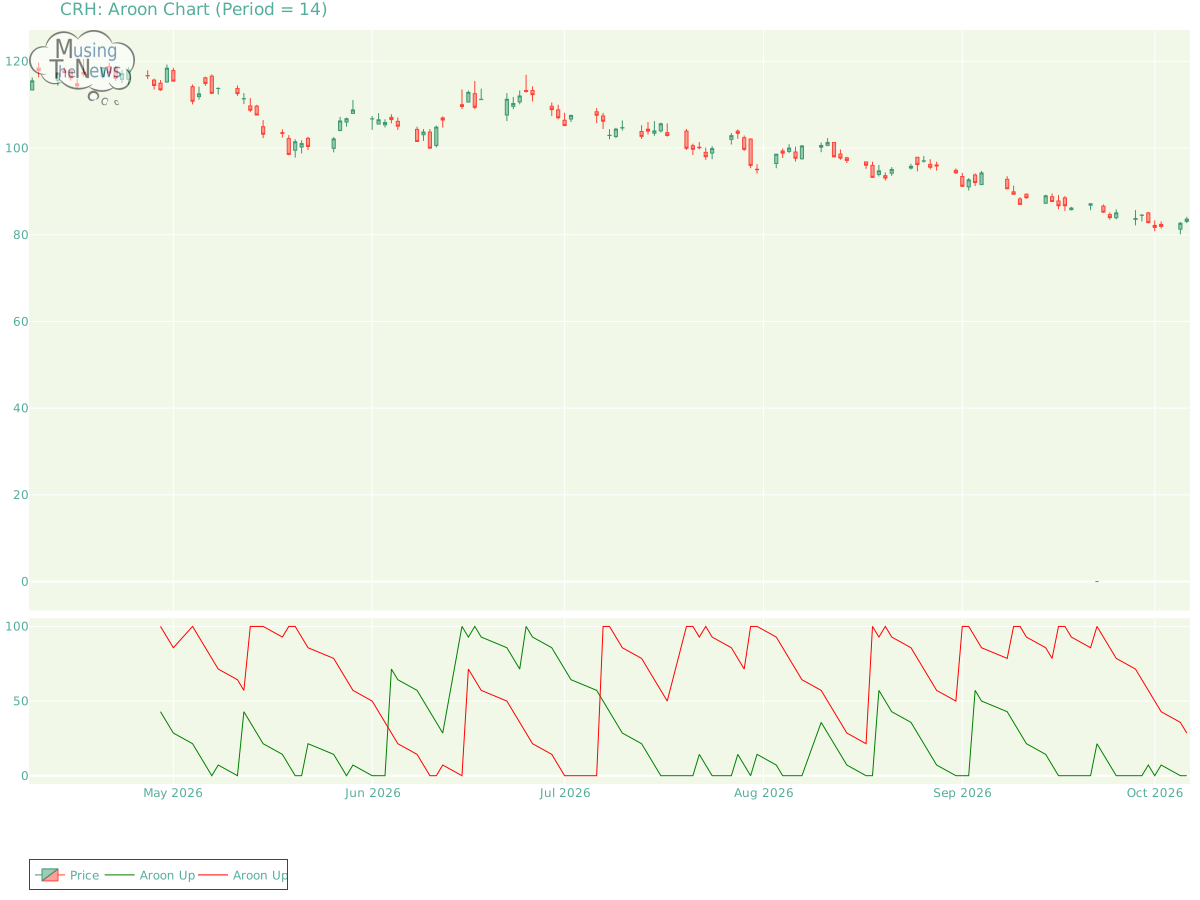
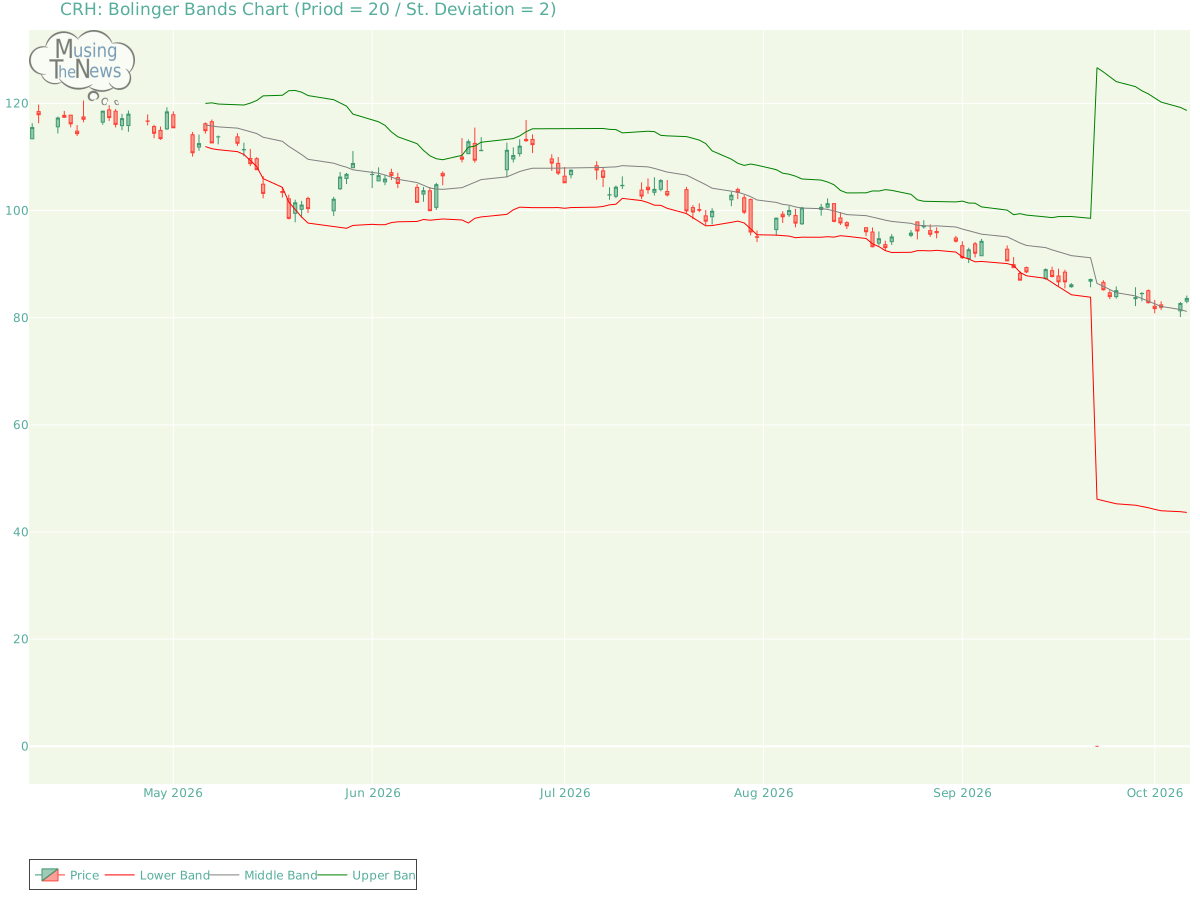
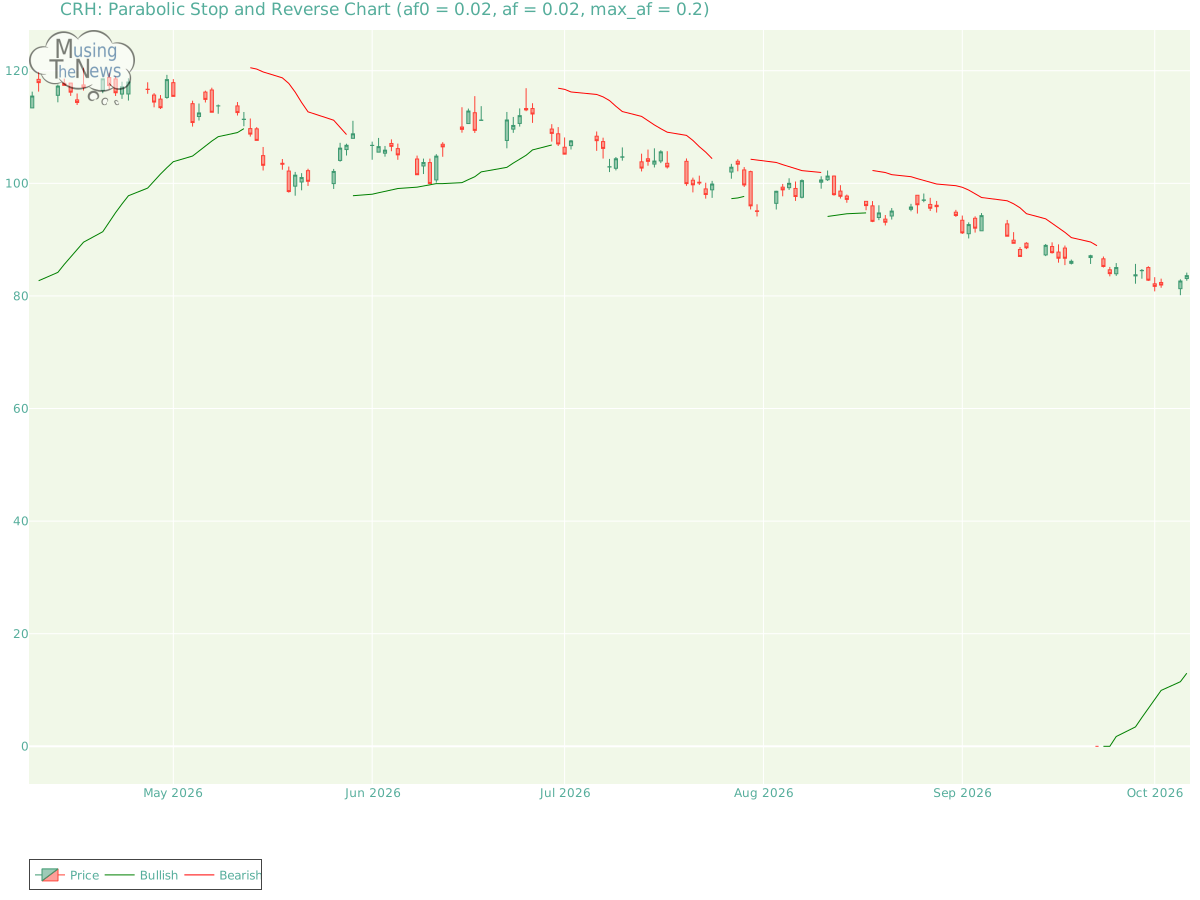
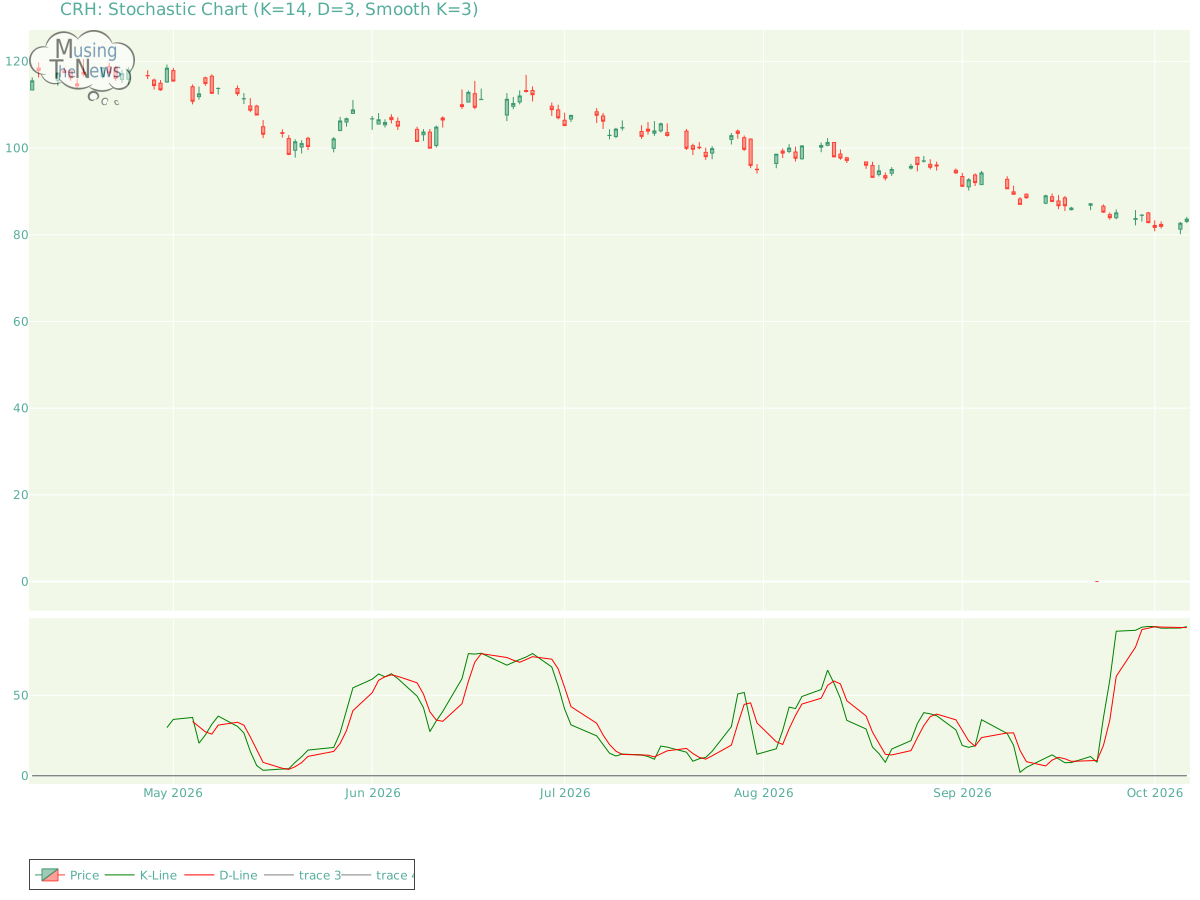
Aroon: The current state of the AROON is neutral, offering no clear signals of movement in either direction. This suggests a potential pause in market activity, with no strong trend emerging at the moment.Aroon chart for CRH plcBol. Bands: The current reading of the BOLL BANDS is neutral, offering no clear signals for a movement in either direction. This suggests that the market may be in a holding pattern, with no dominant trend in place.Bolinger Bands chart for CRH plcParabolic SAR: The PSAR maintains a bullish outlook, reinforcing a support level that could help uphold the market's upward trend. This suggests that the market is likely to continue climbing, with the support providing a solid base for further gains.Parabolic Stop and Reverse chart for CRH plcStochastic: The stochastic indicator shows a bullish sentiment, with the K-line above both the D-line and the 80 level. This configuration indicates strong upward momentum, suggesting that CRH may continue its upward trend. Traders might view this as a sign of sustained strength.Stochastic chart for CRH plcTripple Moving Agerage: The alignment of the 20-50-100 period moving averages supports a bullish trend, yet the slopes of the shorter-term averages suggest a possible weakening. The faster averages indicate that a reversal might be approaching, with the upward momentum potentially losing steam. This could signal an upcoming change in direction.Tripple SMA chart for CRH plc To make the most of a company's technical analysis, it's important to start with an understanding of its fundamentals. These include profitability, cash flow, and competitive positioning. Additionally, the industry in which the company operates plays a critical role, as trends and external factors can influence its market performance. By considering both the company's internal fundamentals and the external industry environment, more meaningful and accurate conclusions can be drawn from the technical data.