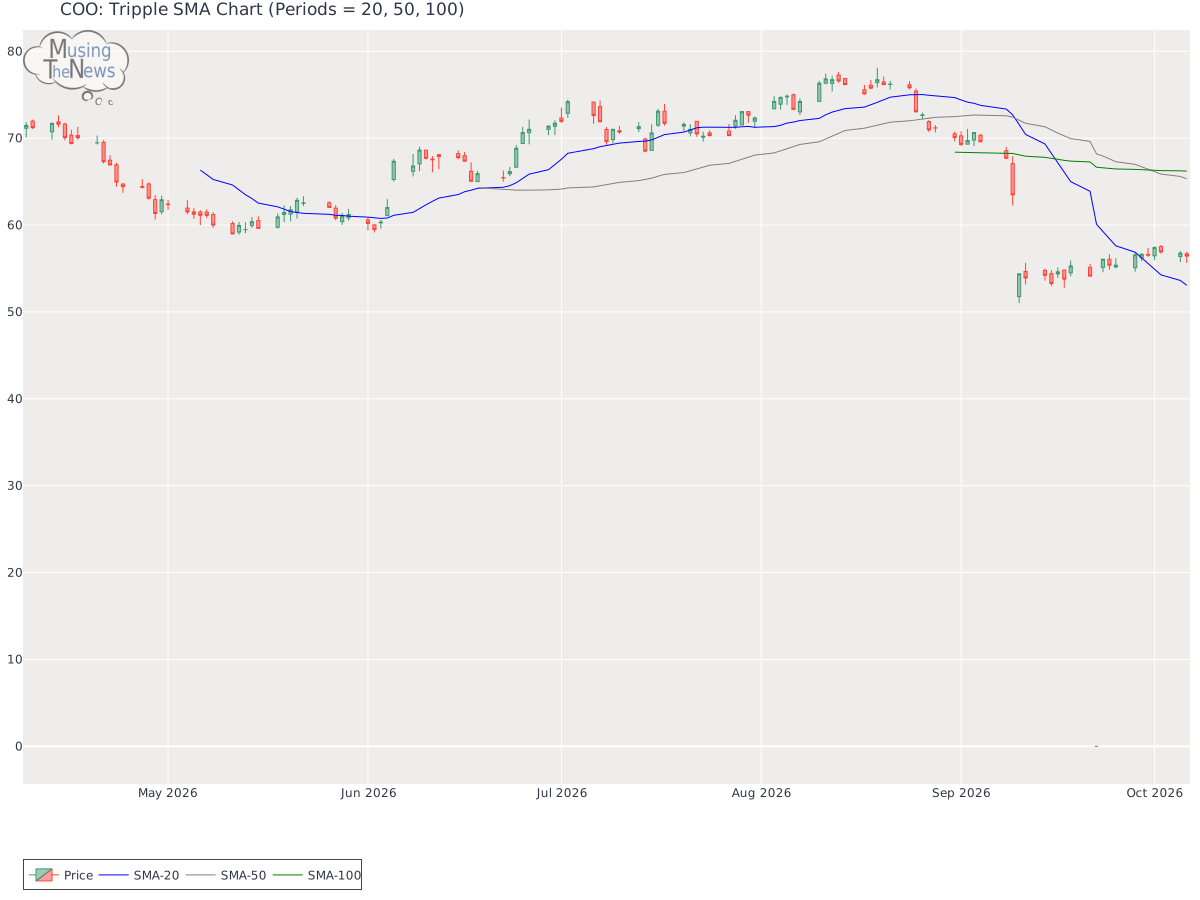
The alignment of the 20-50-100 period moving averages suggests a bullish trend, but the slopes of the faster averages raise the possibility of a reversal for COO. The weake...
By MusingTheNews
Updated 2026-10-07 23:26:03
Overall Technical outlook
Price Summary
On 2026-10-06, The Cooper Companies, Inc.'s stock opened at 56.68, spiked to 56.93, declined to 55.64, and closed -0.44% lower at 56.43, with 4003900 shares traded. The stock's highest value over the last 52 weeks is 84.32, and the lowest value is 0.0.
Technicals
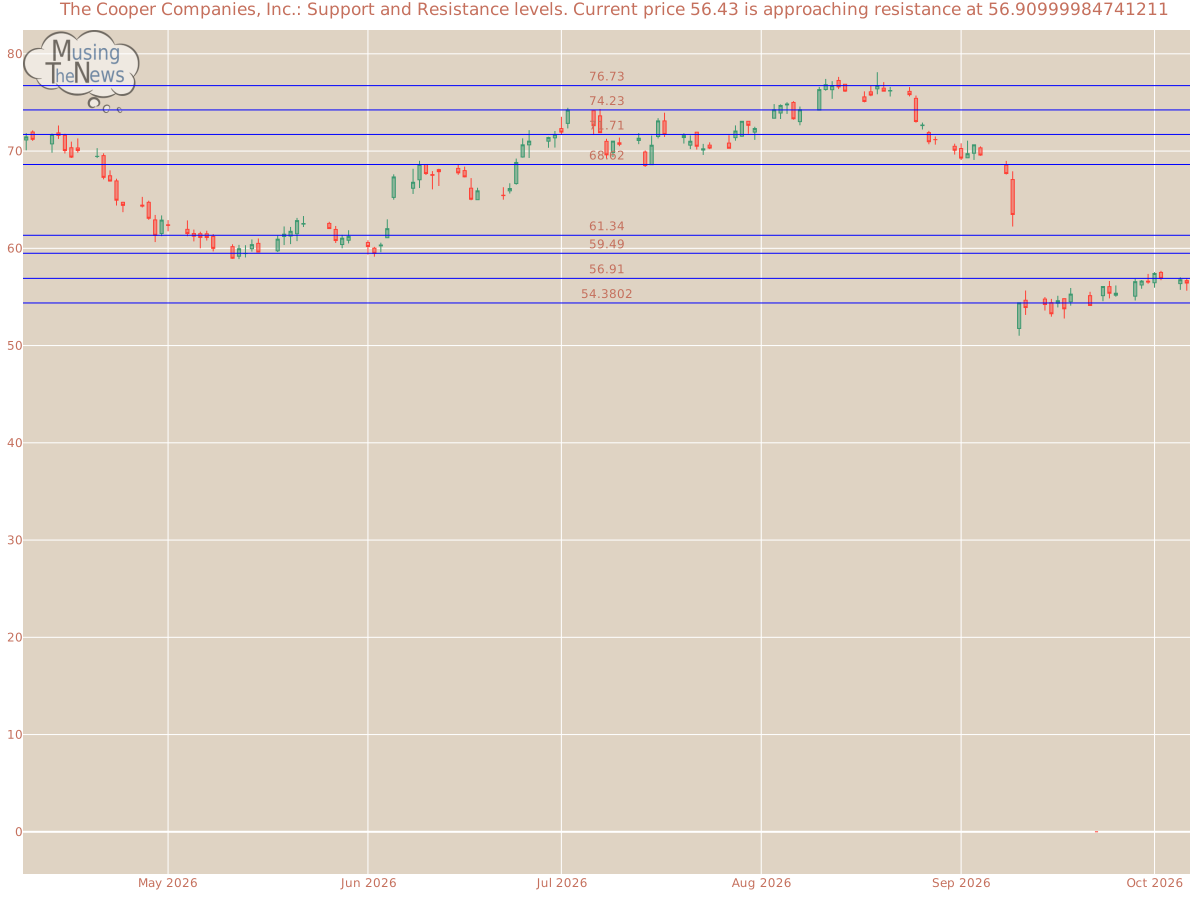
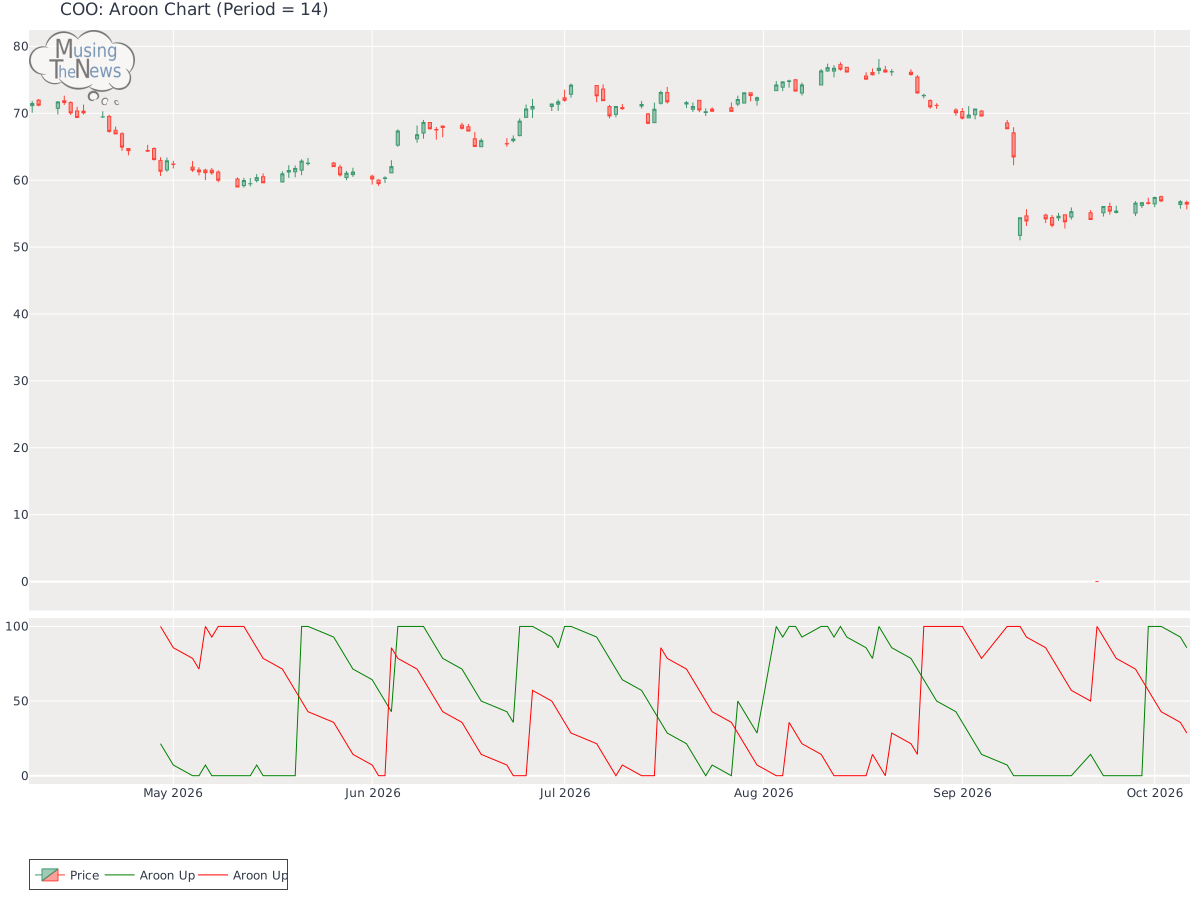
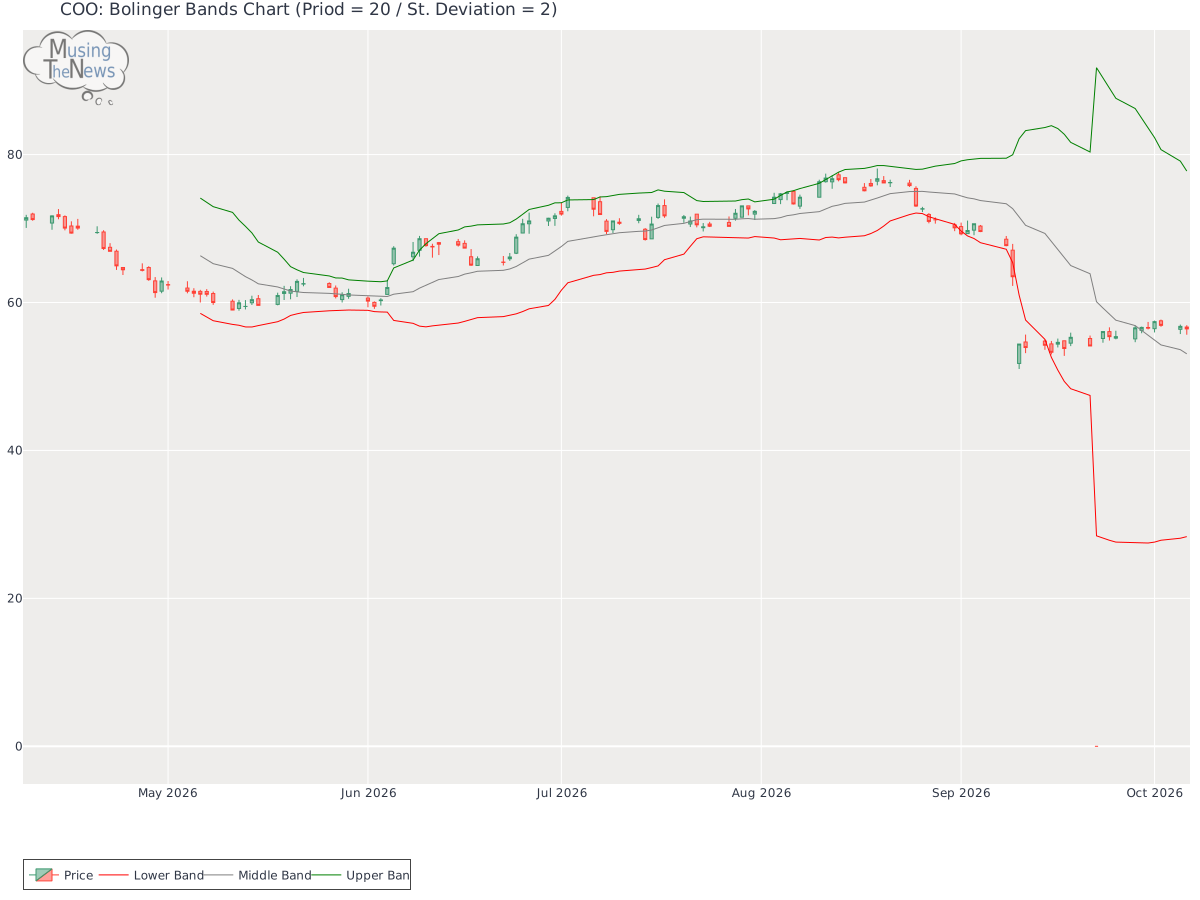
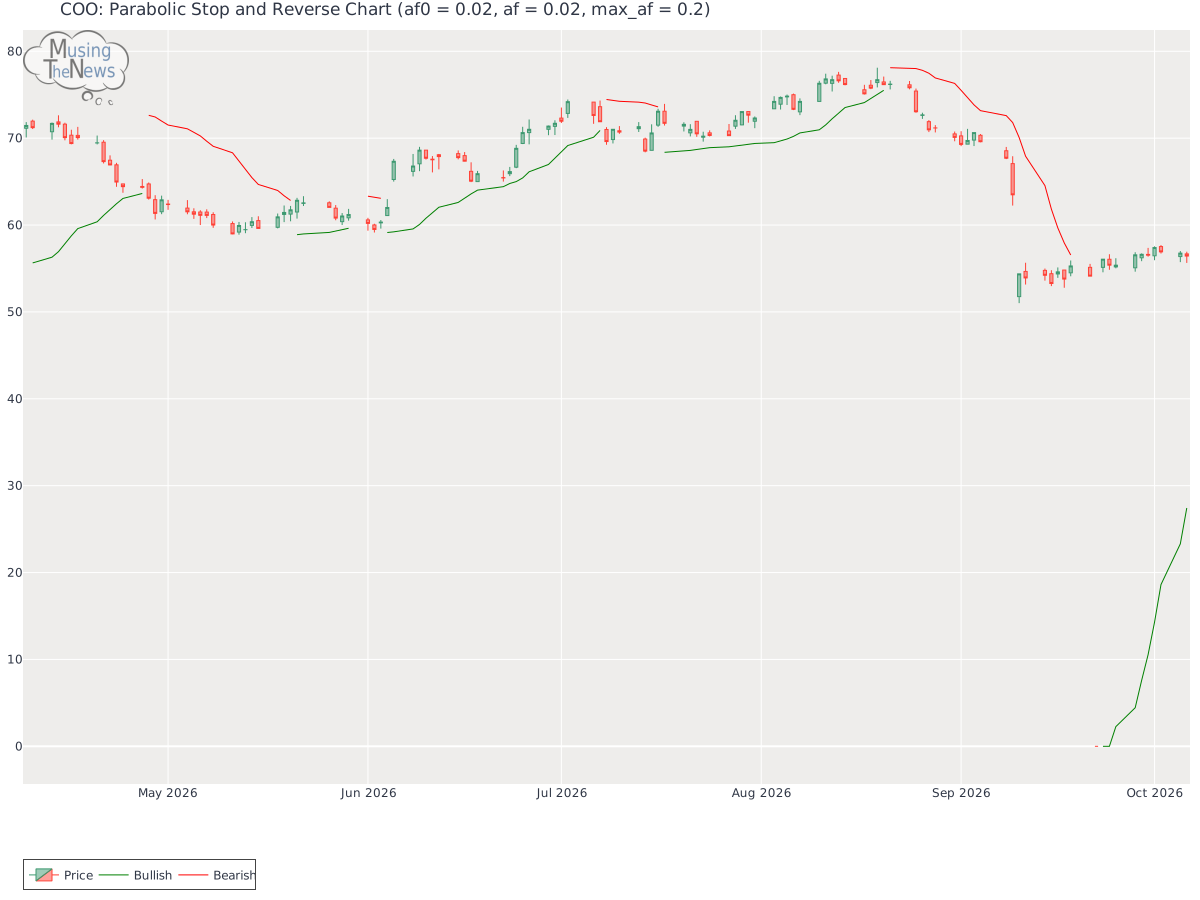
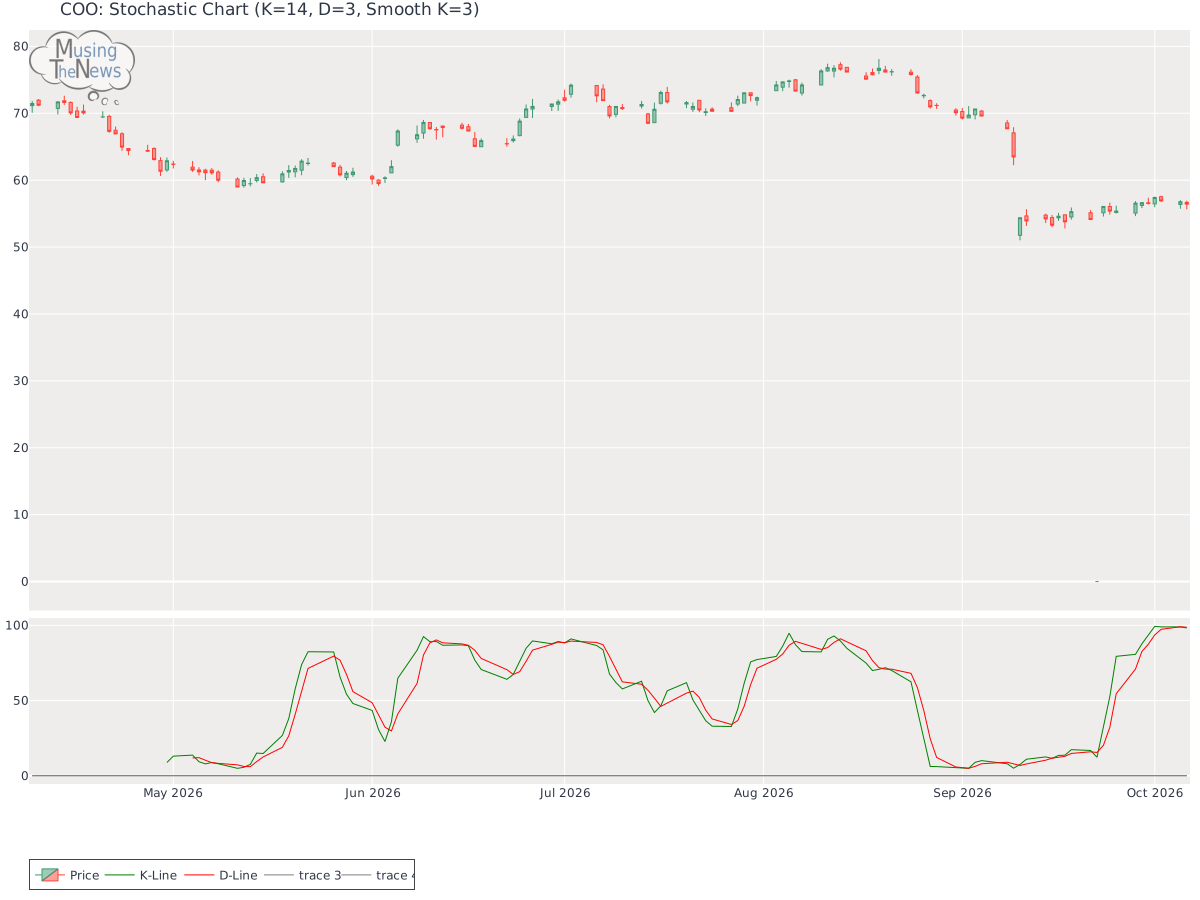
Support and Resistance: The price of 56.43 is supported at 54.38 and faces resistance at 56.91. This range suggests key levels for COO where the price may stabilize, with 54.38 acting as a support and 56.91 as a cap on gains.Support/Resistance for COOAroon: The AROON is currently in a neutral position, offering no clear indication of movement up or down. This suggests that the market may be experiencing a period of equilibrium, with no strong trend in play.Aroon chart for The Cooper Companies, Inc.Bol. Bands: The current state of the BOLL BANDS is neutral, offering no clear signals of movement in either direction. This suggests a potential pause in market activity, with no strong trend emerging at the moment.Bolinger Bands chart for The Cooper Companies, Inc.Parabolic SAR: The PSAR continues to indicate a bullish outlook, establishing a key support level that could sustain the market's upward trend. This support suggests that the bullish momentum is likely to persist, offering a foundation for further growth.Parabolic Stop and Reverse chart for The Cooper Companies, Inc.Stochastic: The stochastic indicator shows the K-line dropping below the D-line but staying above 80, indicating the possible start of a bearish price move. This setup may signal that the market's recent momentum is waning, which could result in a downturn. Traders should remain vigilant for additional signs of weakness for The Cooper Companies, Inc..Stochastic chart for The Cooper Companies, Inc.Tripple Moving Agerage: The alignment of the 20-50-100 period moving averages suggests a bullish trend, but the slopes of the faster averages raise the possibility of a reversal for COO. The weakening momentum in these shorter-term averages hints that the upward trend might be losing strength, suggesting that caution may be warranted.Tripple SMA chart for The Cooper Companies, Inc. To properly assess the technical data of a company, it's important to first look at its fundamentals, such as its earnings, growth potential, and management effectiveness. Equally, understanding the industry trends, competition, and external economic factors that influence the company is vital. This holistic view helps draw meaningful conclusions about the company's technical performance, allowing investors to better gauge its stock price behavior, volatility, and market trends.