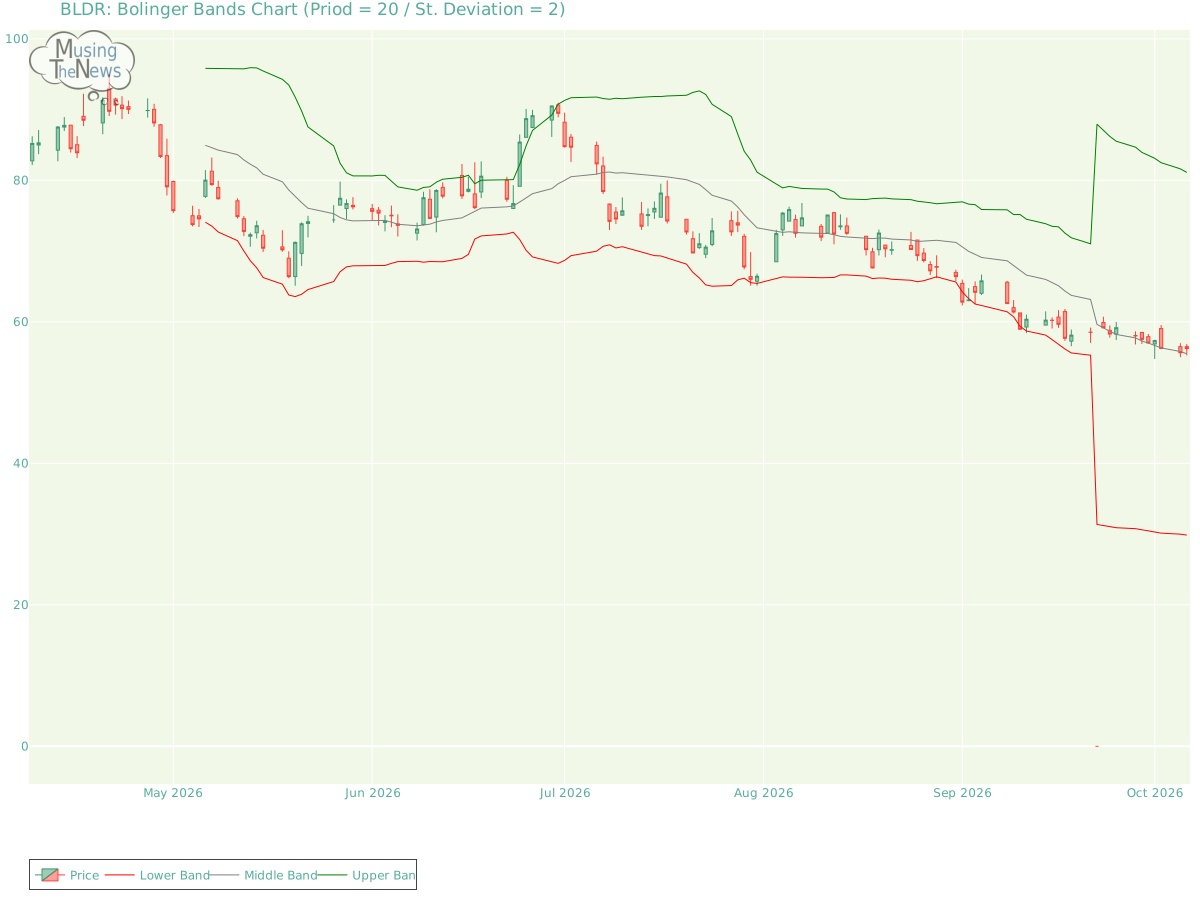
The BOLL BANDS is showing a neutral stance, with no definitive indication of an upward or downward trend for BLDR. This neutral position suggests a period of indecision in ...
By MusingTheNews
Updated 2026-10-07 23:25:54
Overall Technical outlook
Price Summary
On 2026-10-06, Builders FirstSource, Inc.'s stock began at 56.49, peaked at 56.88, declined to 55.27, and ended the day -0.48% lower at 56.22, with 2304700 shares traded. Over the previous 52 weeks, the stock reached a high of 128.96 and a low of 0.0.
Technicals
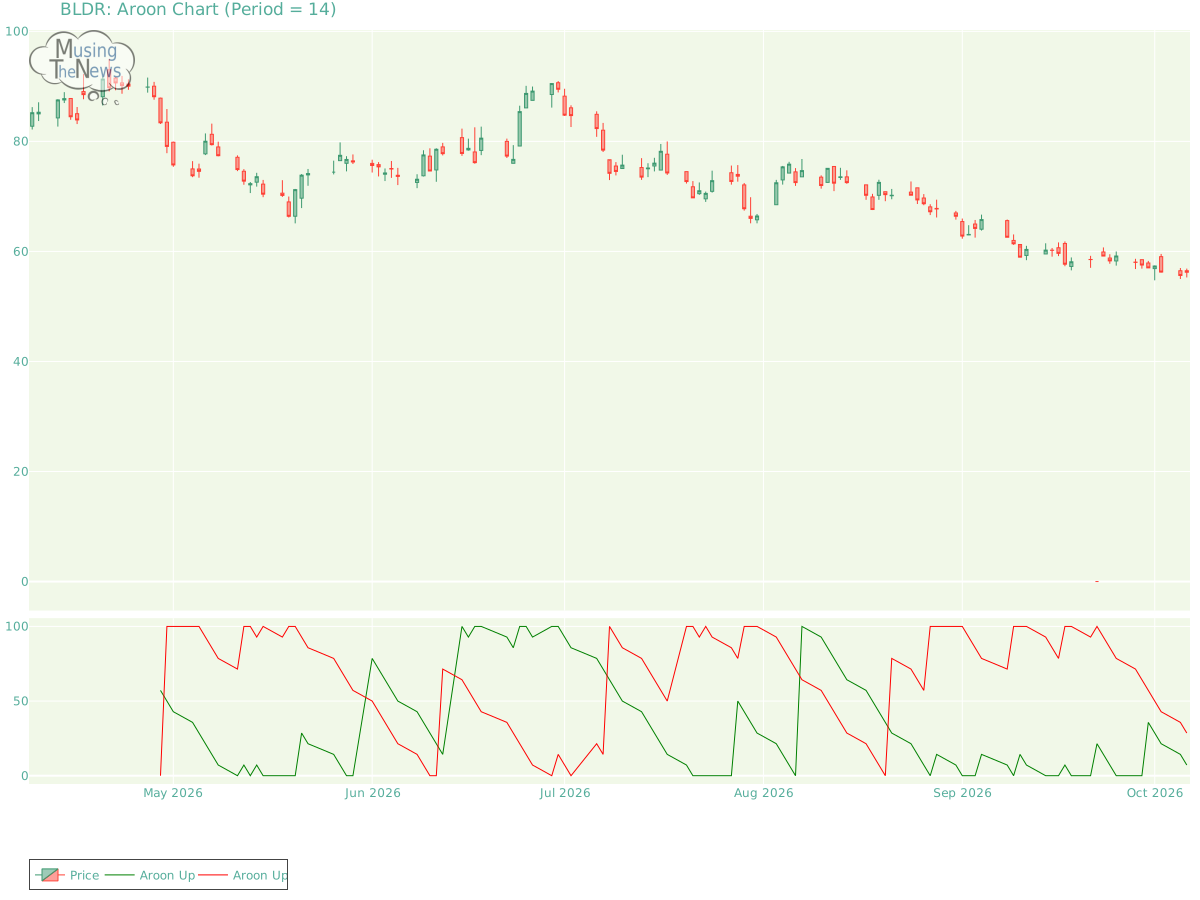
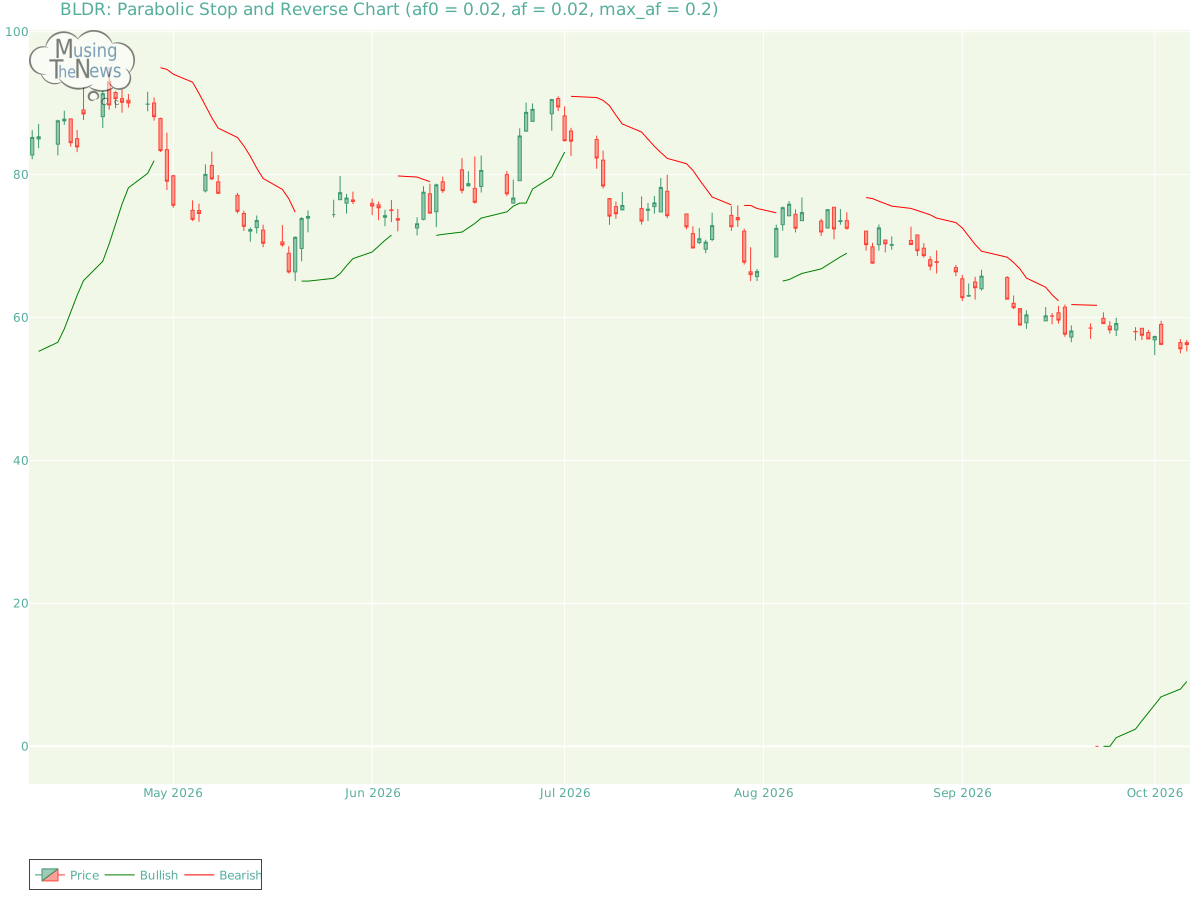
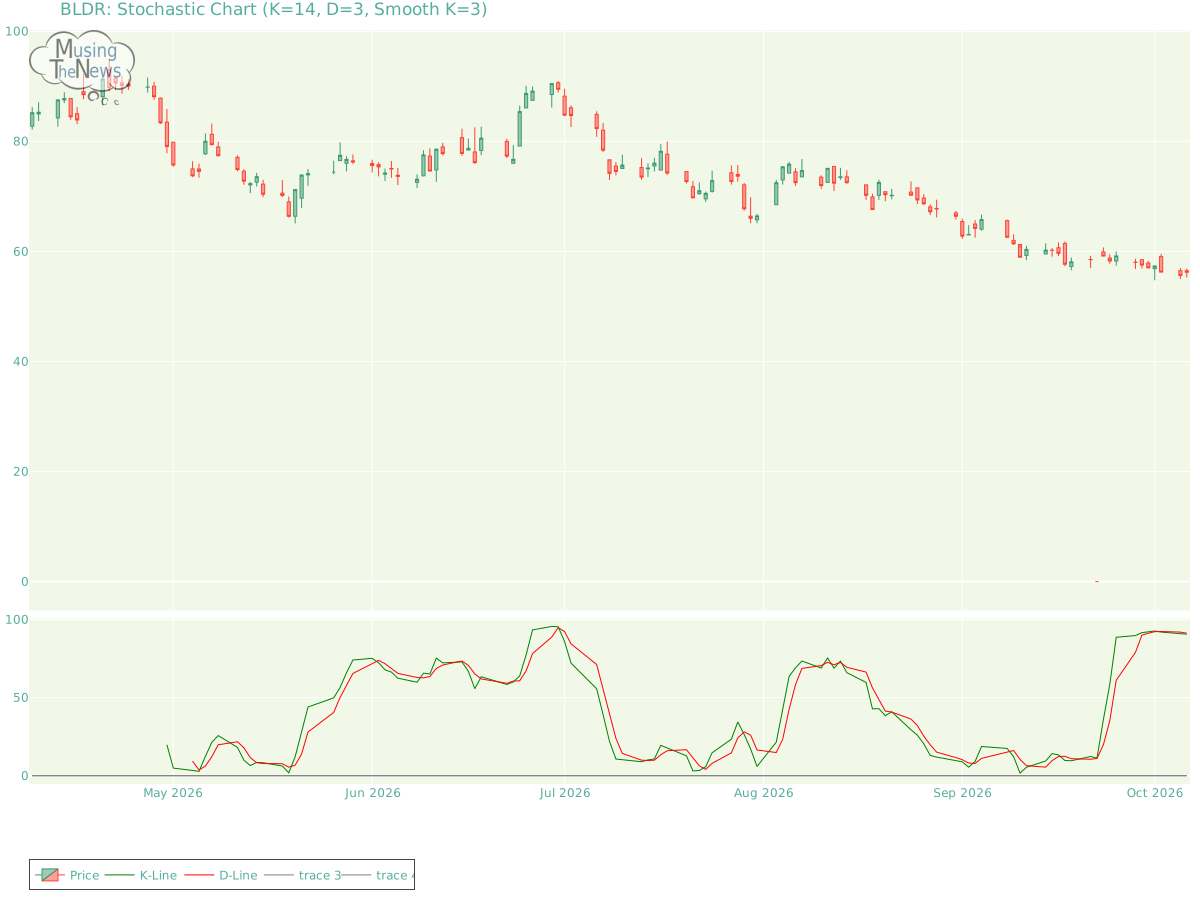
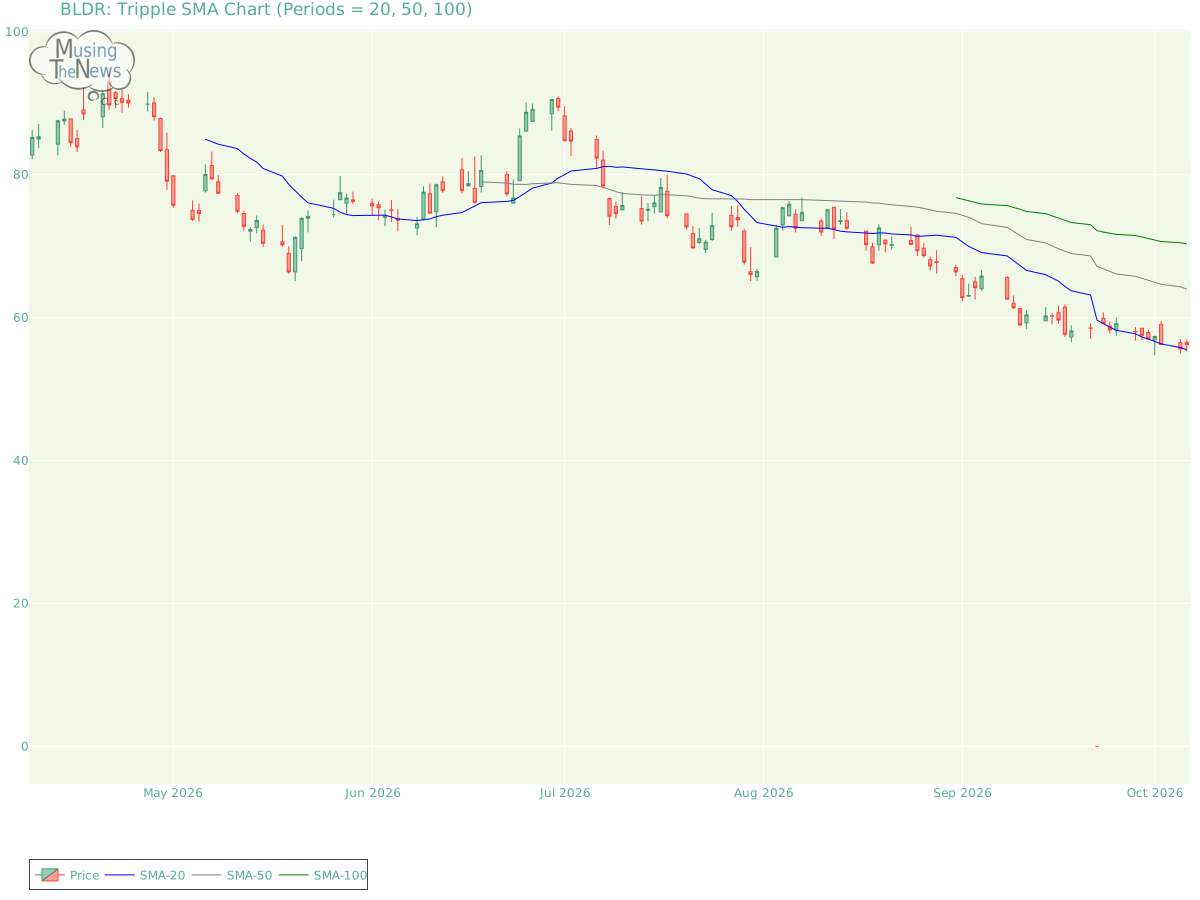
Aroon: The current reading of the AROON indicator suggests a neutral stance, with no clear signals indicating an upward or downward direction. This lack of directional bias suggests the market may be in a period of consolidation or uncertainty.Aroon chart for Builders FirstSource, Inc.Bol. Bands: The BOLL BANDS is showing a neutral stance, with no definitive indication of an upward or downward trend for BLDR. This neutral position suggests a period of indecision in the market, making it difficult to predict the next move.Bolinger Bands chart for Builders FirstSource, Inc.Parabolic SAR: The PSAR continues to indicate a bullish outlook, establishing a key support level that could sustain the market's upward trend. This support suggests that the bullish momentum is likely to persist, offering a foundation for further growth.Parabolic Stop and Reverse chart for Builders FirstSource, Inc.Stochastic: The K-line has slipped below the D-line on the stochastic indicator while staying above 80, suggesting the onset of a bearish price move. This pattern may indicate that the market's upward momentum is starting to fade, which could lead to a reversal. Investors should be mindful of this possible shift for BLDR.Stochastic chart for Builders FirstSource, Inc.Tripple Moving Agerage: The moving averages for the 20-50-100 periods point to a bullish trend for BLDR, though the slopes of the faster averages suggest that this strength may be waning. The potential for a reversal is becoming evident, as the shorter-term averages indicate that the current upward momentum could be losing steam.Tripple SMA chart for Builders FirstSource, Inc. A thorough analysis of a company involves looking at both its fundamentals and technical data. The fundamentals, including revenue, profitability, and management quality, offer insight into the company's long-term value. Additionally, understanding the broader industry context, such as market competition and regulatory challenges, helps to better interpret the company's stock performance. By combining both fundamental and technical analysis, you can derive more meaningful inferences about the company's future prospects.