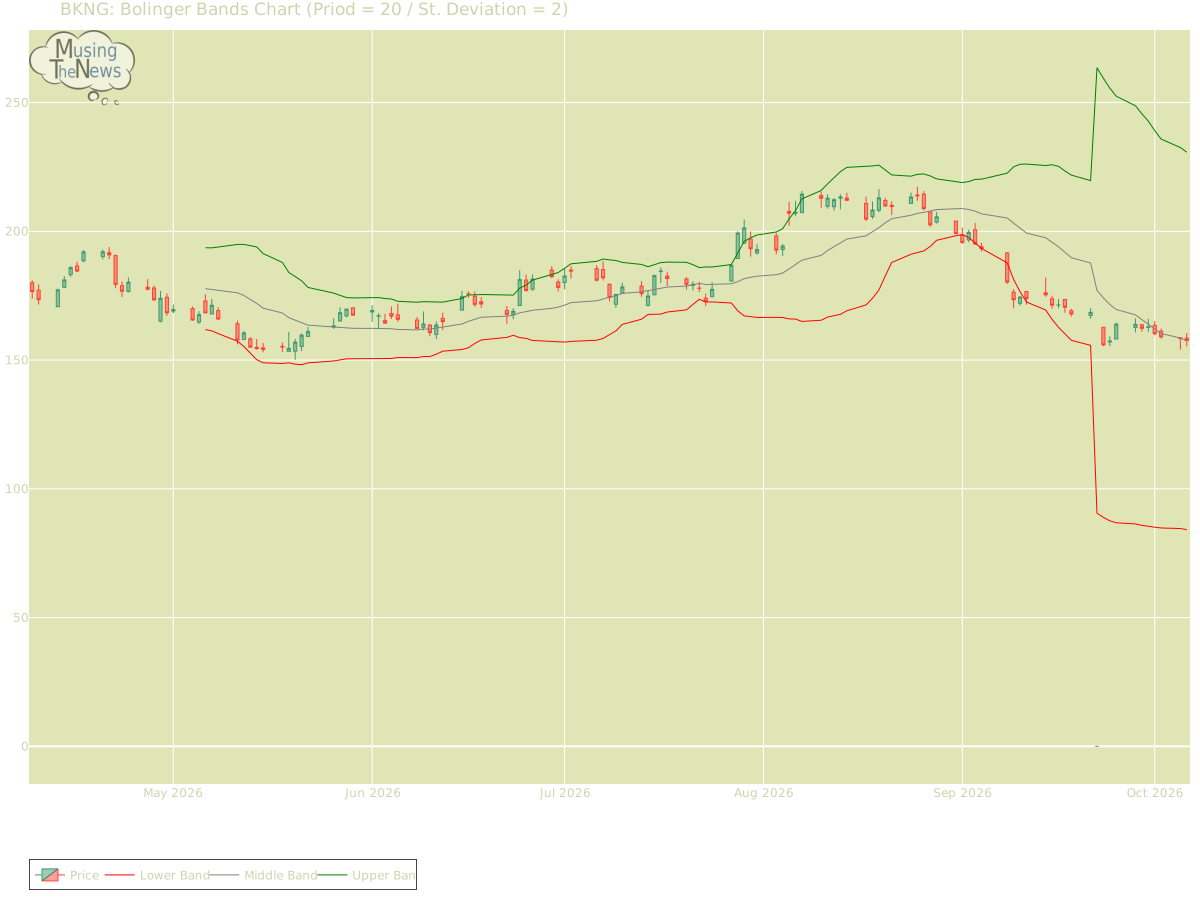
The BOLL BANDS is in a neutral stance for BKNG, not indicating a clear upward or downward trend. This suggests a period of market indecision, where neither bulls nor bears ...
By MusingTheNews
Updated 2026-10-07 23:25:53
Overall Technical outlook
Price Summary
On 2026-10-06, Booking Holdings Inc.'s stock opened at 158.54, reached 160.5, hit a low of 155.34, and rose -0.57% to close at 157.63, with 6967200 shares traded. The top price for the stock in the last 52 weeks is 5492.11, with the bottom price being 0.0.
Technicals
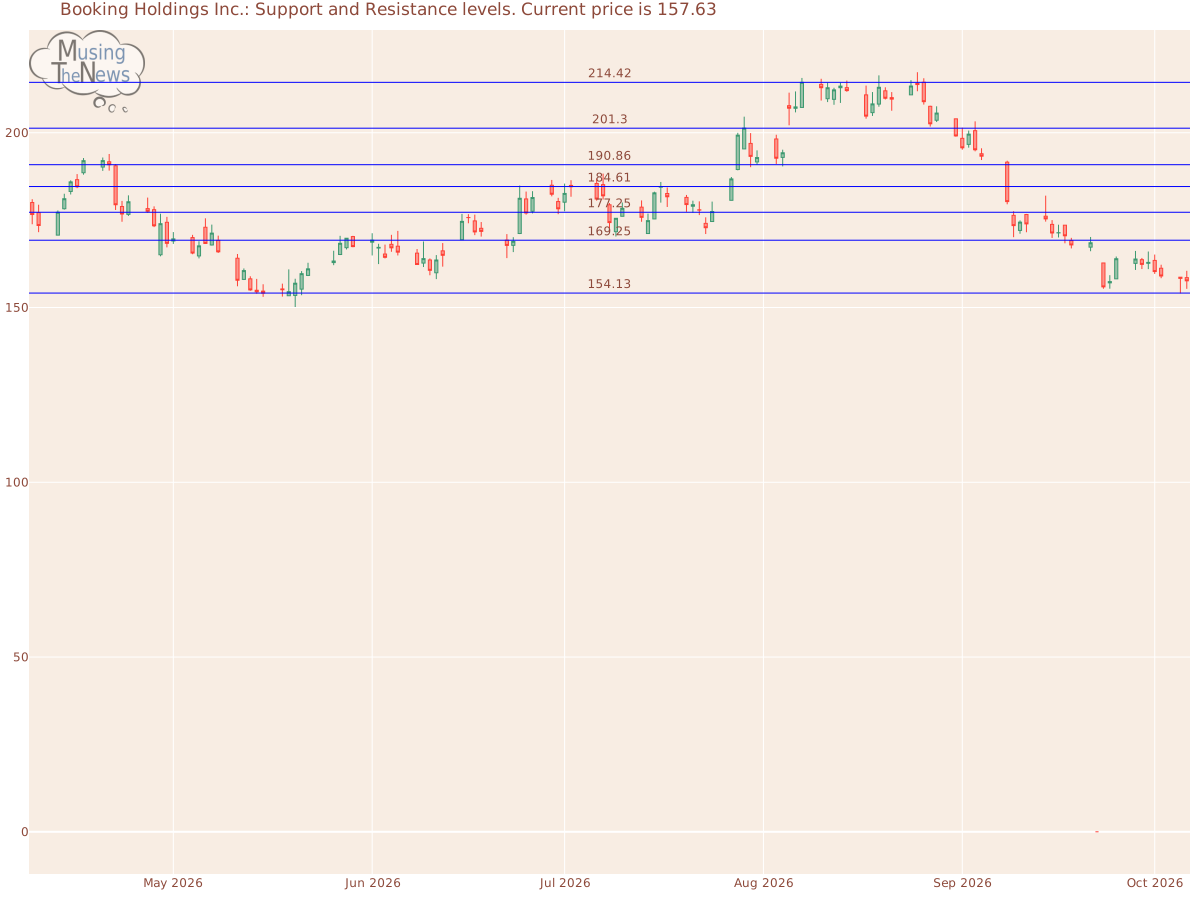
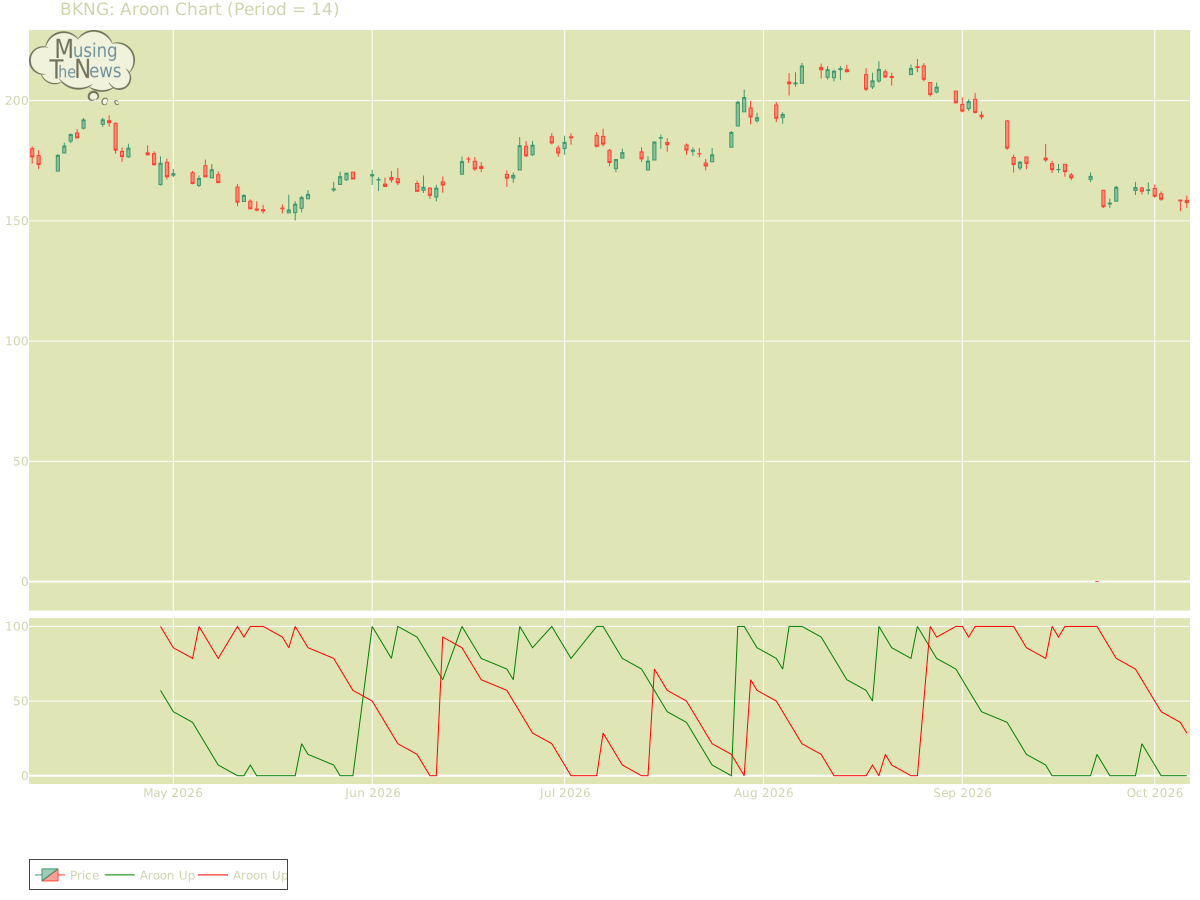
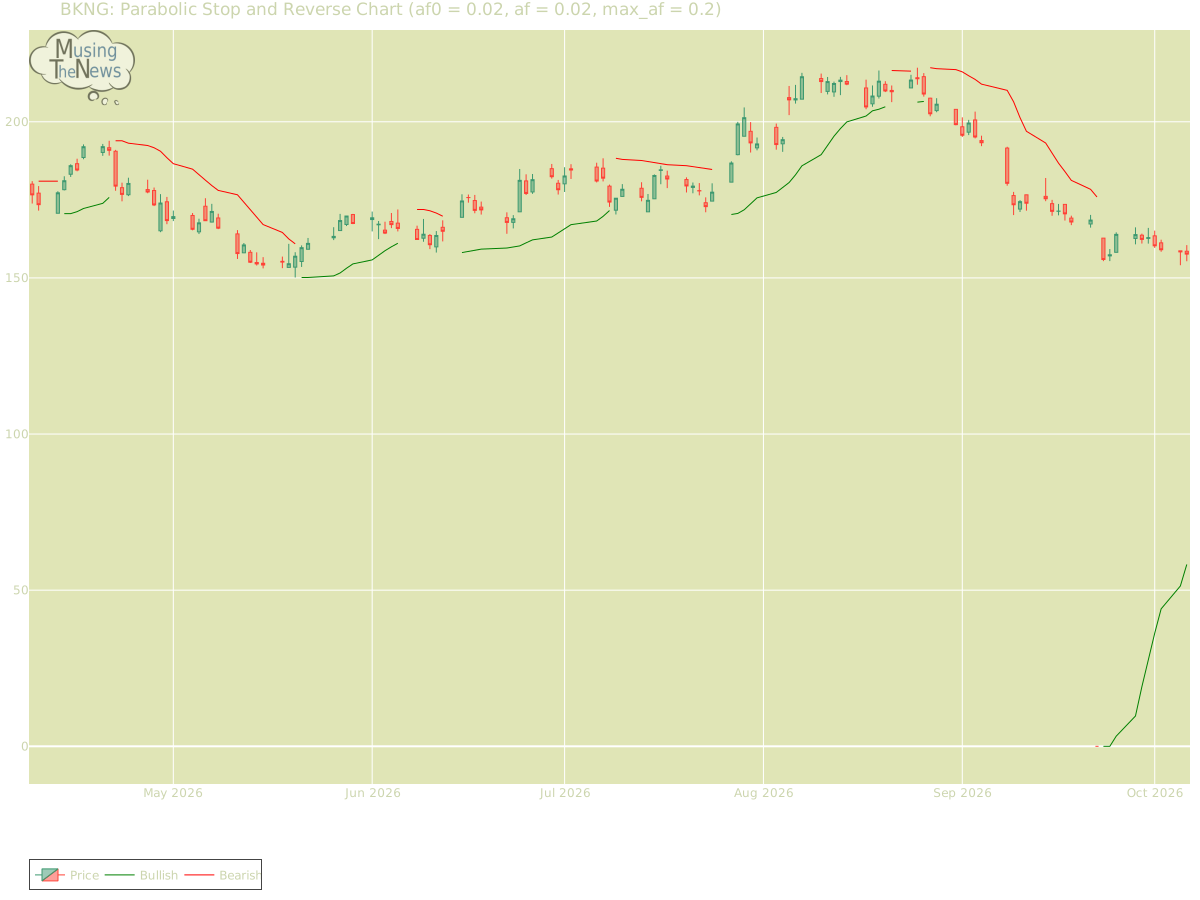
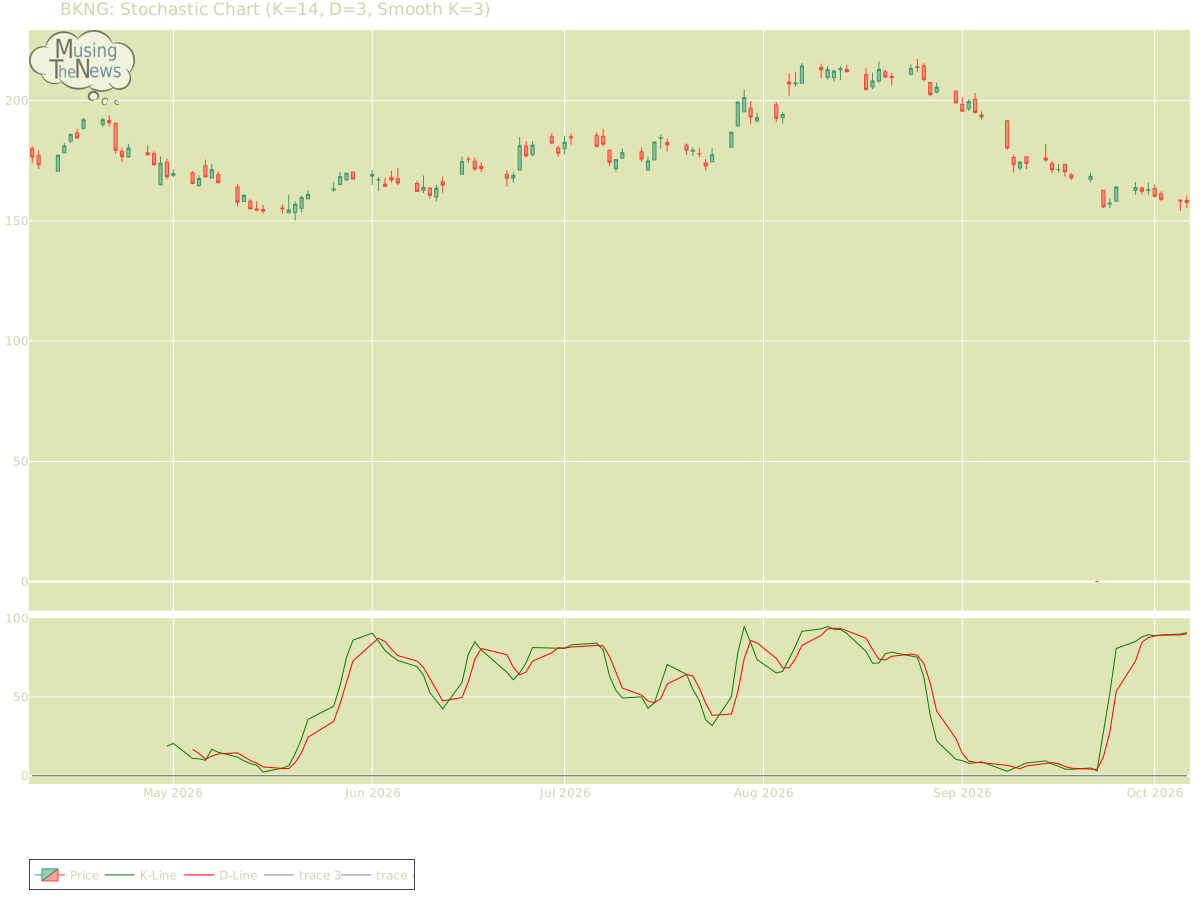
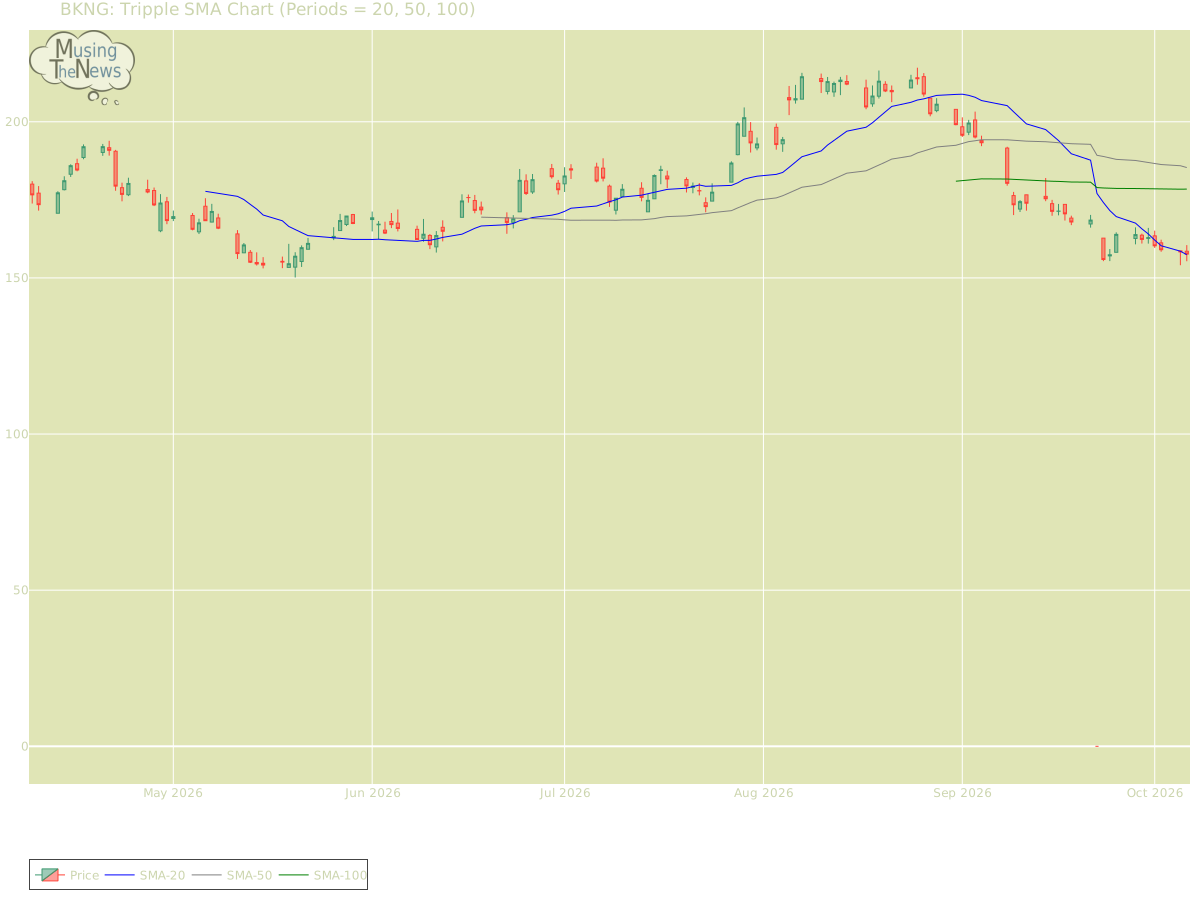
Support and Resistance: The price is currently at 157.63, supported by 154.13 and resisted by 169.25. This indicates a range where 154.13 may provide a base for the price, while 169.25 serves as a cap on further upward movement for BKNG.Support/Resistance for BKNGAroon: The AROON is in a neutral stance, with no clear direction indicated for the market. This lack of clarity suggests that the market may be in a state of equilibrium for BKNG, with no strong trend emerging.Aroon chart for Booking Holdings Inc.Bol. Bands: The BOLL BANDS is in a neutral stance for BKNG, not indicating a clear upward or downward trend. This suggests a period of market indecision, where neither bulls nor bears have the upper hand.Bolinger Bands chart for Booking Holdings Inc.Parabolic SAR: The PSAR continues to signal a bullish outlook, establishing a key support level that reinforces the market's upward momentum. This support could serve as a base for continued gains, suggesting that the bullish trend is likely to persist.Parabolic Stop and Reverse chart for Booking Holdings Inc.Stochastic: With the K-line above both the D-line and the 80 mark, the stochastic indicator signals a bullish trend. This configuration suggests that the market is experiencing strong upward momentum, likely leading to further gains. Investors may see this as a favorable condition for potential growth.Stochastic chart for Booking Holdings Inc.Tripple Moving Agerage: The current state of the Tripple MOVING AVG is neutral, offering no clear signals of movement in either direction. This suggests a potential pause in market activity, with no strong trend emerging at the moment.Tripple SMA chart for Booking Holdings Inc. To accurately interpret a company's technical data, it is important to first examine its fundamentals. These include financial performance, management quality, and growth prospects. In addition, understanding the dynamics of the industry in which the company operates—such as competition, market trends, and regulatory factors—provides further insights. This combined analysis helps create a fuller picture, allowing for more precise conclusions to be drawn from the company's technical performance and stock behavior.