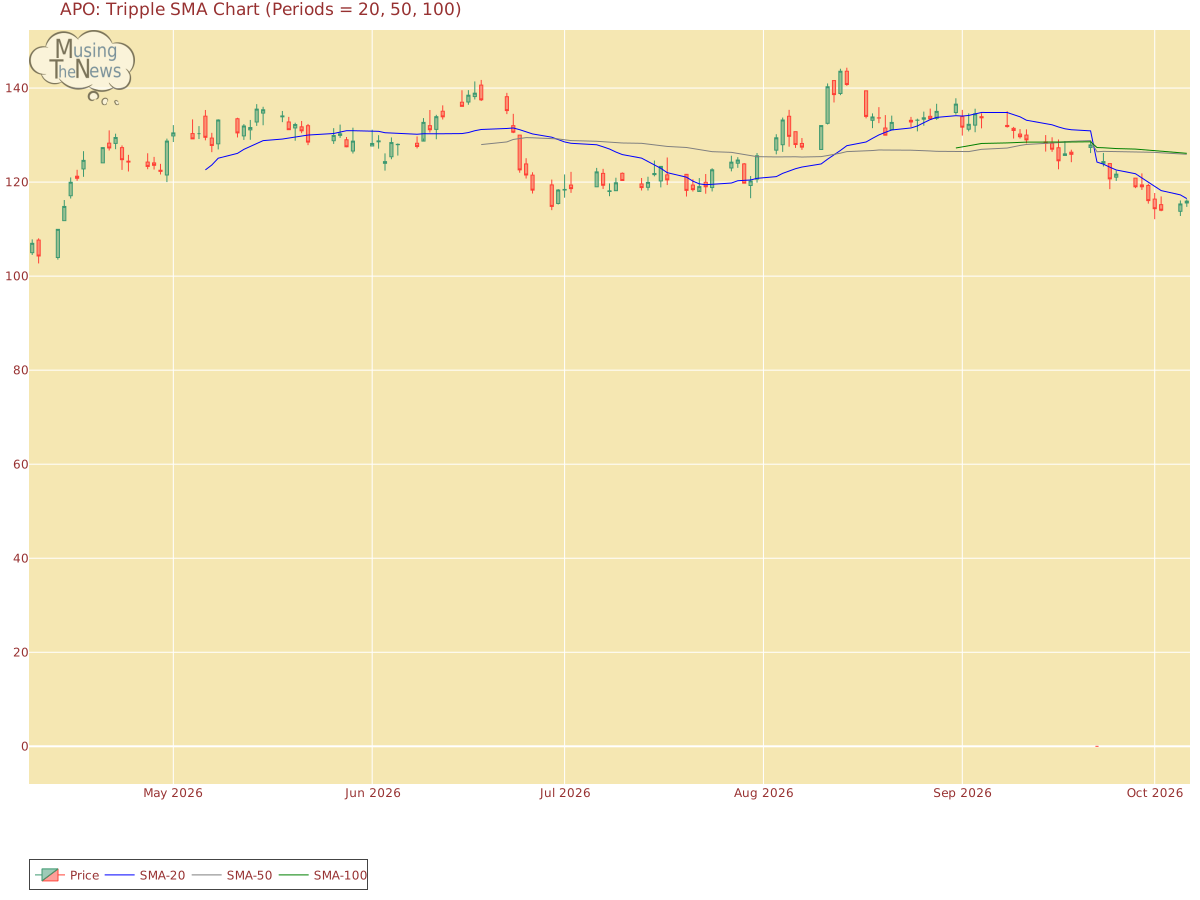
The moving averages for the 20-50-100 periods point to a bullish trend for APO, though the slopes of the faster averages suggest that this strength may be waning. The poten...
By MusingTheNews
Updated 2026-10-07 23:25:47
Overall Technical outlook
Price Summary
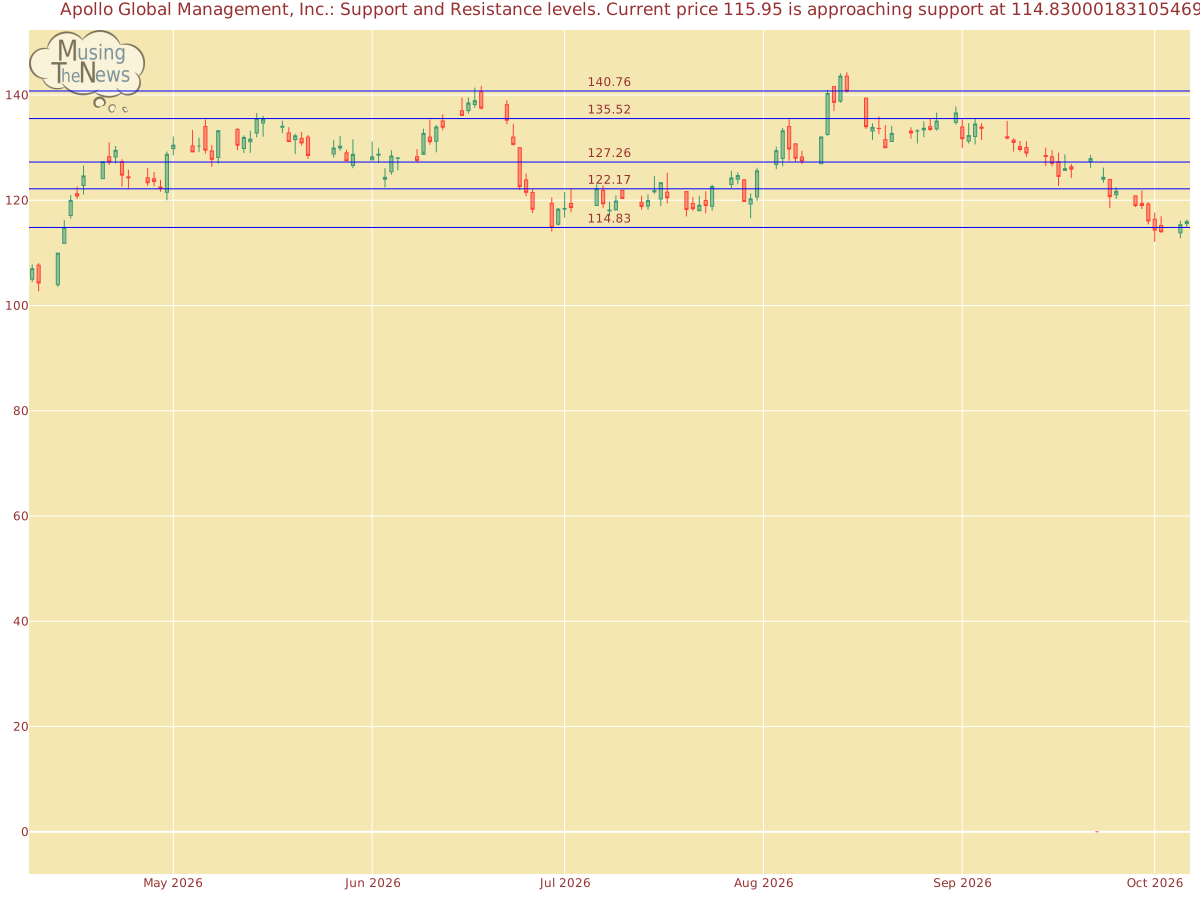
2026-10-06, saw APO's stock open at 115.56, hit a peak of 116.33, fall to a low of 114.73, and close higher 0.34% at 115.95, with 2706300 shares changing hands. The stock's highest value over the last 52 weeks is 152.7, and the lowest value is 0.0.
Technicals
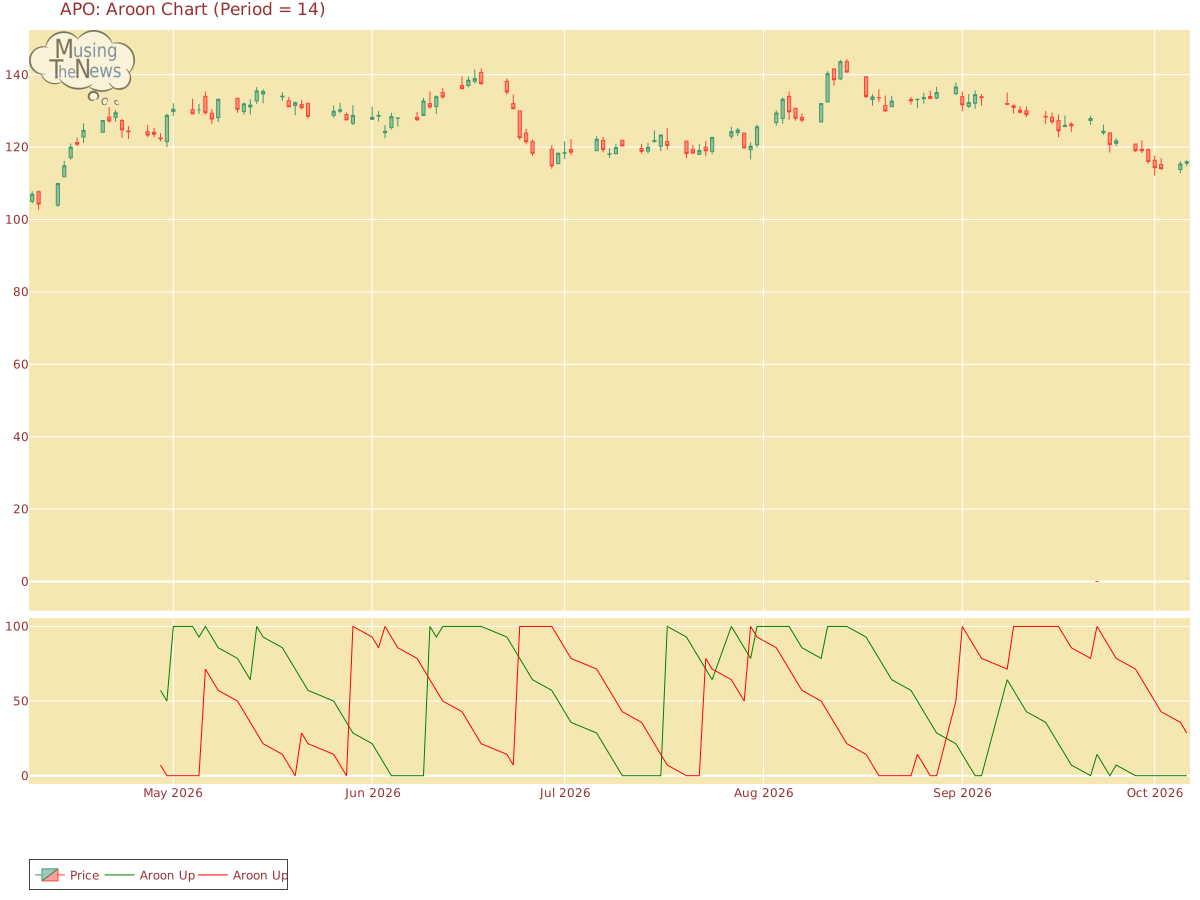
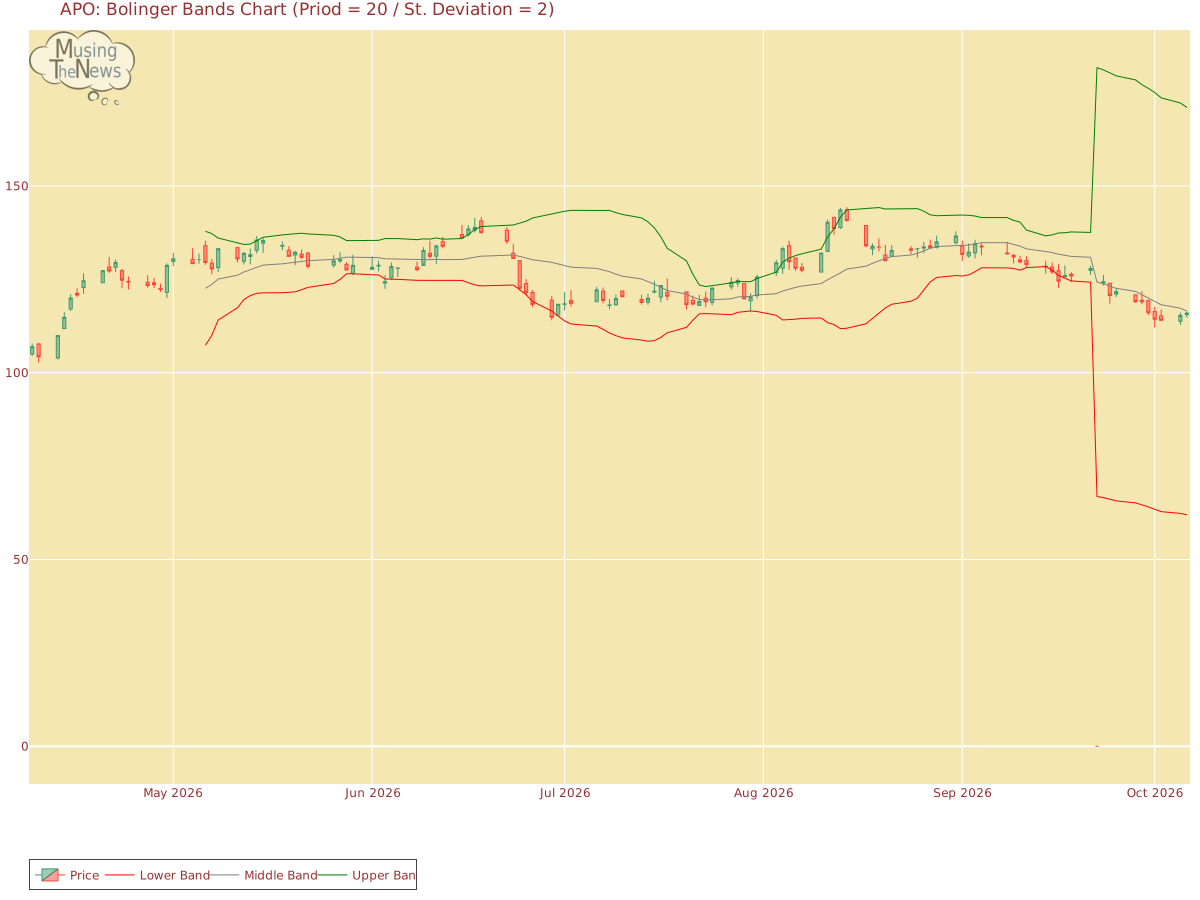
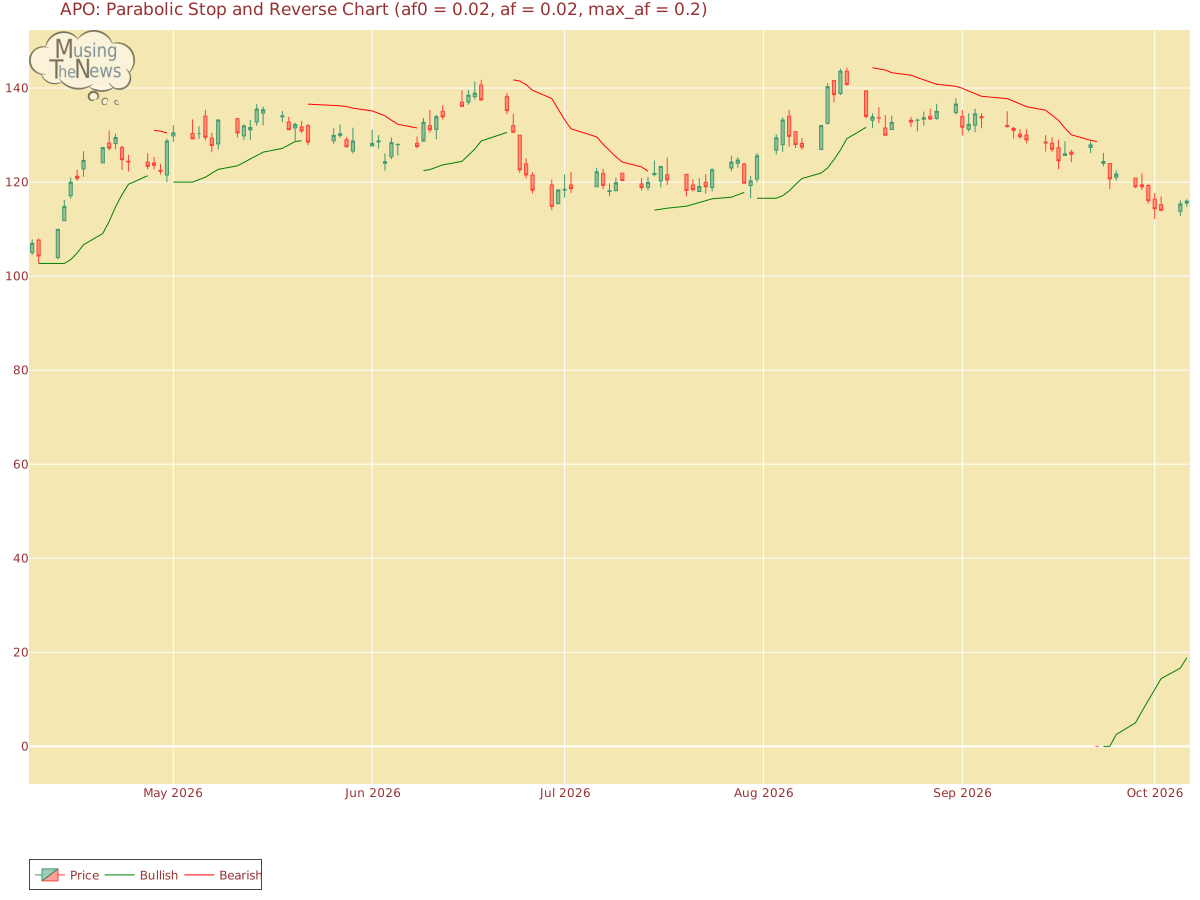
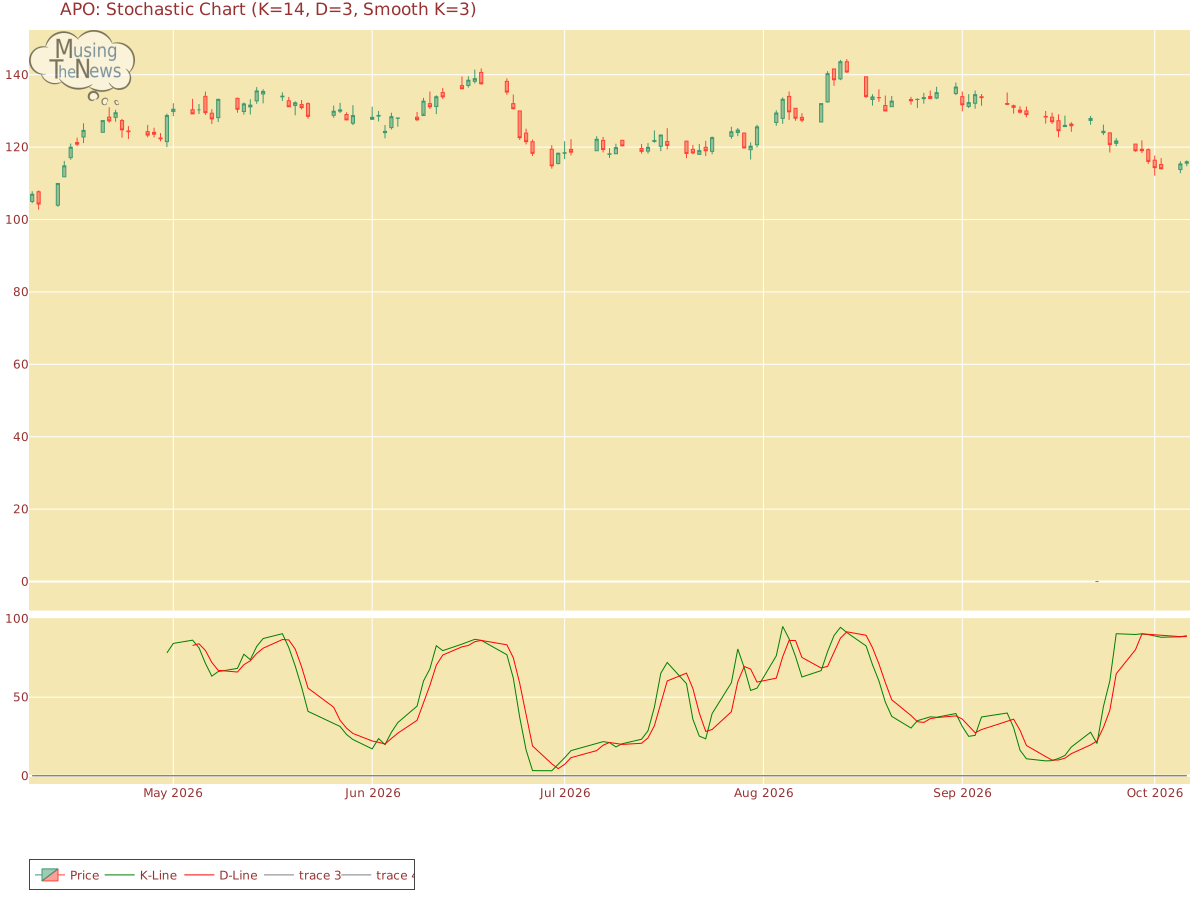
Support and Resistance: The current price of 115.95 is supported at 114.83, with resistance at 122.17. This suggests that the price for APO might remain between these levels, where 114.83 acts as a floor and 122.17 as a ceiling in the market.Support/Resistance for APOAroon: The current state of the AROON is neutral, offering no clear signals of movement in either direction. This suggests a potential pause in market activity, with no strong trend emerging at the moment.Aroon chart for Apollo Global Management, Inc.Bol. Bands: The BOLL BANDS is in a neutral stance, with no clear direction indicated for the market. This lack of clarity suggests that the market may be in a state of equilibrium for APO, with no strong trend emerging.Bolinger Bands chart for Apollo Global Management, Inc.Parabolic SAR: The PSAR maintains a bullish outlook, reinforcing a support level that could help uphold the market's upward trend. This suggests that the market is likely to continue climbing, with the support providing a solid base for further gains.Parabolic Stop and Reverse chart for Apollo Global Management, Inc.Stochastic: The stochastic indicator shows bullish conditions, with the K-line positioned above the D-line and exceeding the 80 level. This setup suggests strong upward momentum, indicating that the market may continue to rise. Investors might view this as a favorable sign for continued growth.Stochastic chart for Apollo Global Management, Inc.Tripple Moving Agerage: The moving averages for the 20-50-100 periods point to a bullish trend for APO, though the slopes of the faster averages suggest that this strength may be waning. The potential for a reversal is becoming evident, as the shorter-term averages indicate that the current upward momentum could be losing steam.Tripple SMA chart for Apollo Global Management, Inc. A thorough analysis of a company involves looking beyond its stock price movements and trading patterns. You must also examine its fundamentals, which include profitability, growth prospects, and competitive advantages. Additionally, the industry in which the company operates provides important context, as factors like technological innovations, regulation, and market demand influence performance. By integrating this information with technical analysis, more accurate predictions about the company's future can be made.