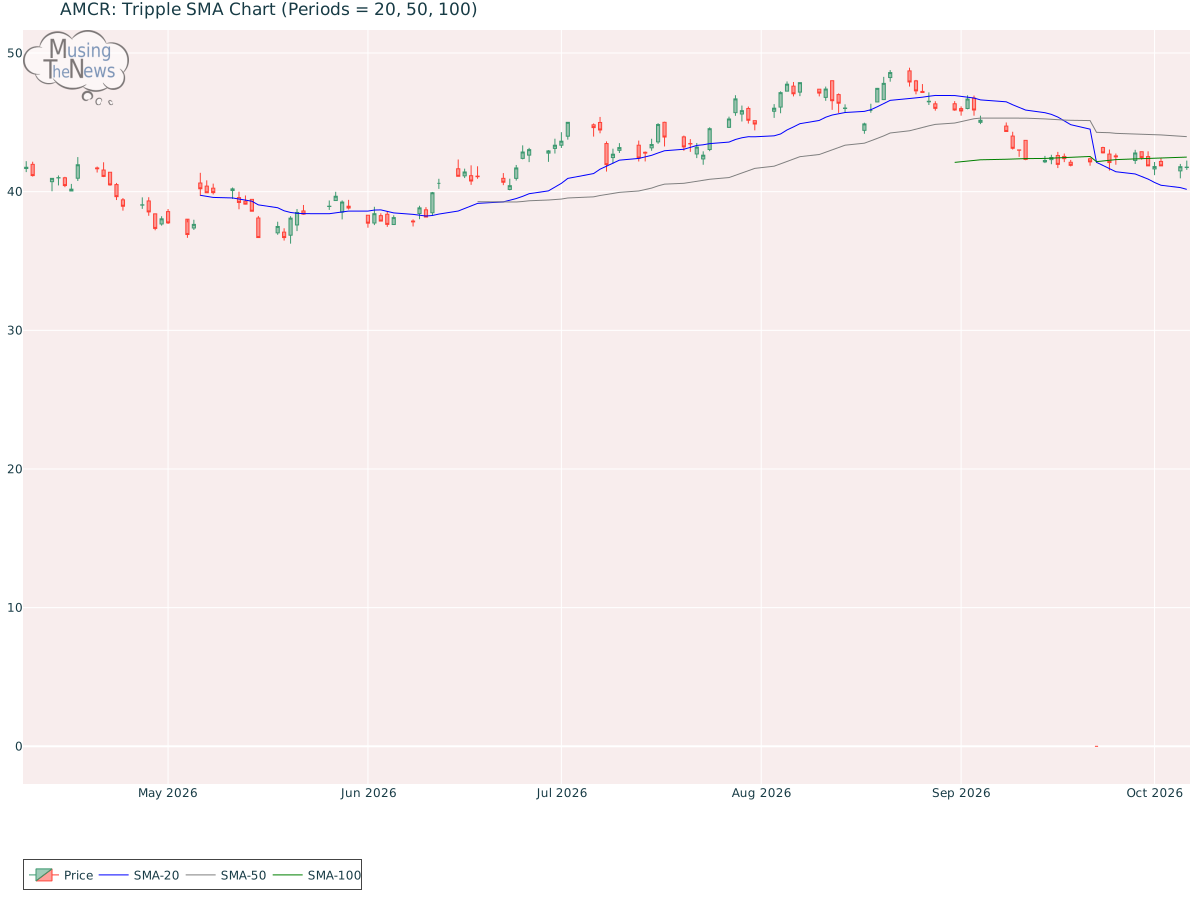
The Tripple MOVING AVG is in a neutral stance, not pointing to a clear trend in either direction. This suggests that the market may be lacking strong momentum, making it di...
By MusingTheNews
Updated 2026-10-07 23:25:45
Overall Technical outlook
Price Summary
On 2026-10-06, AMCR's stock began at 41.74, peaked at 42.24, dipped to 41.57, and closed up 0.07% at 41.77, with a volume of 3049300 shares. Over the previous 52 weeks, the stock reached a high of 50.58 and a low of 0.0.
Technicals
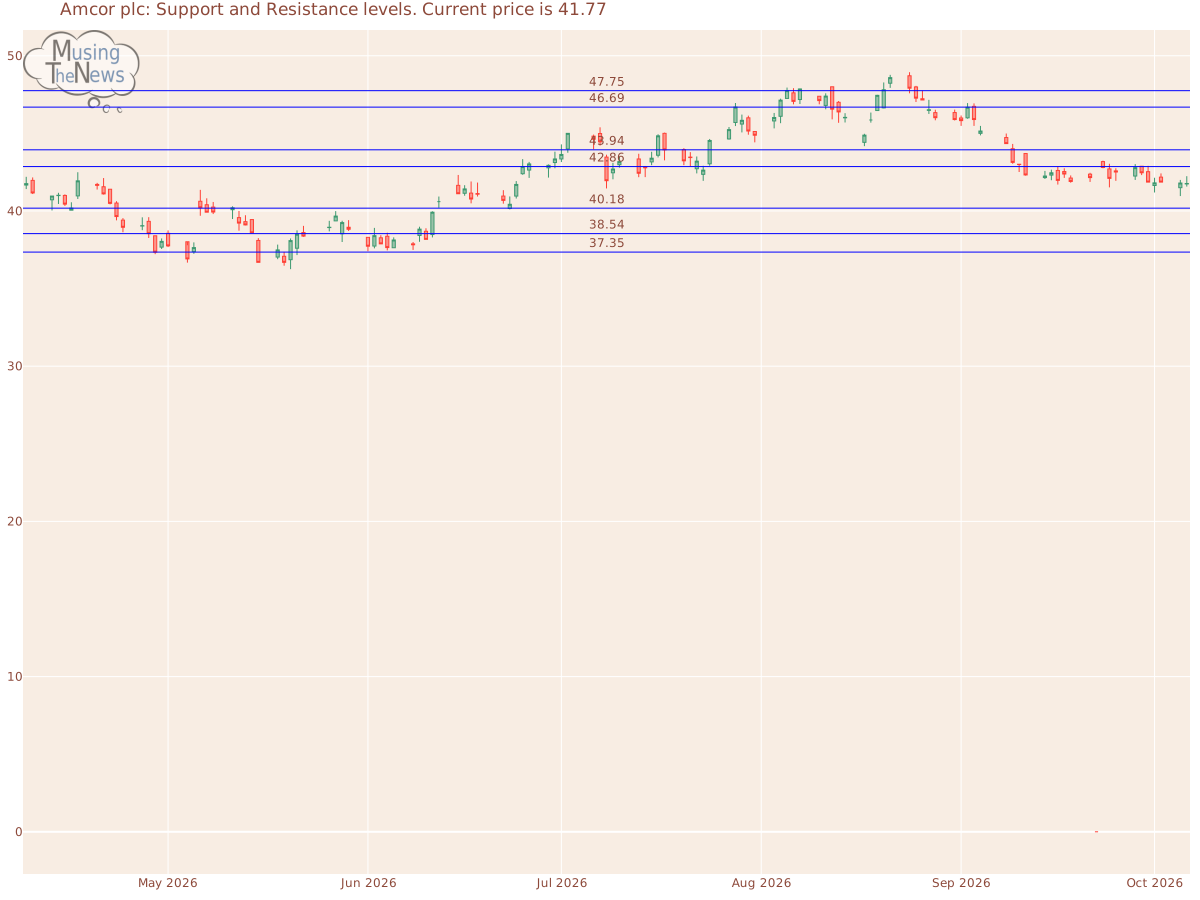
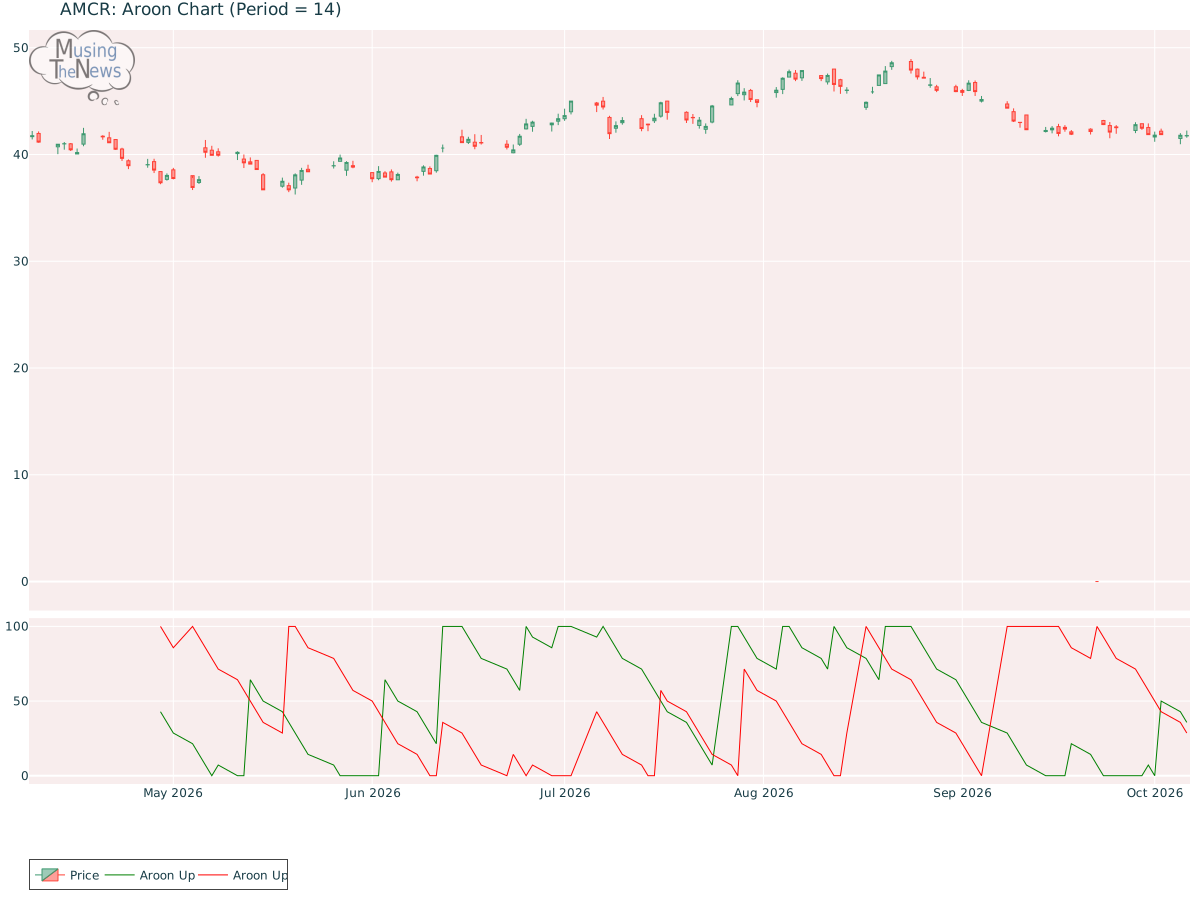
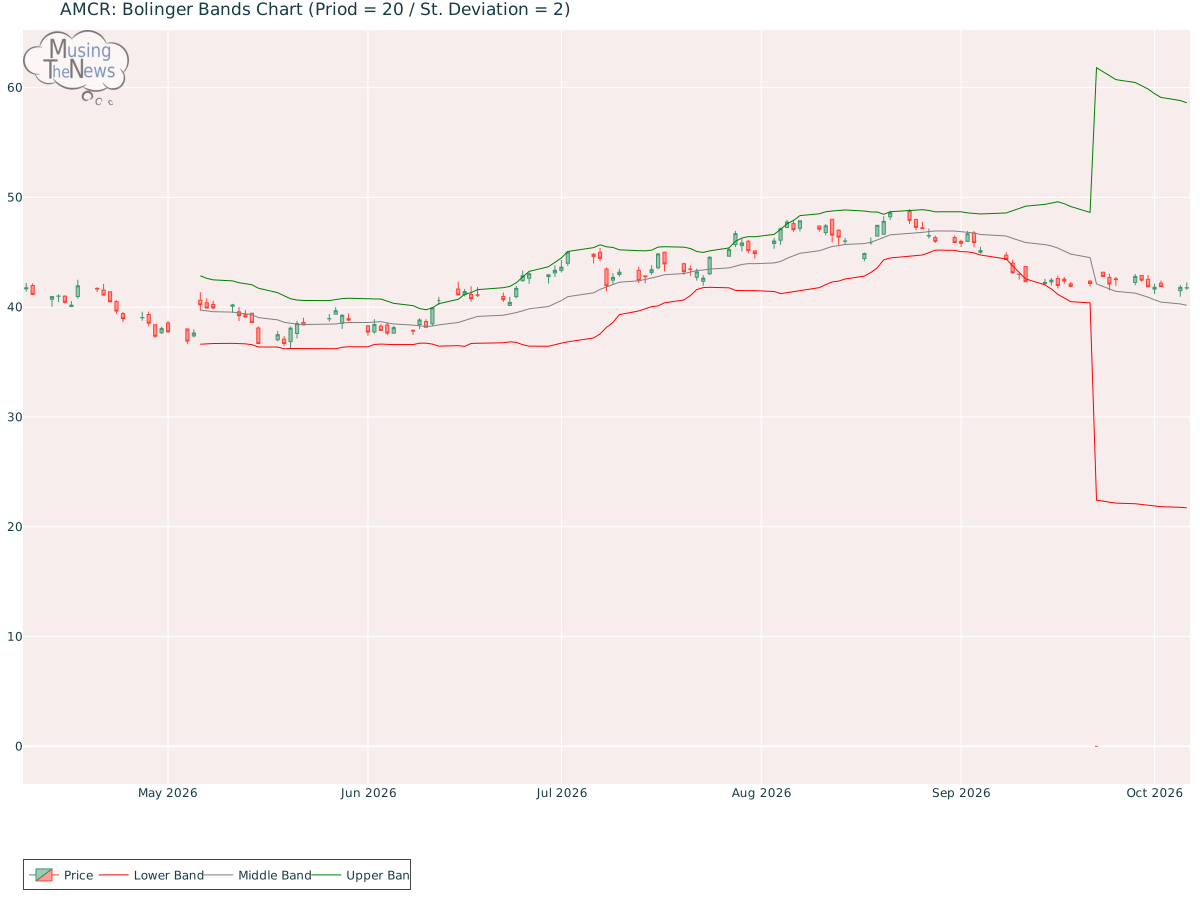
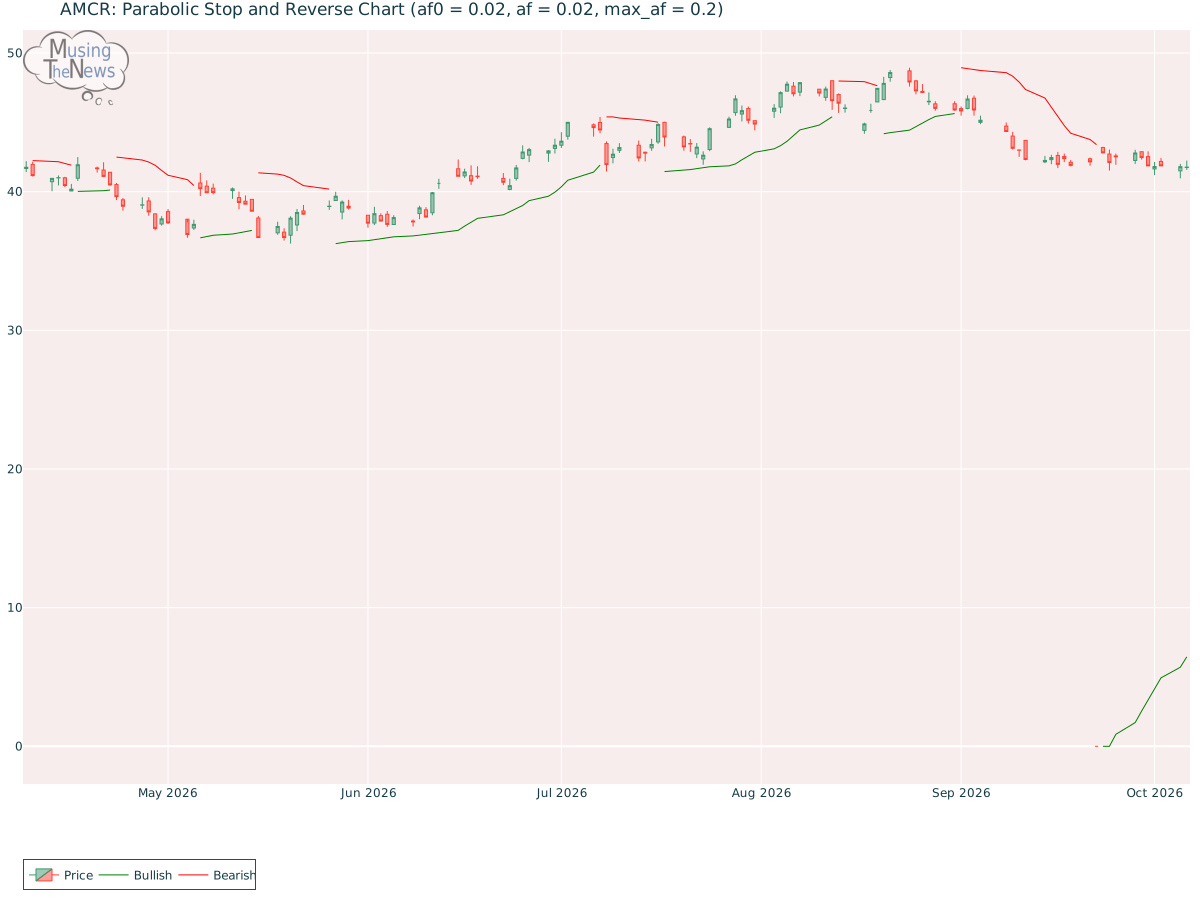
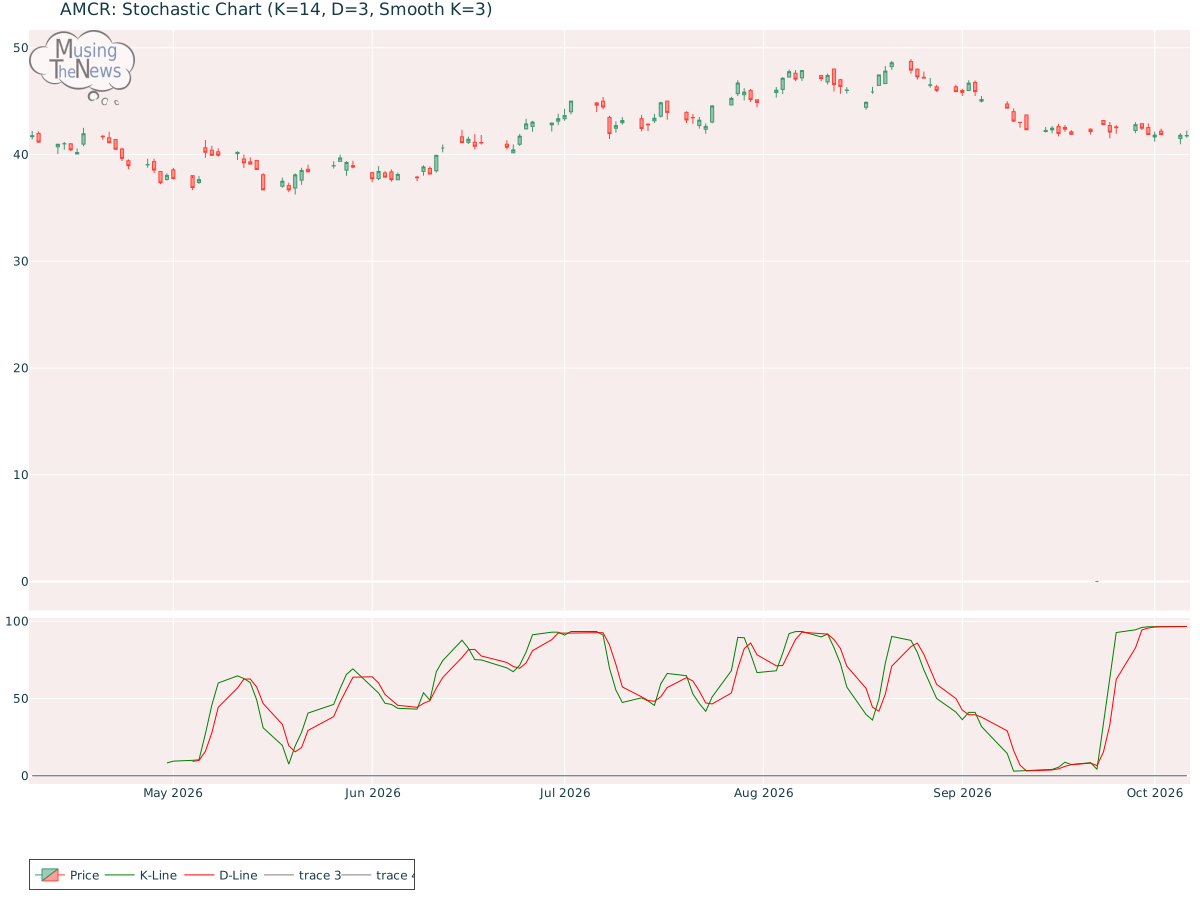
Support and Resistance: The current price for AMCR is 41.77, supported at 40.18 with resistance at 42.86. This indicates a trading range where 40.18 might prevent further declines, while 42.86 could hinder additional gains.Support/Resistance for AMCRAroon: The AROON is neutral, showing no definitive signals of a trend either upward or downward. This neutral stance indicates a period of market indecision, where the direction is unclear.Aroon chart for Amcor plcBol. Bands: The BOLL BANDS is showing a neutral reading, with no clear direction indicated for upward or downward movement. This neutral position suggests a possible period of consolidation.Bolinger Bands chart for Amcor plcParabolic SAR: The PSAR for AMCR maintains its bullish outlook, setting a strong support level that could underpin further gains. This suggests that the market is likely to continue its upward trajectory, with the established support providing a safety net for ongoing bullish momentum.Parabolic Stop and Reverse chart for Amcor plcStochastic: The stochastic indicator is currently bullish, with the K-line exceeding both the D-line and the 80 level. This configuration indicates robust upward momentum, suggesting that the market may experience further gains. Investors may interpret this as a positive signal for continued upward movement.Stochastic chart for Amcor plcTripple Moving Agerage: The Tripple MOVING AVG is in a neutral stance, not pointing to a clear trend in either direction. This suggests that the market may be lacking strong momentum, making it difficult to predict the next move.Tripple SMA chart for Amcor plc The technical analysis of a company's stock performance is valuable, but only when considered in conjunction with the company's fundamentals. These fundamentals, including financial strength, earnings growth, and leadership, provide a foundation for understanding market movements. Additionally, industry trends and competitive pressures play an important role. By integrating both fundamental and technical analysis, one can better evaluate the company's true potential and make more informed investment decisions.