Good prospects:
Latest Regulatory Filings for SP5
Companies with the best and the worst fundamentals.

The Liquidity Trap Hidden Inside Leveraged ETFs

SpaceX IPO Spawned a New Speculation Machine
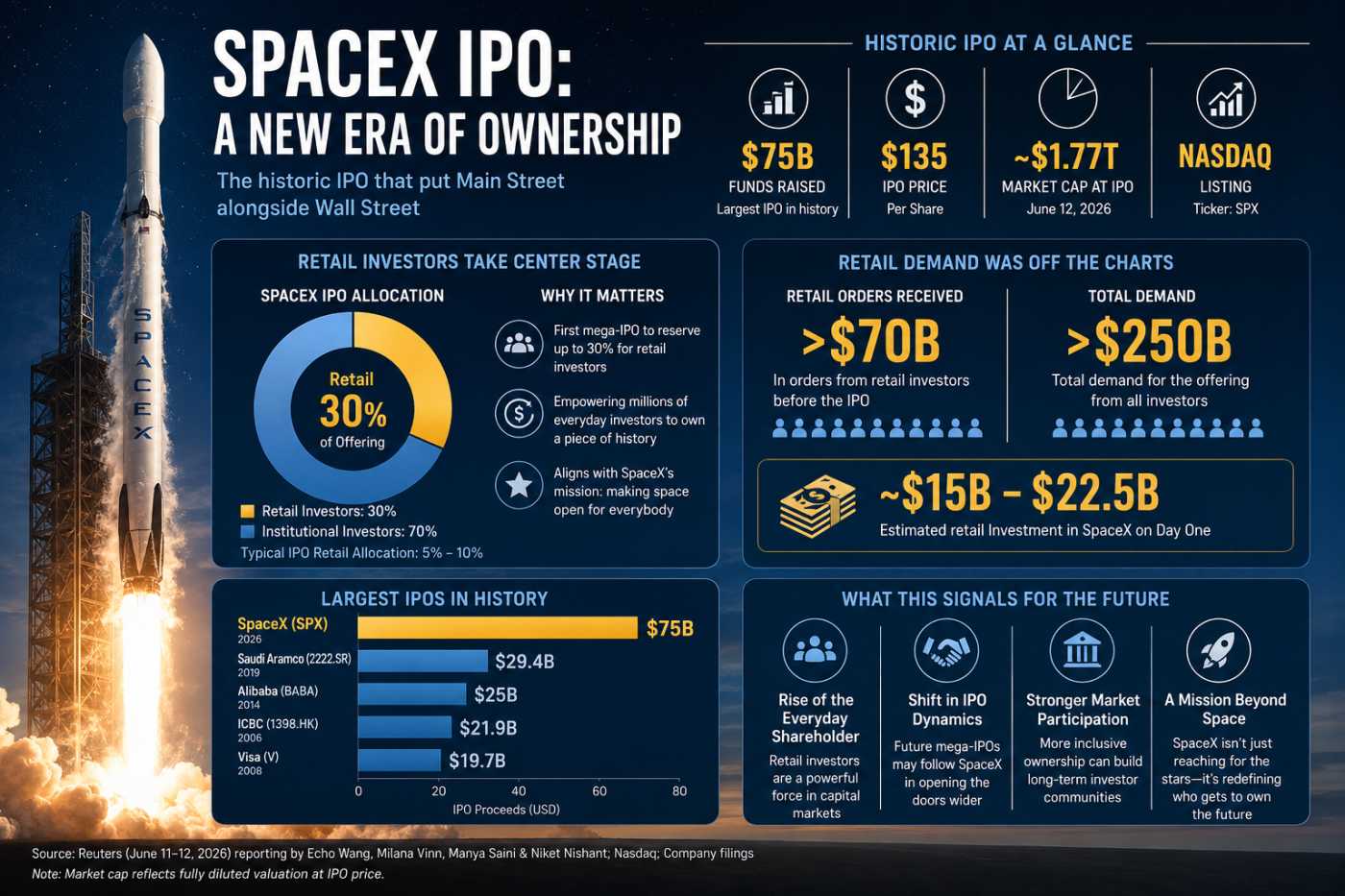
How SpaceX Gave Main Street a Seat at the IPO
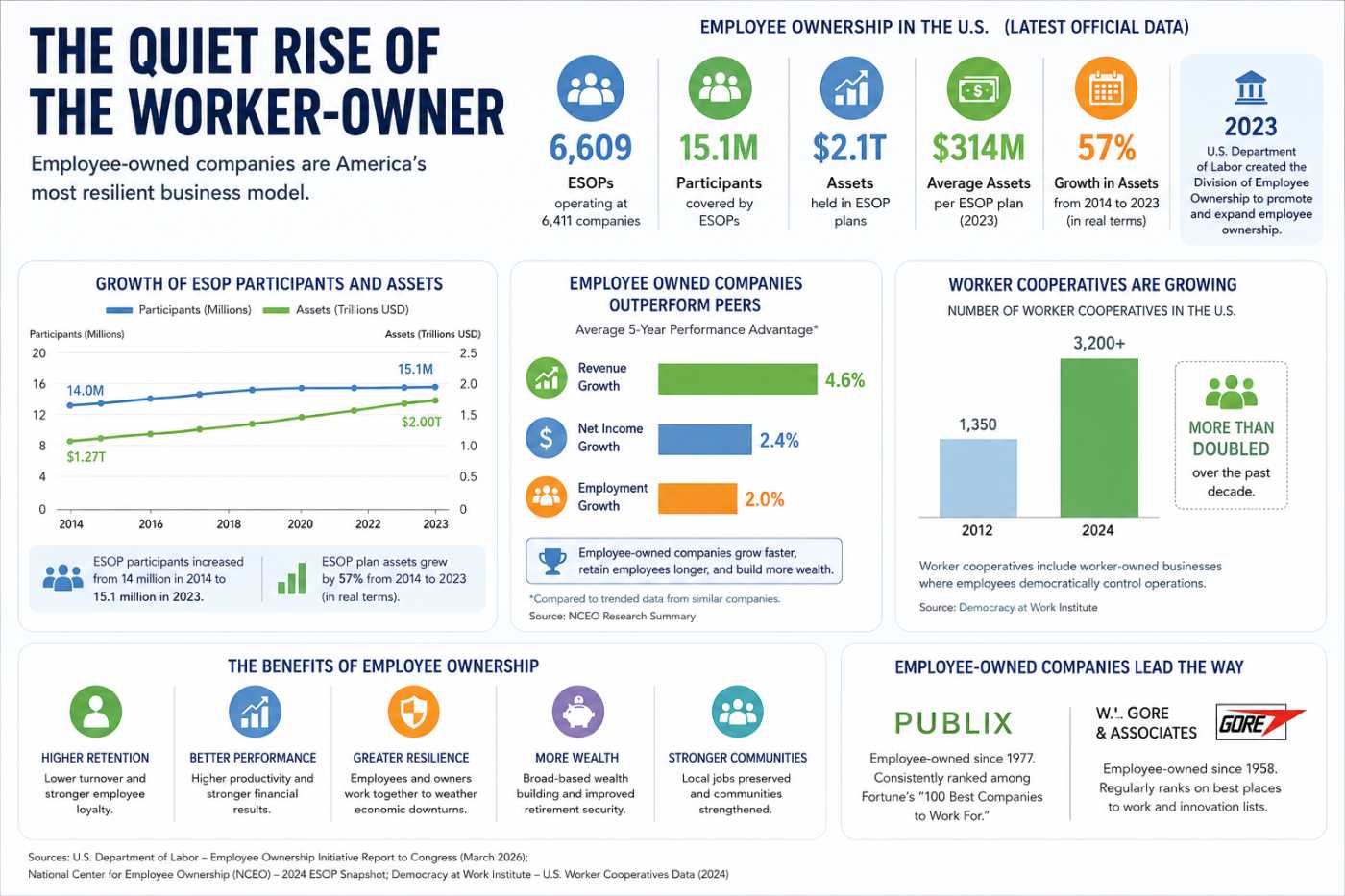
How Workers Became Capitalists
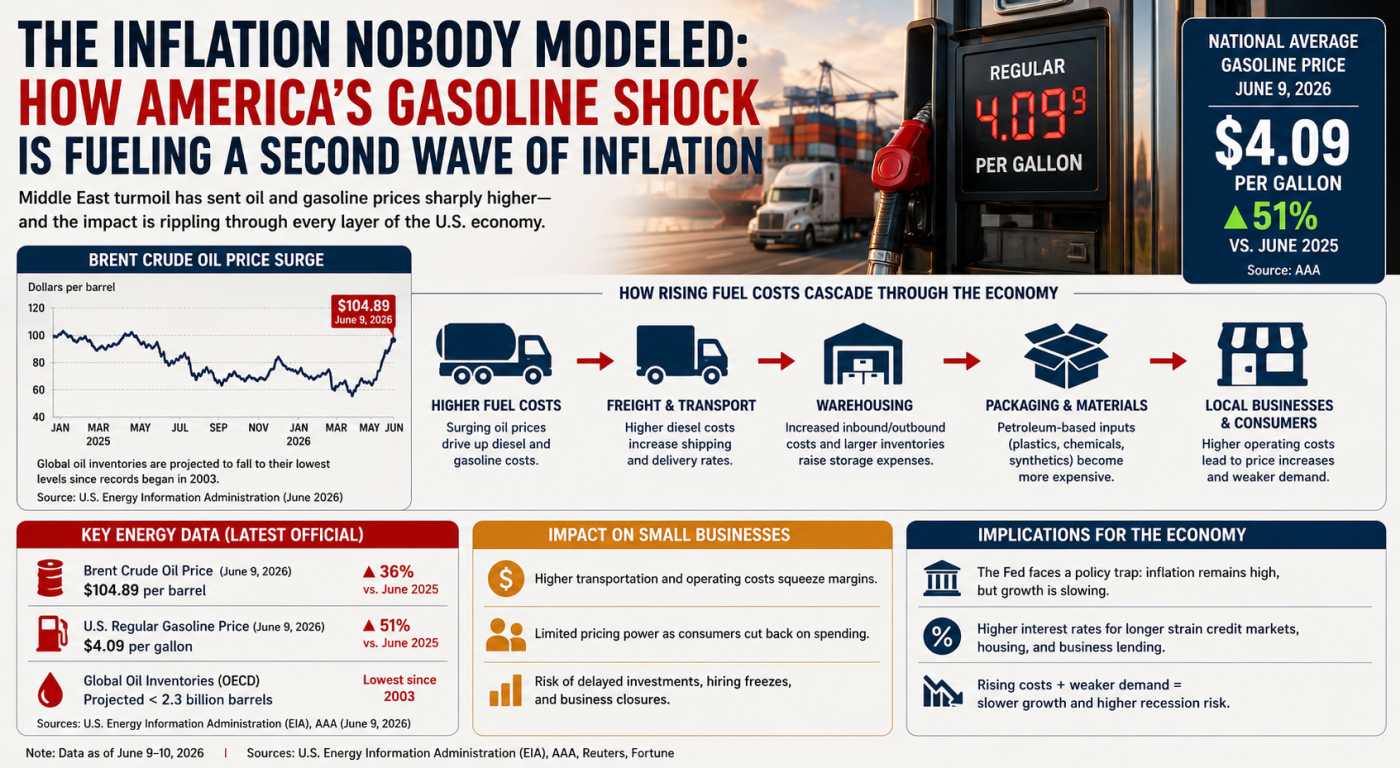
The Inflation Wave the Fed Can't Navigate
Why Community Colleges Are Winning Again


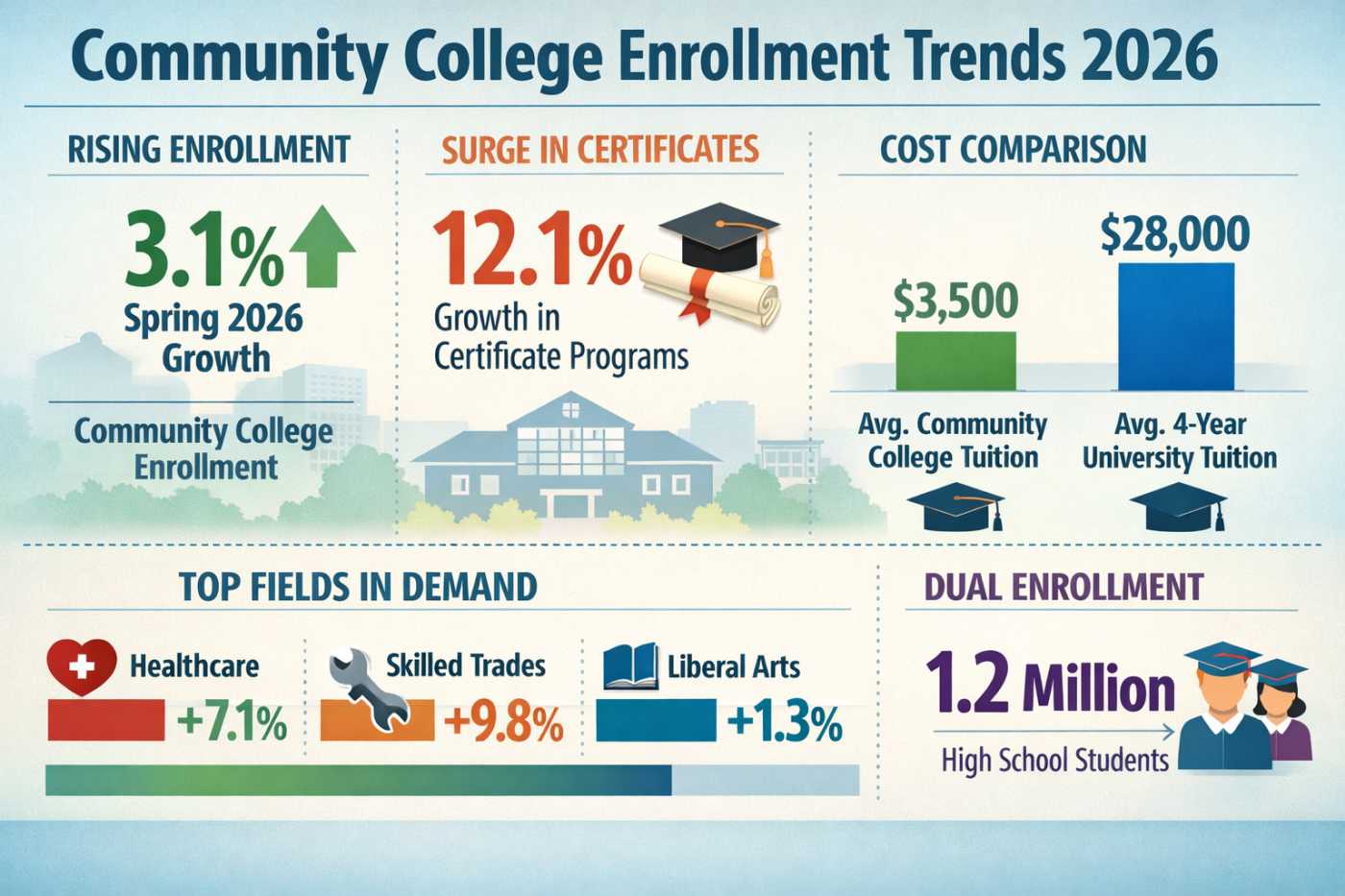
Community colleges in the United States are experiencing a resurgence in 2026, with enrollment climbing after years of decline, certificate programs posting double-digit growth, and tuition costs remaining a fraction of four-year institutions. This shift represents a recalibration of what 'return on investment' means in higher education.
Enrollment Trends: A Sector on the Rise
According to the National Student Clearinghouse Research Center, community college enrollment grew by 3.1% in spring 2026 compared to the previous year, outpacing the overall higher education sector’s 1.0% growth. Certificate programs saw the fastest expansion, increasing by 12.1% year-over-year, adding more than 82,000 students to reach 767,662 nationwide. Associate-degree programs also grew modestly, with a 1.5% increase, totaling nearly 4.2 million students. Dual enrollment programs, which allow high school students to earn college credits, surged by 11.4%, surpassing one million participants.
Cost Advantage: A Fraction of Four-Year Tuition
Tuition remains a defining factor in the appeal of community colleges. Average annual tuition at community colleges ranges between $3,000 and $6,000, compared to four-year universities where costs can exceed $25,000 at public institutions and approach $90,000 at elite private schools. As CollegeHelpGuide noted, families increasingly view community colleges not as a consolation prize but as a financially savvy first step, especially when paired with transfer pathways to four-year institutions.
High-Demand Fields Driving Growth
Community colleges are aligning their programs with labor market needs. Health professions programs grew by 7.1% in spring 2026, adding more than 53,000 students. Mechanical and repair technologies saw a 9.8% increase, while liberal arts and sciences programs, the largest share of community college majors, grew by 1.3%. By contrast, computer and information sciences programs declined by 11.2%, reflecting broader enrollment challenges in that field. “Students are continuing to see the community college as a viable pathway into that four-year degree,” said Matthew Holsapple, senior director of research at the NSC Research Center, during a June 2026 briefing.
Regional Momentum and Institutional Examples
Individual institutions are reporting record-breaking numbers. Wake Tech Community College in North Carolina welcomed more than 27,000 degree-seeking students in spring 2026, a 9% increase from the prior year. Johnston Community College posted a 12% increase, marking its seventh consecutive semester of double-digit growth. Northwest Arkansas Community College reached over 11,000 students, while Central Community College in Nebraska grew by 4.2%. At the state level, North Carolina’s community colleges collectively reached enrollment levels not seen since before the pandemic, growing at four times the national average.
Return on Investment: A Quiet Recalibration
The resurgence of community colleges signals a broader recalibration of higher education’s value proposition. The traditional narrative that equates prestige with return on investment is being challenged by pragmatic considerations: lower tuition, shorter time-to-credential, and direct pipelines into high-demand fields. Certificate programs, in particular, embody this recalibration, offering targeted skills that lead to immediate employment opportunities in industries such as healthcare, skilled trades, and advanced manufacturing.
For many students, the ROI of community college is not only financial but also strategic. By completing general education requirements affordably before transferring, students reduce debt burdens while maintaining access to bachelor’s degrees. For others, certificates and associate degrees provide sufficient credentials to enter stable, well-paying careers without incurring the costs of a four-year education.
Demographic Shifts and Accessibility
Community colleges are also expanding access for underrepresented groups. The NSC report highlighted significant enrollment growth among Hispanic, Black, and multiracial students at both undergraduate and graduate levels. This reflects the sector’s role as a gateway to higher education for diverse populations, particularly those balancing work, family, and financial constraints.
The Future of Community Colleges
As tuition at four-year institutions continues to rise, community colleges are positioned as a financially savvy choice rather than a fallback option. Their growth underscores a shift in how American families and students evaluate higher education investments. The quiet recalibration of ROI is reshaping the landscape: community colleges are no longer peripheral but central to the conversation about affordability, access, and workforce readiness in 2026.
If you have enjoyed reading, spread the word:

The Biggest IPO Year Ever: Can Markets Absorb It?
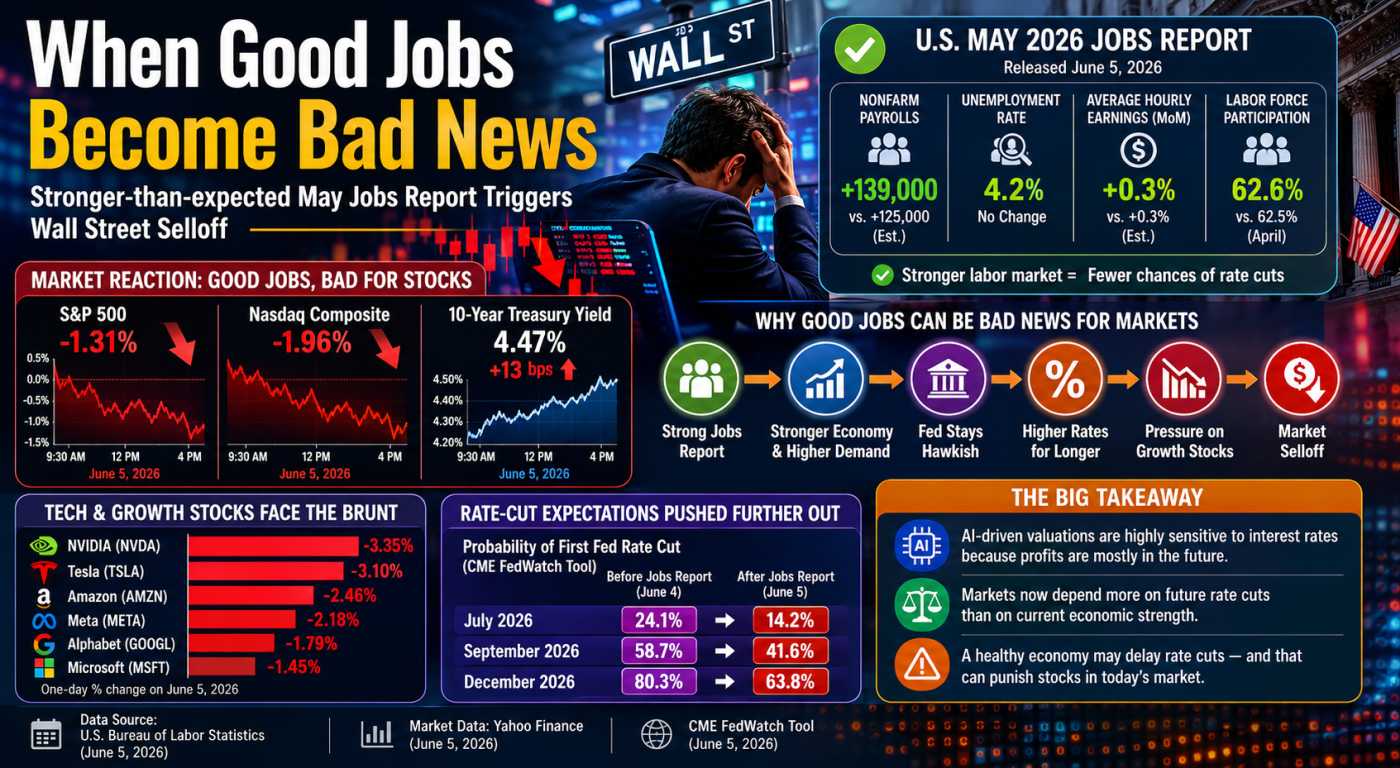
The Jobs Report That Crashed the Rally

The Fed Study Revealing Tomorrow's Investment Themes
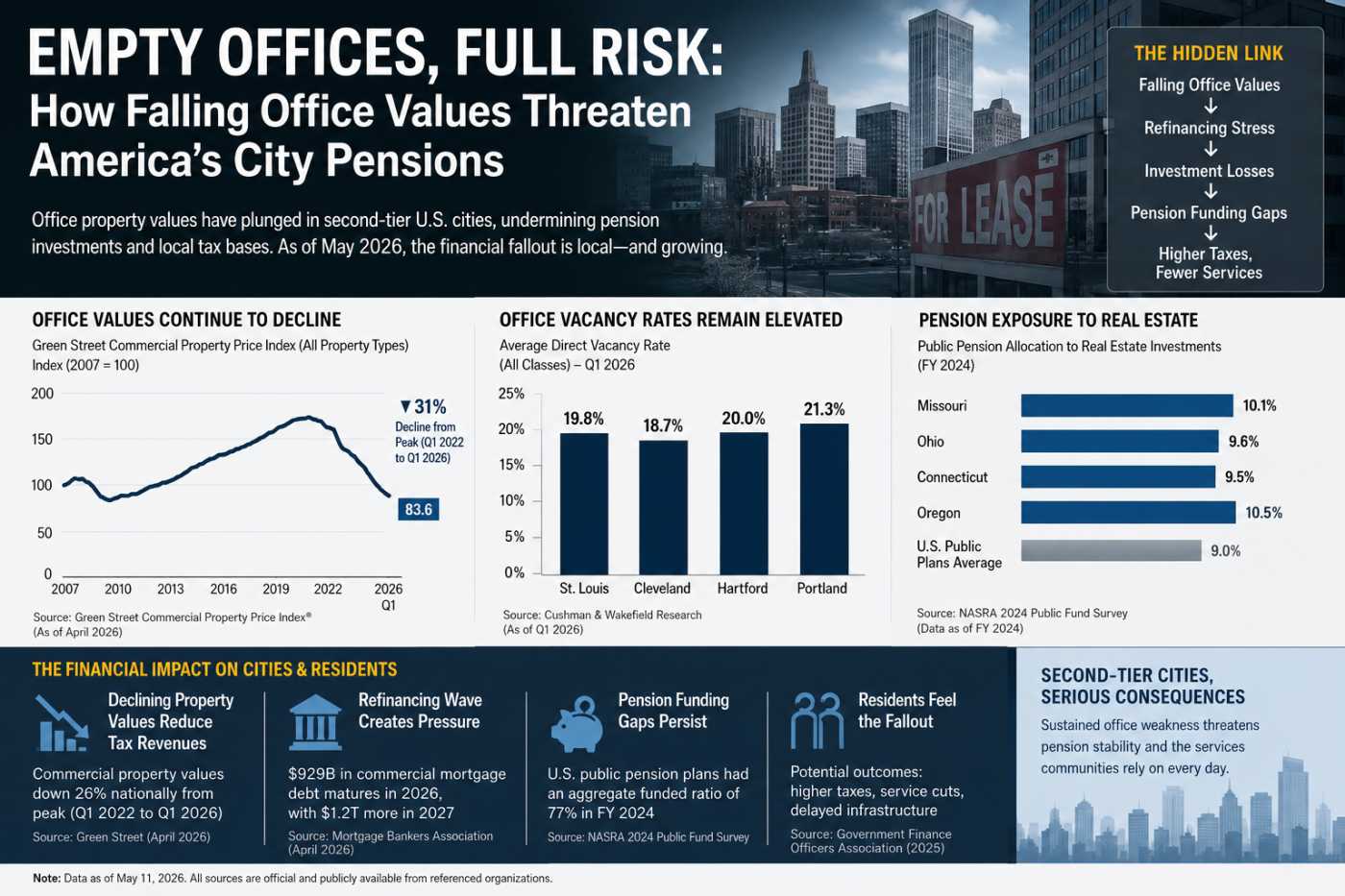
America’s Empty Offices Hit Pensions Hard