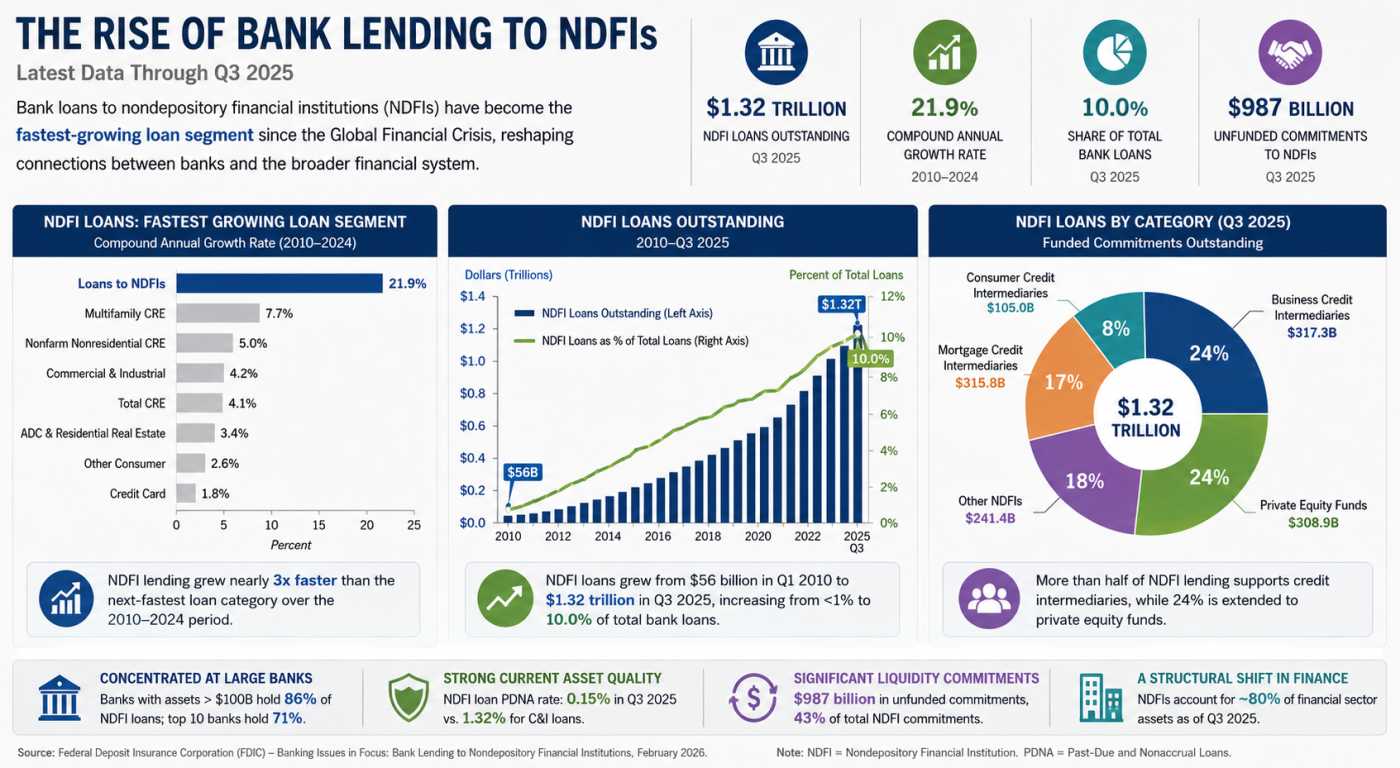
Good prospects:
Latest Regulatory Filings for SP5
Companies with the best and the worst fundamentals.
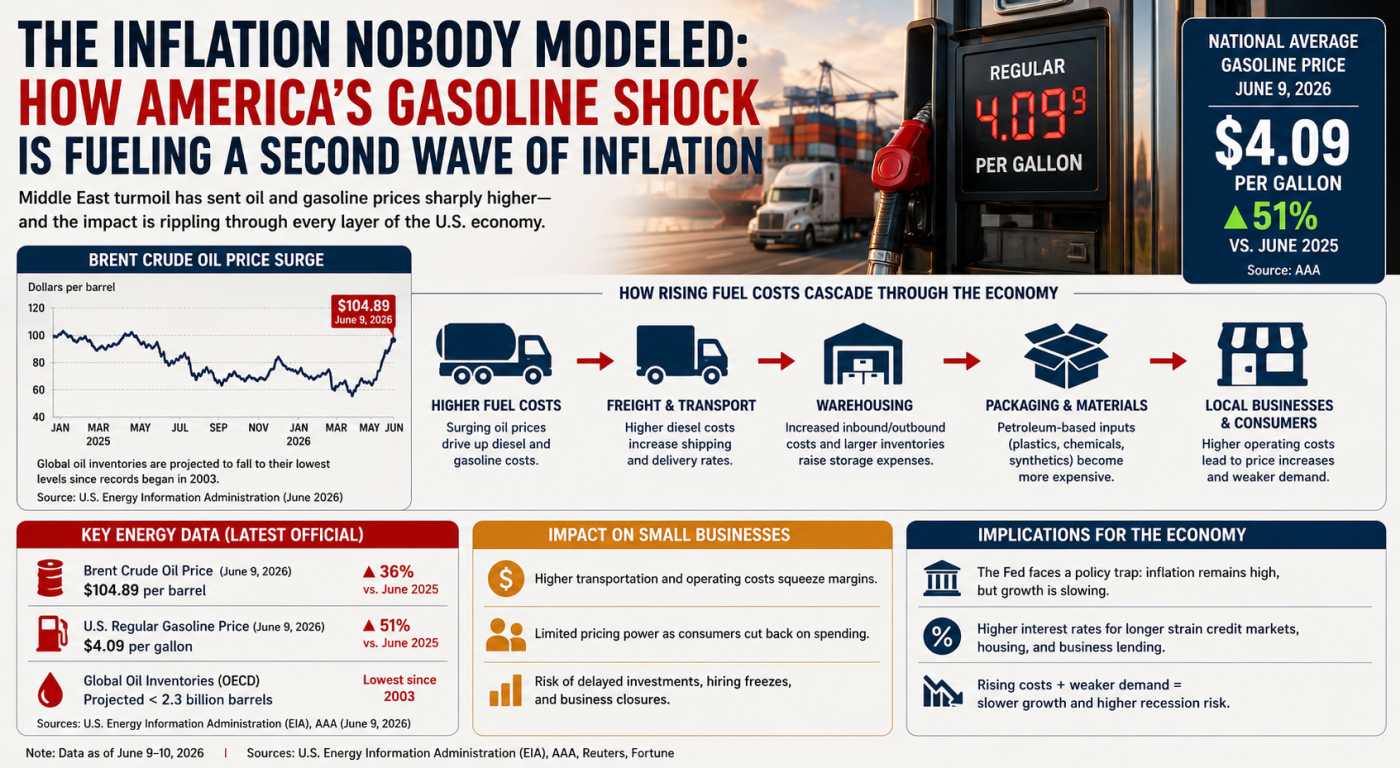
The Inflation Wave the Fed Can't Navigate
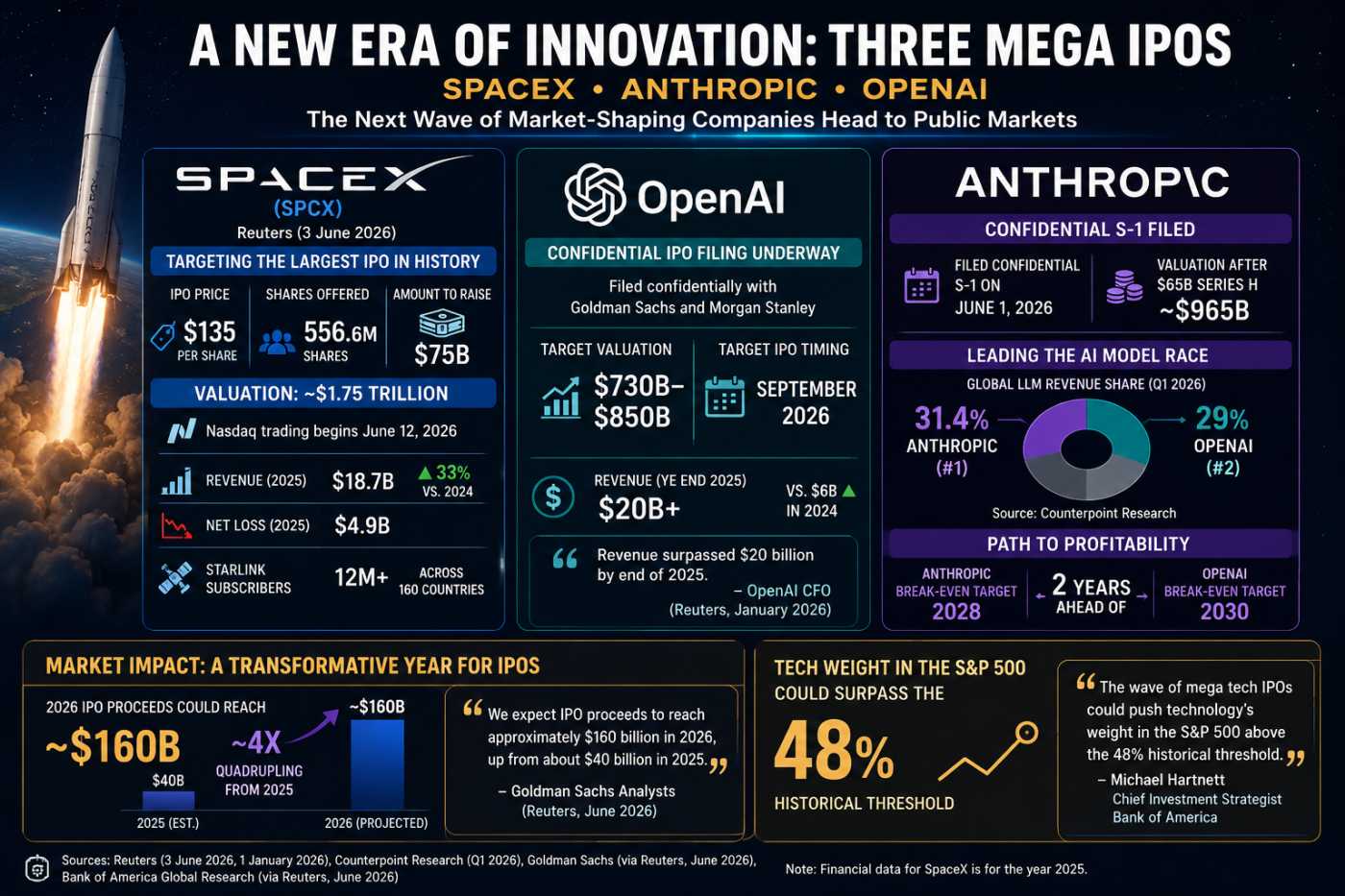
The Biggest IPO Year Ever: Can Markets Absorb It?
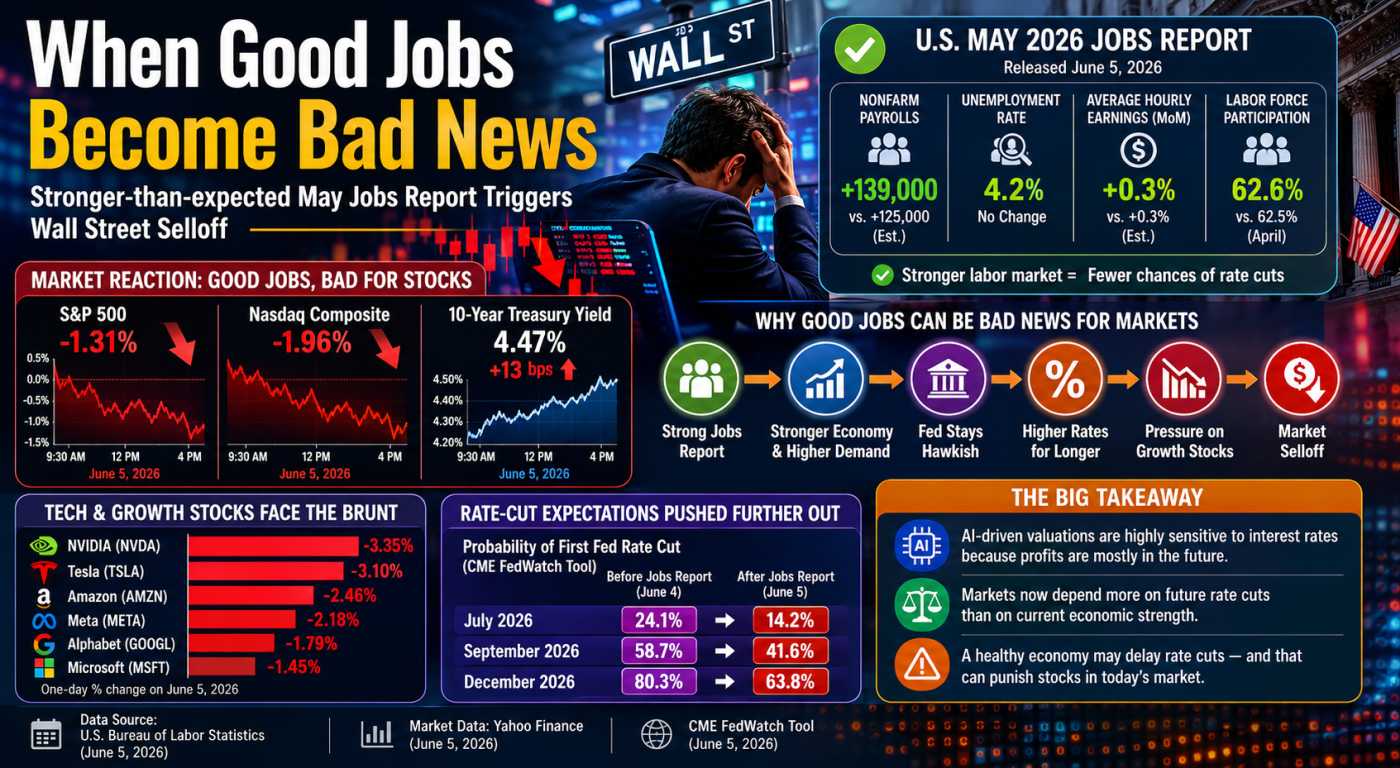
The Jobs Report That Crashed the Rally

The Fed Study Revealing Tomorrow's Investment Themes
America’s Empty Offices Hit Pensions Hard
How Workers Became Capitalists


The Ownership Revolution Happening in Plain Sight
For much of the past century, the dominant narrative of American capitalism has been straightforward: investors provide capital, executives manage businesses, and workers earn wages. Ownership and labor have largely occupied separate spheres.
That model is now facing a quiet but increasingly influential challenge.
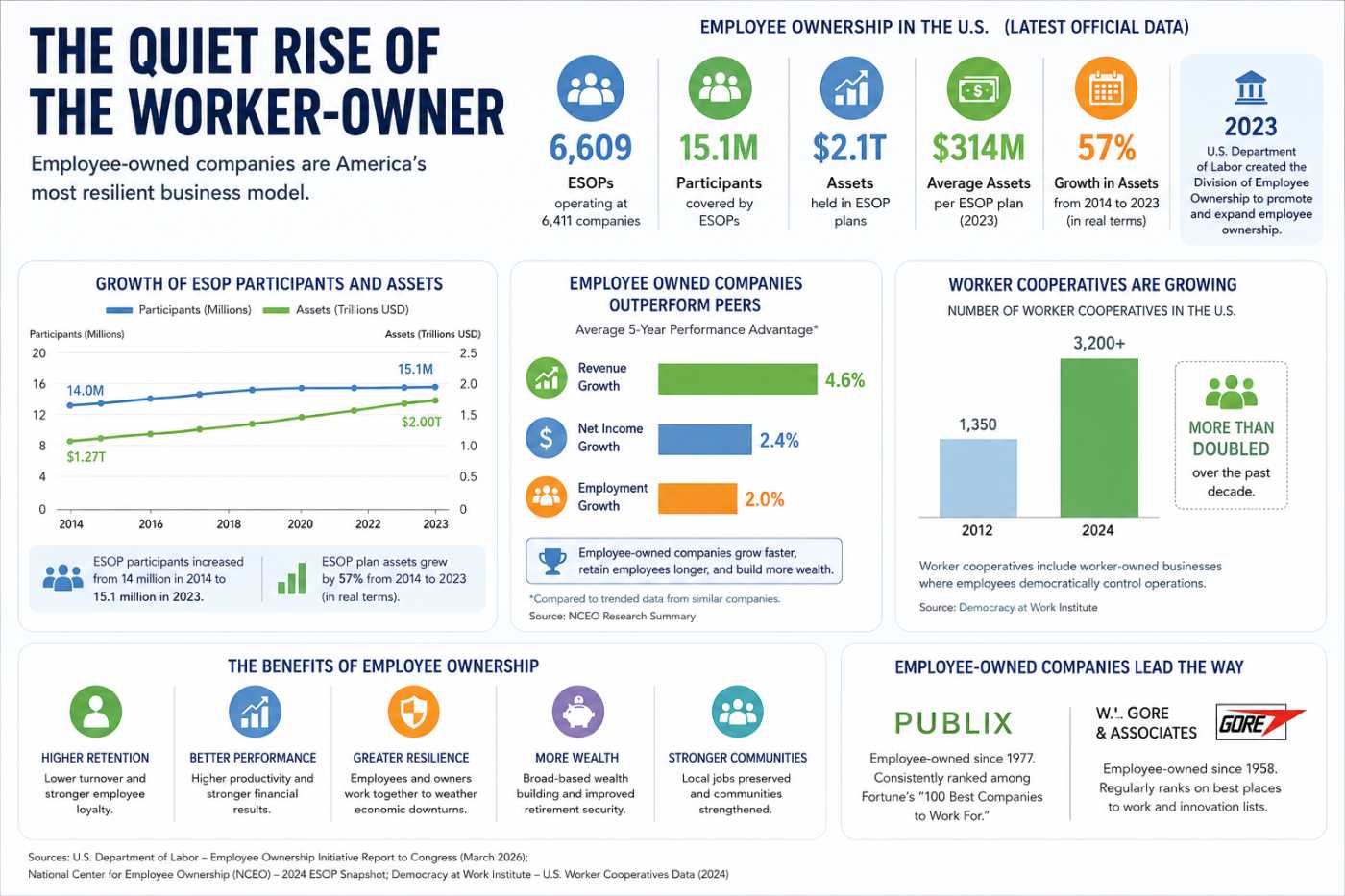
As of 2026, the National Center for Employee Ownership (NCEO) estimates that there are 6,609 Employee Stock Ownership Plans (ESOPs) operating at 6,411 companies across the United States, covering approximately 15.1 million participants and holding more than $2.1 trillion in assets. What was once viewed as a niche succession-planning strategy for privately held businesses has evolved into one of the largest forms of broad-based wealth ownership in the American economy.
The trend extends beyond ESOPs. Worker cooperatives have expanded significantly over the past decade, employee ownership trusts are gaining traction, and federal policymakers are devoting unprecedented attention to ownership-based business models. In 2023, the U.S. Department of Labor established a dedicated Division of Employee Ownership within its Employee Benefits Security Administration, and in early 2026 the agency delivered a major Employee Ownership Initiative report to Congress outlining the growth and impact of employee-owned businesses.
The development reflects a broader shift in thinking. Rather than treating workers solely as labor inputs, employee-owned companies give workers a direct financial stake in the outcomes they help create.
The results are attracting attention from economists, policymakers, investors, and business leaders alike.
From Fringe Idea to Multi-Trillion-Dollar Sector
The scale of employee ownership is frequently underestimated.
According to the Department of Labor's Employee Ownership Initiative Report to Congress, ESOP plans covered more than 15 million participants and held approximately $2 trillion in assets based on 2023 filings, the latest comprehensive federal data available. The report noted that total ESOP participants increased from 14 million in 2014 to 15.1 million in 2023, while plan assets grew by 57% over the same period. Average assets per plan rose from $197 million to $314 million. Source: U.S. Department of Labor Employee Ownership Initiative Report to Congress.
Those numbers place employee ownership firmly within the mainstream of American retirement and wealth-building systems.
The Department of Labor report observed that the number of ESOPs has grown from only a few hundred plans in the 1970s to more than 6,500 plans today. More importantly, the total value of assets and benefits flowing through these structures continues to expand even as ownership models evolve.
What is emerging is not simply an employee benefit. It is a substantial ownership class.
Why Employee-Owned Companies Often Outperform
The most intriguing question is not how many employee-owned companies exist. It is why they frequently outperform conventional peers.
Research conducted over several decades has consistently found positive relationships between broad-based employee ownership and business performance. The mechanisms behind that outperformance are remarkably practical.
Traditional corporations often struggle with what economists call the principal-agent problem. Shareholders want long-term value creation, managers may focus on quarterly targets, and employees can feel disconnected from both objectives.
Employee ownership partially aligns these incentives.
When workers share directly in company success, productivity gains, efficiency improvements, and customer satisfaction can translate into personal financial benefits. Employees become more likely to identify waste, improve processes, retain institutional knowledge, and support long-term investments.
The NCEO summarizes decades of academic research by noting that employee ownership is associated with higher household wealth, higher wages, greater retirement savings, and longer employee tenure. The strongest performance gains often occur when ownership is combined with participatory management practices that allow employees to influence operational decisions.
Ownership alone matters, but ownership combined with engagement appears particularly powerful.
The Resilience Advantage During Economic Downturns
One of the most compelling arguments for employee ownership emerges during economic stress.
Many traditional companies respond to downturns through layoffs. Employee-owned businesses often approach the challenge differently because workers and owners are frequently the same people.
Academic studies examining prior recessions have repeatedly found that employee-owned firms tend to preserve jobs more effectively than conventionally structured companies. The logic is straightforward. Employee-owners often have incentives to accept temporary adjustments, reduced hours, or operational changes that preserve long-term enterprise value.
Because employees participate in the upside, they may also be more willing to share short-term sacrifices during difficult periods.
This dynamic can produce greater organizational stability and lower turnover precisely when businesses face the greatest uncertainty.
The resilience factor has become increasingly relevant in an era marked by inflation shocks, supply-chain disruptions, geopolitical uncertainty, and rapid technological change.
The Companies That Keep Appearing on 'Best Places to Work' Lists
The success of employee ownership is not merely theoretical.
Some of America's most admired companies operate under employee-owned structures.
Among the most notable examples are Publix Super Markets, one of the largest employee-owned companies in the United States, and W.L. Gore & Associates, the maker of Gore-Tex. According to NCEO data, employee-owned companies and firms with broad-based ownership programs account for well over half of Fortune's annual '100 Best Companies to Work For' list in many years.
These organizations consistently achieve strong employee satisfaction scores while maintaining competitive business performance.
The explanation is not difficult to understand.
When employees perceive a direct connection between their efforts and their long-term financial outcomes, engagement often rises. Higher engagement can improve customer service, reduce turnover costs, and strengthen company culture.
Those advantages compound over time.
The Federal Government Is Paying Attention
One reason employee ownership is gaining momentum is growing institutional support.
The bipartisan Worker Ownership, Readiness, and Knowledge (WORK) Act, enacted through SECURE 2.0, directed the Department of Labor to promote employee ownership and report to Congress on its activities.
In response, the Department established the Division of Employee Ownership within the Employee Benefits Security Administration and expanded educational efforts surrounding employee ownership structures.
The Department's 2026 report described employee ownership as an important component of retirement security, business succession planning, and wealth creation. Federal policymakers increasingly view employee ownership as a mechanism that can simultaneously support entrepreneurship, retirement readiness, and local economic resilience.
Importantly, support for employee ownership has attracted interest across ideological lines.
Progressives often view employee ownership as a tool for reducing wealth inequality and increasing worker empowerment. Conservatives frequently support it as a market-based mechanism for broadening ownership without expanding government control.
That unusual bipartisan appeal helps explain why employee ownership initiatives continue advancing despite broader political polarization.
The Coming Succession Wave May Accelerate Adoption
One of the strongest growth drivers may have little to do with ideology.
America is experiencing a historic wave of business-owner retirements. Millions of Baby Boomer entrepreneurs will eventually need succession plans.
Many closely held businesses face difficult choices. Family succession is often unavailable. Strategic buyers may relocate operations. Private equity acquisitions can introduce uncertainty regarding jobs and local investment.
Employee ownership offers an alternative exit strategy.
Through an ESOP or employee ownership trust, founders can monetize their ownership while preserving company independence and maintaining continuity for employees.
This succession dynamic has become one of the most important drivers behind the growth of employee-owned businesses.
In many cases, employee ownership is not replacing traditional capitalism. It is becoming an increasingly practical way to preserve successful businesses through generational transitions.
Worker Cooperatives Are Growing Too
ESOPs represent the largest employee ownership category, but they are not the only model expanding.
Worker cooperatives, where employees directly own and govern the enterprise, have more than doubled in number over the past decade according to multiple employee ownership organizations and academic surveys.
Although cooperatives remain much smaller than the ESOP sector, their growth reflects broader interest in alternative ownership structures.
Technology platforms, local service businesses, food enterprises, and community-focused ventures increasingly view cooperative ownership as a way to align economic incentives with stakeholder interests.
The rise of employee ownership trusts, which have seen rapid adoption in the United Kingdom and growing interest in the United States, adds another dimension to the ownership landscape.
Rather than a single model dominating the future, a variety of ownership structures are emerging to meet different business needs.
Artificial Intelligence May Strengthen the Case for Ownership
The next major test for employee ownership may come from artificial intelligence.
As automation and AI reshape industries, questions about who captures productivity gains are becoming increasingly important.
Traditional corporate structures often direct those gains primarily toward shareholders and executives. Employee ownership creates mechanisms through which productivity improvements can be shared more broadly among workers.
This does not eliminate disruption. Jobs will still evolve, and some roles may disappear. However, ownership structures may help ensure that workers participate in the value created by technological transformation rather than merely absorbing its costs.
That possibility is attracting growing interest from policymakers and economists seeking ways to balance innovation with broad-based prosperity.
The Future of American Capitalism May Be More Shared
The rise of employee ownership does not signal the end of traditional corporations, public markets, or investor capitalism. Those institutions remain central to the American economy.
What employee ownership does suggest is that the boundaries between labor and capital are becoming less rigid.
Workers increasingly have opportunities to become owners. Owners increasingly recognize the strategic advantages of sharing ownership. Policymakers increasingly see employee ownership as a tool for strengthening economic resilience.
The most important development may be cultural rather than financial. Employee ownership challenges the assumption that value creation and value capture must occur in separate groups.
As more workers gain a stake in the businesses they help build, the distinction between employee and shareholder begins to blur. For millions of Americans, that shift is already underway. Quietly, steadily, and increasingly at scale, worker-owners are becoming one of the defining forces shaping the next chapter of American capitalism.
If you have enjoyed reading, spread the word:
Rural Hospitals Buckle Under Private Equity
Fake Brokers, Spoofed GPS: Who Pays for Cargo Crime?
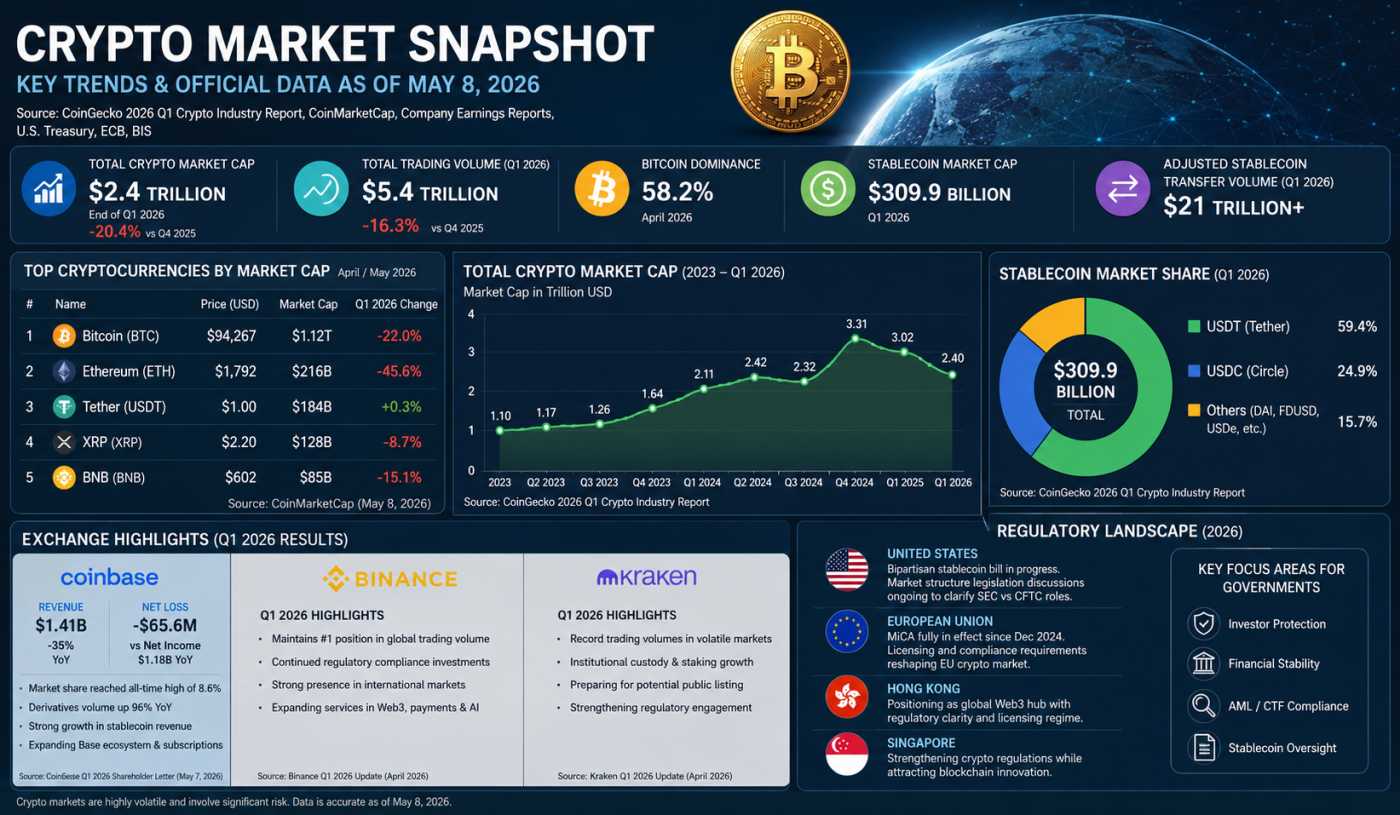
Crypto’s $2.4T Reality Check in 2026

The Machines That Ate the Grid: Five Centuries of Power Hunger