Fundamentals for Union Pacific Corporation
Union Pacific Corporation's positive gross and operating margins indicate strong financial performance. These margins show that the company is profitable and efficient in i...






Business Operations:
Sector: IndustrialsIndustry: Railroads
Union Pacific Corporation, through its subsidiary, Union Pacific Railroad Company, operates in the railroad business in the United States. It offers transportation services for grain and grain products, fertilizers, food and refrigerated products, and coal and renewables to grain processors, animal feeders, and ethanol and renewable biofuel producers; and construction products, industrial chemicals, plastics, forest products, specialized products, metals and ores, petroleum, liquid petroleum gases, soda ash, and sand, as well as finished automobiles, automotive parts, and merchandise in intermodal containers. The company was founded in 1862 and is headquartered in Omaha, Nebraska.
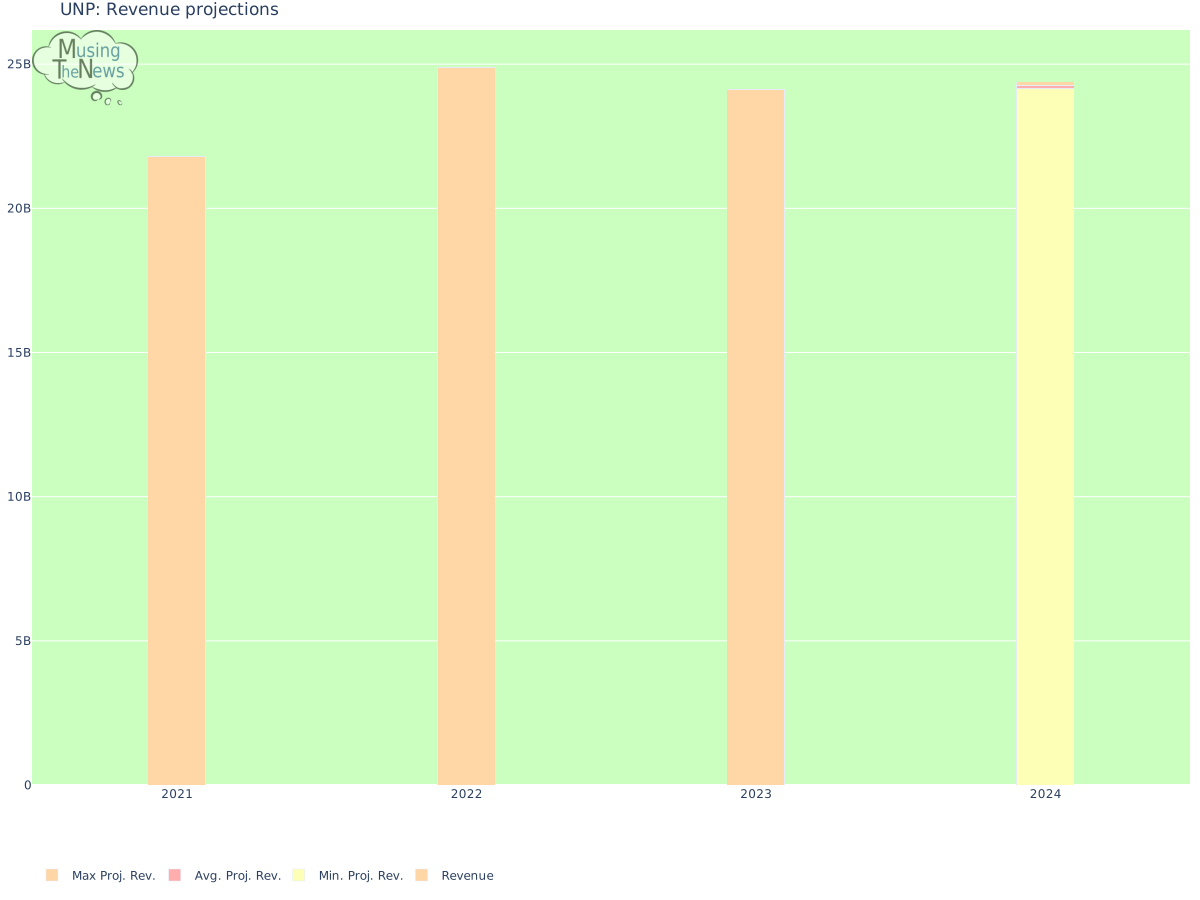
Revenue projections:
Financial Ratios:
| currentRatio | 0.986000 |
|---|---|
| forwardPE | 20.278822 |
| debtToEquity | 150.772000 |
| earningsGrowth | 0.066000 |
| revenueGrowth | 0.115000 |
| grossMargins | 0.562850 |
| operatingMargins | 0.409820 |
| trailingEps | 12.620000 |
| forwardEps | 14.237020 |
Union Pacific Corporation's Forward PE ratio is in a good range, reflecting a reasonable balance between stock price and earnings. The stock is not overpriced, leaving room for growth, which suggests potential for investors looking to capitalize on future value appreciation.
UNP's elevated debt-to-equity ratio highlights its heavy reliance on debt. This high leverage increases the company's exposure to financial risk, making it more vulnerable to market fluctuations and economic downturns.
Union Pacific Corporation's positive gross and operating margins indicate strong financial performance. These margins show that the company is profitable and efficient in its operations, with effective cost control contributing to its overall financial success.
UNP's forward EPS surpasses its trailing EPS, indicating that the company is expected to be more profitable in the current financial year. This reflects growing confidence in UNP's earnings potential, suggesting stronger financial performance compared to the previous year.
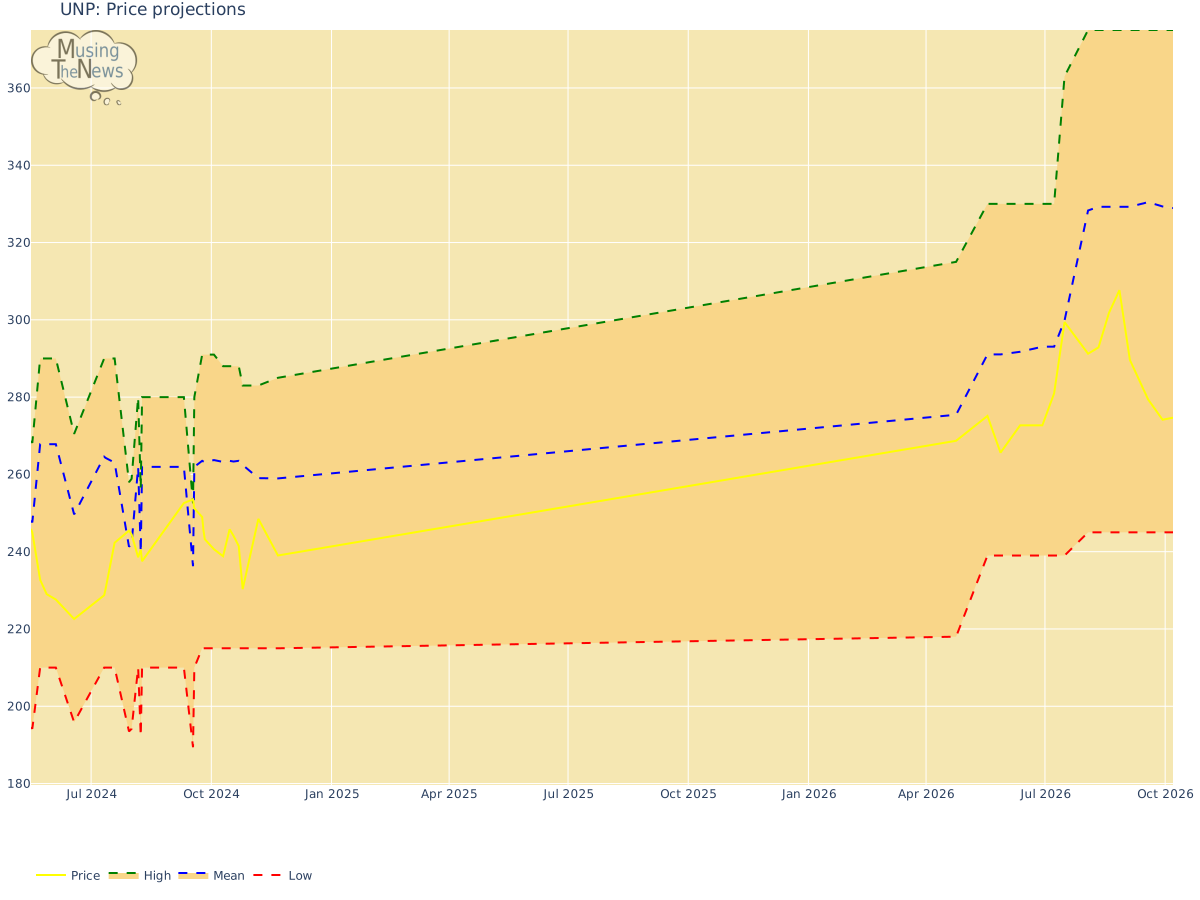
Price projections:
Insider Transactions:
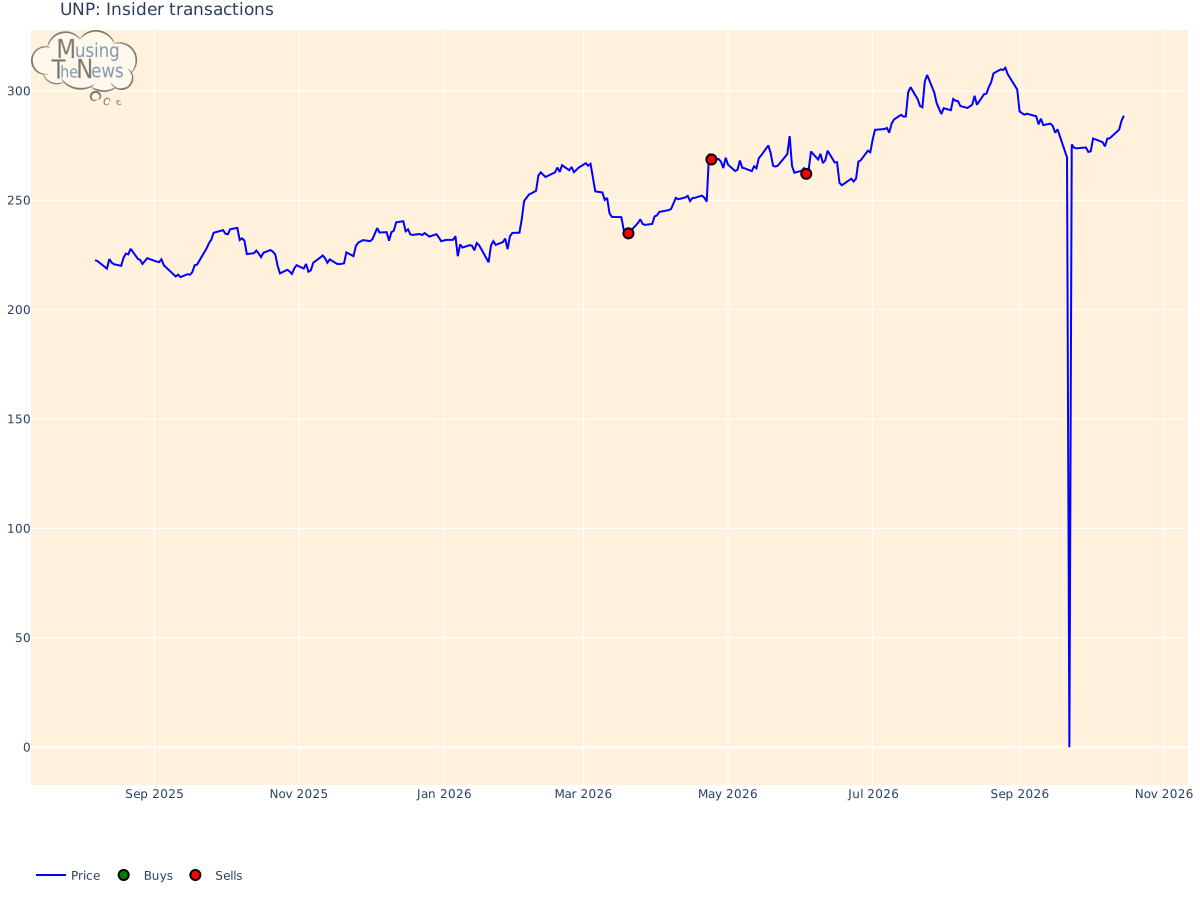
In recent market activity, 3 sales of UNP shares took place, with market price at 255.25000508626303.During the period under consideration, no sell transactions took place.More buys than sells have been occurring around the current price levels of Union Pacific Corporation, potentially signaling investor optimism. This buying trend might be interpreted as a sign of a favorable outlook for the stock's future performance.
Recommendation changes over time:
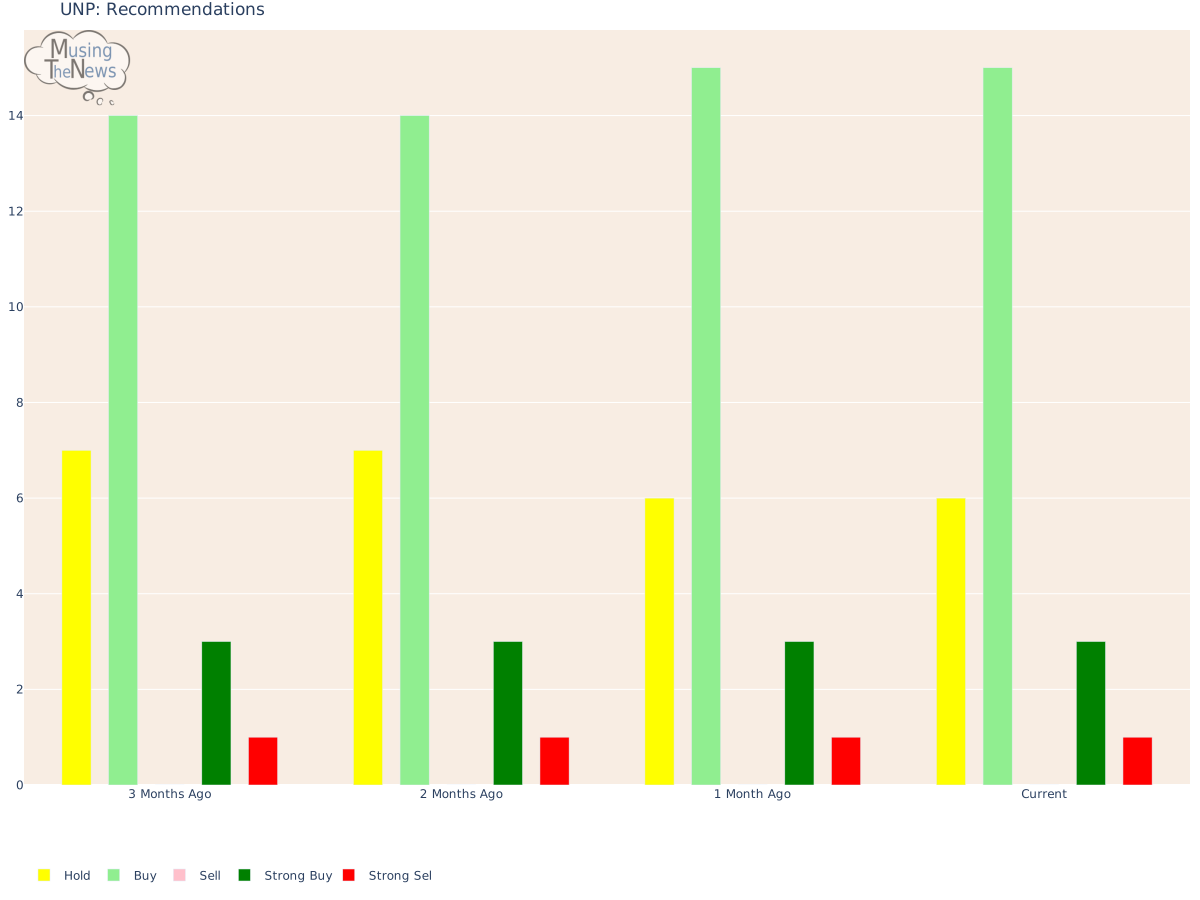
A recent buy bias from analysts toward UNP indicates strong confidence in the stock's future performance. This could encourage investors to park their money in UNP, viewing it as a stable and potentially rewarding investment opportunity with promising long-term growth prospects.