Fundamentals for Universal Health Services, Inc.
UHS's current ratio of 1.116 highlights the company's ability to easily cover its short-term debt using its available cash and assets. This indicates a strong liquidity pos...






Business Operations:
Sector: HealthcareIndustry: Medical Care Facilities
Universal Health Services, Inc., through its subsidiaries, owns and operates acute care hospitals, and outpatient and behavioral health care facilities in the United States. It operates through Acute Care Hospital Services and Behavioral Health Care Services segments. The company's hospitals offer general and specialty surgery, internal medicine, obstetrics, emergency room care, radiology, oncology, diagnostic and coronary care, pediatric, pharmacy, and/or behavioral health services. It also provides commercial health insurance services; capital resources; and various management services, including central purchasing, information services, finance and control systems, facilities planning, physician recruitment, administrative personnel management, marketing, and public relations services. Universal Health Services, Inc. was founded in 1978 and is headquartered in King of Prussia, Pennsylvania.
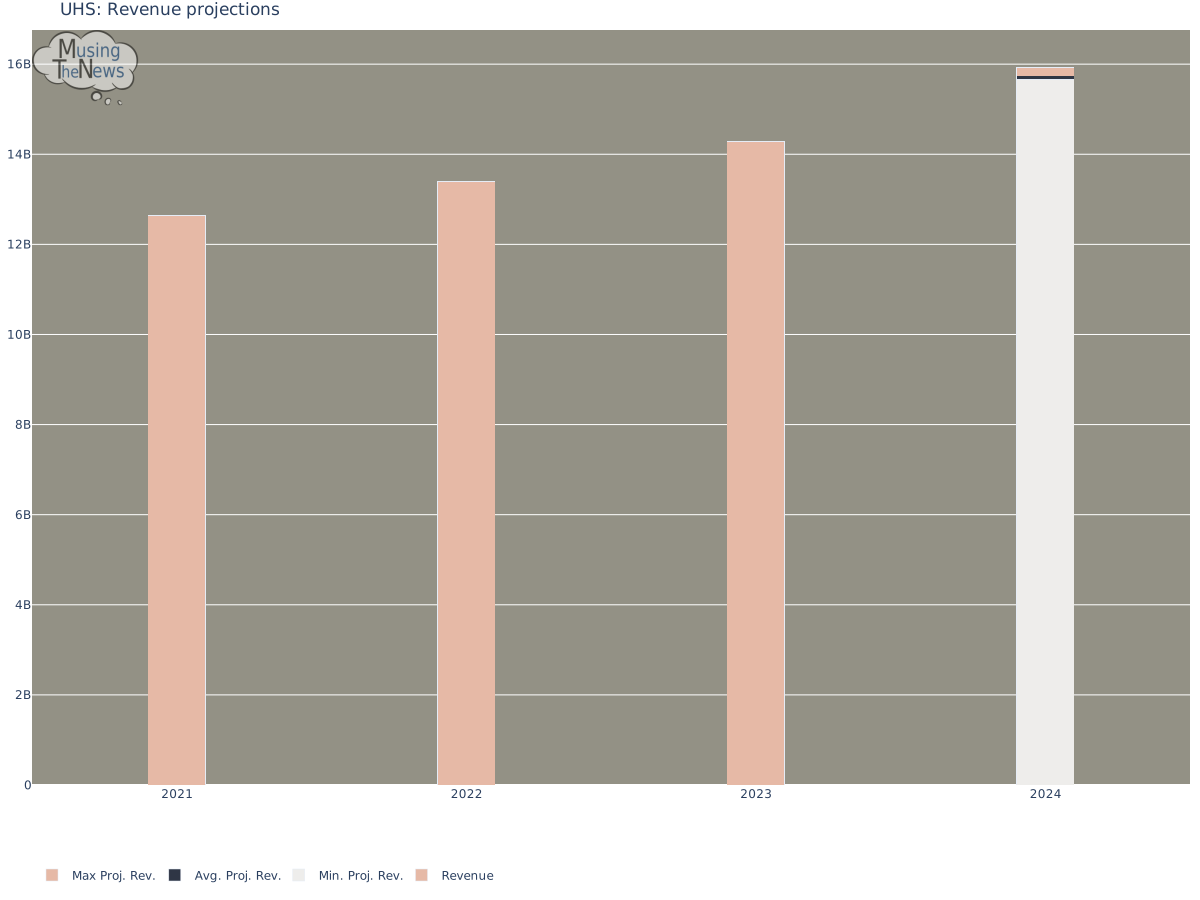
Revenue projections:
Financial Ratios:
| currentRatio | 1.116000 |
|---|---|
| forwardPE | 7.839832 |
| debtToEquity | 68.740000 |
| earningsGrowth | 0.101000 |
| revenueGrowth | 0.083000 |
| grossMargins | 0.446070 |
| operatingMargins | 0.111400 |
| trailingEps | 24.320000 |
| forwardEps | 23.898470 |
UHS's current ratio of 1.116 highlights the company's ability to easily cover its short-term debt using its available cash and assets. This indicates a strong liquidity position, ensuring UHS is unlikely to face difficulties in meeting immediate financial obligations.
UHS's lower forward EPS compared to trailing EPS suggests the company will likely experience reduced earnings in the current year. This may signal a less optimistic financial outlook.
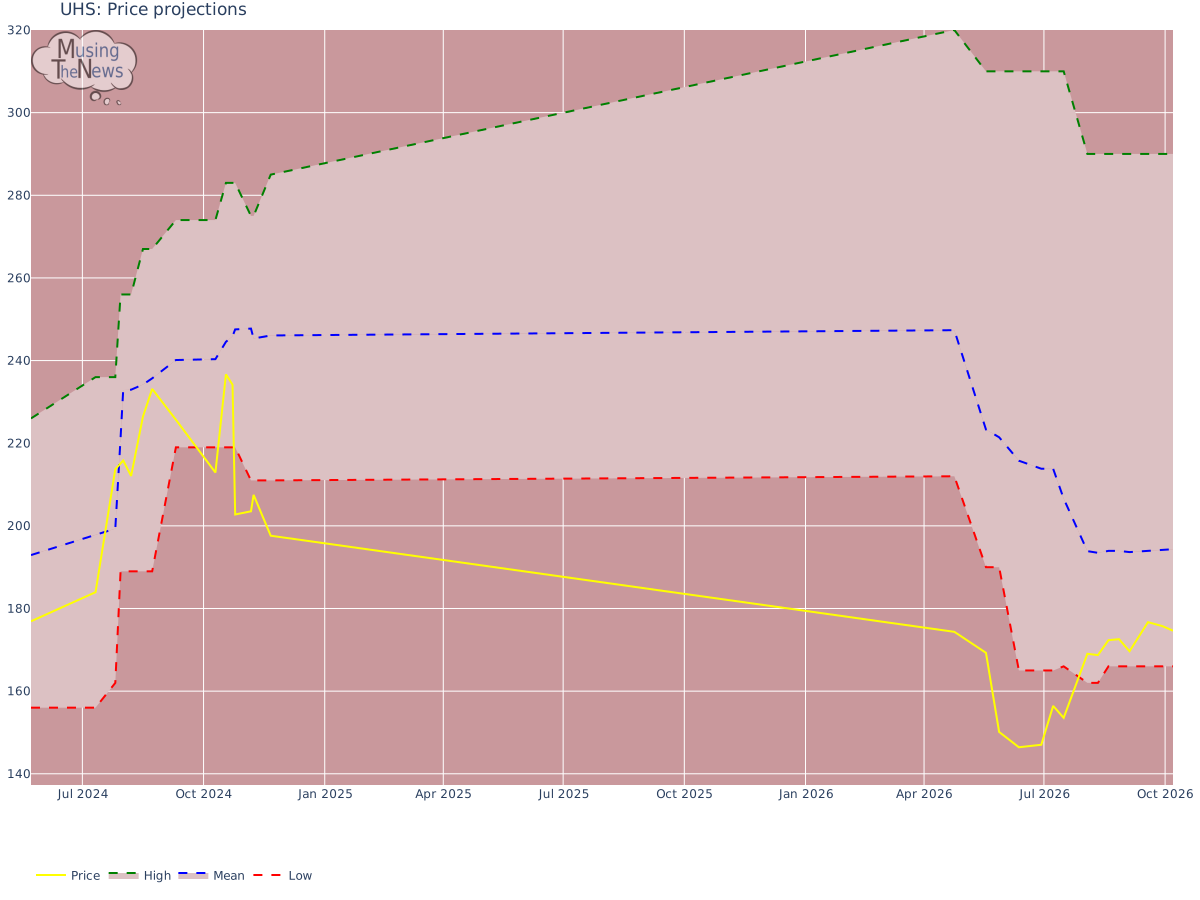
Price projections:
Insider Transactions:
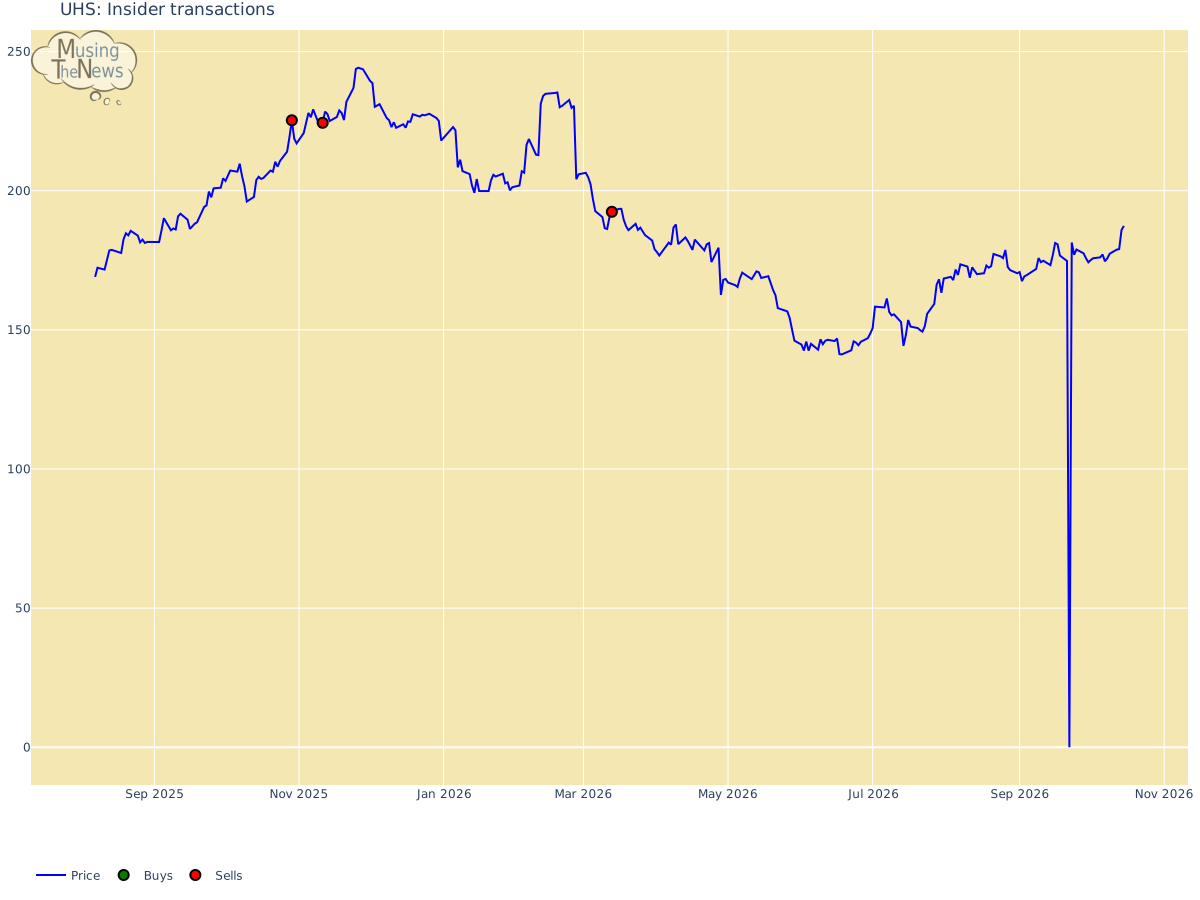
In recent market activity, 3 sales of UHS shares took place, with market price at 214.0433349609375.There were no sell transactions during the given period.Investors have been purchasing Universal Health Services, Inc. more than selling it at current price levels, which may reflect optimism. This pattern suggests that the market expects favorable outcomes for the stock, leading to increased buying interest.
Recommendation changes over time:
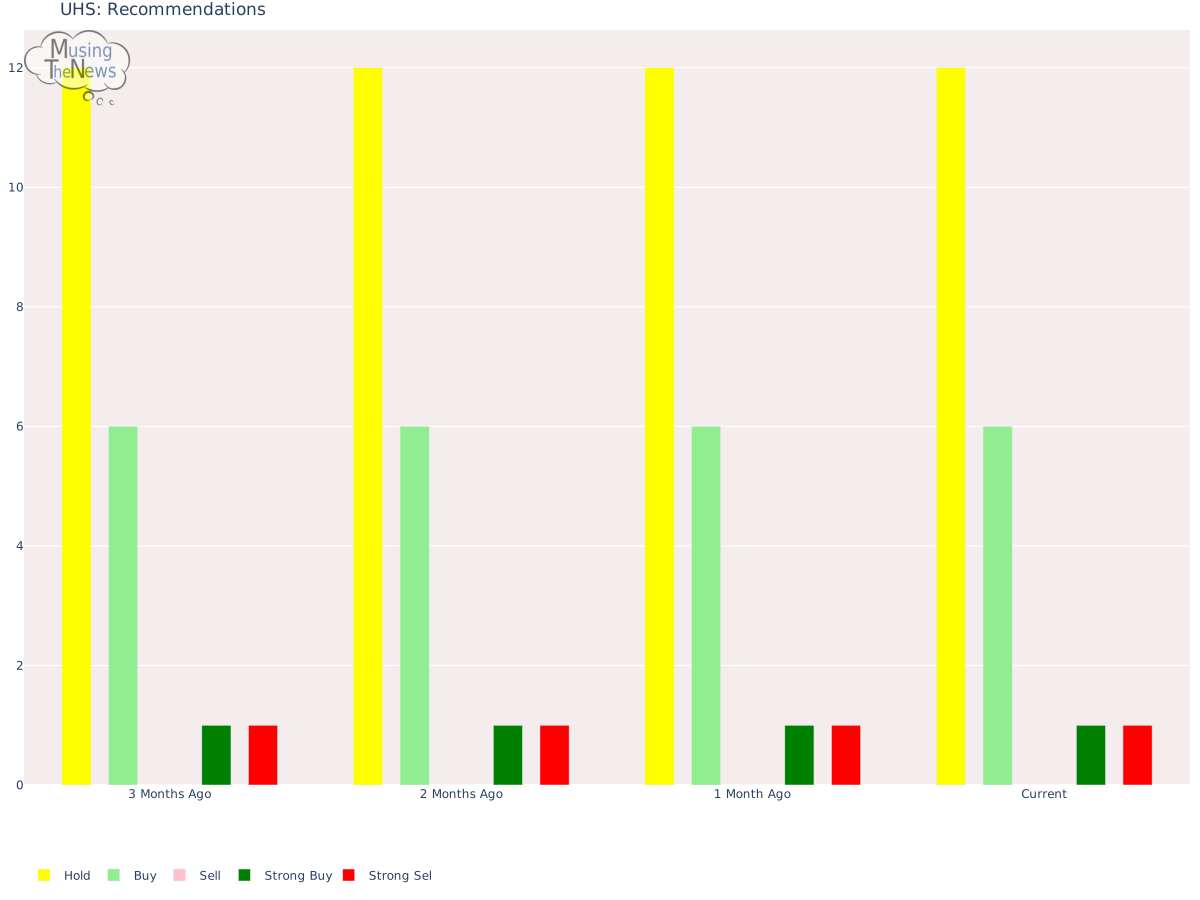
The analysts' recent buy bias for Universal Health Services, Inc. indicates strong confidence in the stock's future performance. This could encourage more investors to view Universal Health Services, Inc. as a worthwhile investment, positioning the company as a top choice for those seeking financial security and long-term growth opportunities.