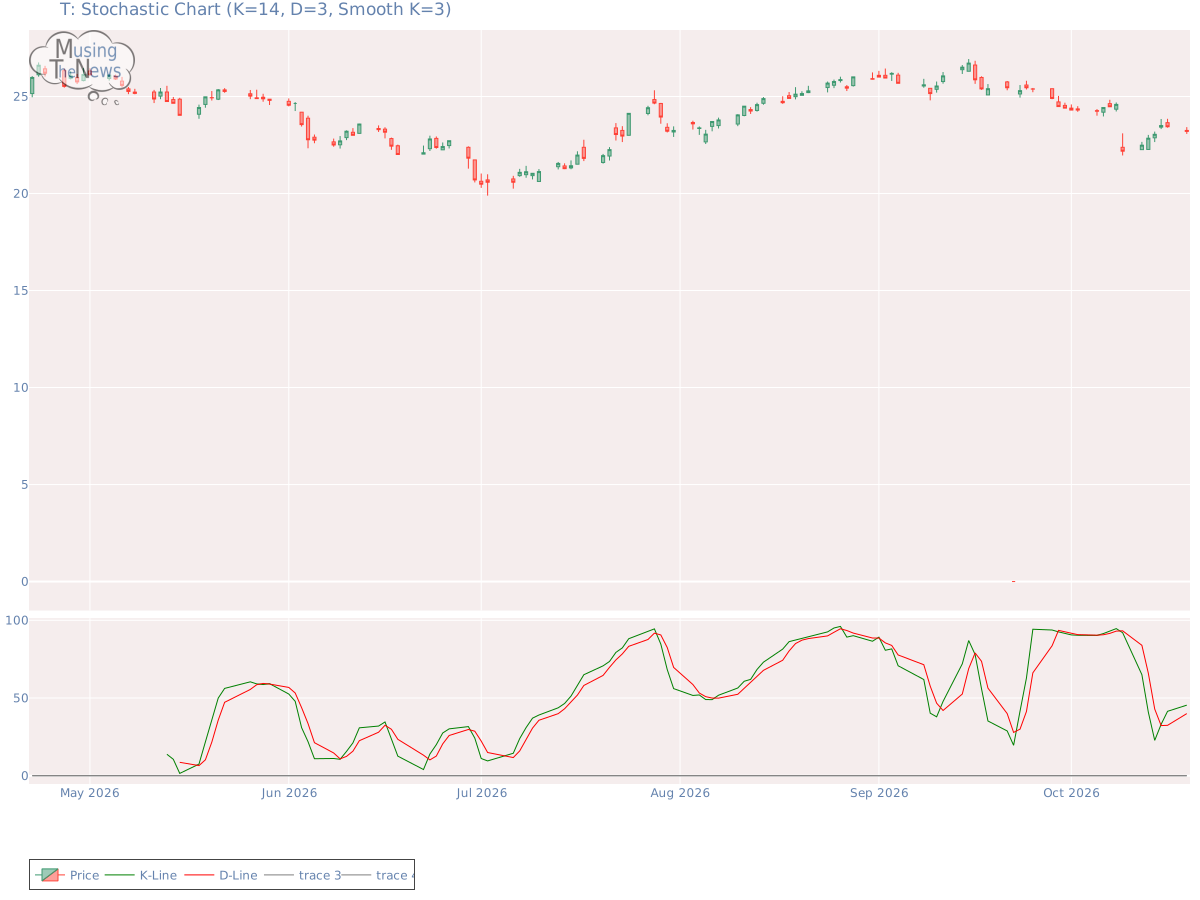
The STOCHASTIC is showing a neutral stance, with no definitive indication of an upward or downward trend for T. This neutral position suggests a period of indecision in the...
By MusingTheNews
Updated 2026-10-20 23:24:50
Overall Technical outlook
Price Summary
On 2026-10-19, AT&T Inc.'s stock began at 23.25, peaked at 23.42, declined to 23.07, and ended the day -0.22% down at 23.2, with 31697300 shares traded. During the 52-week span, the stock hit a high of 28.8 and a low of 0.0.
Technicals
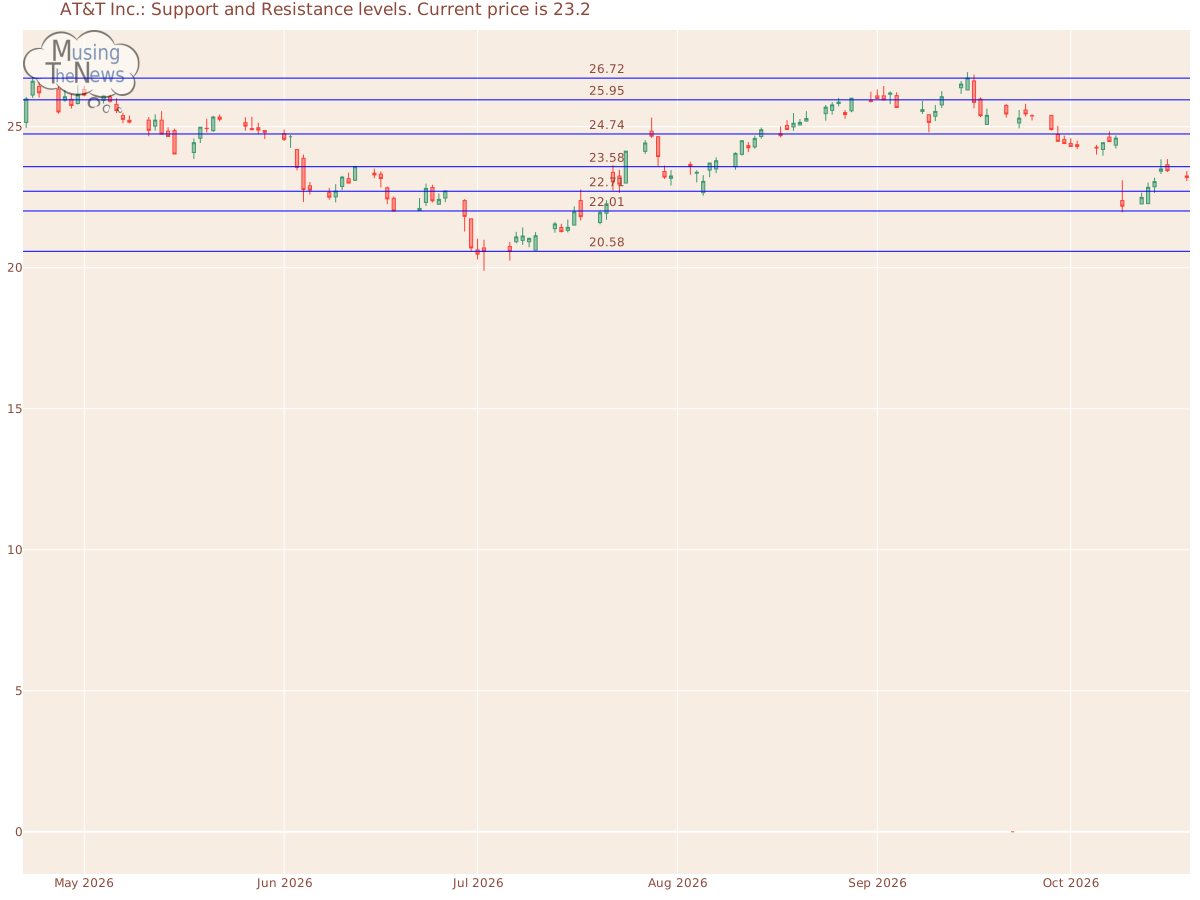
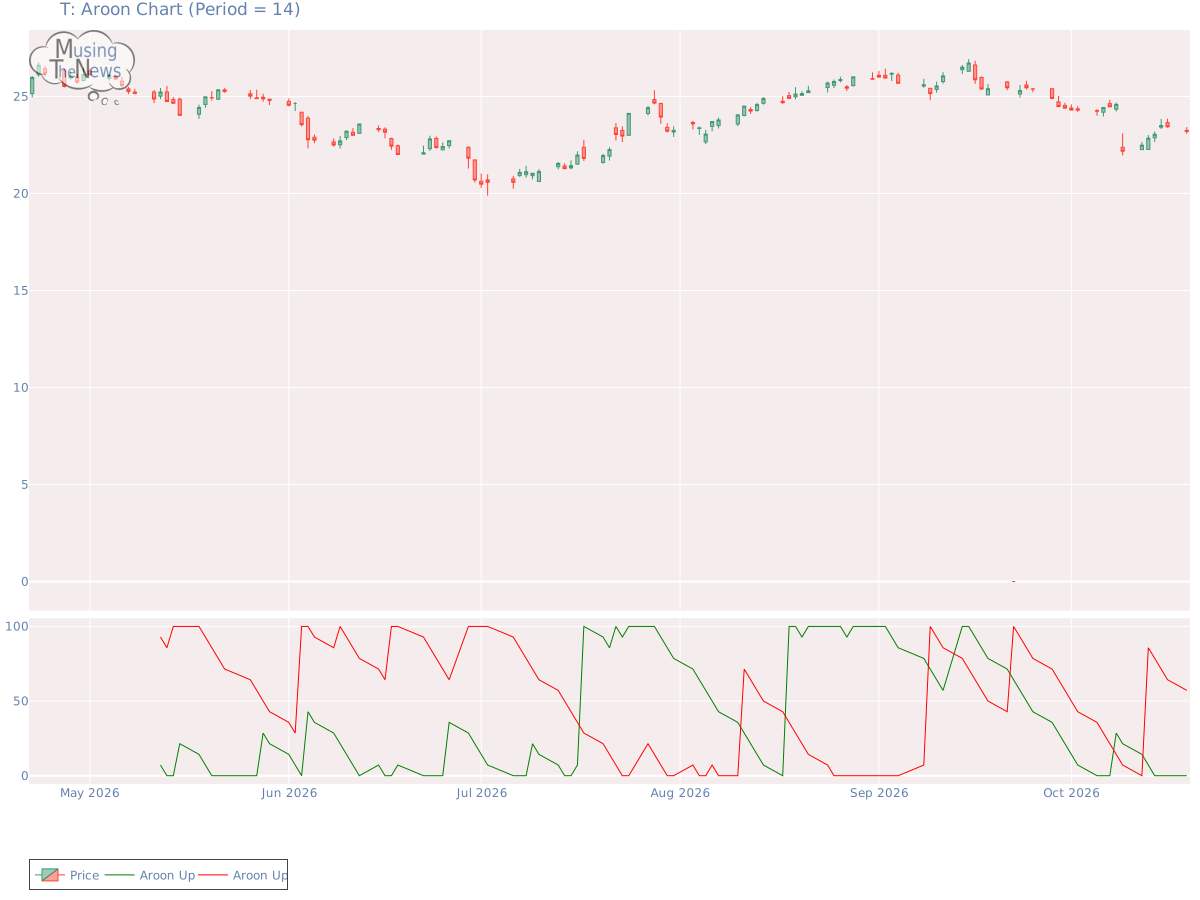
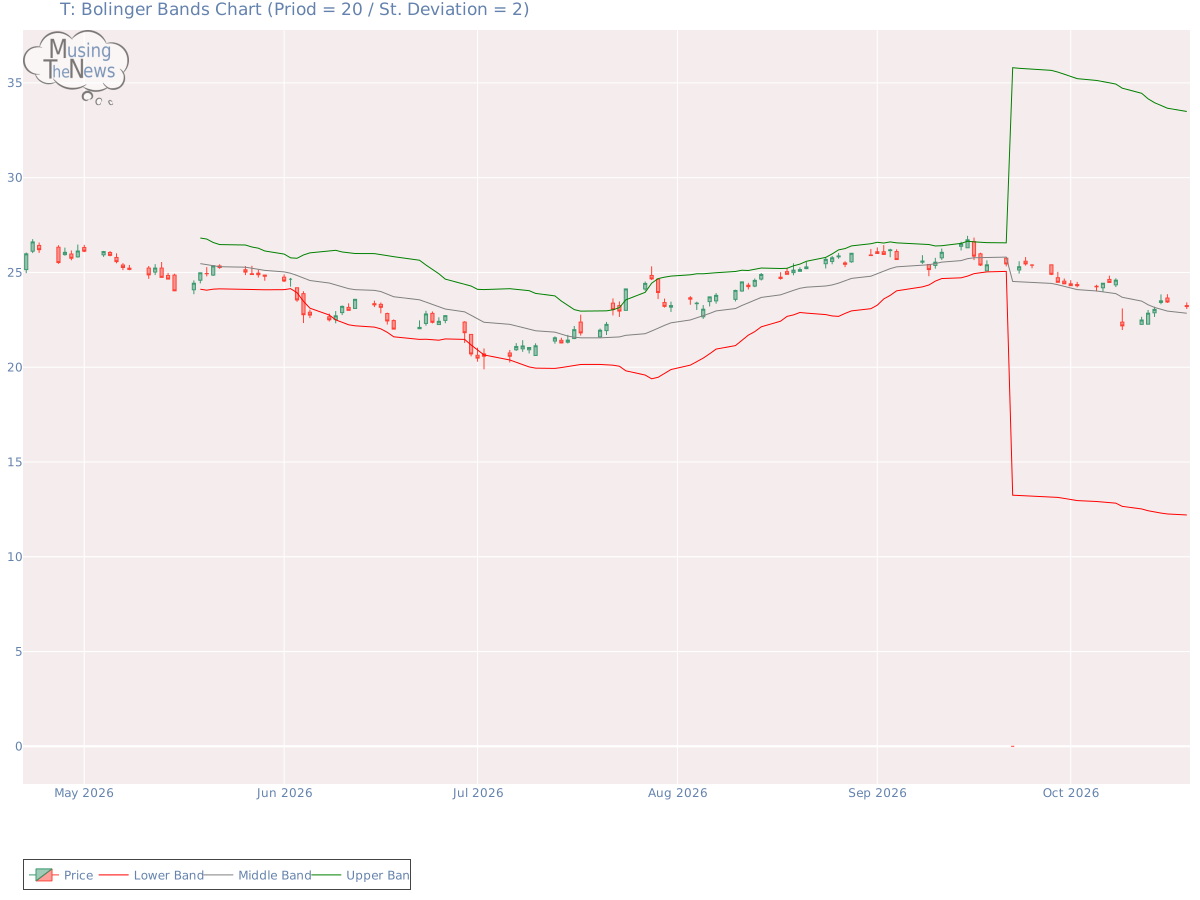
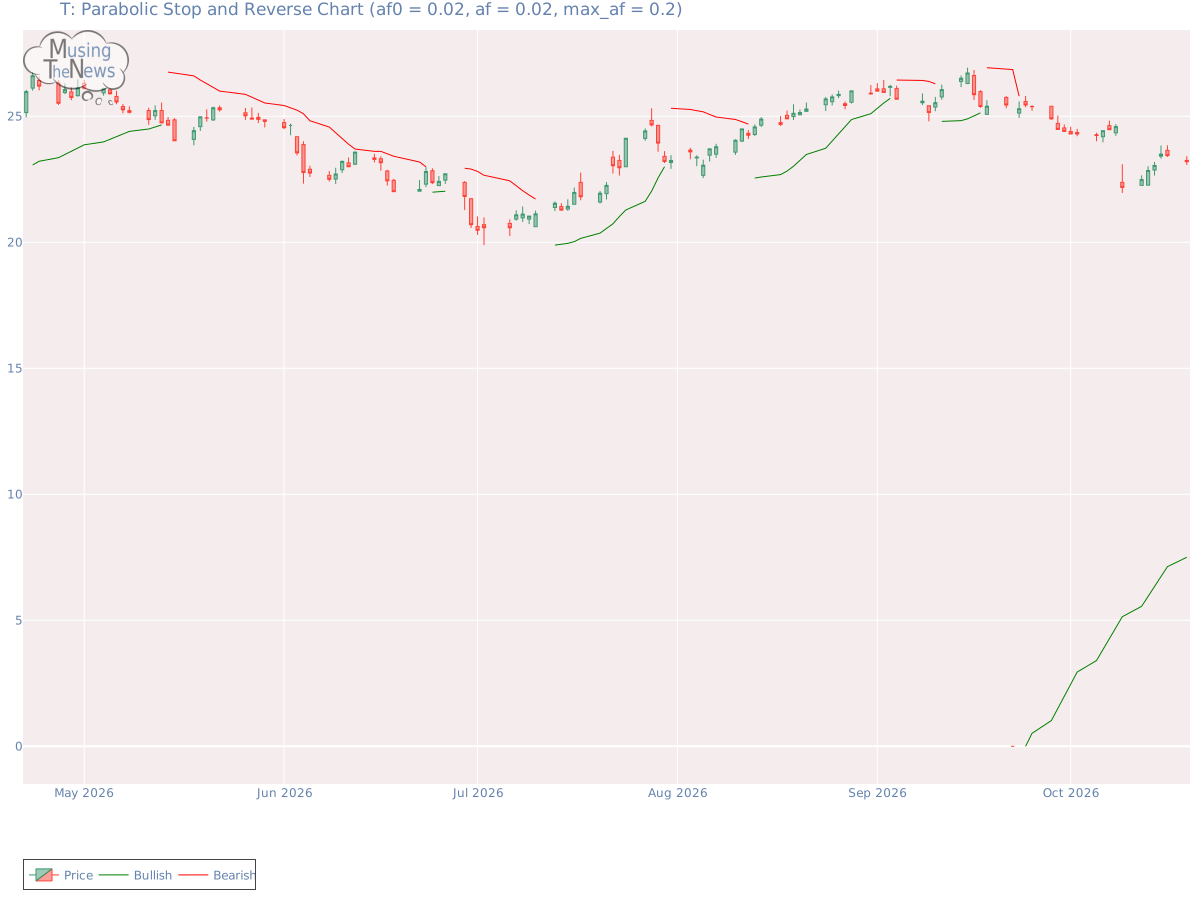
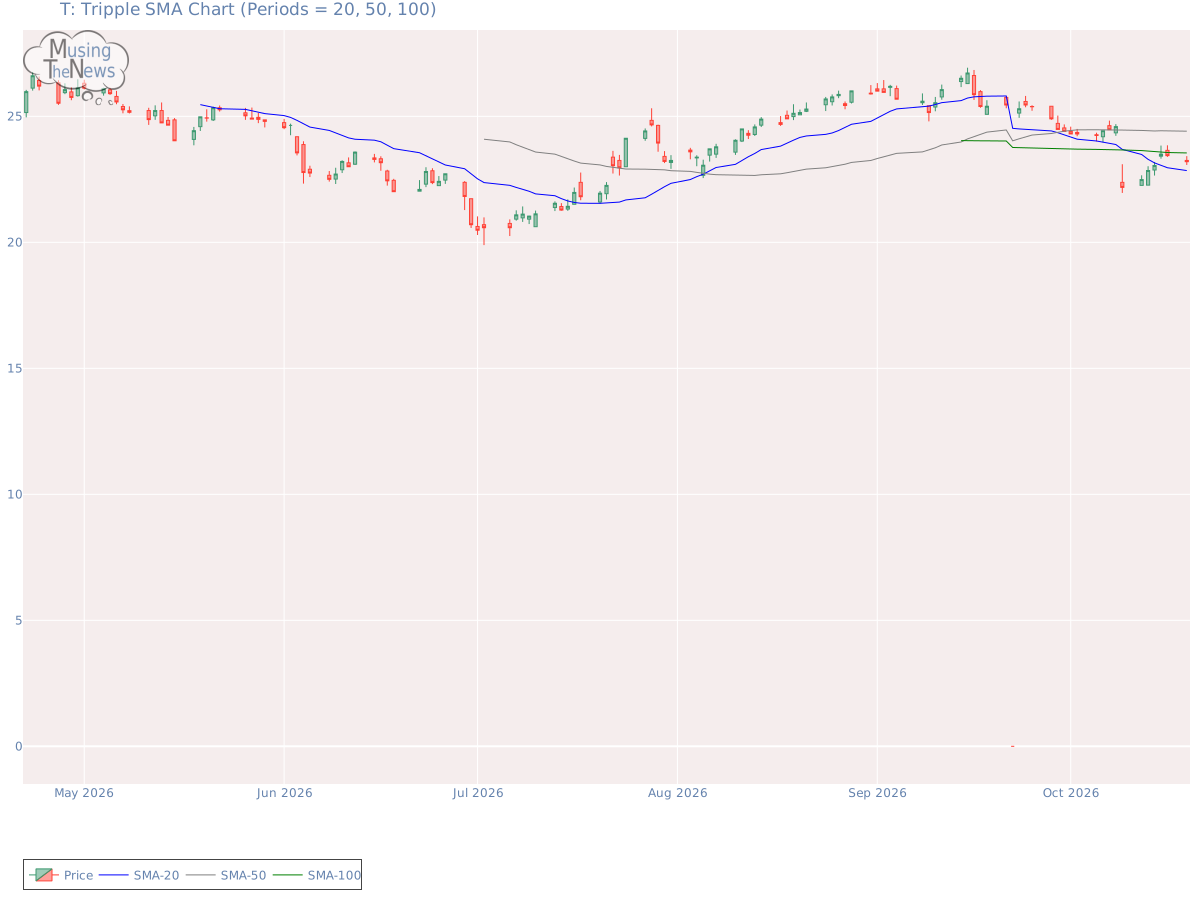
Support and Resistance: The price of 23.2 is supported at 22.71 and encounters resistance at 23.58. This suggests key levels where the price might find stability, with 22.71 providing a base and 23.58 acting as an upper boundary for T.Support/Resistance for TAroon: The current state of the AROON is neutral, with no clear trend direction indicated. This lack of directional bias suggests that the market may be in a phase of consolidation or uncertainty.Aroon chart for AT&T Inc.Bol. Bands: The current reading of the BOLL BANDS is neutral for T, with no clear signals for an upward or downward trend. This indicates that the market may be in a state of uncertainty, with no dominant force driving the direction.Bolinger Bands chart for AT&T Inc.Parabolic SAR: The PSAR remains bullish in its outlook, setting a key support level that could sustain the ongoing upward trend. This strong support indicates that the market may continue to rise, with the bullish momentum likely to persist for T.Parabolic Stop and Reverse chart for AT&T Inc.Stochastic: The STOCHASTIC is showing a neutral stance, with no definitive indication of an upward or downward trend for T. This neutral position suggests a period of indecision in the market, making it difficult to predict the next move.Stochastic chart for AT&T Inc.Tripple Moving Agerage: The Tripple MOVING AVG is in a neutral stance for T, not indicating a clear upward or downward trend. This suggests a period of market indecision, where neither bulls nor bears have the upper hand.Tripple SMA chart for AT&T Inc. A comprehensive approach to analyzing a company requires considering both its technical and fundamental aspects. The company's fundamentals, such as its earnings, growth prospects, and financial health, provide a strong foundation for understanding technical indicators. Additionally, examining the industry it operates in helps contextualize the company's position within the broader market. By integrating these factors, one can gain more valuable insights into the company's stock performance and potential investment opportunities.