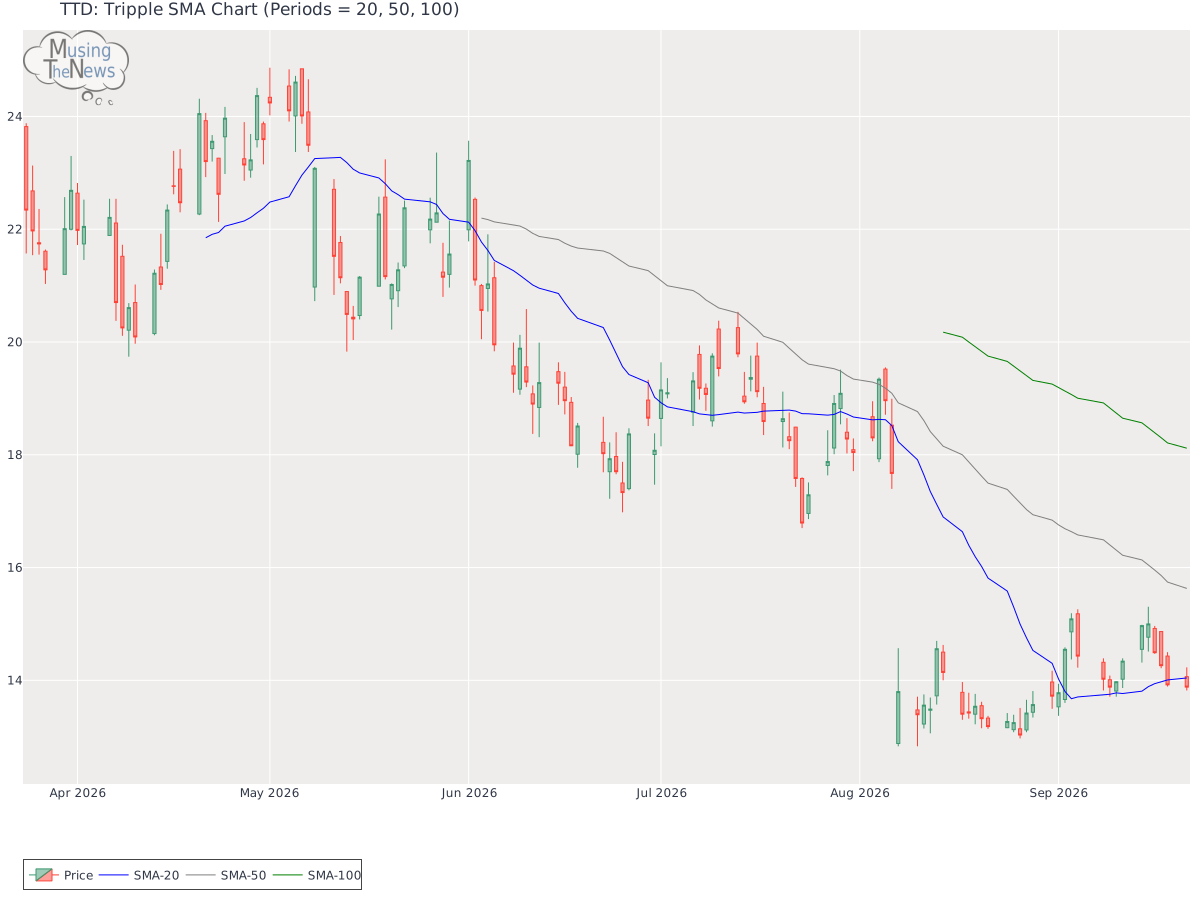
The current state of the Tripple MOVING AVG is neutral, providing no clear signals for either an upward or downward movement. This indicates that the market may be in a sta...
By MusingTheNews
Updated 2026-09-23 02:47:48
Overall Technical outlook
Price Summary
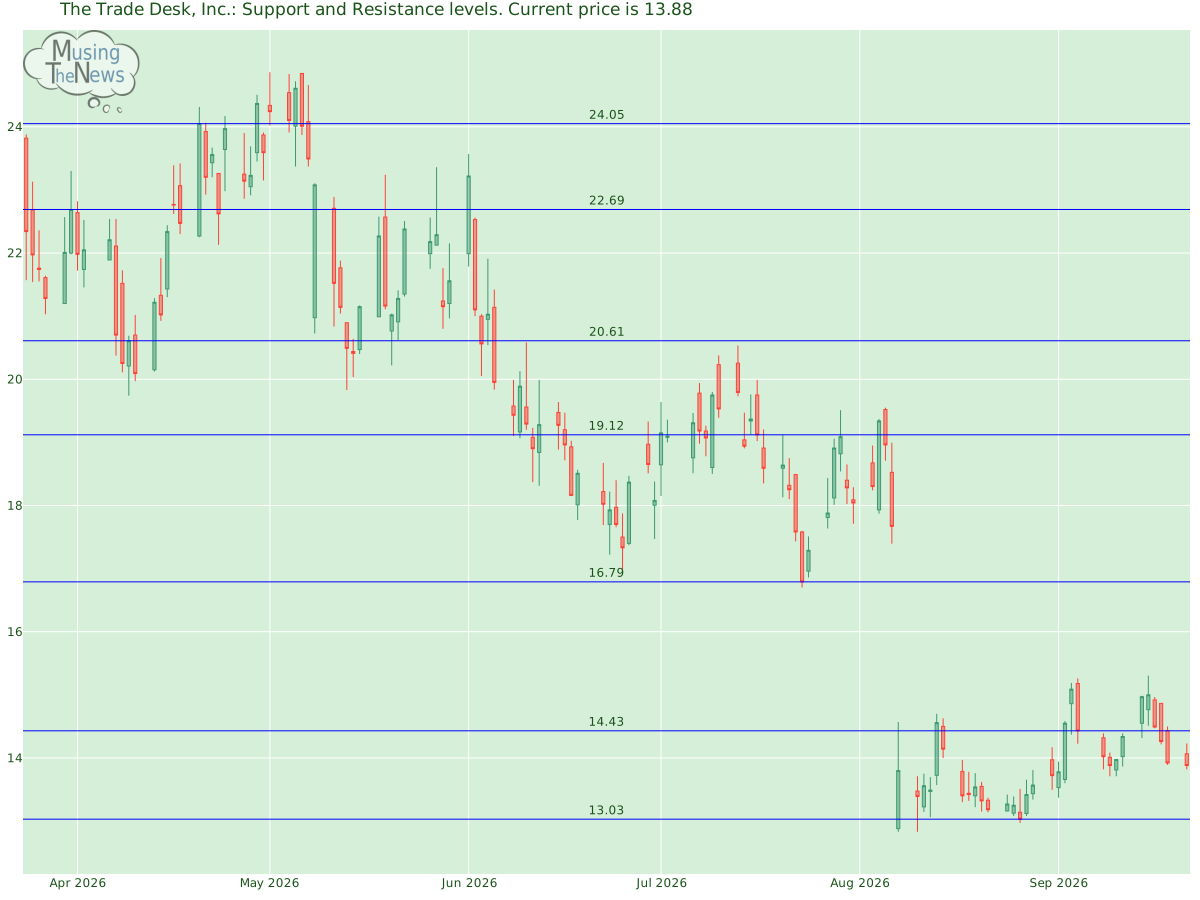
On 2026-09-21, TTD's stock opened at 14.06, reached a peak of 14.23, dropped to 13.82, and ended -1.32% down at 13.88, with a volume of 21846200 shares. In the past year, the highest stock price was 54.13, and the lowest was 13.03.
Technicals
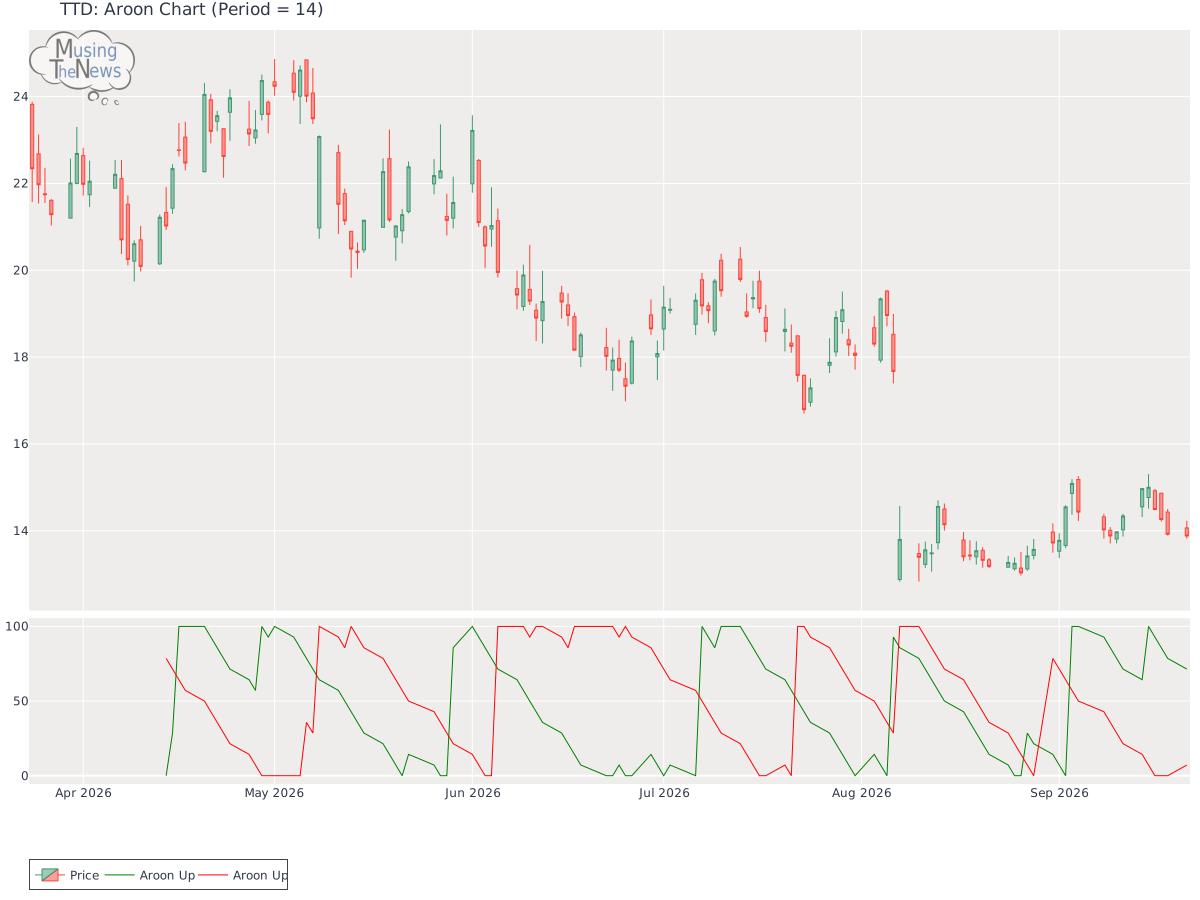
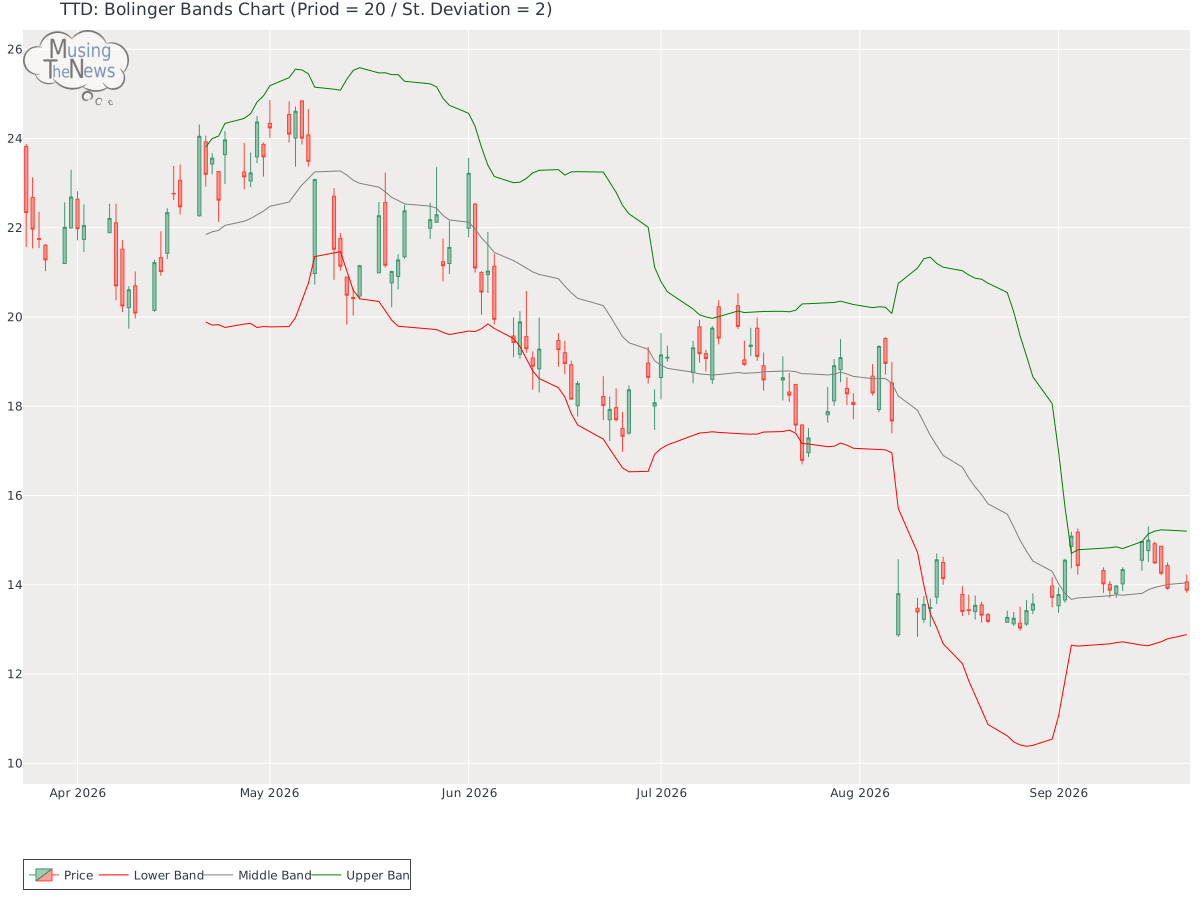
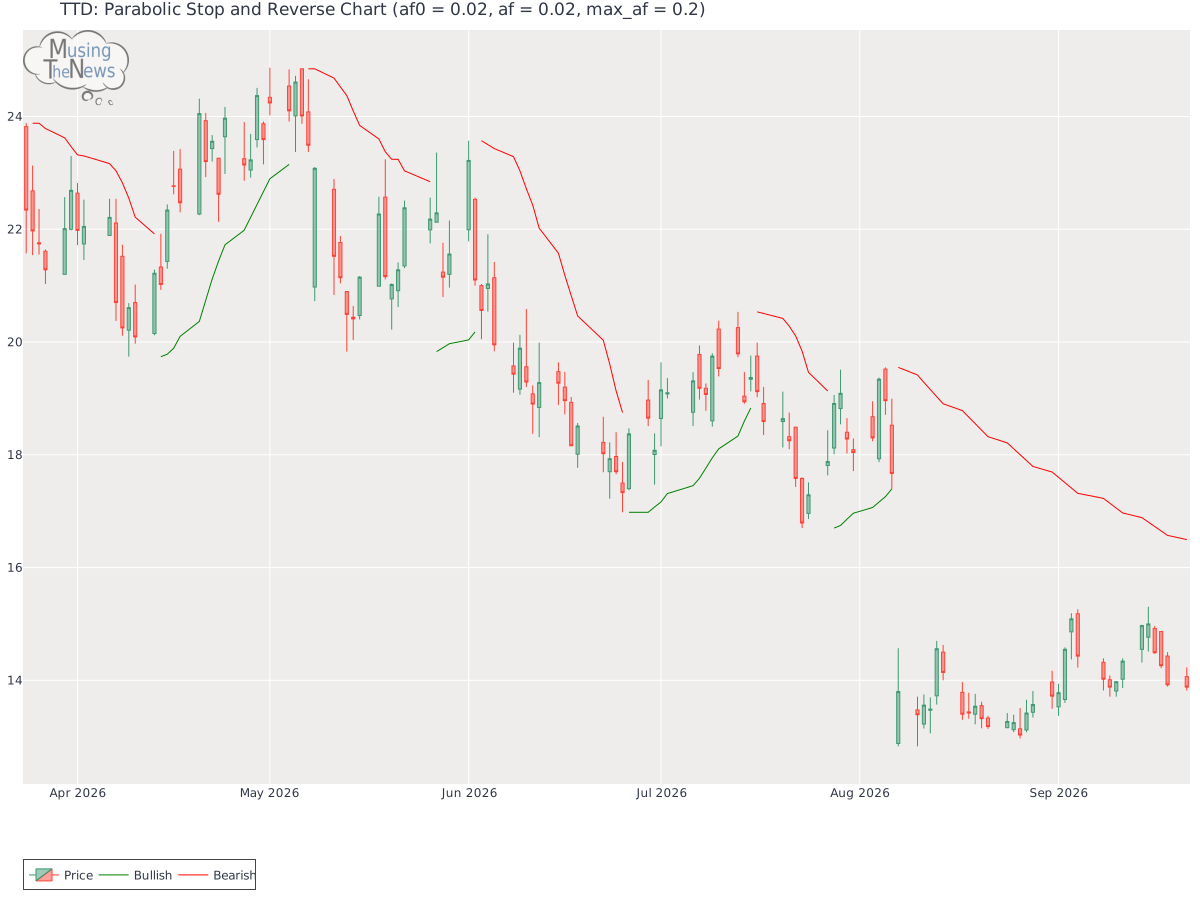
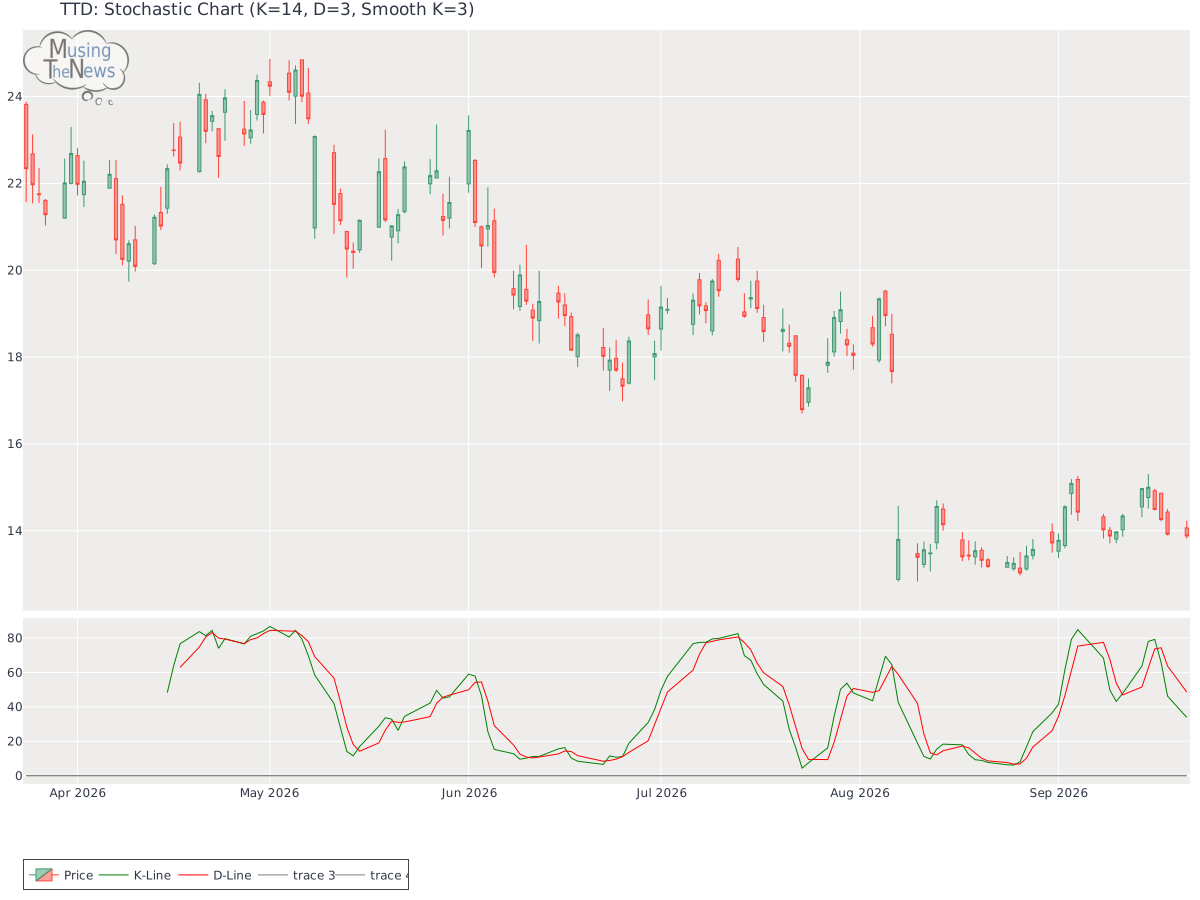
Support and Resistance: At 13.88, the price is supported at 13.03 and faces resistance at 14.43. This range suggests that the price for TTD might stay between these levels, with 13.03 acting as a floor and 14.43 as a ceiling.Support/Resistance for TTDAroon: The AROON is in a neutral stance, with no clear signals for movement up or down. This neutral position indicates a potential period of consolidation or uncertainty in the market.Aroon chart for The Trade Desk, Inc.Bol. Bands: The BOLL BANDS is showing a neutral stance, with no definitive indication of an upward or downward trend for TTD. This neutral position suggests a period of indecision in the market, making it difficult to predict the next move.Bolinger Bands chart for The Trade Desk, Inc.Parabolic SAR: The PSAR maintains a bearish outlook for TTD, establishing a key resistance level that could limit further gains. This ongoing bearish trend suggests that the market may struggle to overcome this resistance, keeping upward movement subdued.Parabolic Stop and Reverse chart for The Trade Desk, Inc.Stochastic: The STOCHASTIC is showing a neutral stance, with no definitive indication of an upward or downward trend for TTD. This neutral position suggests a period of indecision in the market, making it difficult to predict the next move.Stochastic chart for The Trade Desk, Inc.Tripple Moving Agerage: The current state of the Tripple MOVING AVG is neutral, providing no clear signals for either an upward or downward movement. This indicates that the market may be in a state of equilibrium, with no strong momentum in either direction.Tripple SMA chart for The Trade Desk, Inc. Analyzing the technical indicators of a company, such as stock price and trading volume, requires first understanding its fundamentals. These fundamentals include profitability, growth potential, and market position. Furthermore, knowing the broader industry trends and competitive landscape provides critical context. When both the company's internal data and the external environment are considered, it allows for more meaningful conclusions about the company's technical performance and future trajectory.