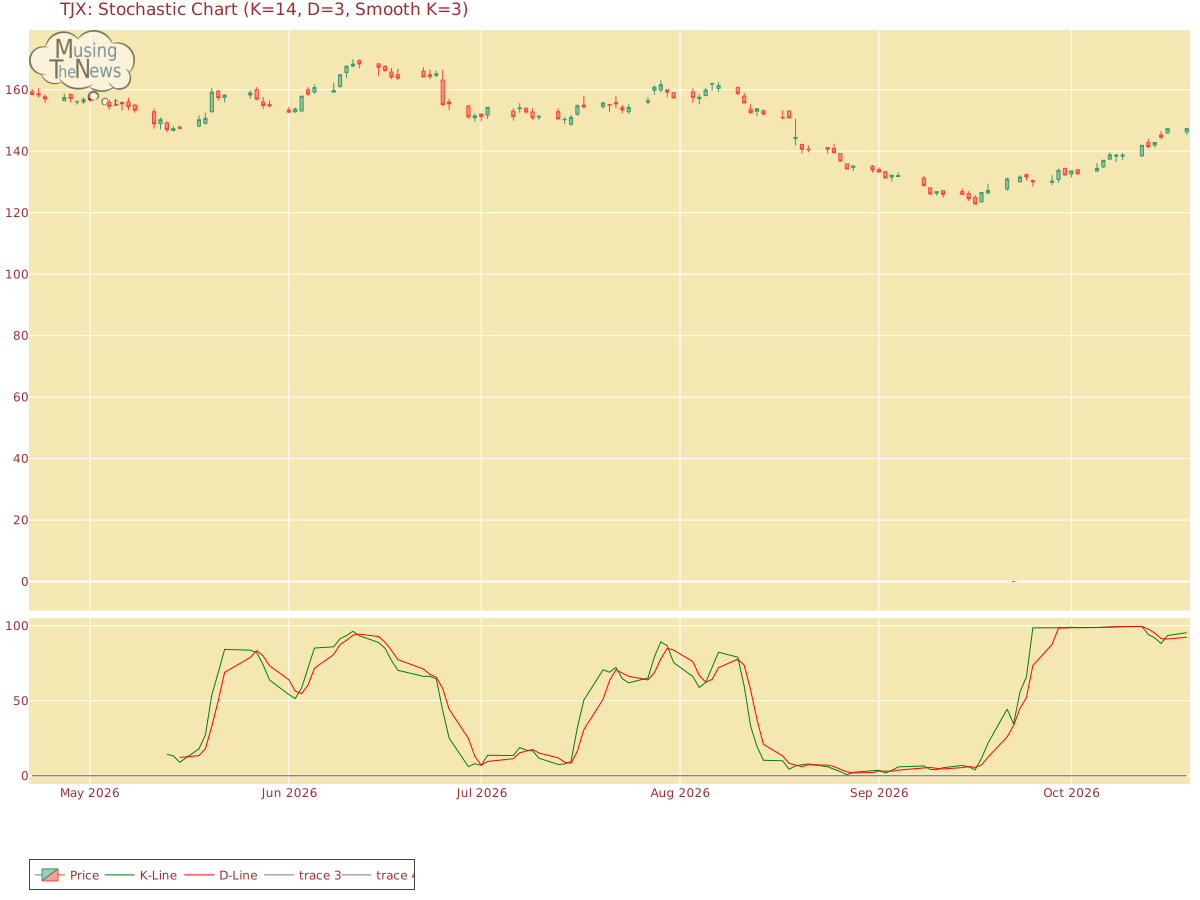
With the K-line above both the D-line and the 80 mark, the stochastic indicator signals a bullish trend. This configuration suggests that the market is experiencing strong ...
By MusingTheNews
Updated 2026-10-20 23:25:56
Overall Technical outlook
Price Summary
On 2026-10-19, The TJX Companies, Inc.'s stock opened at 146.32, peaked at 147.7, hit a low of 145.4, and closed 0.71% higher at 147.36, with 4878600 shares changing hands. In the last 52 weeks, the stock's top price was 168.41 and the bottom price was 0.0.
Technicals
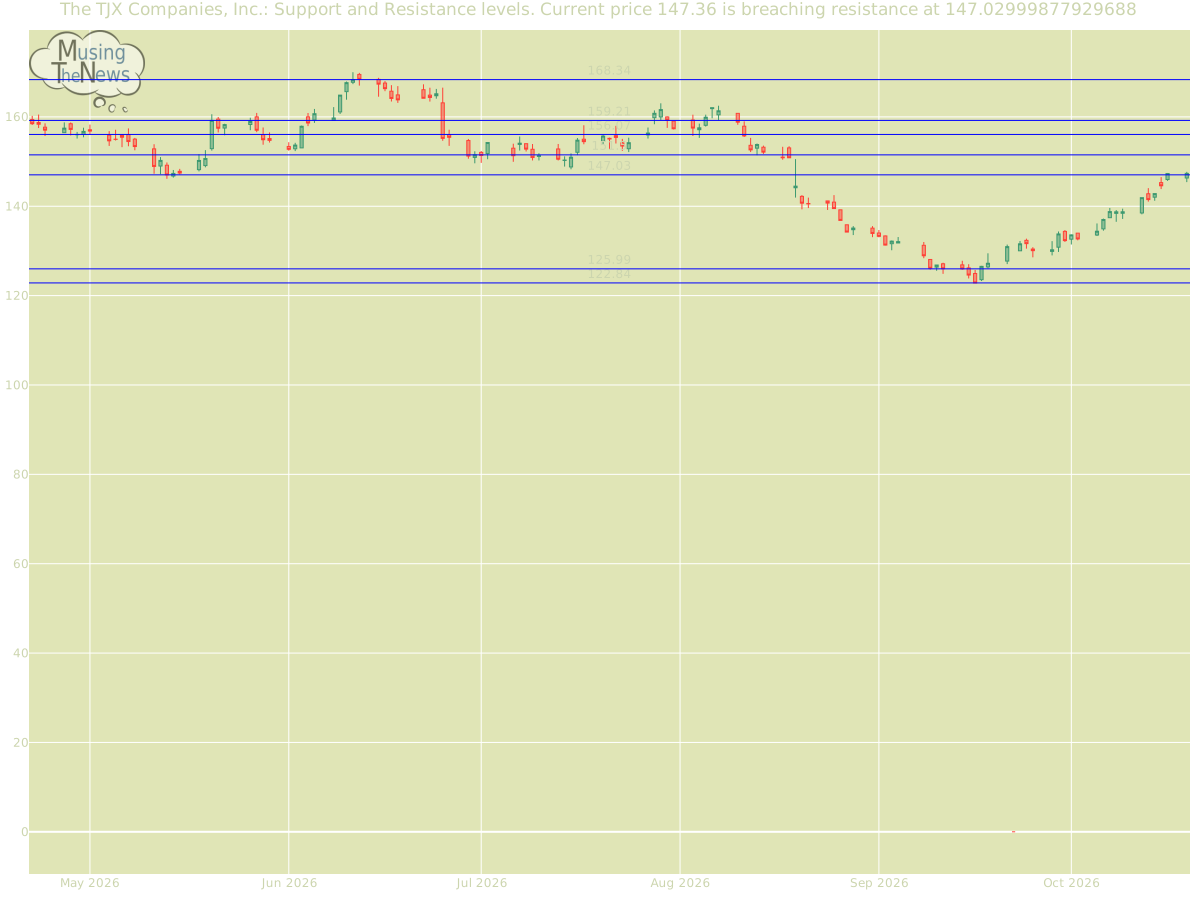
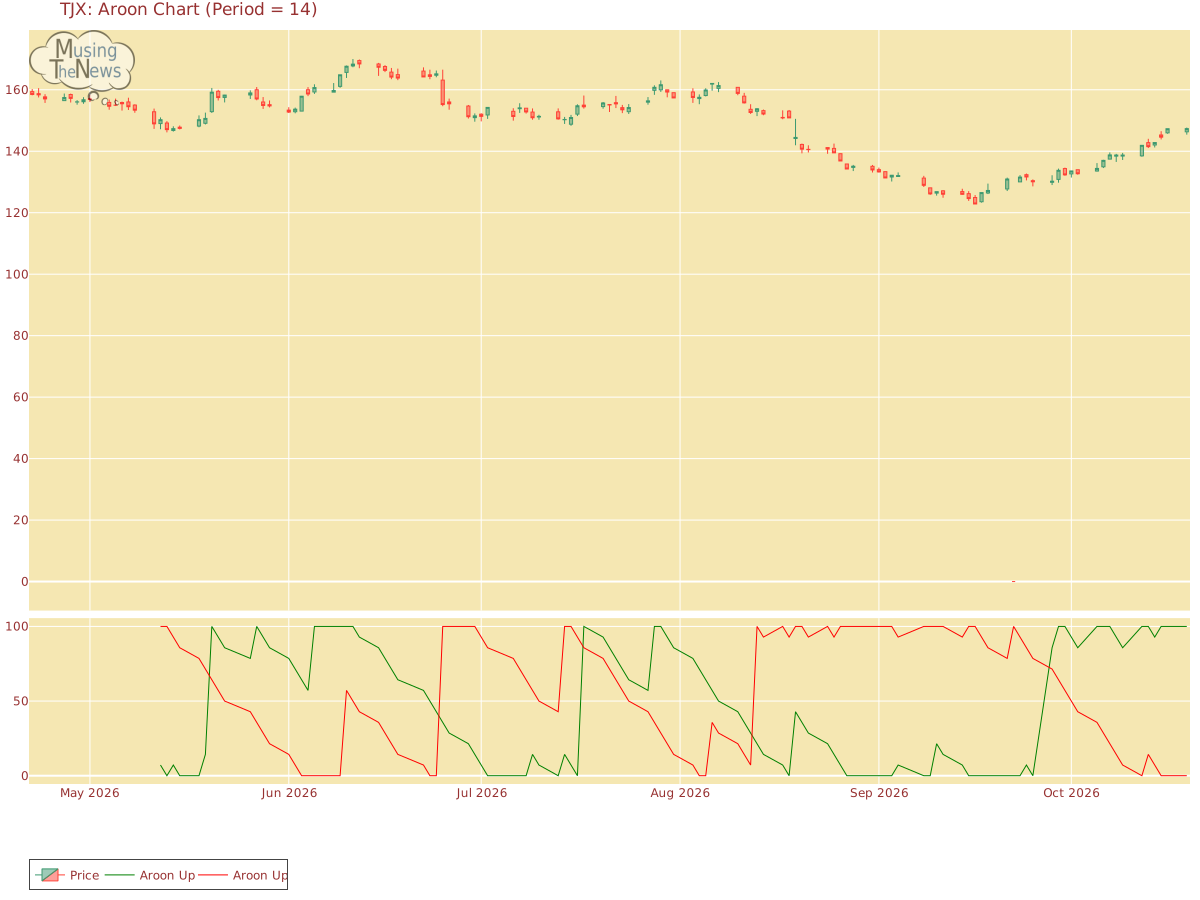
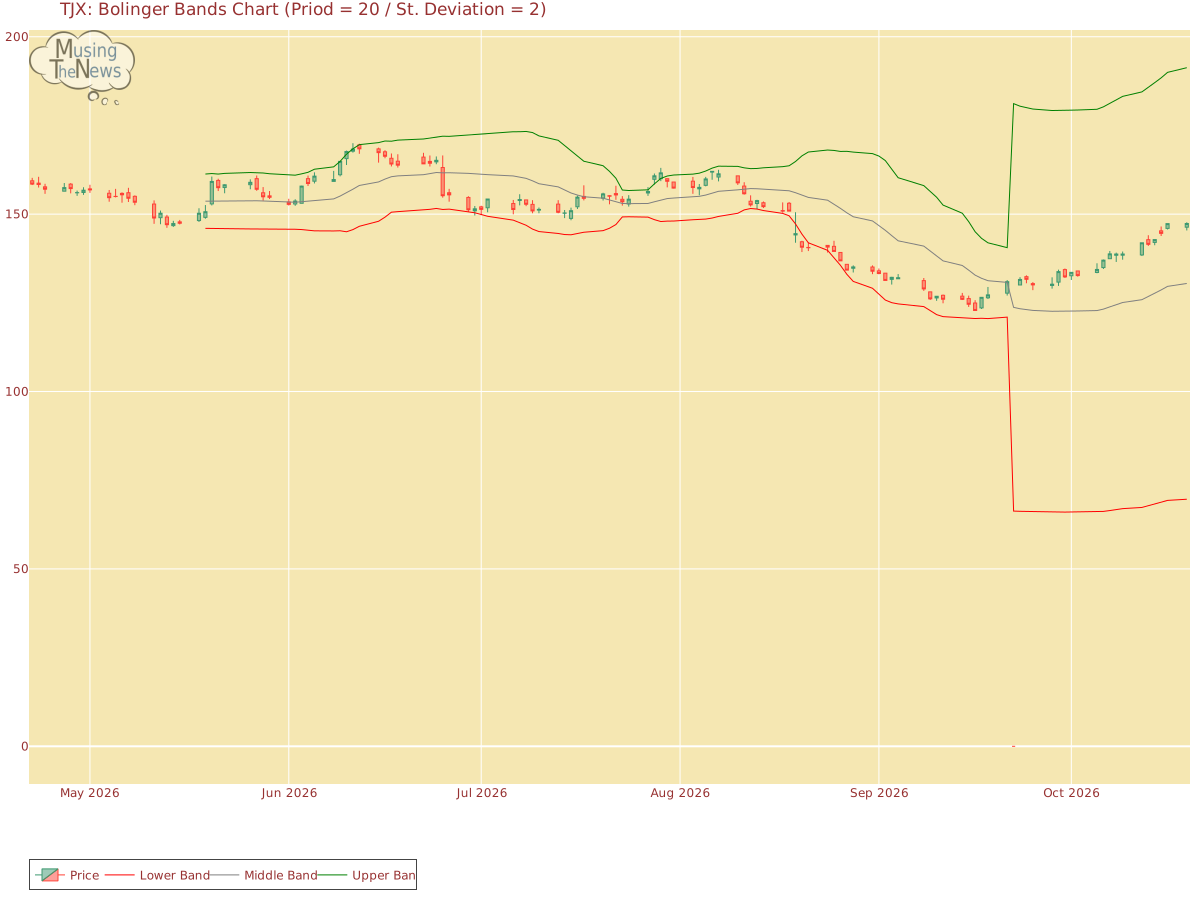
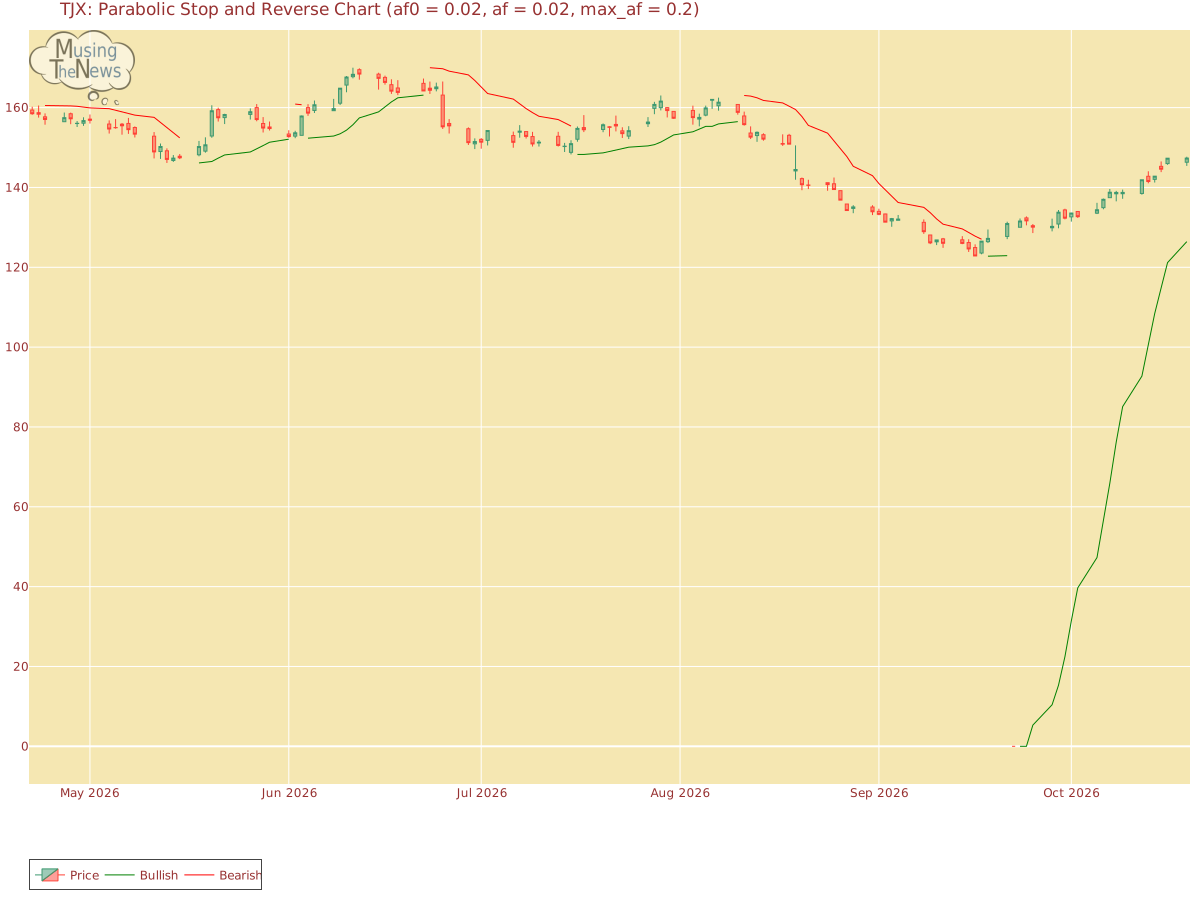
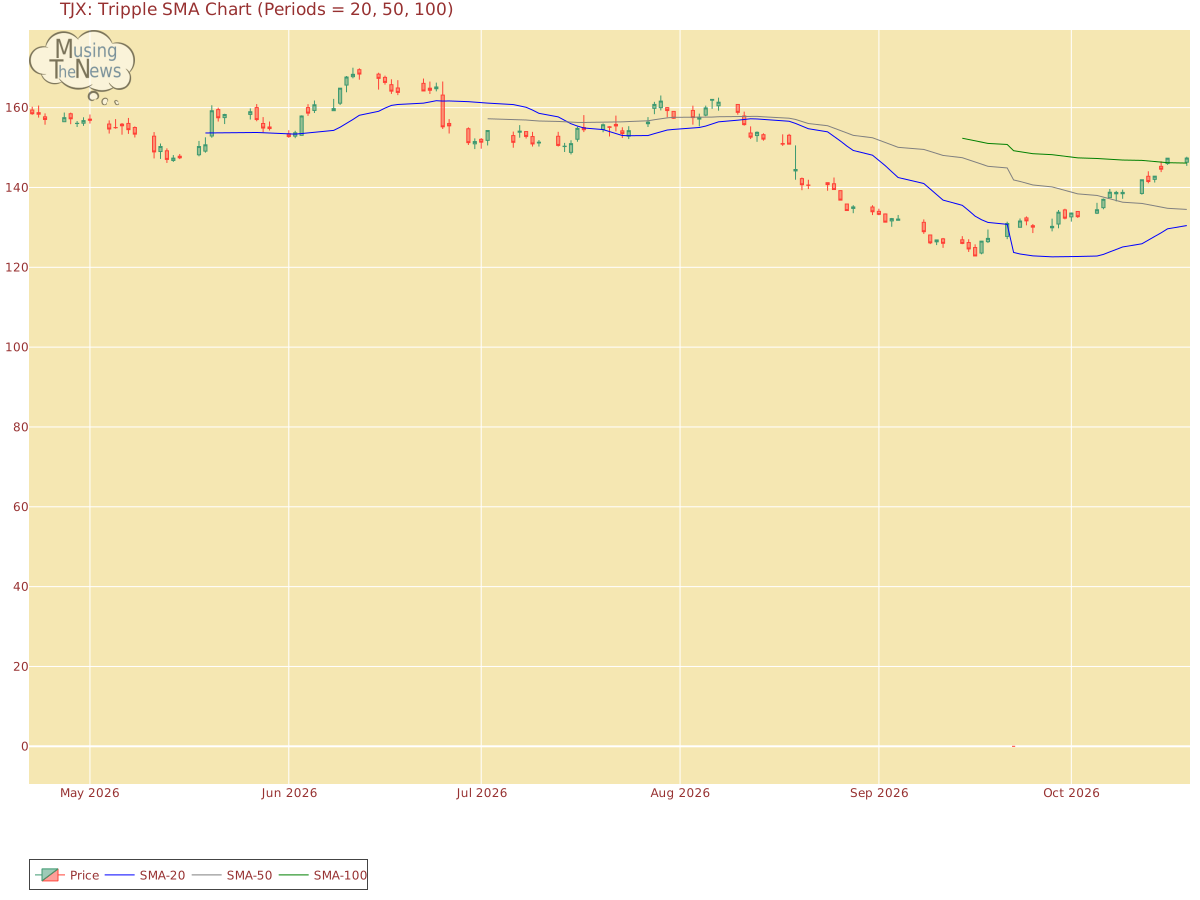
Support and Resistance: The price for TJX at 147.36 finds support at 147.03 and resistance at 151.5. This suggests a trading range, where 147.03 serves as a support level and 151.5 acts as a resistance point, potentially capping further gains.Support/Resistance for TJXAroon: The bullish trend indicated by Aroon persists, with Aroon Up holding at the 100 level for TJX. This shows strong upward momentum, but further analysis using additional indicators is necessary to determine the trend's sustainability and future potential.Aroon chart for The TJX Companies, Inc.Bol. Bands: The BOLL BANDS is currently neutral, offering no clear guidance on market direction. This suggests that the market may be in a state of pause, with no strong trend emerging.Bolinger Bands chart for The TJX Companies, Inc.Parabolic SAR: The PSAR remains bullish in its outlook, setting a key support level that could sustain the ongoing upward trend. This strong support indicates that the market may continue to rise, with the bullish momentum likely to persist for TJX.Parabolic Stop and Reverse chart for The TJX Companies, Inc.Stochastic: With the K-line above both the D-line and the 80 mark, the stochastic indicator signals a bullish trend. This configuration suggests that the market is experiencing strong upward momentum, likely leading to further gains. Investors may see this as a favorable condition for potential growth.Stochastic chart for The TJX Companies, Inc.Tripple Moving Agerage: The Tripple MOVING AVG is neutral, showing no definitive signals of a trend either upward or downward. This neutral stance indicates a period of market indecision, where the direction is unclear.Tripple SMA chart for The TJX Companies, Inc. To make the most of a company's technical analysis, it's important to start with an understanding of its fundamentals. These include profitability, cash flow, and competitive positioning. Additionally, the industry in which the company operates plays a critical role, as trends and external factors can influence its market performance. By considering both the company's internal fundamentals and the external industry environment, more meaningful and accurate conclusions can be drawn from the technical data.