

Fraud, Delays, and High Fees—Gone: The Underrated Fintech Shift Reshaping U.S. Local Economies
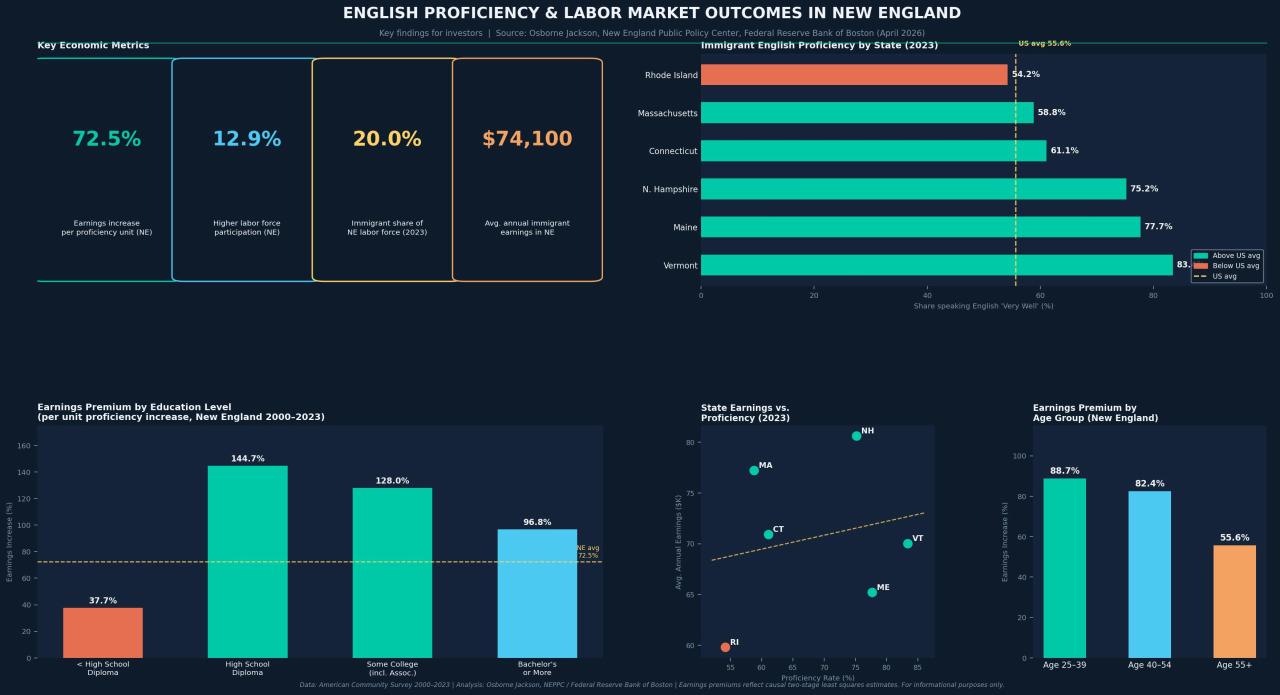
From Rhode Island to Vermont: The Proficiency Gap That's Quietly Dividing New England's Workforce
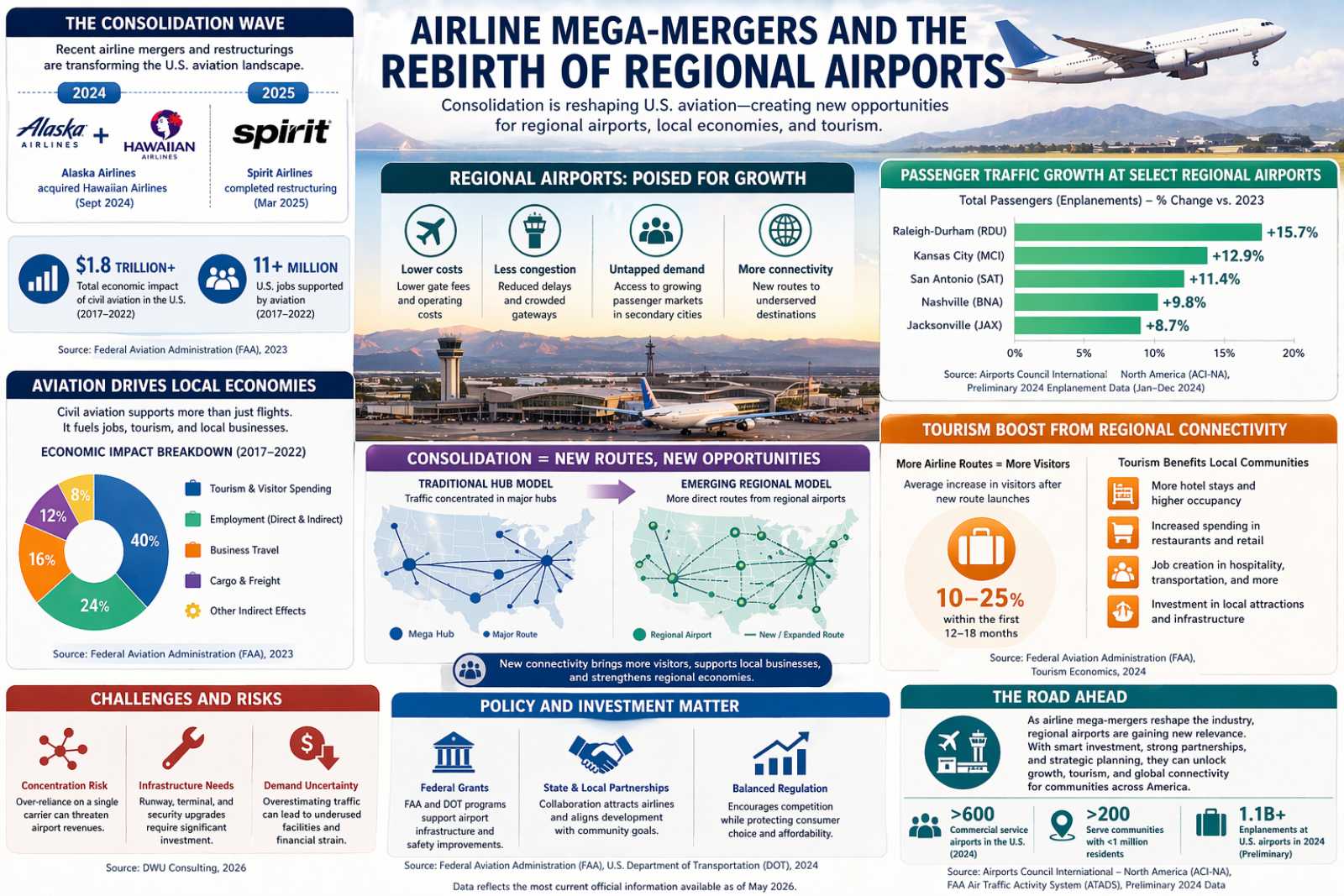
Regional Airports Poised for Growth Amid Airline Shakeups

From Fuel Shock to Factory Revival: The Surprising Rise of Hyper-Local Supply Chains in the U.S.
Technicals for RTX Corporation



Price Summary
On 2026-04-24, RTX Corporation's shares started at 177.78, peaked at 177.78, bottomed out at 171.63, and ended -1.98% lower at 174.26, with 9044197 shares traded.The peak price for the stock in the past 52 weeks is 212.16, with the lowest price being 124.8.
22 analysts suggest that RTX's future price will lie between 179.0 and 242.0, with an average expected price of roughly 216.01865.
Technicals
Aroon: Aroon's bearish trend persists, with Aroon Down remaining at 100. This consistent downward momentum suggests continued declines, but further analysis is necessary using other indicators to fully comprehend the trend's future direction.

Bol. Bands: The current price has broken below the lower Bollinger Band, signaling potential oversold conditions for RTX Corporation. This move suggests that selling pressure has intensified, pushing prices to unusually low levels. Traders often watch for such breaches as indicators of either a continued downtrend or a potential reversal if the market rebounds from these oversold conditions.

Parabolic SAR: The PSAR continues to signal a bearish outlook, establishing a resistance level that could act as a ceiling for upward trends. This resistance suggests that the market may struggle to overcome bearish forces, keeping prices under pressure.

Stochastic: The Stochastic K-line is positioned below the D-line and sits under 20, suggesting a mildly bearish scenario. This setup indicates that the market might face some downside pressure, though the bearish signal is not particularly strong. Investors should consider this as a cautious indicator and monitor for further developments.

Tripple Moving Agerage: The Tripple MOVING AVG is neutral, showing no definitive signals of a trend either upward or downward. This neutral stance indicates a period of market indecision, where the direction is unclear.

When evaluating a company's technical data, such as stock price charts or volume, it is essential to first consider its fundamentals. These fundamentals include financial stability, growth potential, and competitive advantages. Additionally, understanding the broader industry in which the company operates offers context that helps to make sense of technical patterns. By examining both the company's internal strengths and external environment, one can make more accurate and meaningful conclusions about its stock performance.
DISCLAIMER: We provide information and our musings based on events, but nothing on this site can be considered professional advice of any kind.
If you have enjoyed reading, spread the word:
Good prospects:
Companies with the best and the worst technicals.
Latest Regulatory Filings for SP5
Companies with the best and the worst fundamentals.

AI Data Centers Transform Small-Town USA: Jobs, Taxes, and Tech Ecosystems Explode
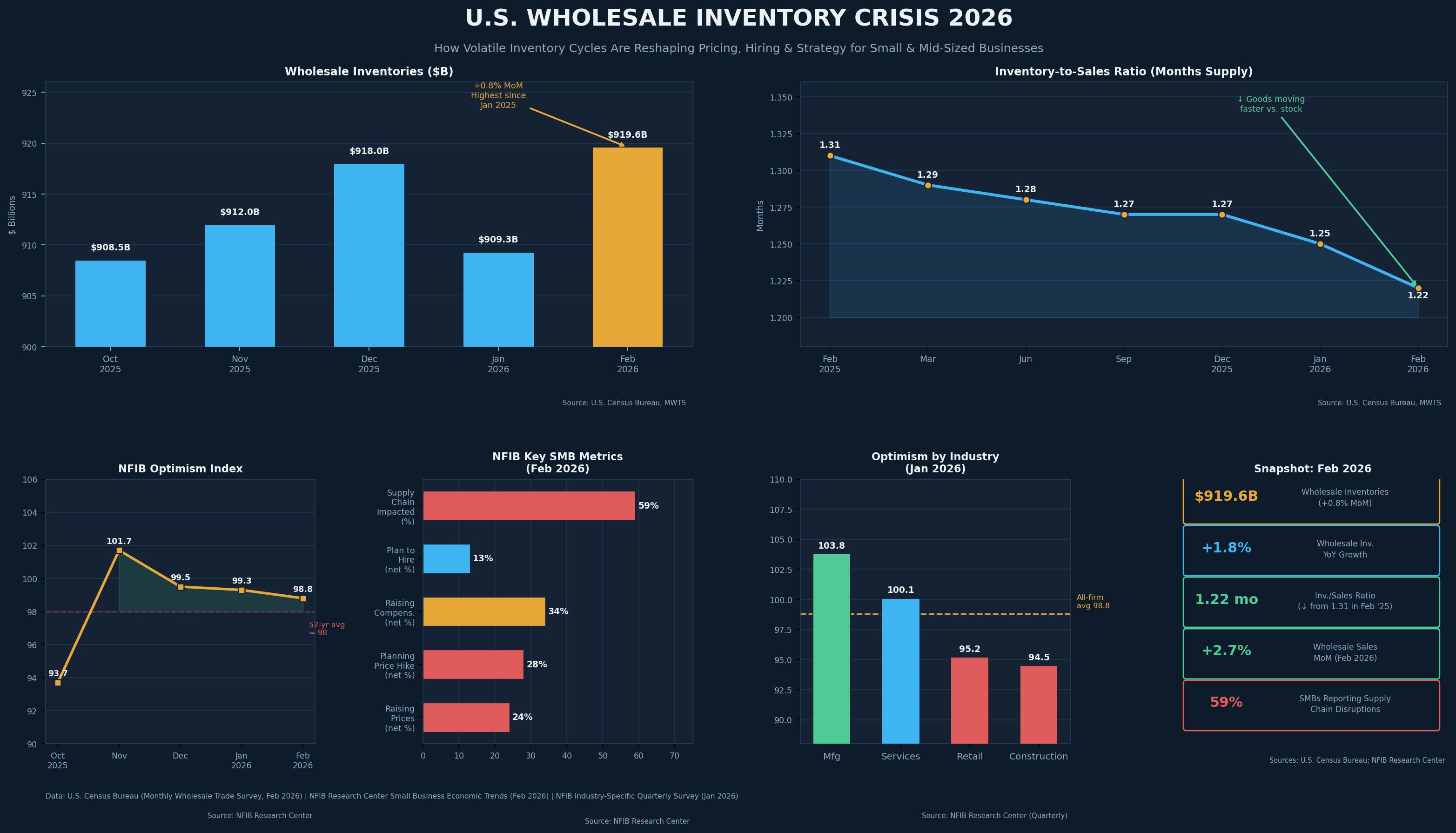
The $919 Billion Warning: What the Wholesale Inventory Explosion Really Means for Main Street

How U.S. Cities Are Turning Data and Infrastructure into Billion-Dollar Opportunities
