Fundamentals for RTX Corporation
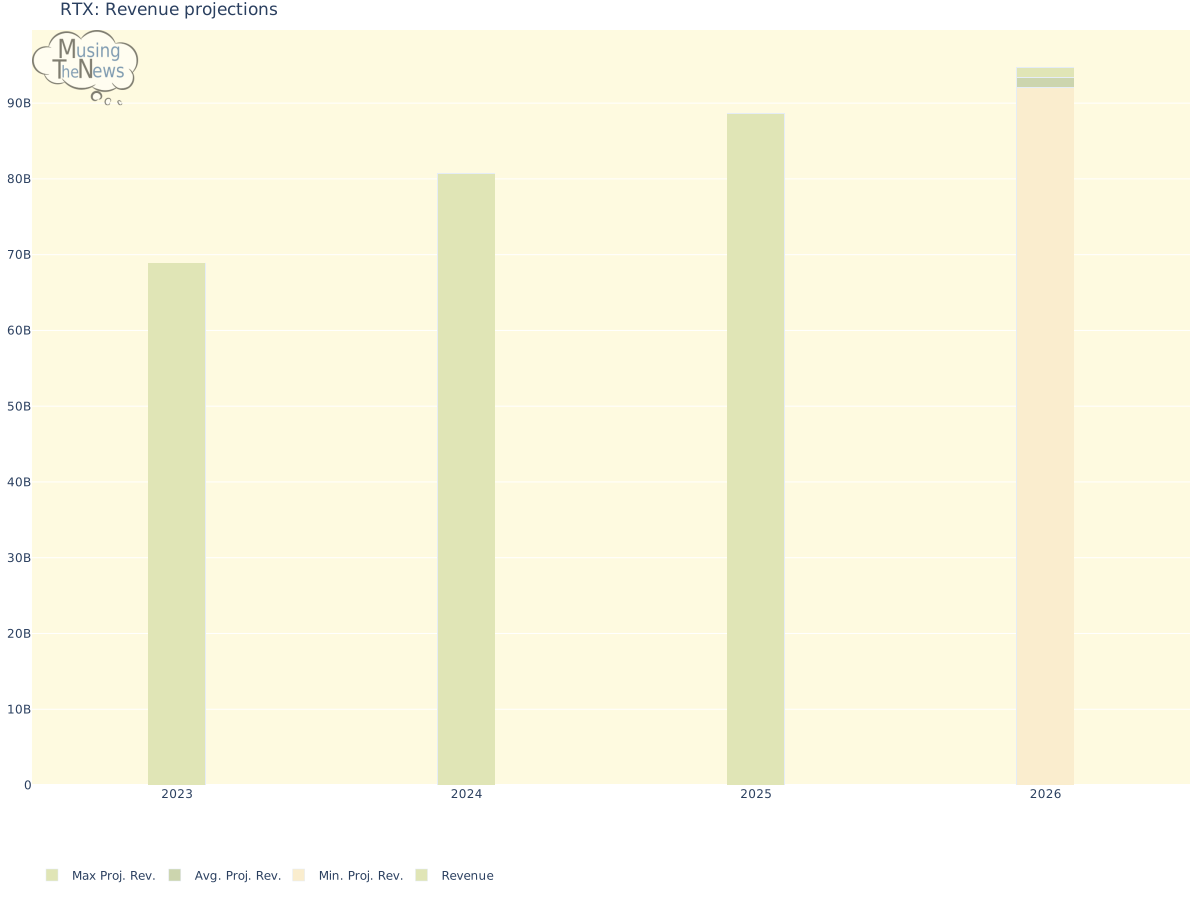
RTX's revenue projections indicate a decrease from last year's performance, which could lead to investor caution. A fall in revenue is likely to negatively impact the compa...






Business Operations:
Sector: IndustrialsIndustry: Aerospace & Defense
RTX Corporation, an aerospace and defense company, provides systems and services for commercial, military, and government customers worldwide. It operates through three segments: Collins Aerospace (Collins), Pratt & Whitney, and Raytheon. The Collins segment offers aerospace and defense products, and aftermarket services for civil and military aircraft manufacturers and commercial airlines, as well as regional, business, and general aviation, defense, and commercial space operations. This segment designs, manufactures, and supplies electric power generation and management and distribution, environmental control, flight control, air data and aircraft sensing, engine control, and engine nacelle systems, as well as engine components; cabin interiors, including seating, oxygen, food and beverage preparation, storage and galley, lavatory, and wastewater management systems; connected aviation solutions and services; and systems solutions for connected battlespace, test and training range systems, crew escape systems, and simulation and training. It also provides spare parts, overhaul and repair, engineering and technical support, training and fleet management solutions, and asset and information management services. The Pratt & Whitney segment supplies aircraft engines for commercial, military, business jet, and general aviation customers; and produces, sells, and services military and commercial auxiliary power units, as well as offers fleet management and aftermarket maintenance, repair, and overhaul services. The Raytheon segment provides defensive and offensive threat detection, tracking, and mitigation capabilities for government and commercial customers. This segment offers sensors, mission orchestration and satellite control products, and software. The company was formerly known as Raytheon Technologies Corporation and changed its name to RTX Corporation in July 2023. RTX Corporation was incorporated in 1934 and is headquartered in Arlington, Virginia.
Revenue projections:
Financial Ratios:
| currentRatio | 1.01100 |
|---|---|
| forwardPE | 23.90150 |
| debtToEquity | 57.02000 |
| earningsGrowth | 0.28700 |
| revenueGrowth | 0.14500 |
| grossMargins | 0.20347 |
| operatingMargins | 0.12696 |
| trailingEps | 5.63000 |
| forwardEps | 7.85139 |
With a current ratio 1.011, RTX demonstrates the ability to service its short-term debt without difficulty. The company's strong cash reserves and current assets ensure that it can meet its liabilities, reflecting financial stability and healthy liquidity.
RTX's Forward PE is within a good range, showing that the stock price compares well to its earnings. This suggests it isn't overpriced and leaves room for growth, making the stock appealing to investors looking for value and growth opportunities.
RTX Corporation's positive earnings and revenue growth reflect an optimistic outlook for the company's future. The growth in these key areas indicates that RTX Corporation is expected to continue expanding its business and boosting its financial performance in the coming periods.
RTX's forward EPS exceeds its trailing EPS, indicating that the company is projected to be more profitable in the current financial year compared to the previous one. This suggests positive growth and improved earnings, signaling an optimistic outlook for RTX's financial performance.
Price projections:
Insider Transactions:
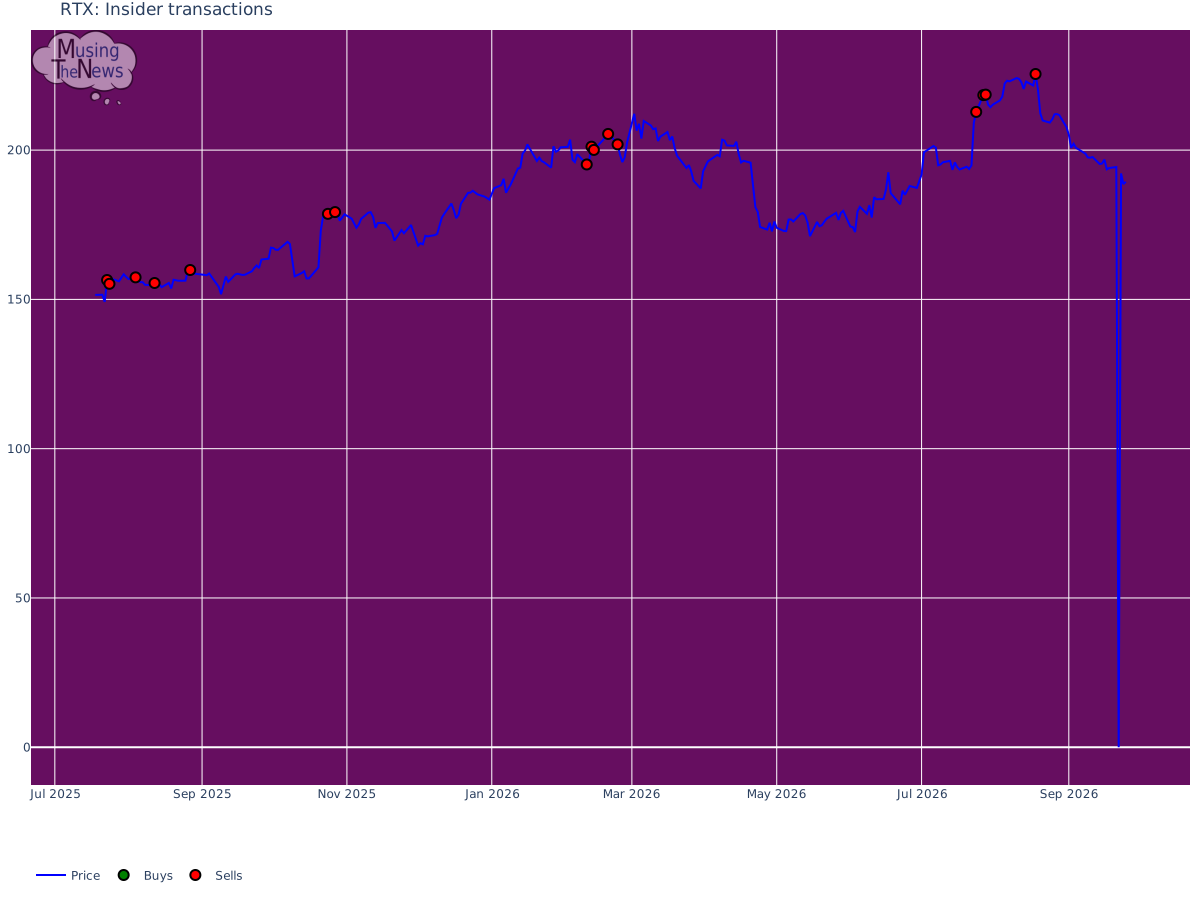
16 transactions to sell RTX occurred, with market price at 188.83187580108643.No sell transactions took place in the period under consideration.RTX's current price levels are experiencing more buying activity than selling, which may point to a favorable outlook. This trend suggests investor confidence in the stock's future, potentially indicating expectations of continued growth.
Recommendation changes over time:
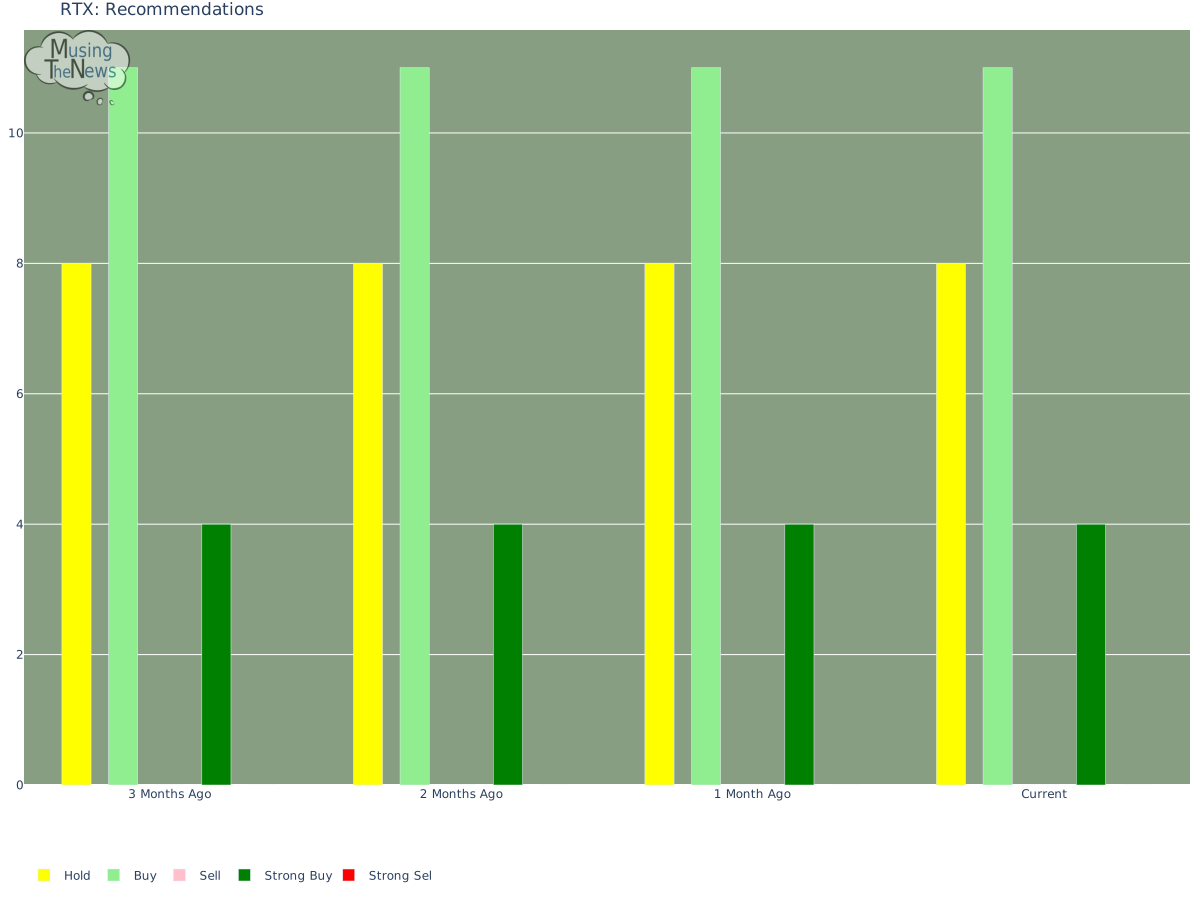
The analysts' recent buy bias for RTX indicates strong confidence in the stock's future performance. This could encourage more investors to view RTX as a worthwhile investment, positioning the company as a top choice for those seeking financial security and long-term growth opportunities.