Fundamentals for Raymond James Financial, Inc.
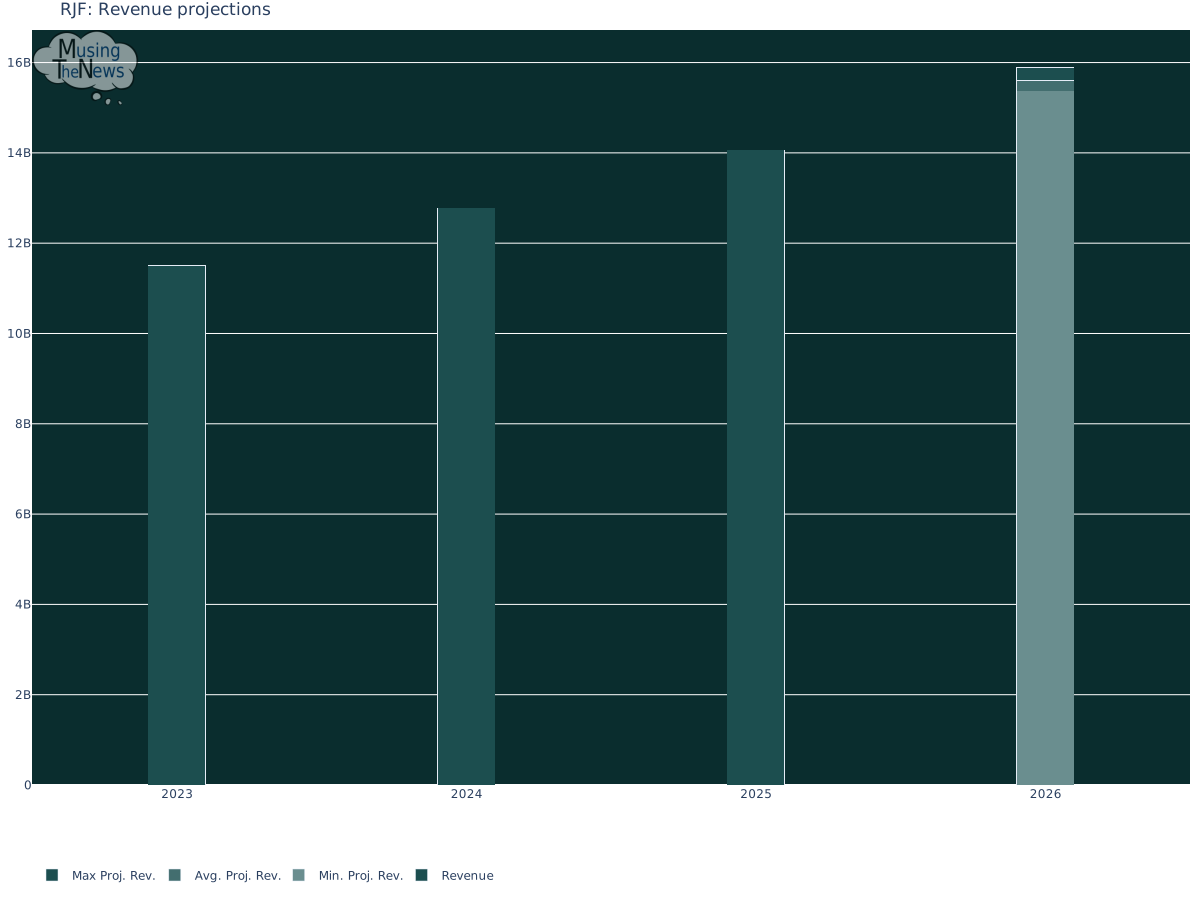
RJF's positive growth in earnings and revenue suggests the company is on track to expand its business. These indicators highlight a healthy financial performance, with RJF ...






Business Operations:
Sector: Financial ServicesIndustry: Asset Management
Raymond James Financial, Inc., a diversified financial services company, provides private client group, capital markets, asset management, banking, and other services to individuals, corporations, and municipalities in the United States, Canada, and Europe. The Private Client Group segment offers financial planning, investment advisory, securities transaction, investment services, portfolio management services, insurance and annuity products, and mutual funds; support to third-party mutual fund and annuity companies, including sales and marketing support, as well as distribution and accounting, and administrative services; margin loans; securities borrowing and lending services; and custodial, trade execution, research, and other support and services. The Capital Markets segment provides investment banking services, such as equity and debt underwriting, and merger and acquisition advisory; and fixed income and equity brokerage services. This segment also offers institutional sales, securities trading, equity research, and the syndication and management of investments in low-income housing funds and funds of a similar nature. The Asset Management segment provides asset management, portfolio management, and related administrative services to retail and institutional clients; and administrative support services, such as record-keeping. The Bank segment offers various types of loans, including securities-based, corporate, commercial and industrial, commercial real estate and construction, real estate investment trust, residential mortgage, and tax-exempt loans; Federal Deposit Insurance Corporation-insured deposit accounts; retail and corporate deposit; and liquidity management products and services. The Other segment engages in the private equity investments comprising investments in third-party funds. The company offers corporate, retail banking and trust services. Raymond James Financial, Inc. was founded in 1962 and is headquartered in Saint Petersburg, Florida.
Revenue projections:
Financial Ratios:
| currentRatio | 2.109000 |
|---|---|
| forwardPE | 11.351462 |
| debtToEquity | 47.594000 |
| earningsGrowth | 0.420000 |
| revenueGrowth | 0.151000 |
| grossMargins | 0.931560 |
| operatingMargins | 0.193010 |
| trailingEps | 11.560000 |
| forwardEps | 14.197290 |
Raymond James Financial, Inc.'s current ratio of 2.109, indicating that the company can meet its short-term debt obligations with ease. This high liquidity level is a positive sign, as Raymond James Financial, Inc. has enough cash and current assets to handle its immediate liabilities comfortably.
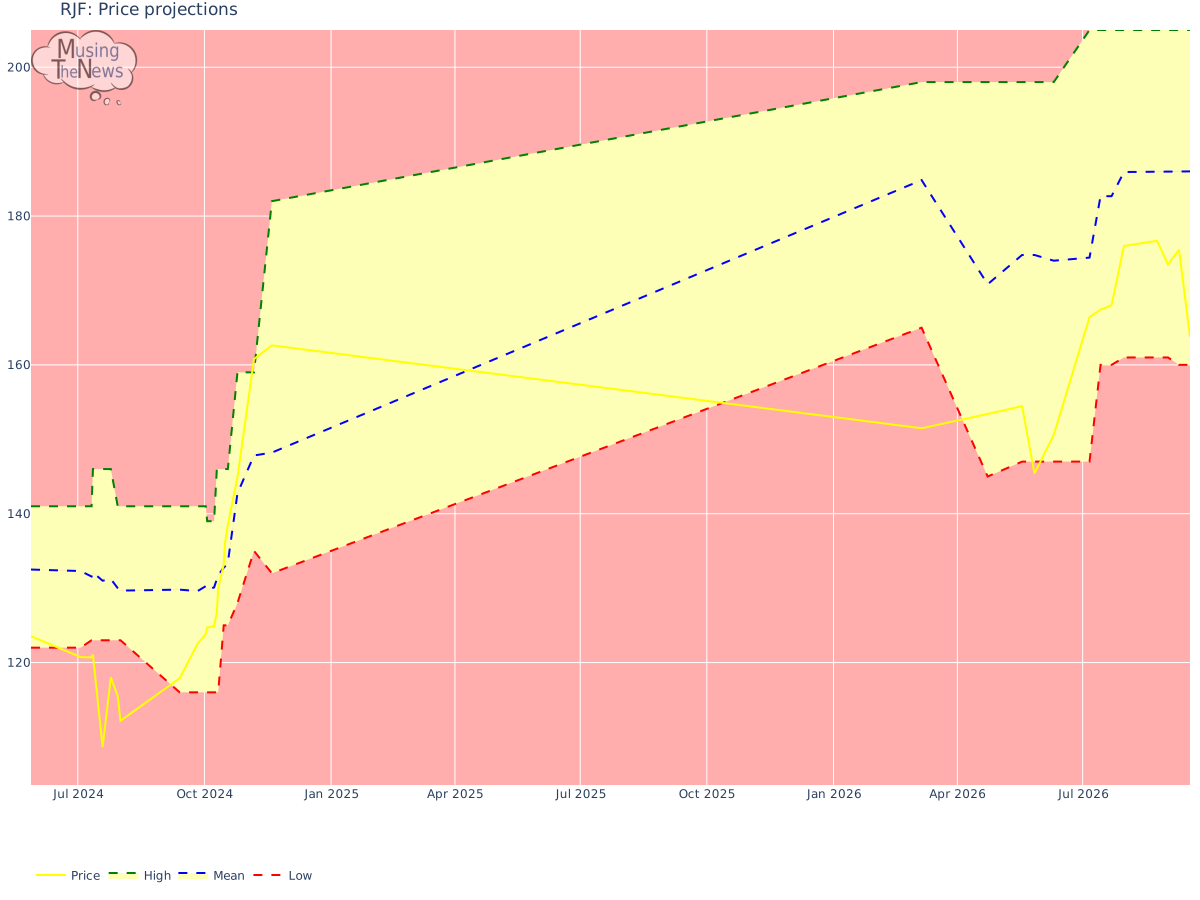
RJF's Forward PE ratio suggests the stock price is reasonable in relation to earnings. It's not overpriced, providing room for future growth, making the stock a potentially valuable investment for those seeking long-term gains.
RJF's positive growth in earnings and revenue suggests the company is on track to expand its business. These indicators highlight a healthy financial performance, with RJF expected to increase its market presence and profitability.
RJF's forward EPS is higher than its trailing EPS, suggesting the company is expected to see an increase in profitability this year. This points to positive growth, indicating that RJF is projected to improve its financial performance compared to the previous year.
Price projections:
Insider Transactions:
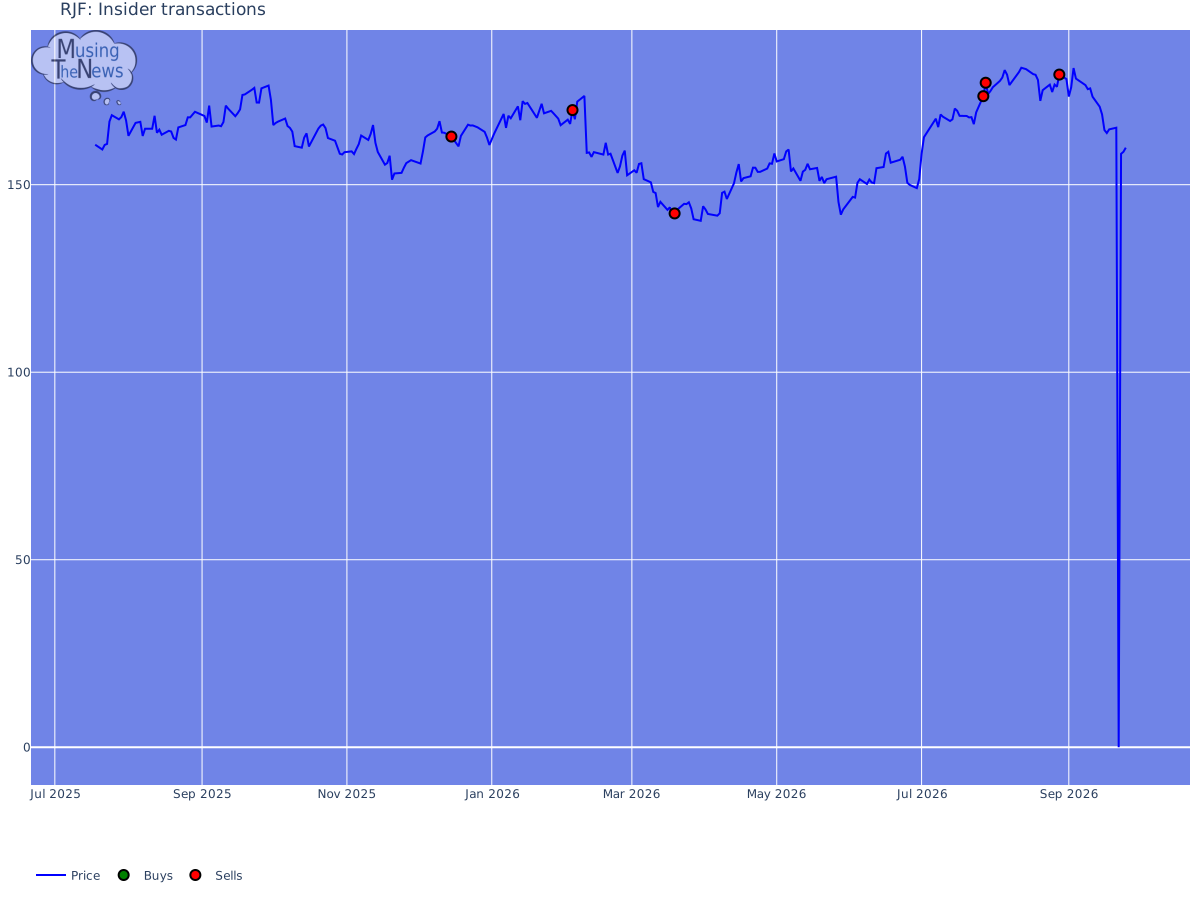
There were 6 RJF sales transactions, at market price of 167.5328598022461.There were no sell transactions during the given timeframe.The trend of more buys than sells at RJF's current price levels suggests a possible bullish sentiment. This could indicate that investors are expecting a favorable outlook for the stock, prompting more buying activity.
Recommendation changes over time:
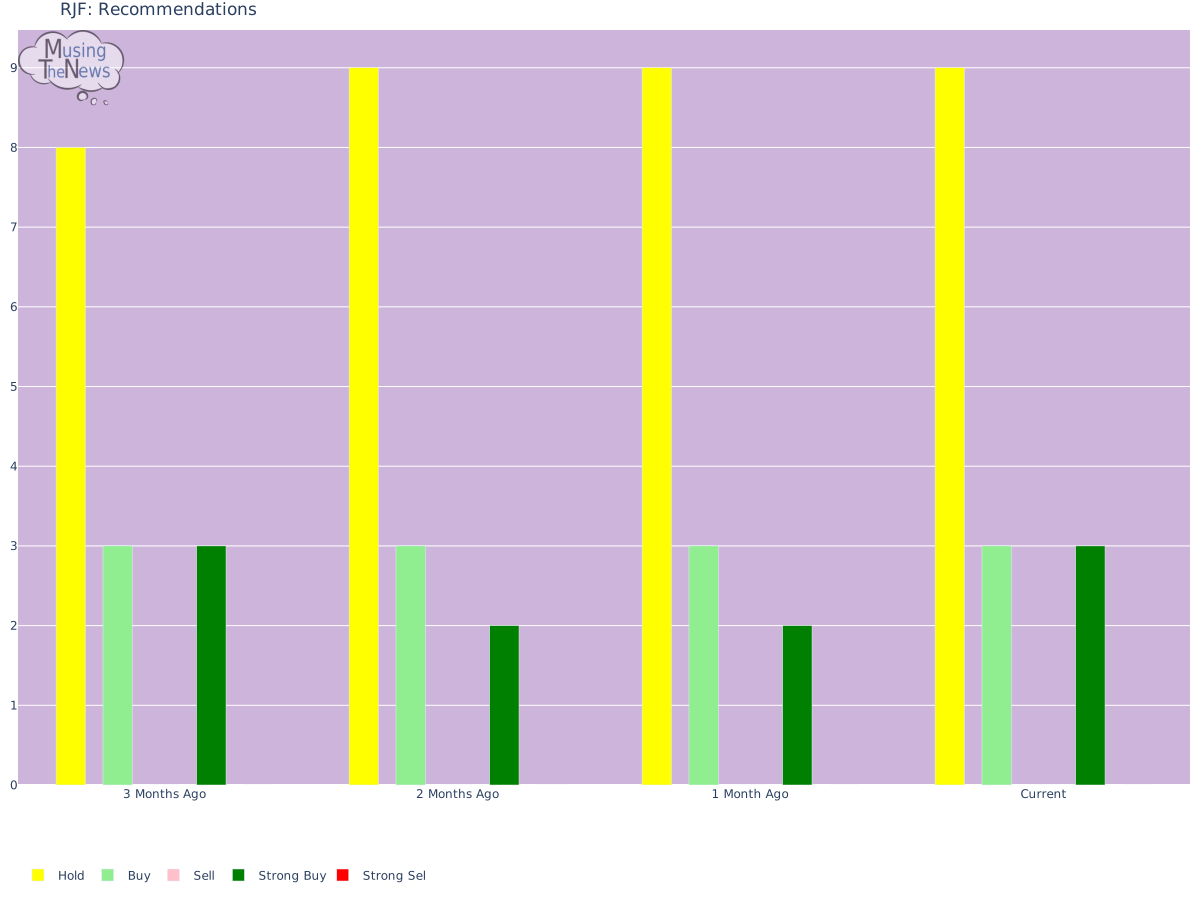
A recent buy bias from analysts toward RJF indicates strong confidence in the stock's future performance. This could encourage investors to park their money in RJF, viewing it as a stable and potentially rewarding investment opportunity with promising long-term growth prospects.