Fundamentals for PPL Corporation
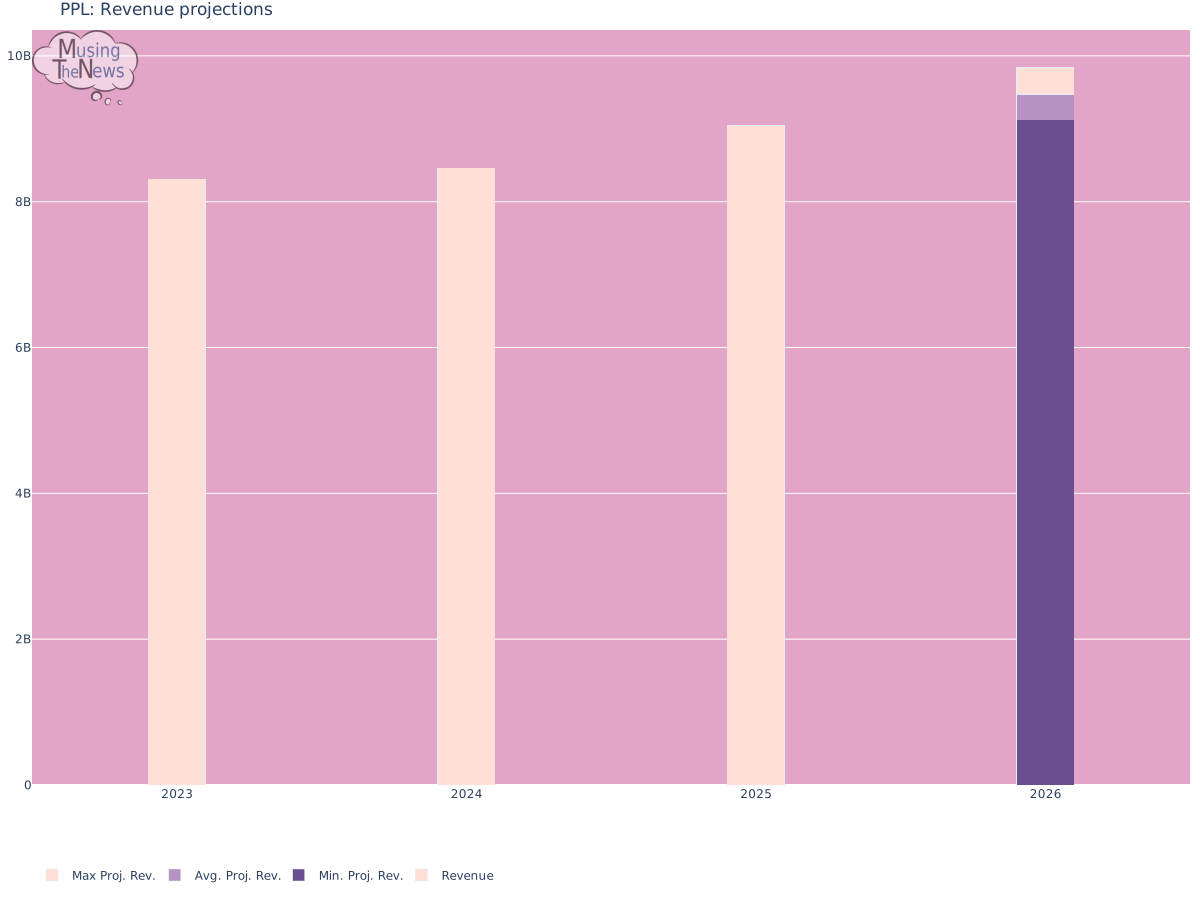
PPL is projected to see a decline in revenue compared to last year, which could lead to investor caution. A drop in earnings is often viewed as a negative signal for profit...






Business Operations:
Sector: UtilitiesIndustry: Utilities - Regulated Electric
PPL Corporation provides electricity and natural gas to approximately 3.6 million customers in the United States. It operates in three segments: Kentucky Regulated, Pennsylvania Regulated, and Rhode Island Regulated. The company engages in the transmission and distribution of electricity in eastern and central Pennsylvania; generation, transmission, distribution, and sale of electricity in Kentucky, Virginia, and Rhode Island; distribution and sale of natural gas in Kentucky and Rhode Island; sale of wholesale electricity in Kentucky; and generation of electricity from power plants in Kentucky. It generates electricity from coal, gas, hydro, and solar sources. The company was formerly known as PP&L Resources, Inc. and changed its name to PPL Corporation in 2000. PPL Corporation was founded in 1920 and is headquartered in Allentown, Pennsylvania.
Revenue projections:
Financial Ratios:
| currentRatio | 0.905000 |
|---|---|
| forwardPE | 15.477904 |
| debtToEquity | 135.434000 |
| earningsGrowth | 0.212000 |
| revenueGrowth | 0.042000 |
| grossMargins | 0.440940 |
| operatingMargins | 0.235910 |
| trailingEps | 1.690000 |
| forwardEps | 2.119150 |
PPL Corporation's Forward PE being in a reasonable range suggests the stock is fairly priced based on its earnings. The stock isn't overpriced, leaving room for growth, making it an attractive investment for those seeking opportunities for future value appreciation.
PPL's elevated debt-to-equity ratio reflects substantial leverage, meaning the company relies heavily on borrowed funds. This could increase financial risk, particularly in times of economic uncertainty or if the company's profitability declines.
With positive gross and operating margins, PPL demonstrates strong profitability. This reflects the company's ability to manage costs and maintain healthy profits, showcasing effective operational efficiency and financial stability.
PPL's forward EPS being higher than its trailing EPS signals anticipated growth in profitability for the current financial year. This suggests that PPL is on track to improve its earnings, outpacing the previous year's performance and reflecting positive market expectations.
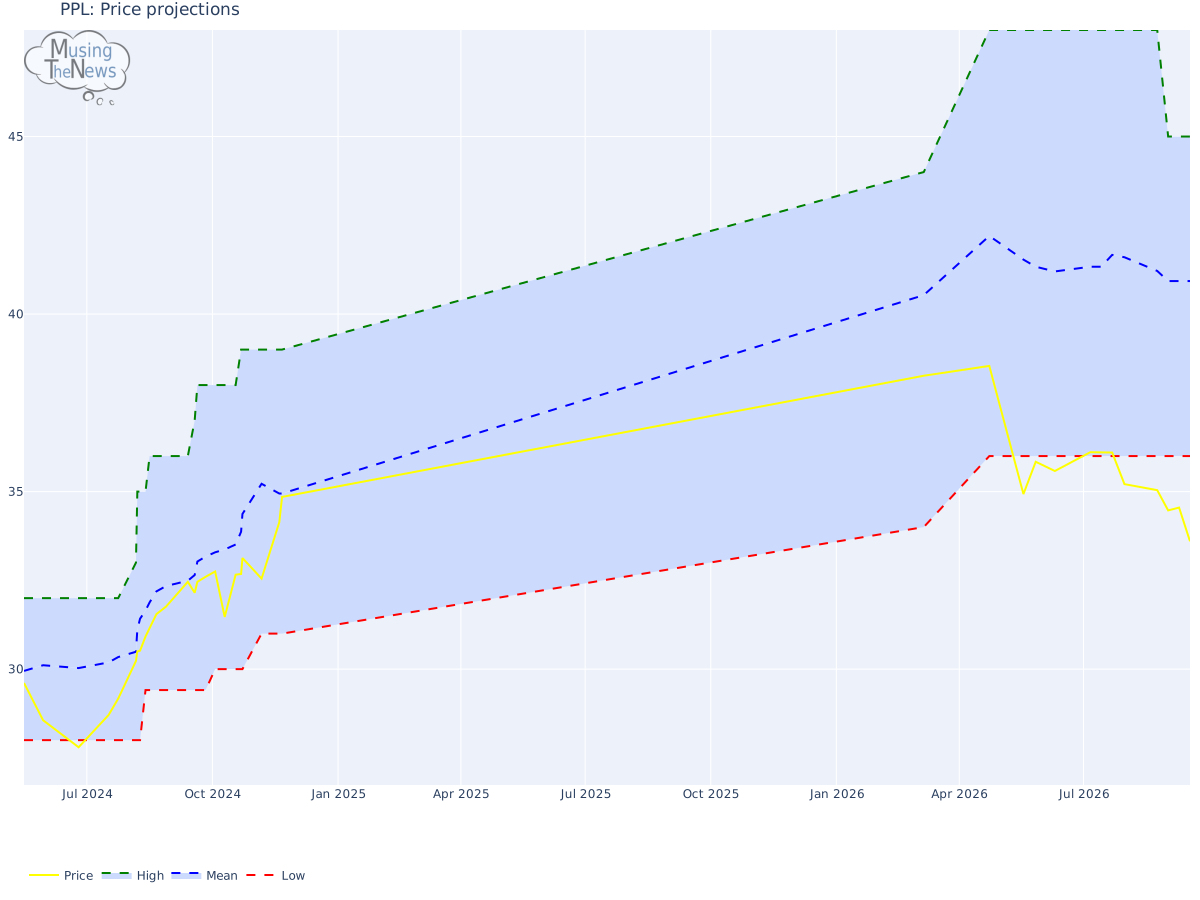
Price projections:
Insider Transactions:
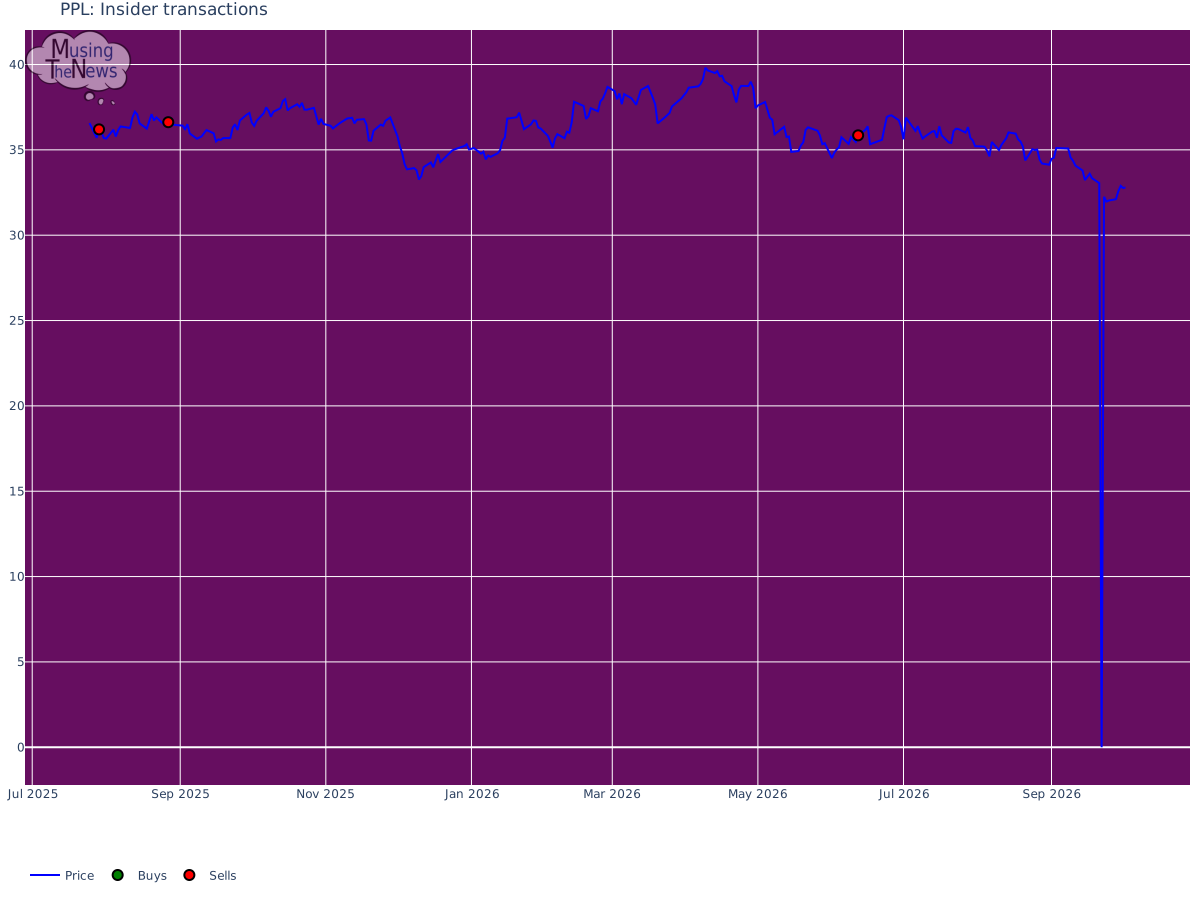
PPL Corporation experienced 3 sell transactions with market price of 36.22333272298177 per share.No sell transactions were carried out during the period under review.The trend of more buys than sells at PPL's current price levels suggests a possible bullish sentiment. This could indicate that investors are expecting a favorable outlook for the stock, prompting more buying activity.
Recommendation changes over time:
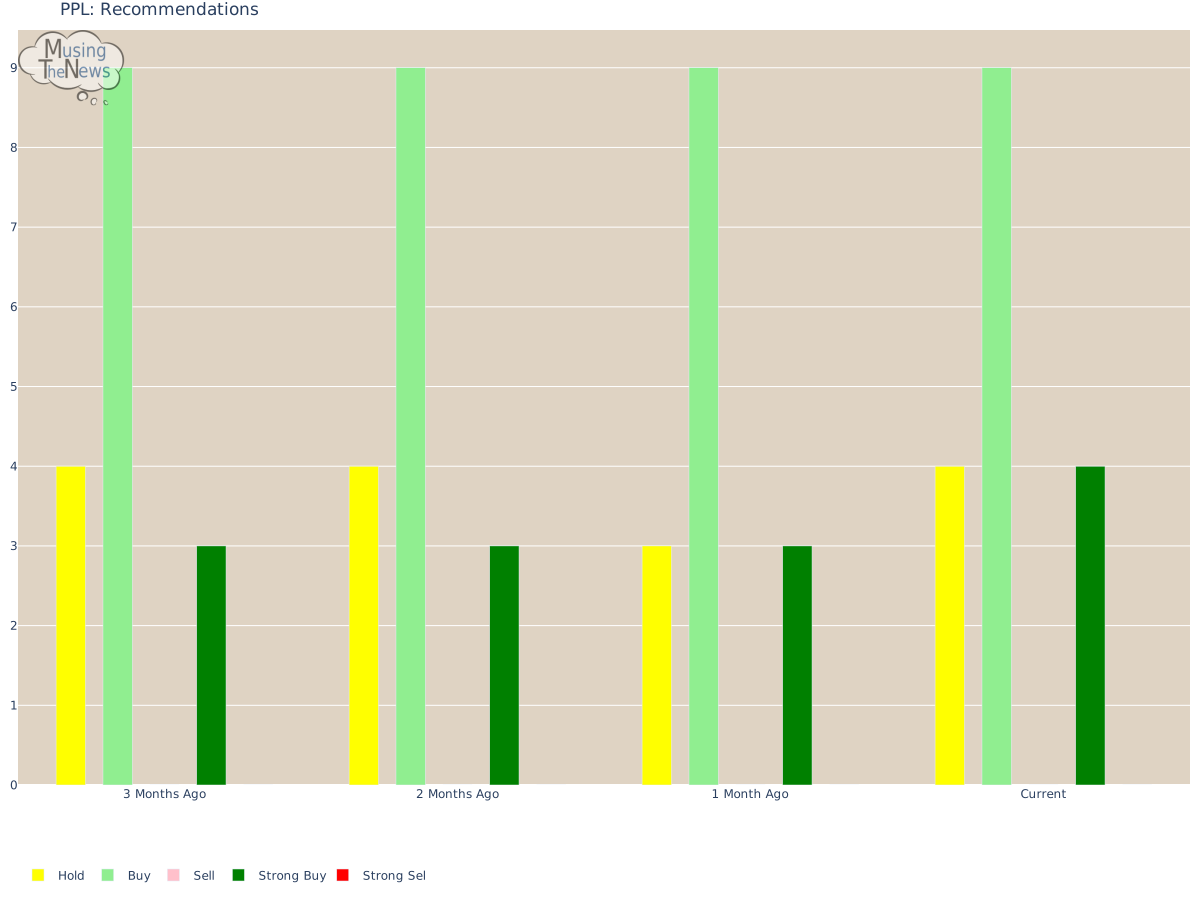
Analysts' buy bias for PPL Corporation signals that the stock is considered a favorable investment. This outlook might prompt investors to allocate funds to PPL Corporation, seeing it as a solid and profitable choice to park their money and potentially benefit from the company's long-term growth.