Technicals for The PNC Financial Services Group, Inc.
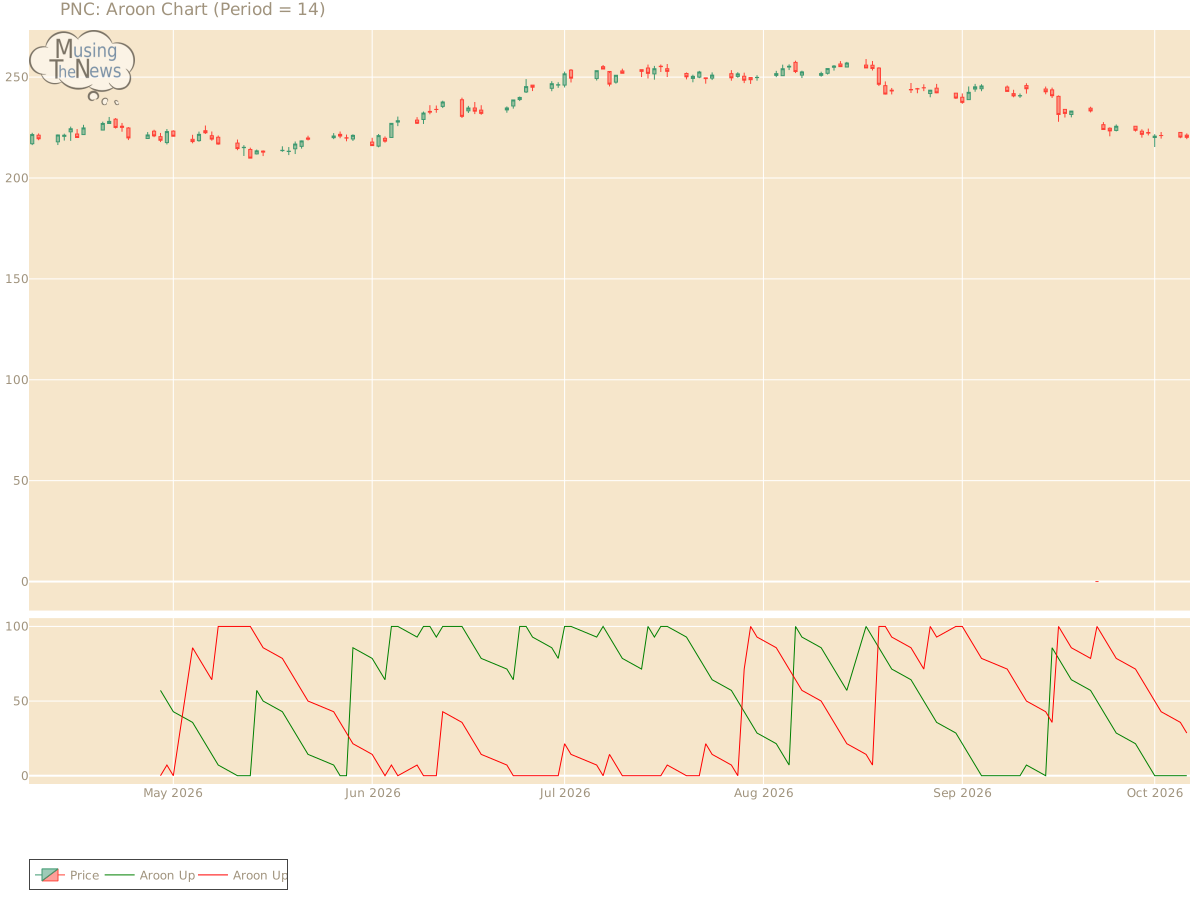
The AROON is showing a neutral stance, with no definitive indication of an upward or downward trend for PNC. This neutral position suggests a period of indecision in the ma...
By MusingTheNews
Updated 2026-10-07 23:26:46
Overall Technical outlook
Price Summary
On 2026-10-06, The PNC Financial Services Group, Inc.'s shares started at 221.23, peaked at 222.1, bottomed out at 219.25, and ended -0.48% lower at 220.16, with 1905000 shares traded. During the past 52 weeks, the highest stock price was 256.97, and the lowest was 0.0.
Technicals
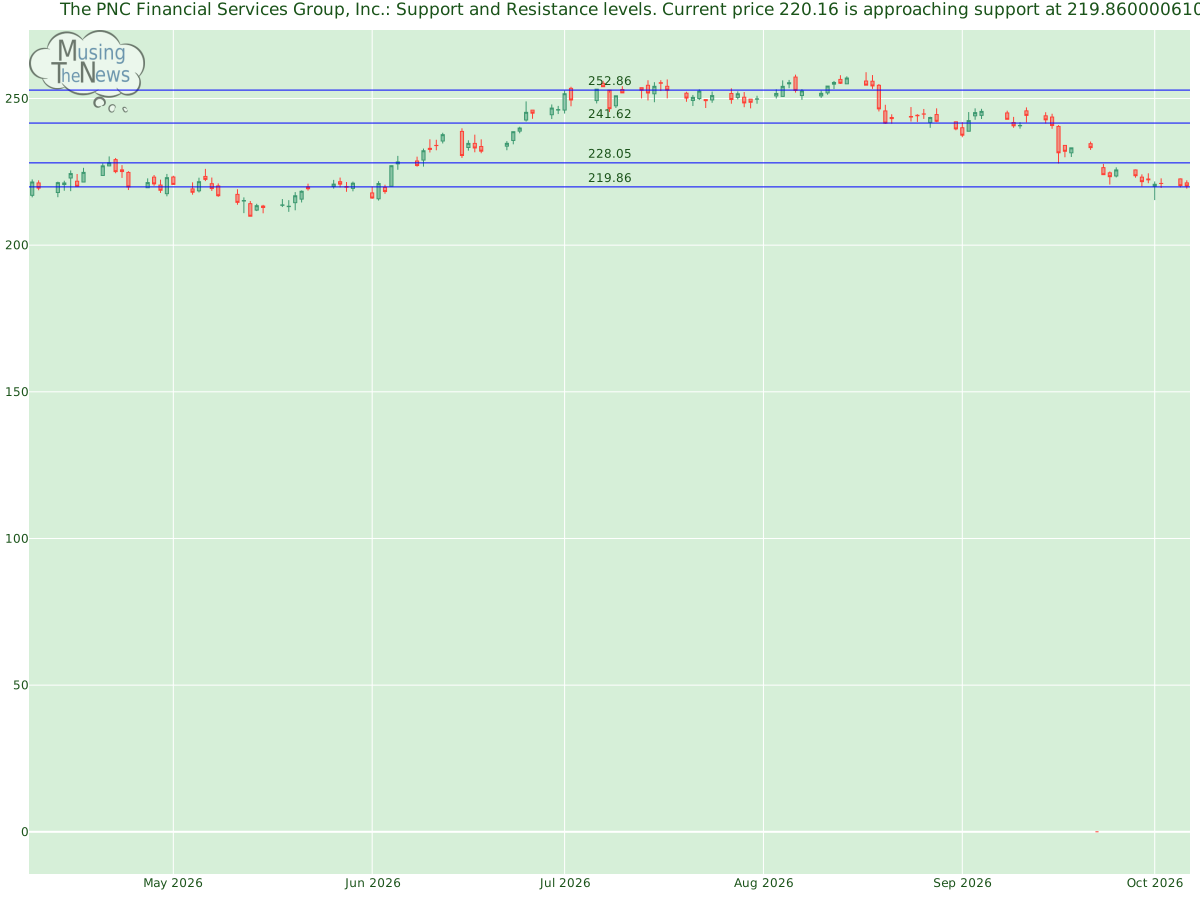
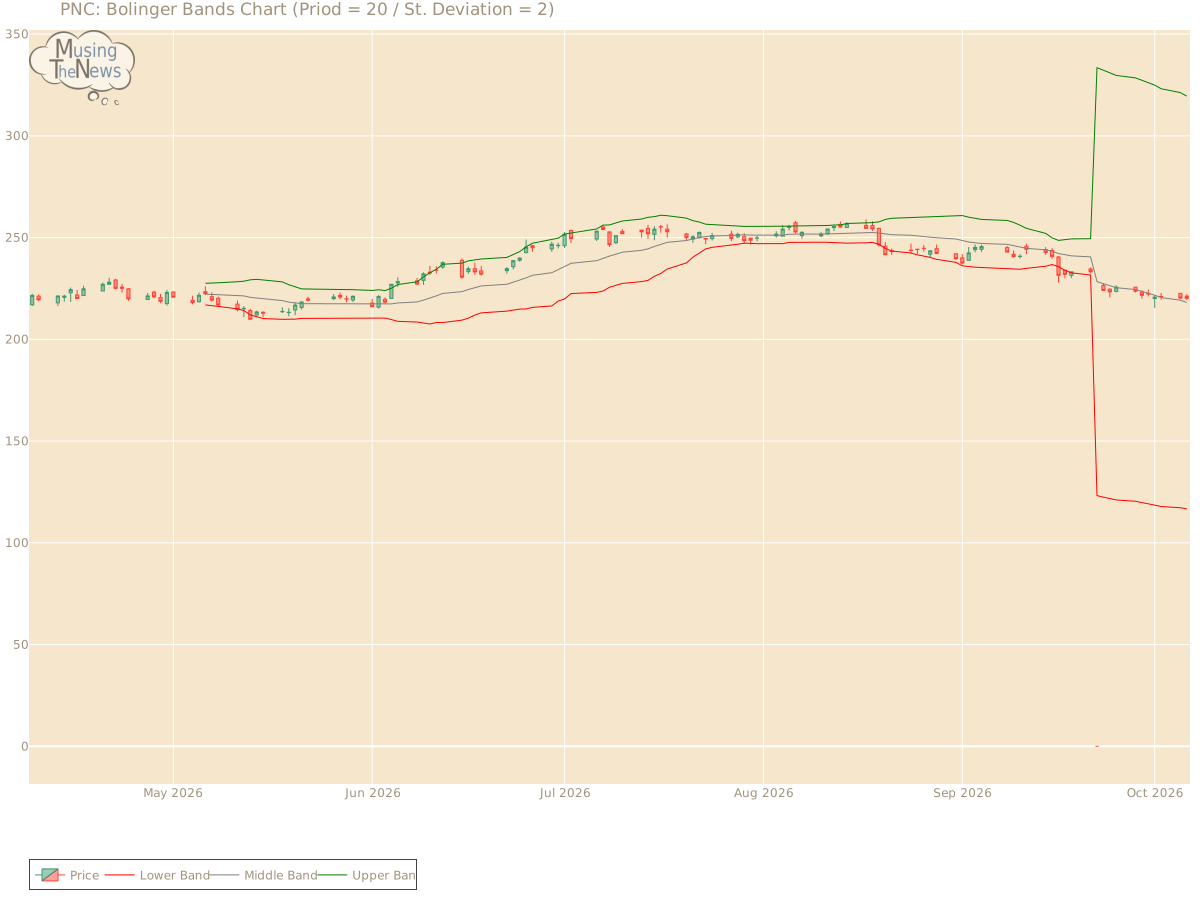
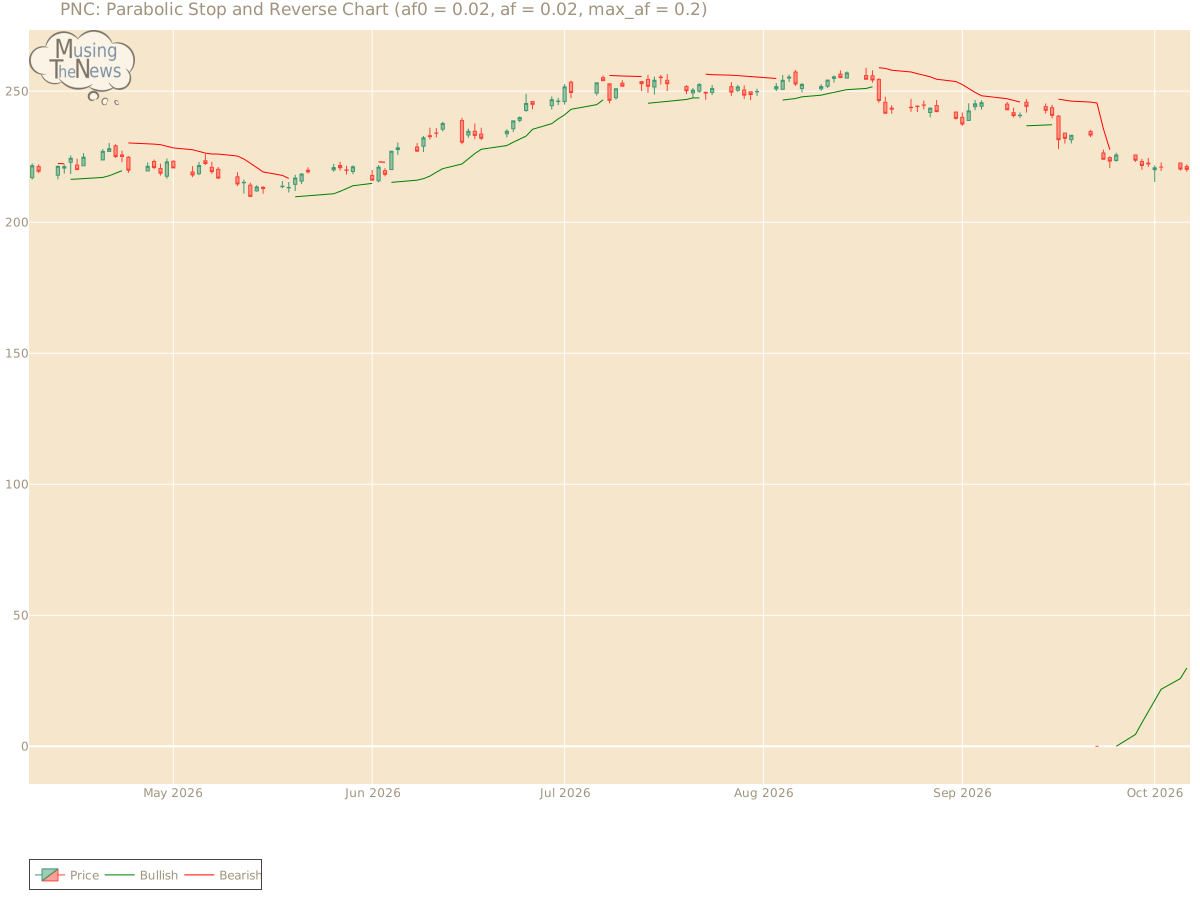
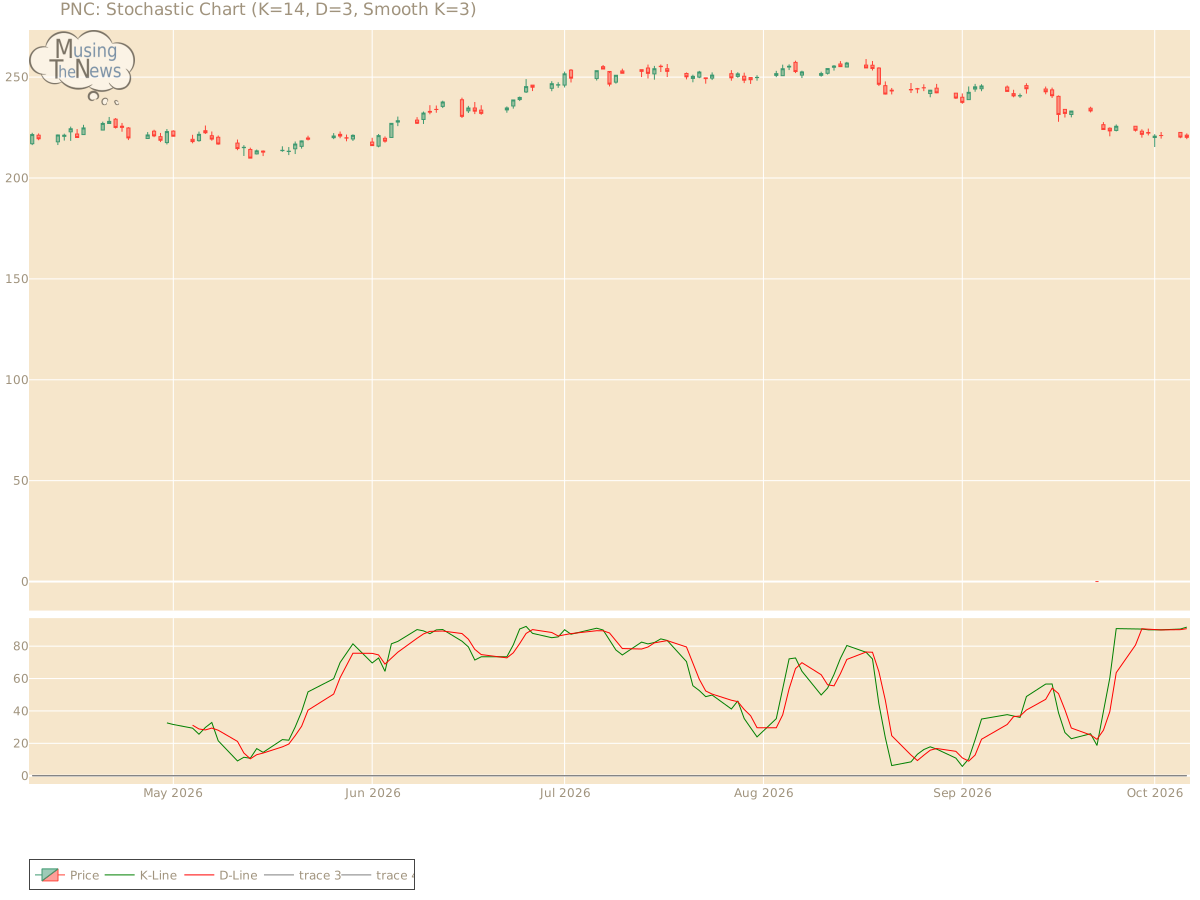
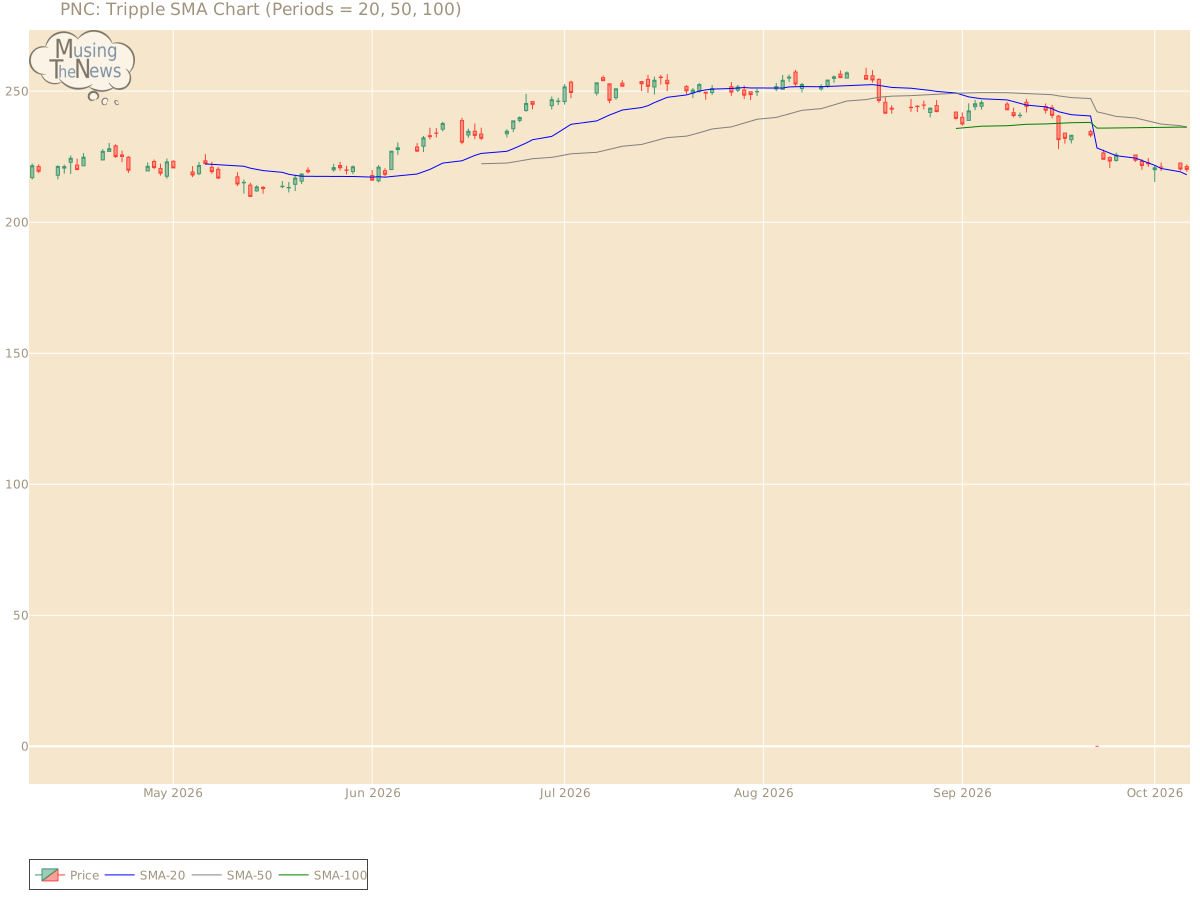
Support and Resistance: At 220.16, the price is held up by support at 219.86 and faces resistance at 228.05 for PNC. This suggests a trading range where 219.86 provides a base and 228.05 limits upward movement.Support/Resistance for PNCAroon: The AROON is showing a neutral stance, with no definitive indication of an upward or downward trend for PNC. This neutral position suggests a period of indecision in the market, making it difficult to predict the next move.Aroon chart for The PNC Financial Services Group, Inc.Bol. Bands: The BOLL BANDS is showing a neutral stance, not indicating a clear upward or downward trend for The PNC Financial Services Group, Inc.. This suggests a period of market balance, where neither side is showing dominance.Bolinger Bands chart for The PNC Financial Services Group, Inc.Parabolic SAR: The PSAR remains bullish in its outlook, reinforcing a key support level that could help sustain the market's upward movement for PNC. This support suggests that the bullish momentum is likely to persist, offering a foundation for further growth.Parabolic Stop and Reverse chart for The PNC Financial Services Group, Inc.Stochastic: The stochastic indicator shows bullish conditions, with the K-line positioned above the D-line and exceeding the 80 level. This setup suggests strong upward momentum, indicating that the market may continue to rise. Investors might view this as a favorable sign for continued growth.Stochastic chart for The PNC Financial Services Group, Inc.Tripple Moving Agerage: The 20, 50, and 100 moving averages are aligned in a bullish manner for PNC, but the weakening slopes of the 20 and 50 SMAs suggest that this trend might not last. The loss of momentum in these short-term averages could be a signal that the market is nearing a turning point, with a bearish reversal in price action potentially occurring soon.Tripple SMA chart for The PNC Financial Services Group, Inc. When analyzing a company, its fundamentals—such as earnings, management efficiency, and strategic initiatives—must be considered alongside technical data. The context of the industry in which the company operates also plays a key role, as market trends and competitive dynamics can significantly impact performance. By taking a comprehensive approach, combining both fundamental and technical analysis, one can gain a deeper understanding of the company's potential for growth or risk.