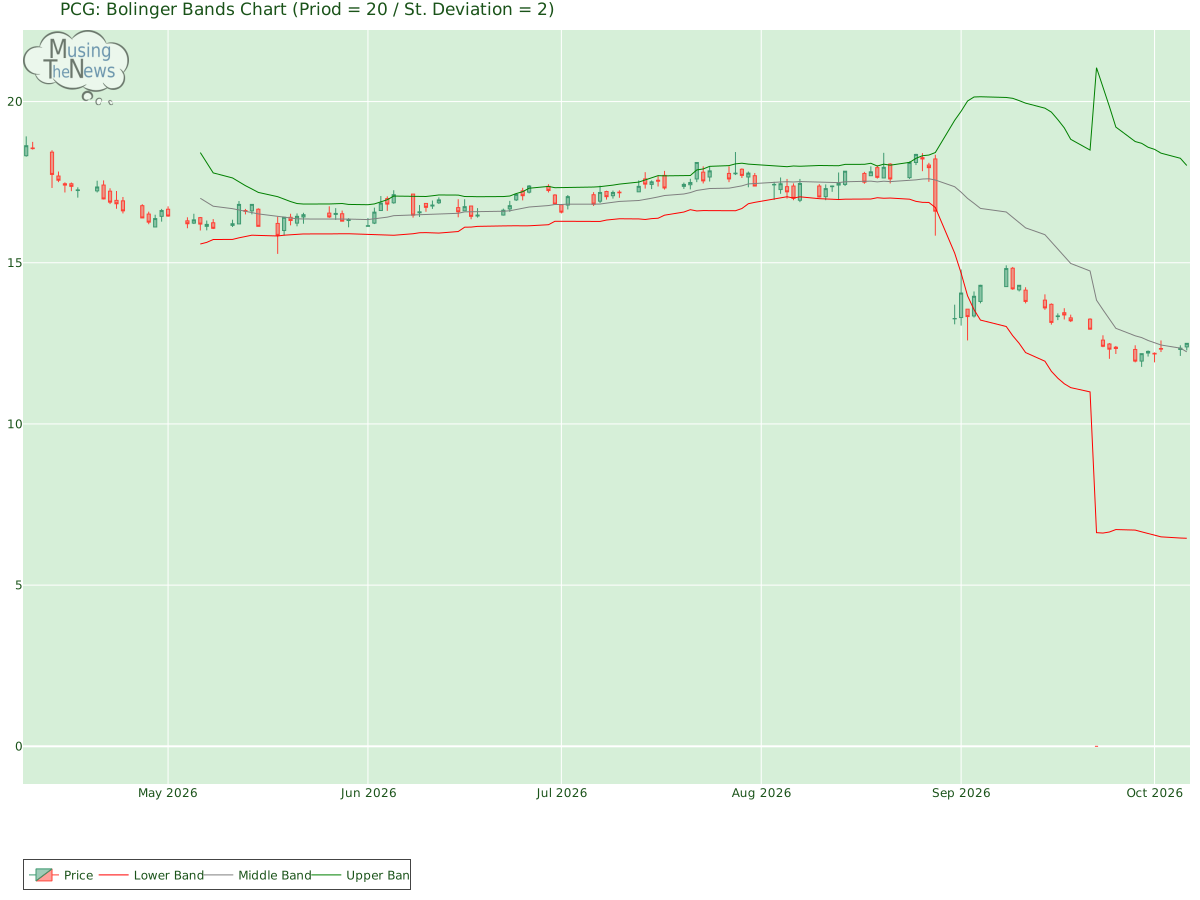
The BOLL BANDS is currently neutral, showing no clear bias toward an upward or downward trend. This suggests that the market may be in a phase of indecision or consolidatio...
By MusingTheNews
Updated 2026-10-07 23:26:46
Overall Technical outlook
Price Summary
On 2026-10-06, PCG's stock began at 12.39, peaked at 12.5, dipped to 12.28, and closed up 0.89% at 12.5, with a volume of 25102000 shares. The stock reached its highest price of 19.06 and lowest price of 0.0 over the last 52 weeks.
Technicals
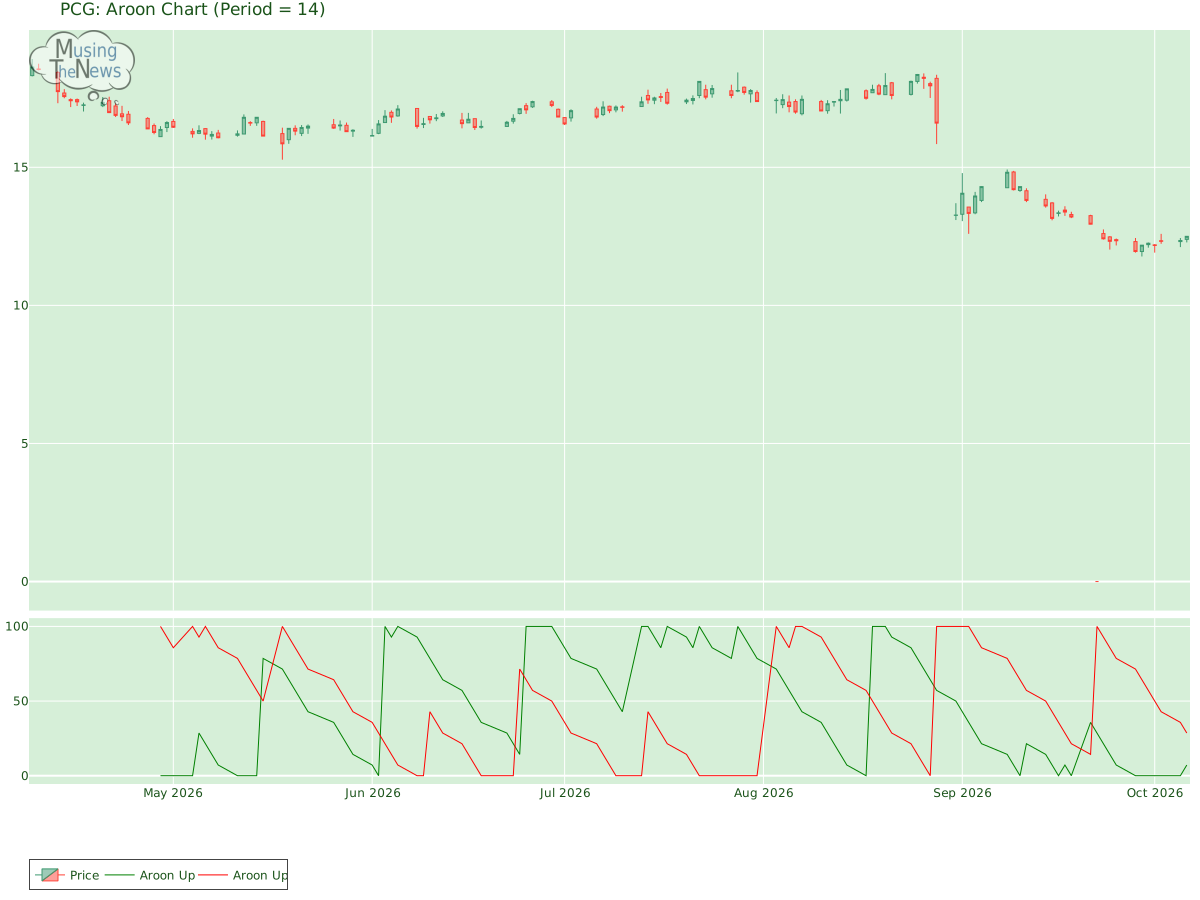
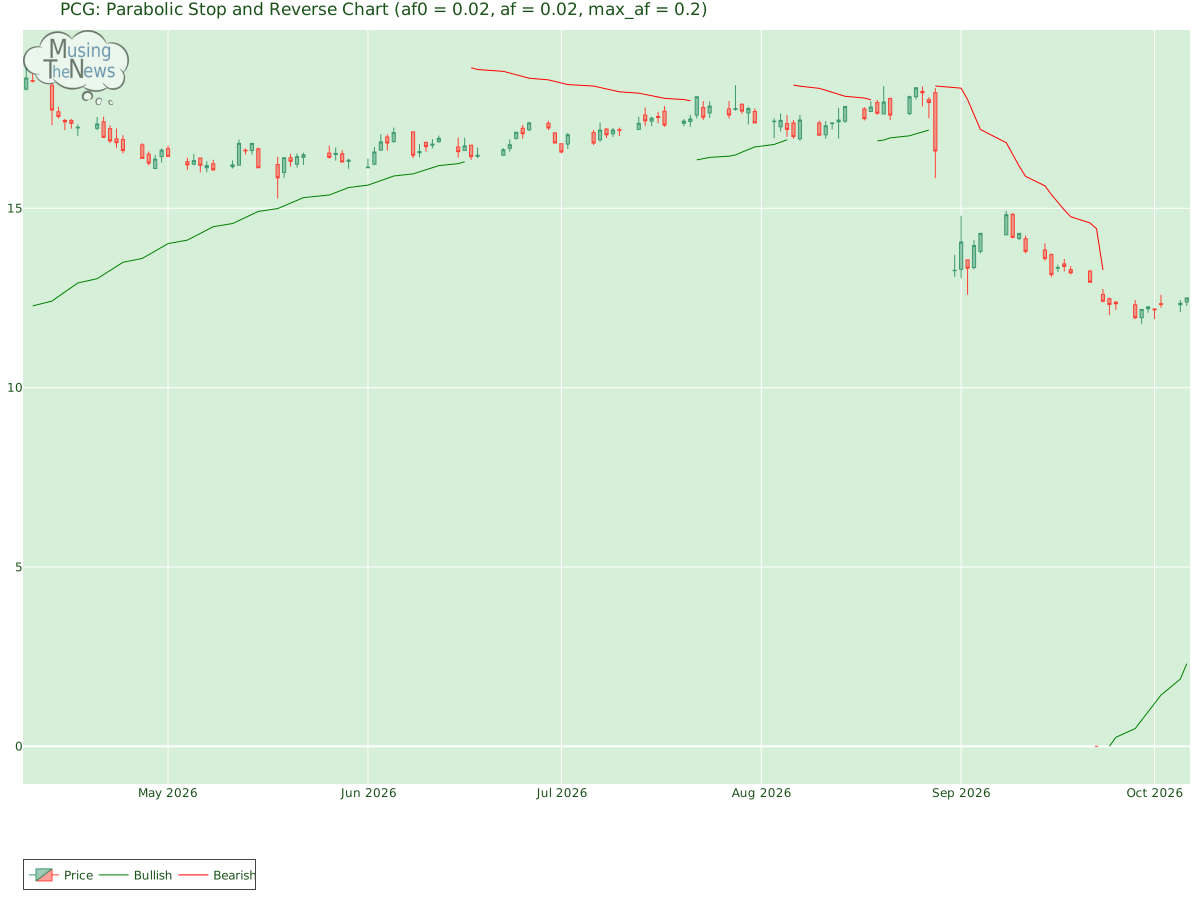
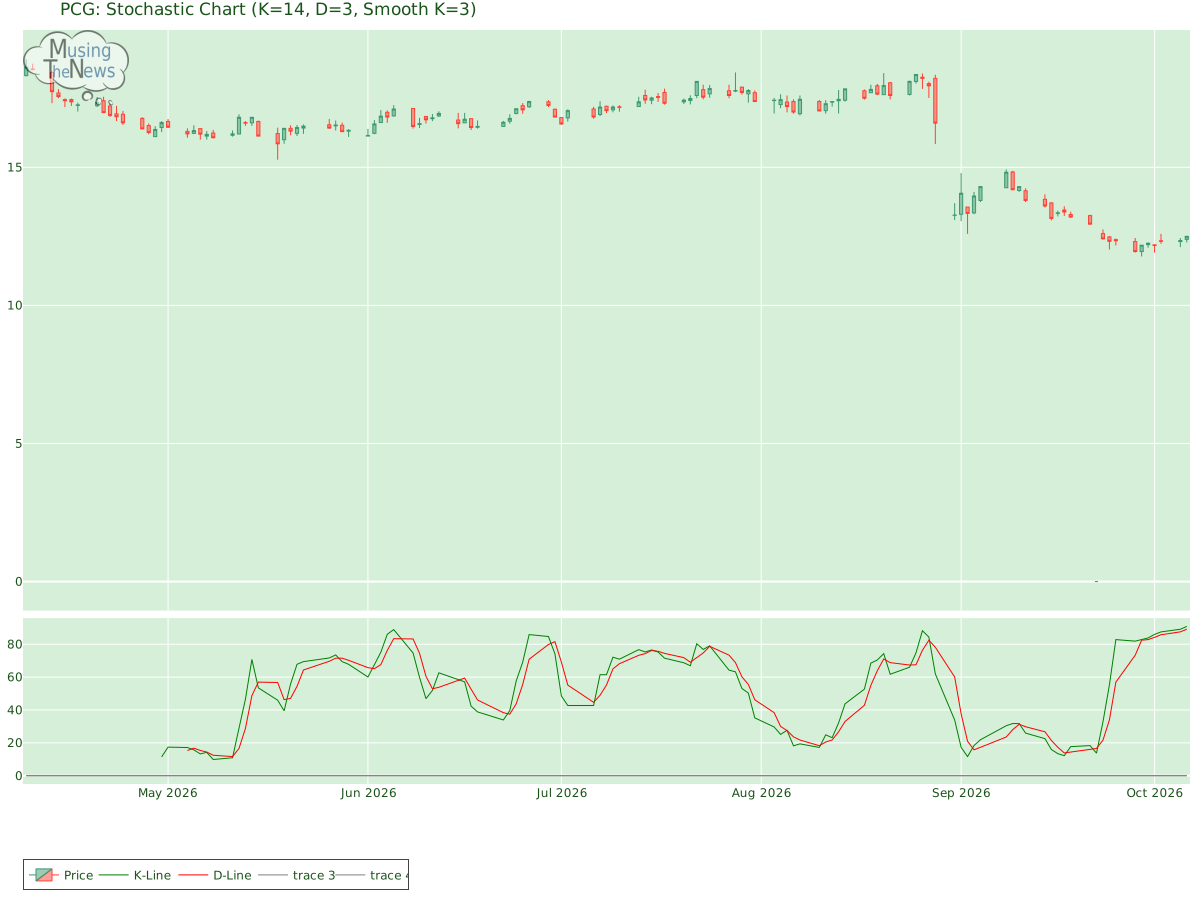
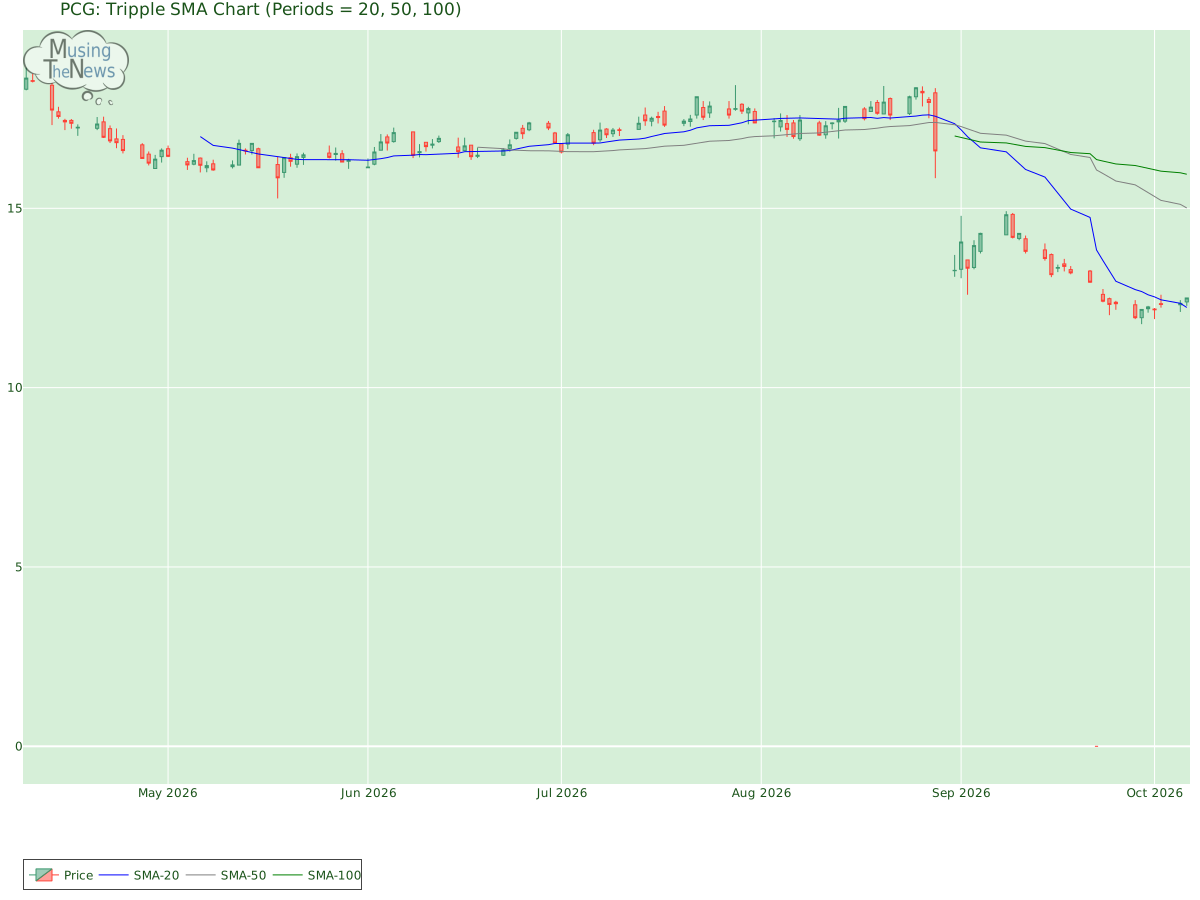
Aroon: The current reading of the AROON is neutral for PCG, with no clear signals for an upward or downward trend. This indicates that the market may be in a state of uncertainty, with no dominant force driving the direction.Aroon chart for PG&E CorporationBol. Bands: The BOLL BANDS is currently neutral, showing no clear bias toward an upward or downward trend. This suggests that the market may be in a phase of indecision or consolidation.Bolinger Bands chart for PG&E CorporationParabolic SAR: The PSAR maintains its bullish stance, setting a significant support level that could help maintain the market's upward movement. This strong support suggests that the market is poised to continue its positive trend, providing confidence in the ongoing bullish momentum.Parabolic Stop and Reverse chart for PG&E CorporationStochastic: The stochastic indicator for PG&E Corporation reflects a bullish sentiment, as the K-line is above both the D-line and the 80 threshold. This setup points to strong upward momentum, implying that the market may continue to rise. Traders could consider this as an indication of sustained bullish activity.Stochastic chart for PG&E CorporationTripple Moving Agerage: A bullish trend is reflected in the alignment of the 20-50-100 period moving averages, though the slopes of the faster averages hint at a possible reversal. This weakening momentum suggests that while the overall trend is still upward, traders should be cautious of a potential shift in the near future.Tripple SMA chart for PG&E Corporation When evaluating a company, it is crucial to examine its fundamentals, including its financial statements, management structure, and market position. Additionally, understanding the broader industry trends, competition, and regulatory landscape helps to create a well-rounded view. By assessing both the company's internal factors and the external environment in which it operates, you can extract more valuable insights from its technical performance, such as stock price movements and trading patterns.