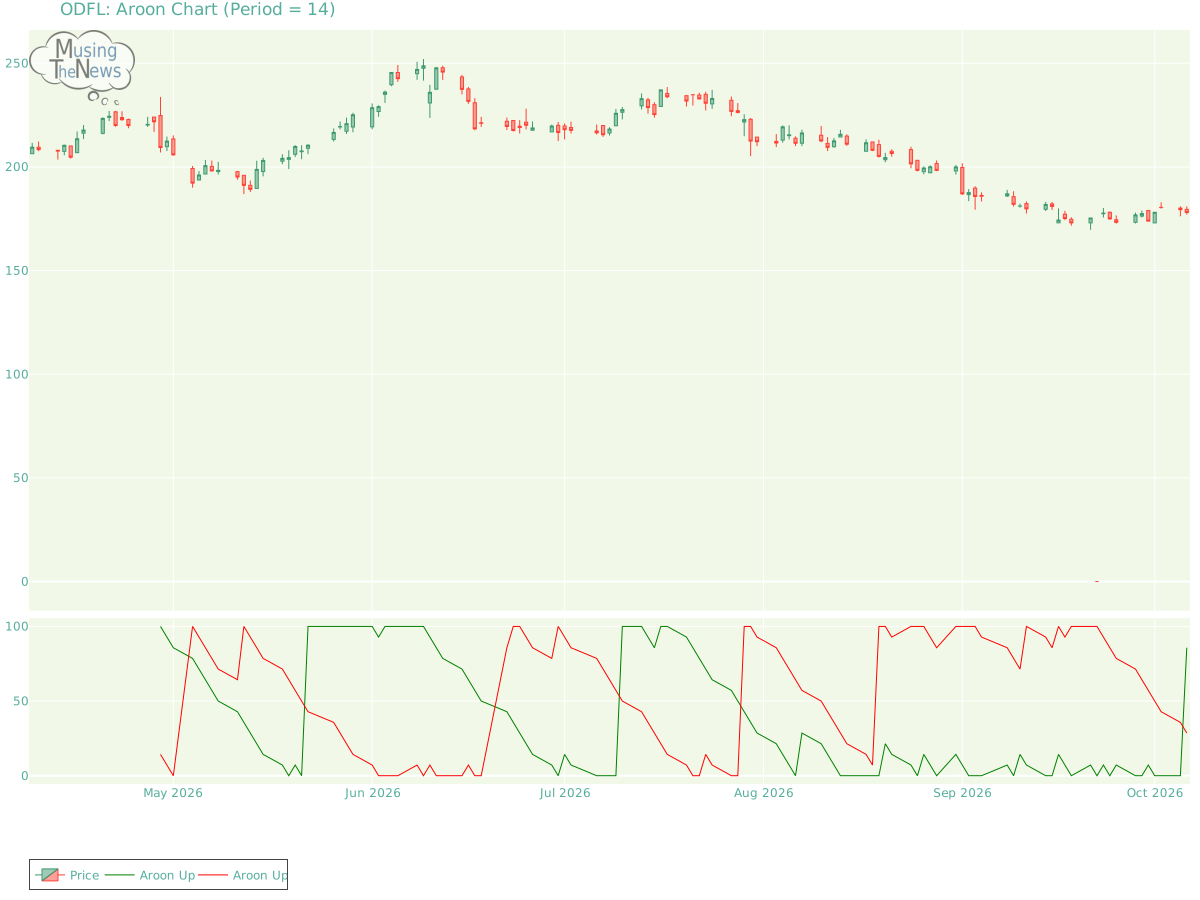
The AROON is currently neutral, showing no clear bias toward an upward or downward trend. This suggests that the market may be in a phase of indecision or consolidation.
By MusingTheNews
Updated 2026-10-07 23:26:43
Overall Technical outlook
Price Summary
On 2026-10-06, ODFL's stock started at 179.54, reached a high of 180.97, fell to 177.0, and ended -0.85% down at 178.02, with 1726800 shares traded. The highest price the stock achieved in the past 52 weeks is 248.73, while the lowest price it saw is 0.0.
Technicals
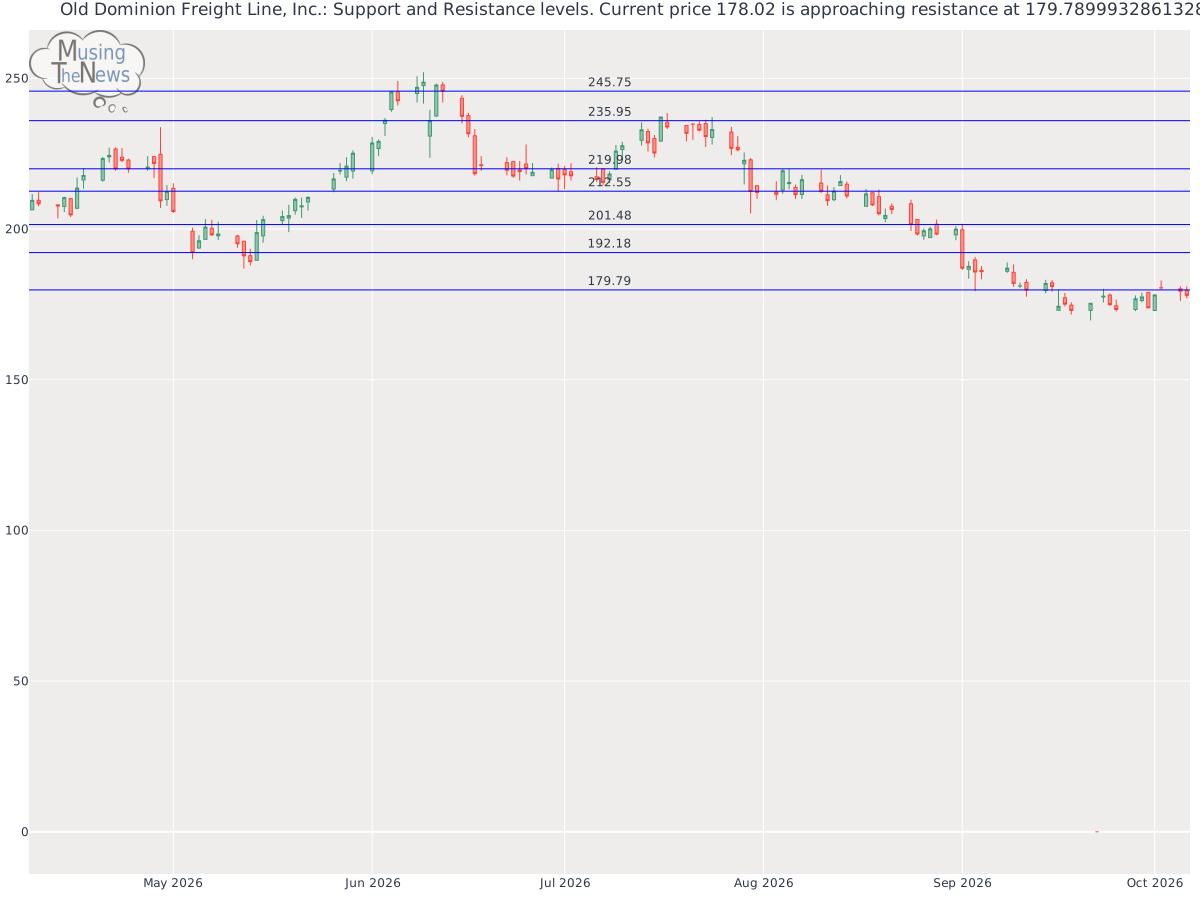
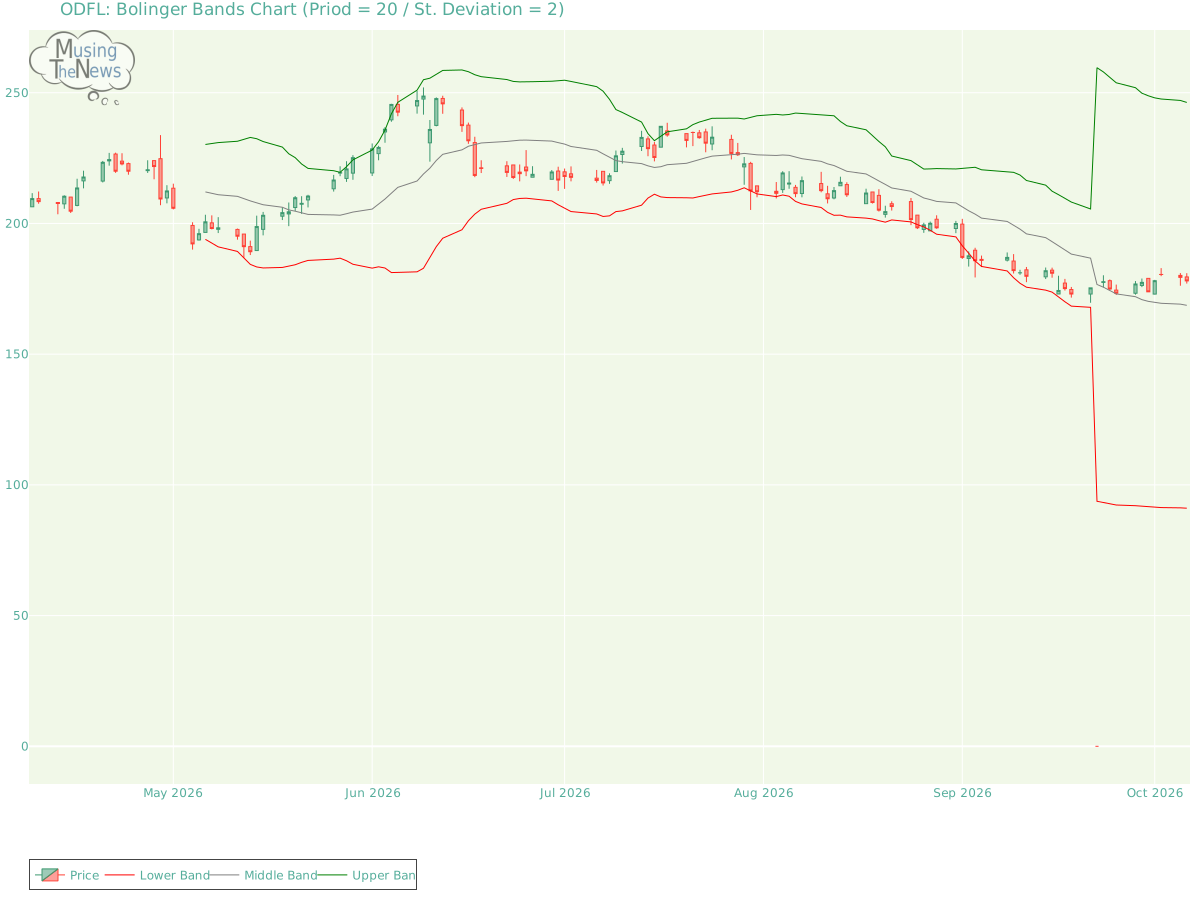
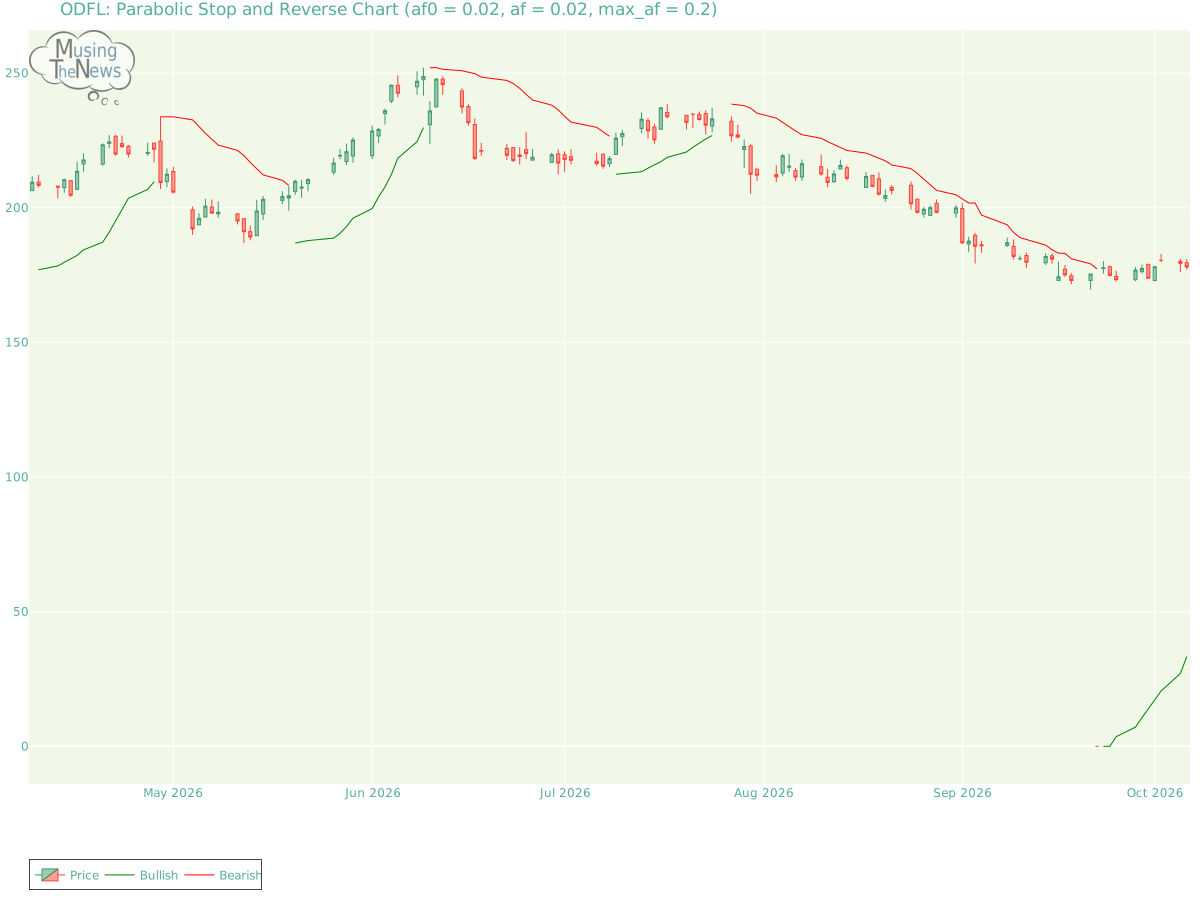
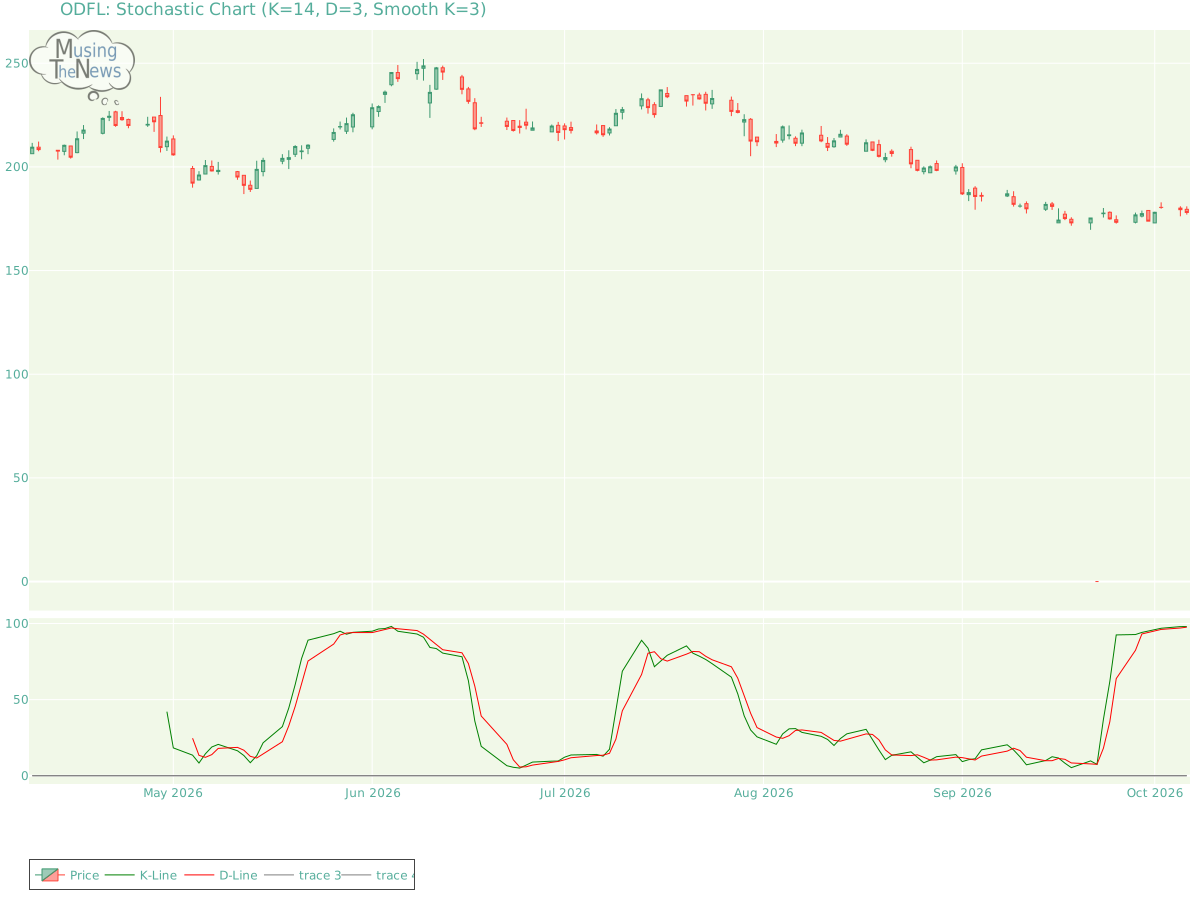
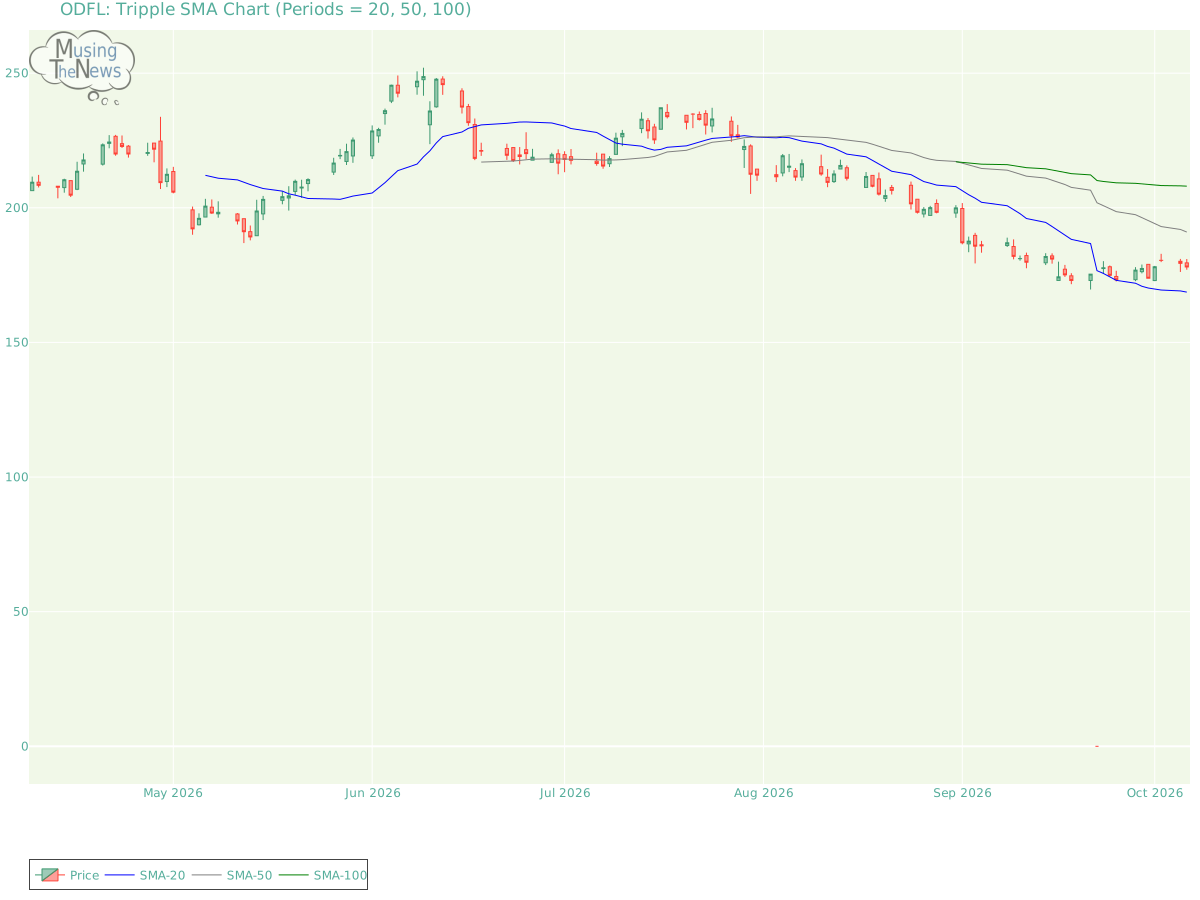
Support and Resistance: The price sits at 178.02, supported by 179.79 and resisted by 179.79. This indicates a trading range where 179.79 provides a floor, preventing declines, and 179.79 acts as a ceiling, limiting further price increases for ODFL.Support/Resistance for ODFLAroon: The AROON is currently neutral, showing no clear bias toward an upward or downward trend. This suggests that the market may be in a phase of indecision or consolidation.Aroon chart for Old Dominion Freight Line, Inc.Bol. Bands: The BOLL BANDS is in a neutral stance, not pointing to a clear trend in either direction. This suggests that the market may be lacking strong momentum, making it difficult to predict the next move.Bolinger Bands chart for Old Dominion Freight Line, Inc.Parabolic SAR: The PSAR remains bullish in its outlook, setting a key support level that could sustain the ongoing upward trend. This strong support indicates that the market may continue to rise, with the bullish momentum likely to persist for ODFL.Parabolic Stop and Reverse chart for Old Dominion Freight Line, Inc.Stochastic: The stochastic indicator is in a bullish mode, with the K-line crossing above the D-line and the 80 level for ODFL. This alignment suggests strong upward momentum, indicating that the market may continue to trend higher. Investors could interpret this as a positive sign of sustained market growth.Stochastic chart for Old Dominion Freight Line, Inc.Tripple Moving Agerage: The alignment of the 20-50-100 period moving averages suggests a bullish trend, but the slopes of the faster averages raise the possibility of a reversal for ODFL. The weakening momentum in these shorter-term averages hints that the upward trend might be losing strength, suggesting that caution may be warranted.Tripple SMA chart for Old Dominion Freight Line, Inc. To properly assess the technical data of a company, it's important to first look at its fundamentals, such as its earnings, growth potential, and management effectiveness. Equally, understanding the industry trends, competition, and external economic factors that influence the company is vital. This holistic view helps draw meaningful conclusions about the company's technical performance, allowing investors to better gauge its stock price behavior, volatility, and market trends.