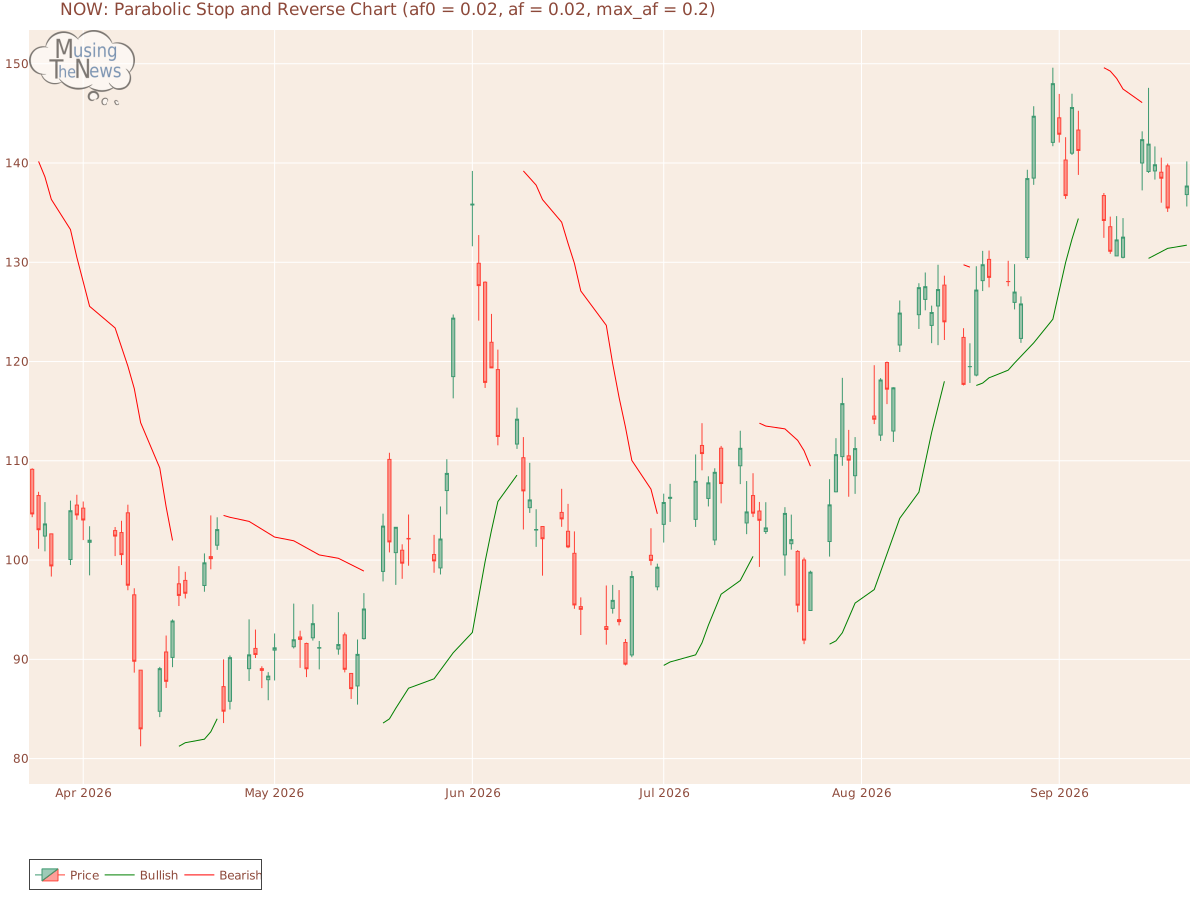
The PSAR maintains a bullish outlook, reinforcing a support level that could help uphold the market's upward trend. This suggests that the market is likely to continue clim...
By MusingTheNews
Updated 2026-09-23 02:47:42
Overall Technical outlook
Price Summary
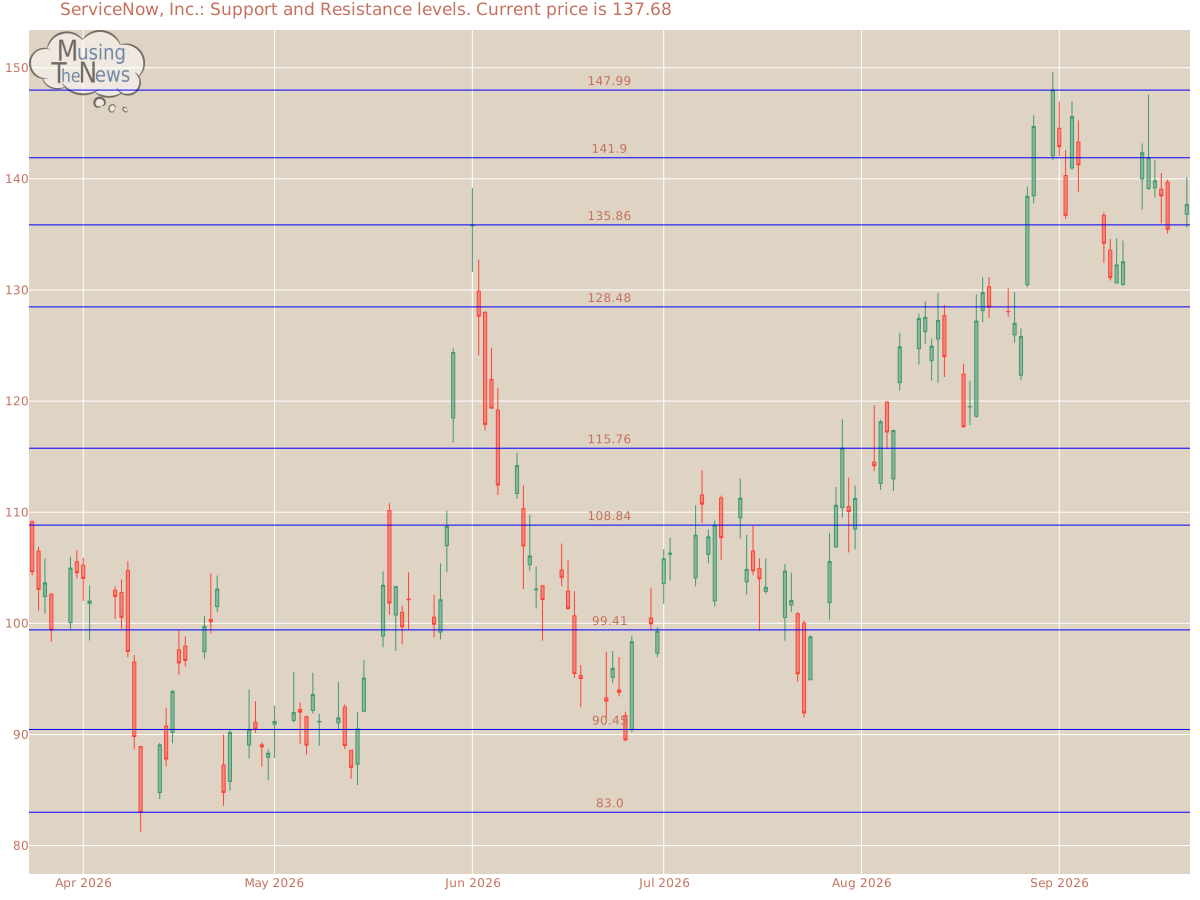
On 2026-09-21, ServiceNow, Inc.'s stock began at 136.82, peaked at 140.16, bottomed at 135.62, and closed 0.63% up at 137.68, with a volume of 10878400 shares. The stock's highest price in the past 52 weeks is 189.26, while its lowest price during the same period is 83.0.
Technicals
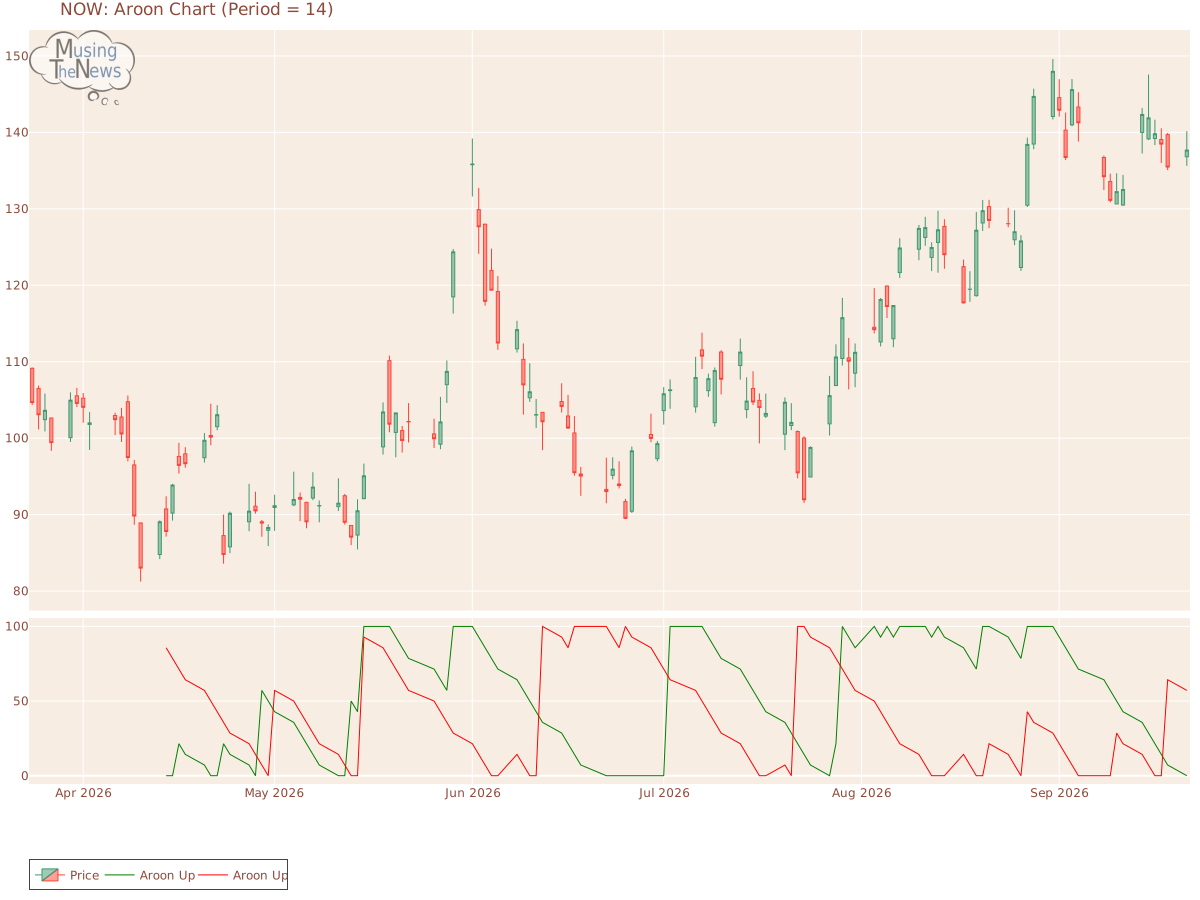
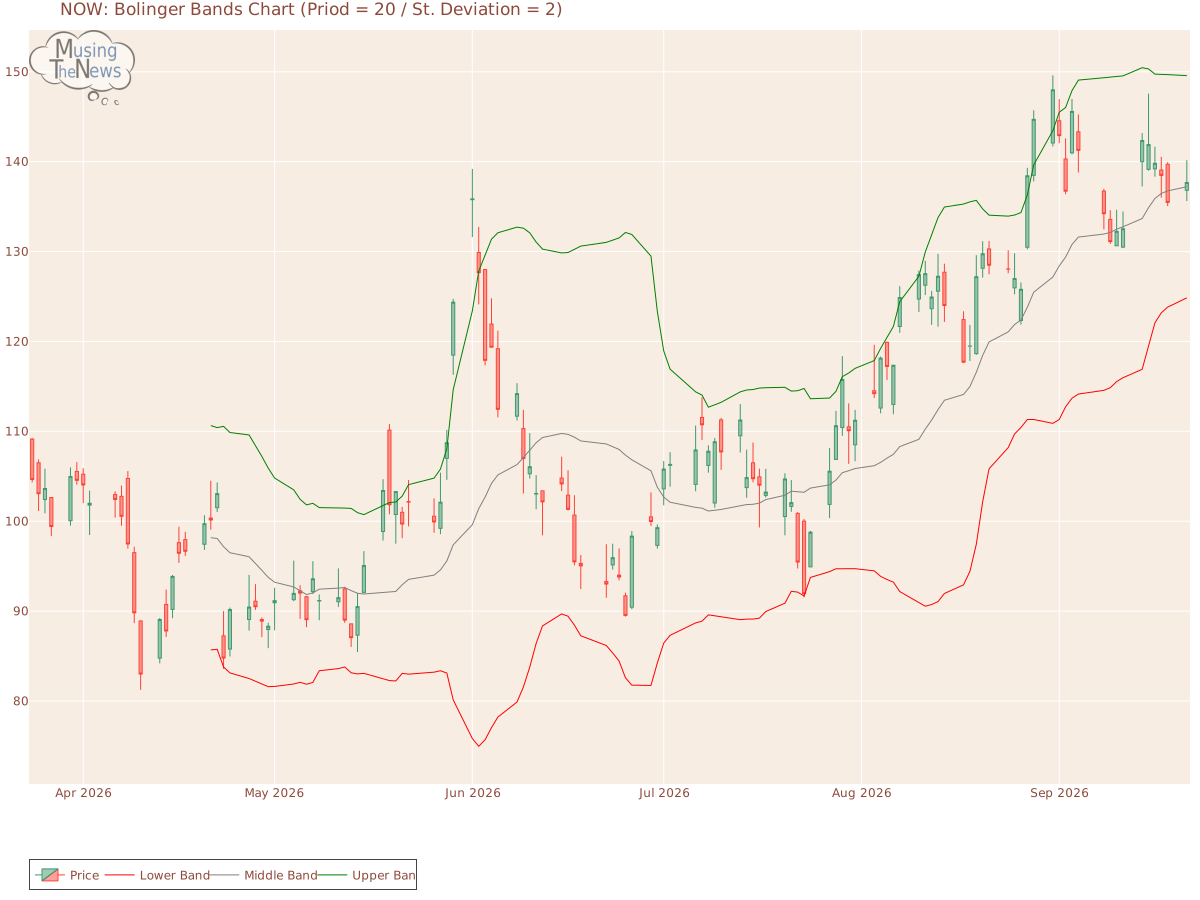
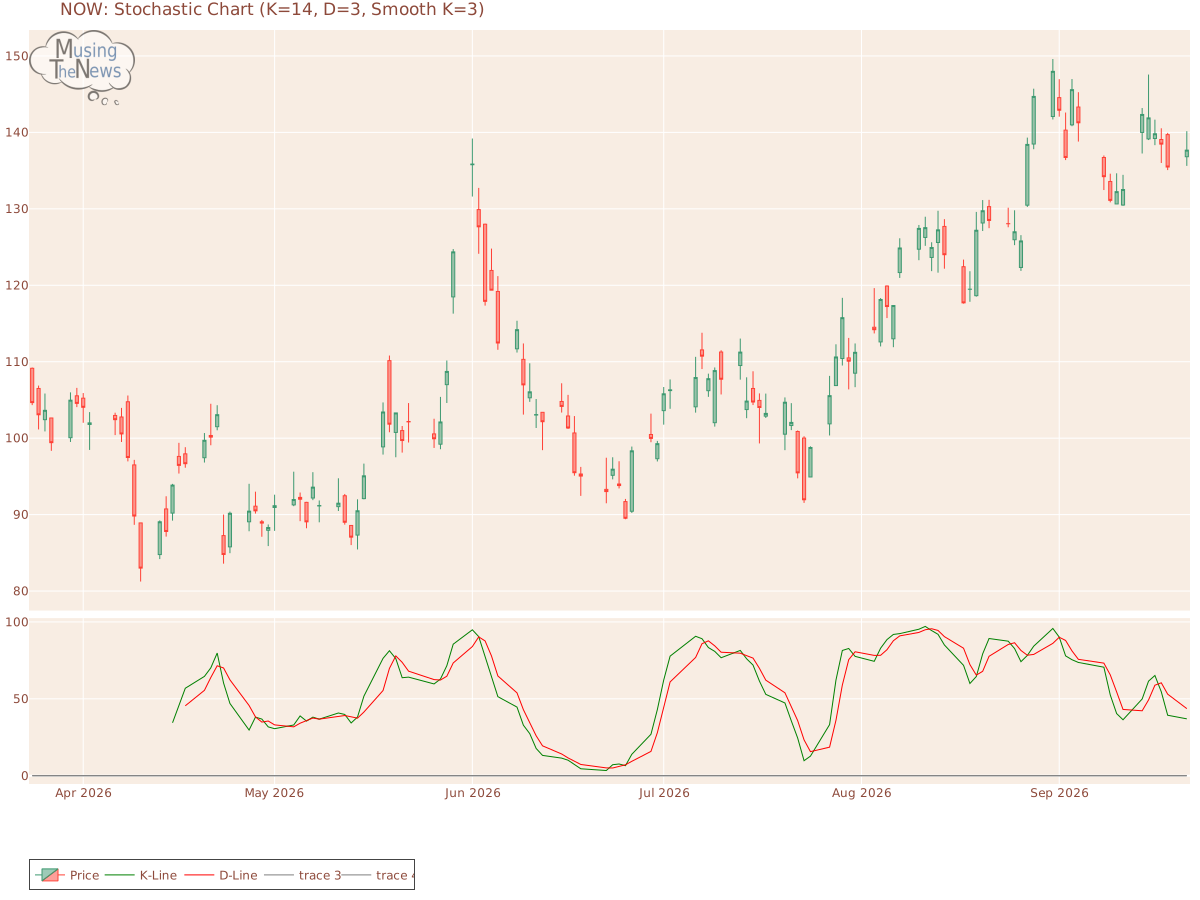
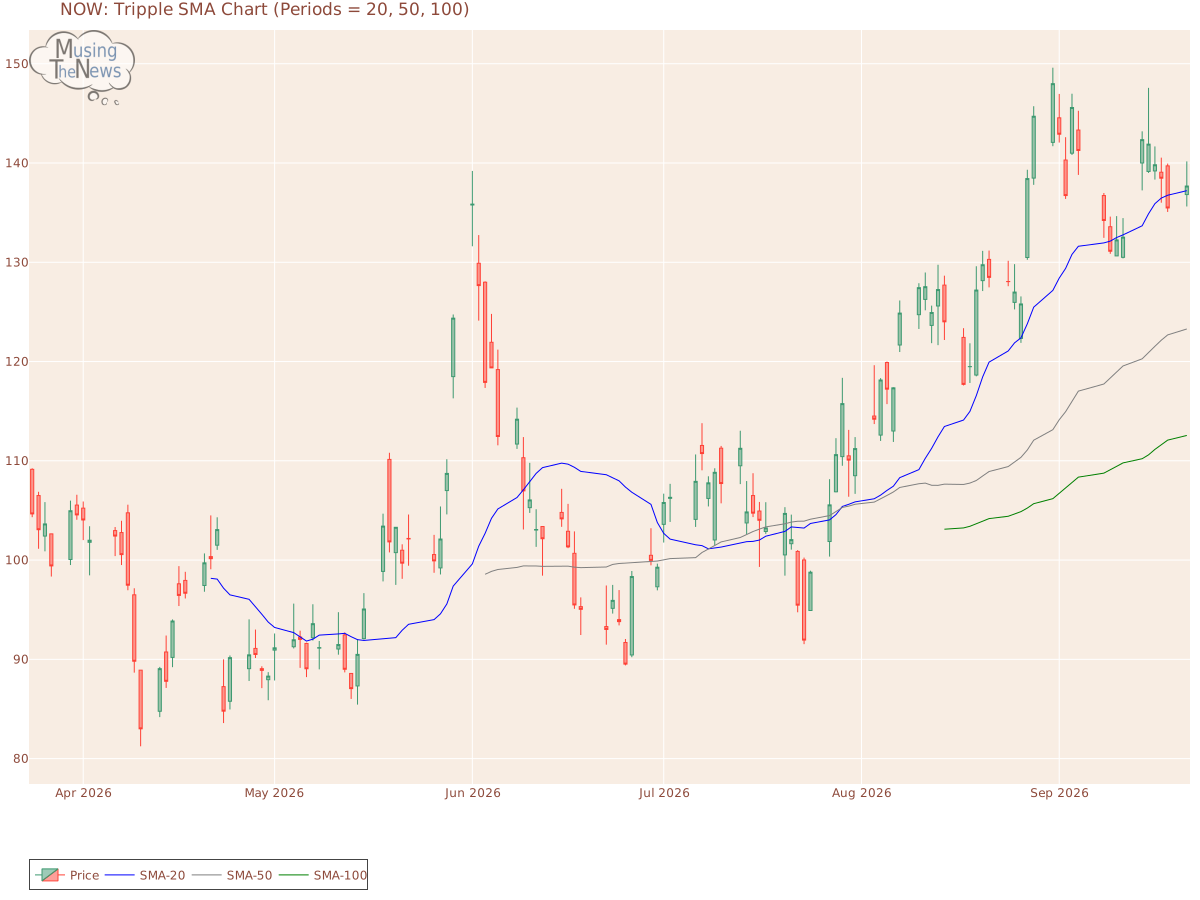
Support and Resistance: The price for NOW at 137.68 is supported by the 135.86 level and faces resistance at 141.9. This range indicates key levels where the price may find buyers near 135.86 and sellers near 141.9, defining a trading range.Support/Resistance for NOWAroon: The current state of the AROON is neutral, offering no clear signals of movement in either direction. This suggests a potential pause in market activity, with no strong trend emerging at the moment.Aroon chart for ServiceNow, Inc.Bol. Bands: The BOLL BANDS is in a neutral stance, with no clear signals for movement up or down. This neutral position indicates a potential period of consolidation or uncertainty in the market.Bolinger Bands chart for ServiceNow, Inc.Parabolic SAR: The PSAR maintains a bullish outlook, reinforcing a support level that could help uphold the market's upward trend. This suggests that the market is likely to continue climbing, with the support providing a solid base for further gains.Parabolic Stop and Reverse chart for ServiceNow, Inc.Stochastic: The STOCHASTIC is currently neutral, offering no clear guidance on market direction. This suggests that the market may be in a state of pause, with no strong trend emerging.Stochastic chart for ServiceNow, Inc.Tripple Moving Agerage: The 20, 50, and 100 moving averages are currently aligned bearishly, pointing to a downtrend. However, the slopes of the 20 and 50 SMAs are showing signs of wavering, suggesting that this bearish momentum may be weakening. This could indicate that a bullish reversal is imminent, with the market potentially shifting from its current downward trend to a more positive, upward trajectory.Tripple SMA chart for ServiceNow, Inc. The technical analysis of a company's stock performance is valuable, but only when considered in conjunction with the company's fundamentals. These fundamentals, including financial strength, earnings growth, and leadership, provide a foundation for understanding market movements. Additionally, industry trends and competitive pressures play an important role. By integrating both fundamental and technical analysis, one can better evaluate the company's true potential and make more informed investment decisions.