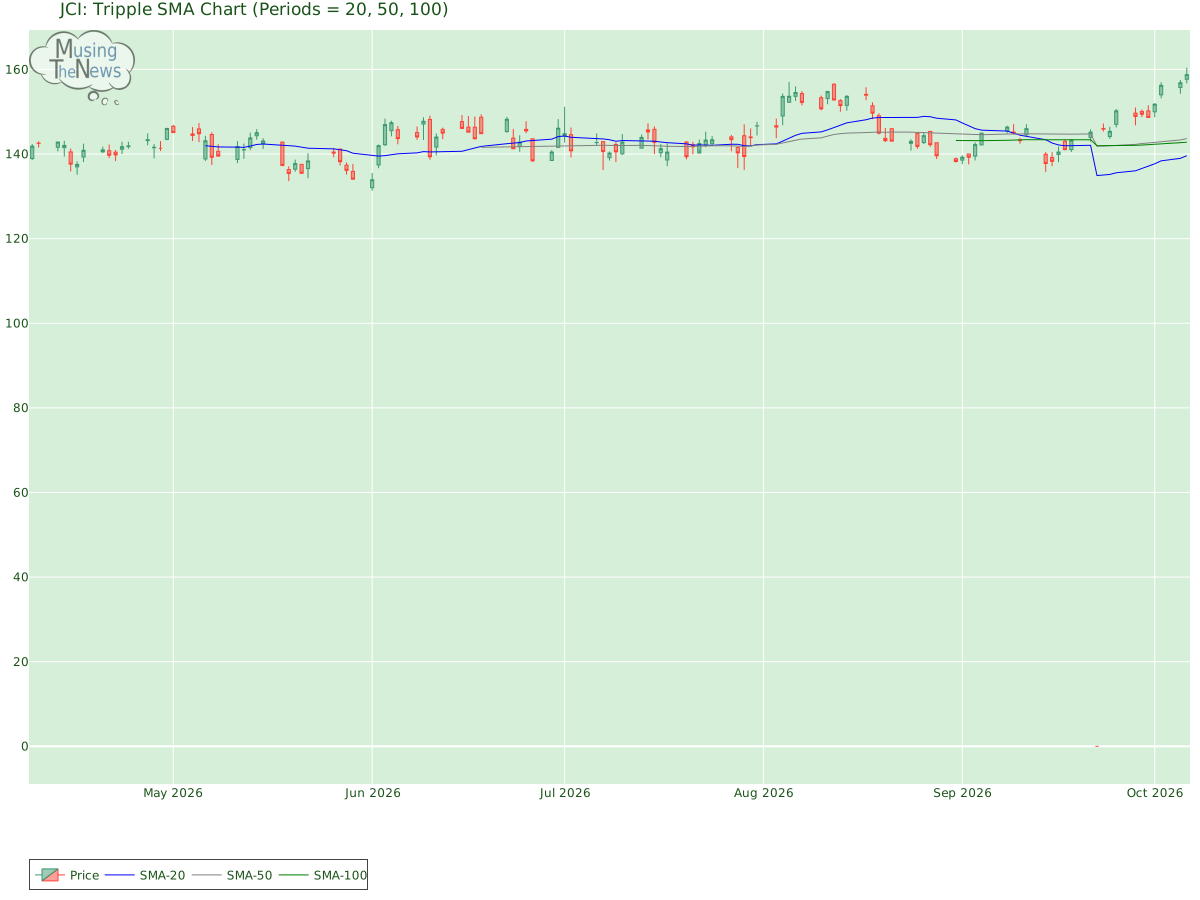
The Tripple MOVING AVG is showing a neutral reading, with no clear direction indicated for upward or downward movement. This neutral position suggests a possible period of ...
By MusingTheNews
Updated 2026-10-07 23:26:29
Overall Technical outlook
Price Summary
On 2026-10-06, Johnson Controls International plc's stock opened at 157.67, reached a high of 160.41, dropped to a low of 156.73, and closed up 0.69% at 158.76, with a trading volume of 3790400 shares. In the last 52 weeks, the stock's top price was 158.76 and the bottom price was 0.0.
Technicals
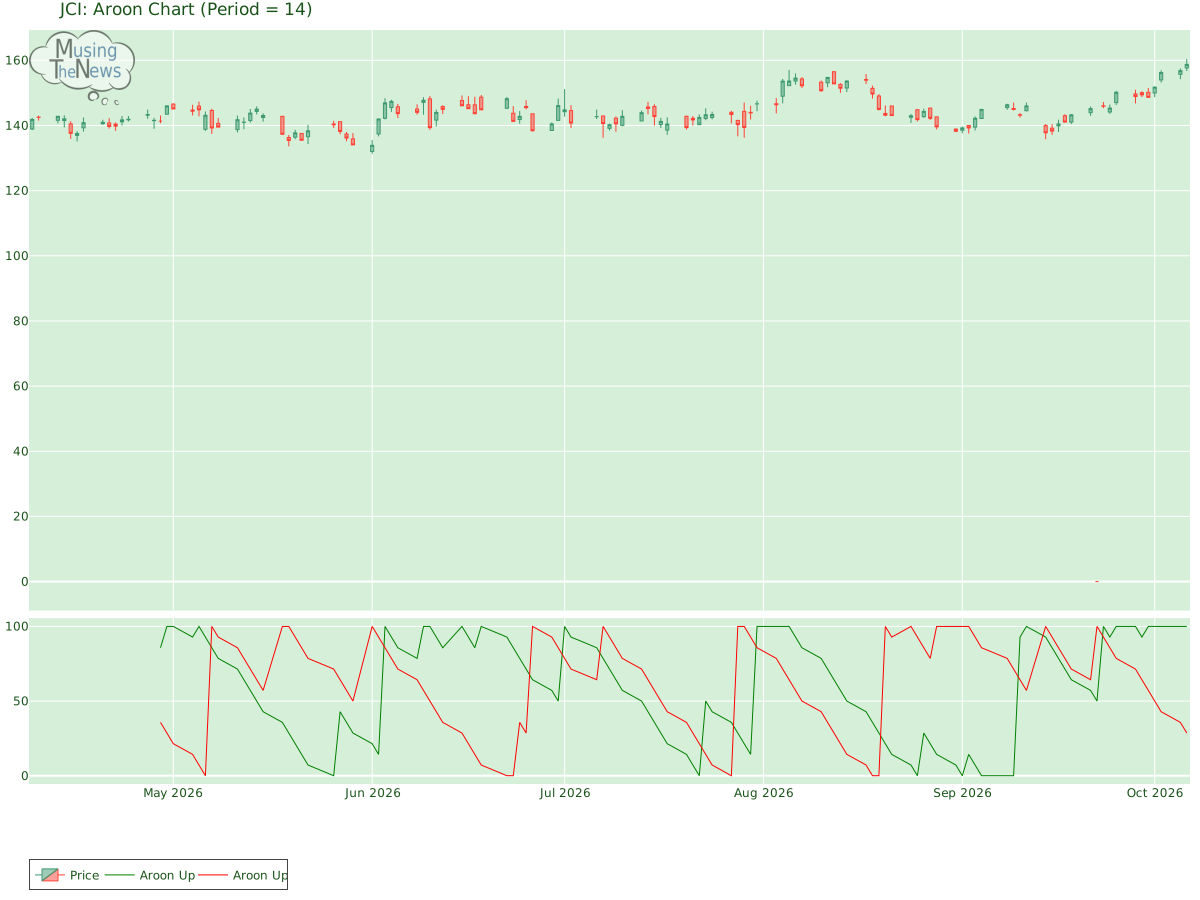
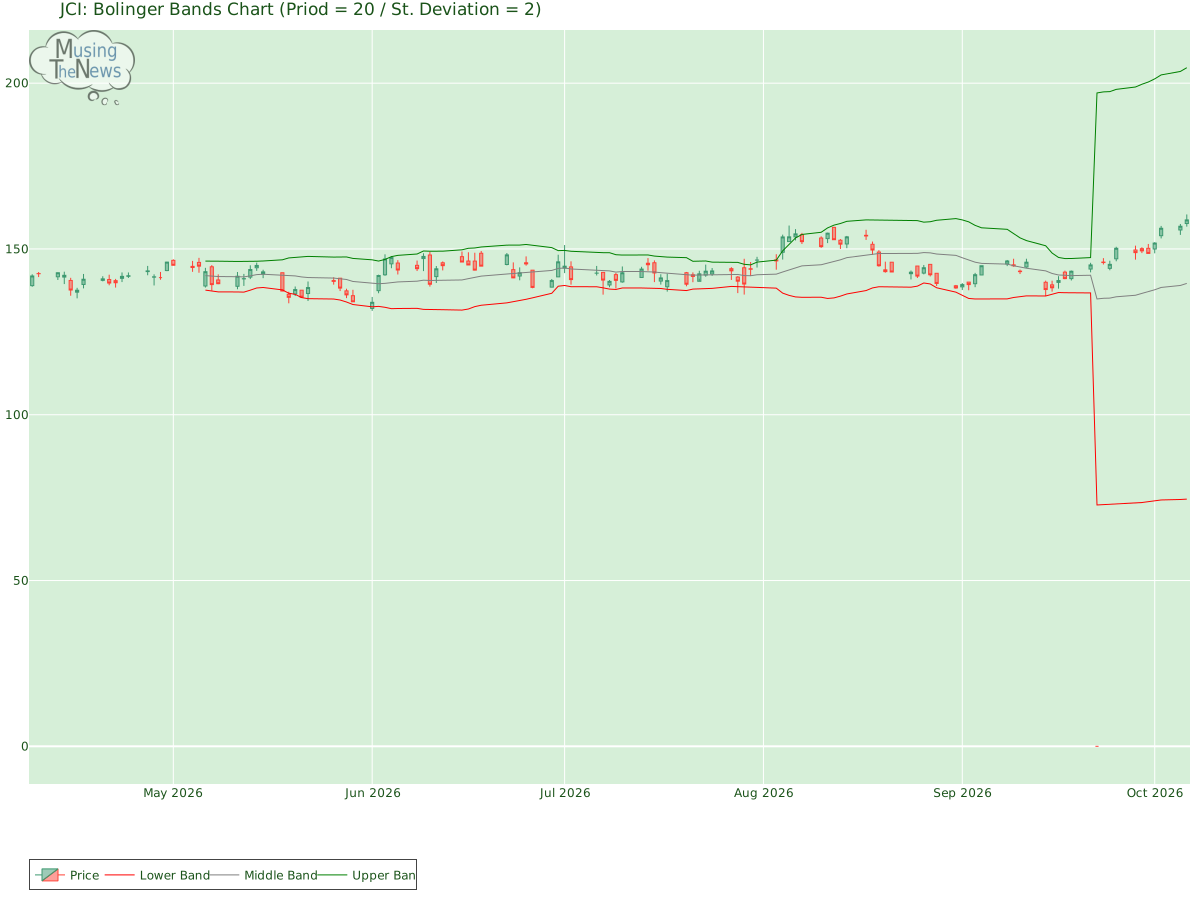
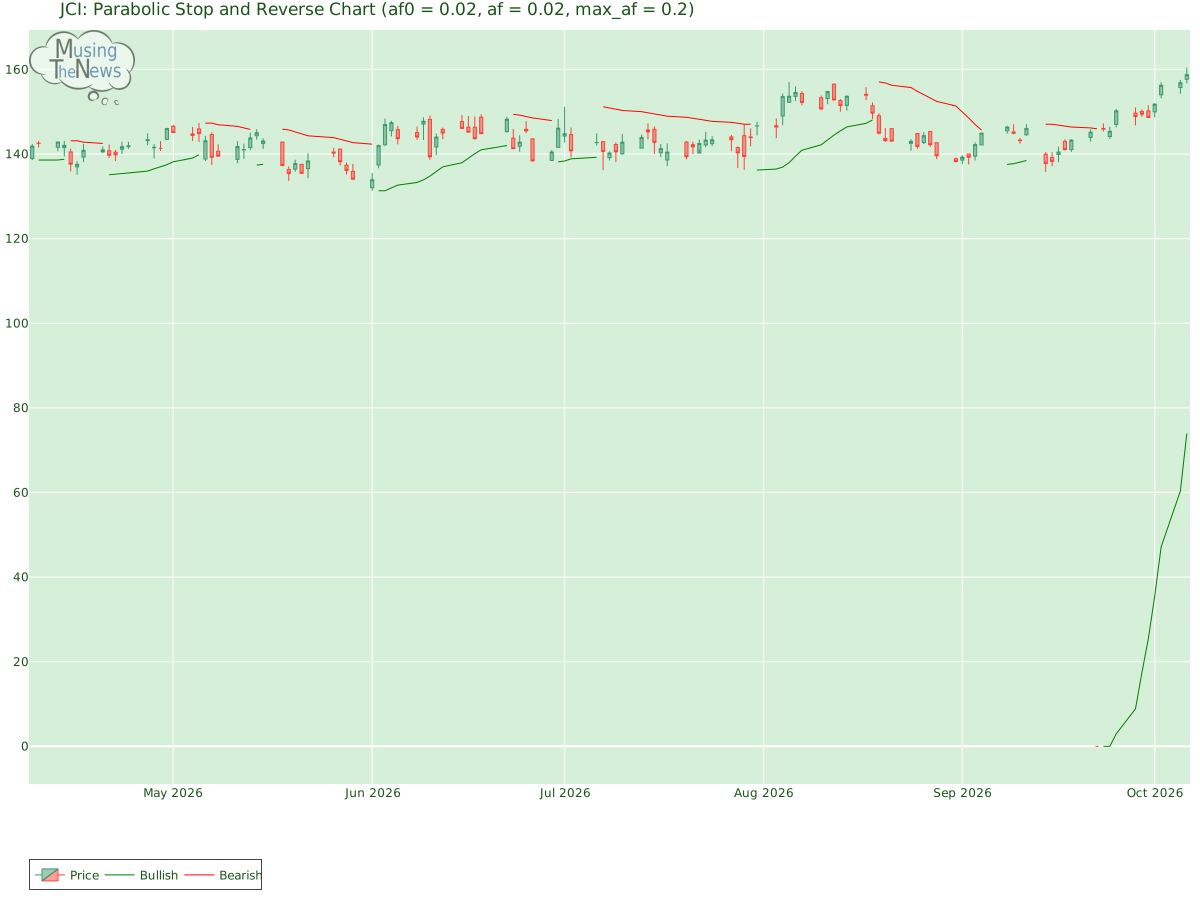
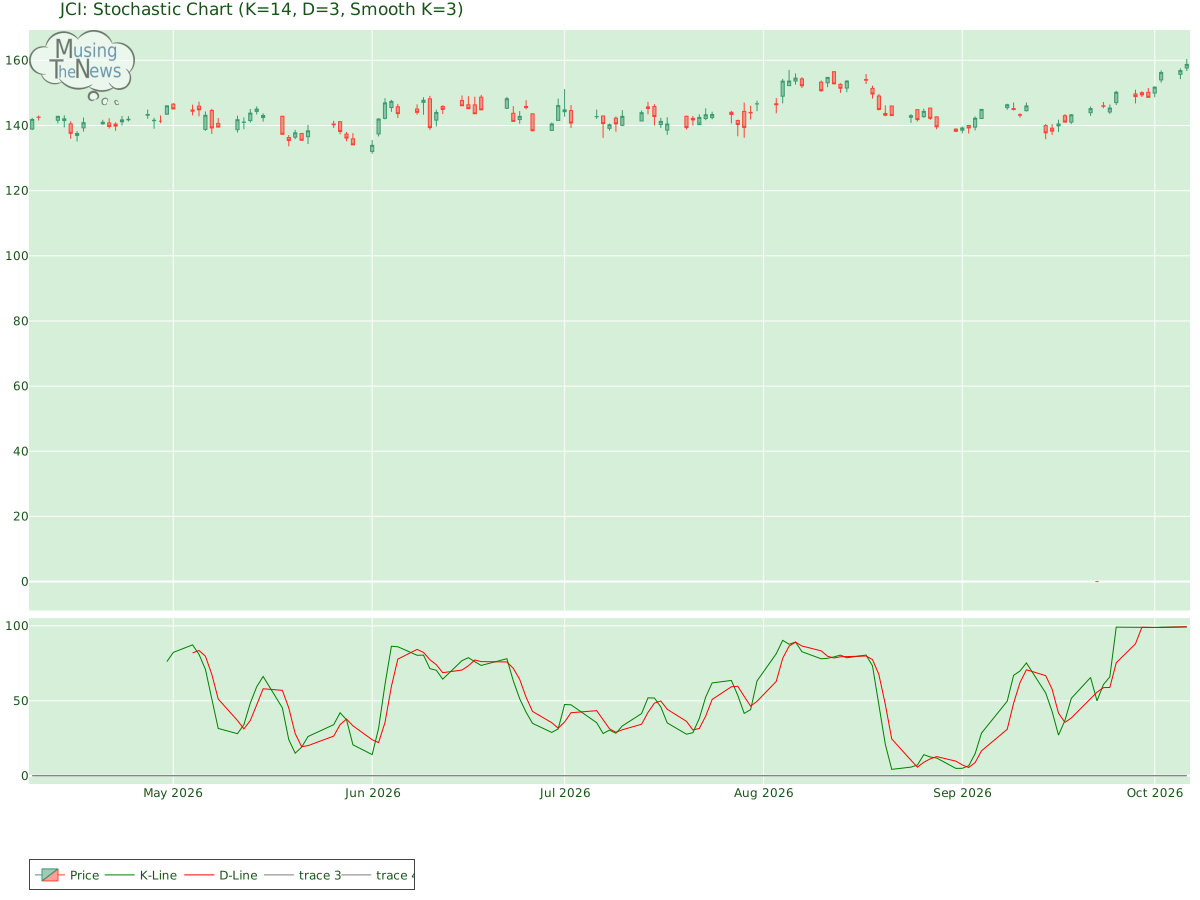
Aroon: Aroon's bullish trend remains intact, with Aroon Up at the 100 level. This indicates strong market momentum, but a more comprehensive analysis using other indicators is required to assess the trend's strength and potential for continuation.Aroon chart for Johnson Controls International plcBol. Bands: The current state of the BOLL BANDS is neutral, providing no clear signals for either an upward or downward movement. This indicates that the market may be in a state of equilibrium, with no strong momentum in either direction.Bolinger Bands chart for Johnson Controls International plcParabolic SAR: The PSAR continues its bullish outlook, reinforcing a crucial support level that may help sustain the current upward trend. This support suggests that the market is likely to continue climbing, with the bullish momentum remaining strong.Parabolic Stop and Reverse chart for Johnson Controls International plcStochastic: The K-line has fallen below the D-line on the stochastic indicator while staying above 80, suggesting that a bearish price move might be beginning. This pattern indicates that the market may be losing upward momentum, possibly leading to a reversal. Investors should remain cautious and look for additional bearish confirmation.Stochastic chart for Johnson Controls International plcTripple Moving Agerage: The Tripple MOVING AVG is showing a neutral reading, with no clear direction indicated for upward or downward movement. This neutral position suggests a possible period of consolidation.Tripple SMA chart for Johnson Controls International plc A thorough analysis of a company involves looking beyond its stock price movements and trading patterns. You must also examine its fundamentals, which include profitability, growth prospects, and competitive advantages. Additionally, the industry in which the company operates provides important context, as factors like technological innovations, regulation, and market demand influence performance. By integrating this information with technical analysis, more accurate predictions about the company's future can be made.