The current reading of the AROON is neutral, offering no clear signals for a movement in either direction. This suggests that the market may be in a holding pattern, with n...
By MusingTheNews
Updated 2026-10-07 23:26:18
Overall Technical outlook
Price Summary
Garmin Ltd.'s stock saw a -2.35% crash, showcasing an lacklustre market day. Garmin Ltd.'s stock opened at 285.92 on 2026-10-06, surged to 286.47, hit a low of 278.38, and closed up -2.35% at 279.21, with 696900 shares traded. The top price for the stock in the last 52 weeks is 313.16, with the bottom price being 0.0.
Technicals
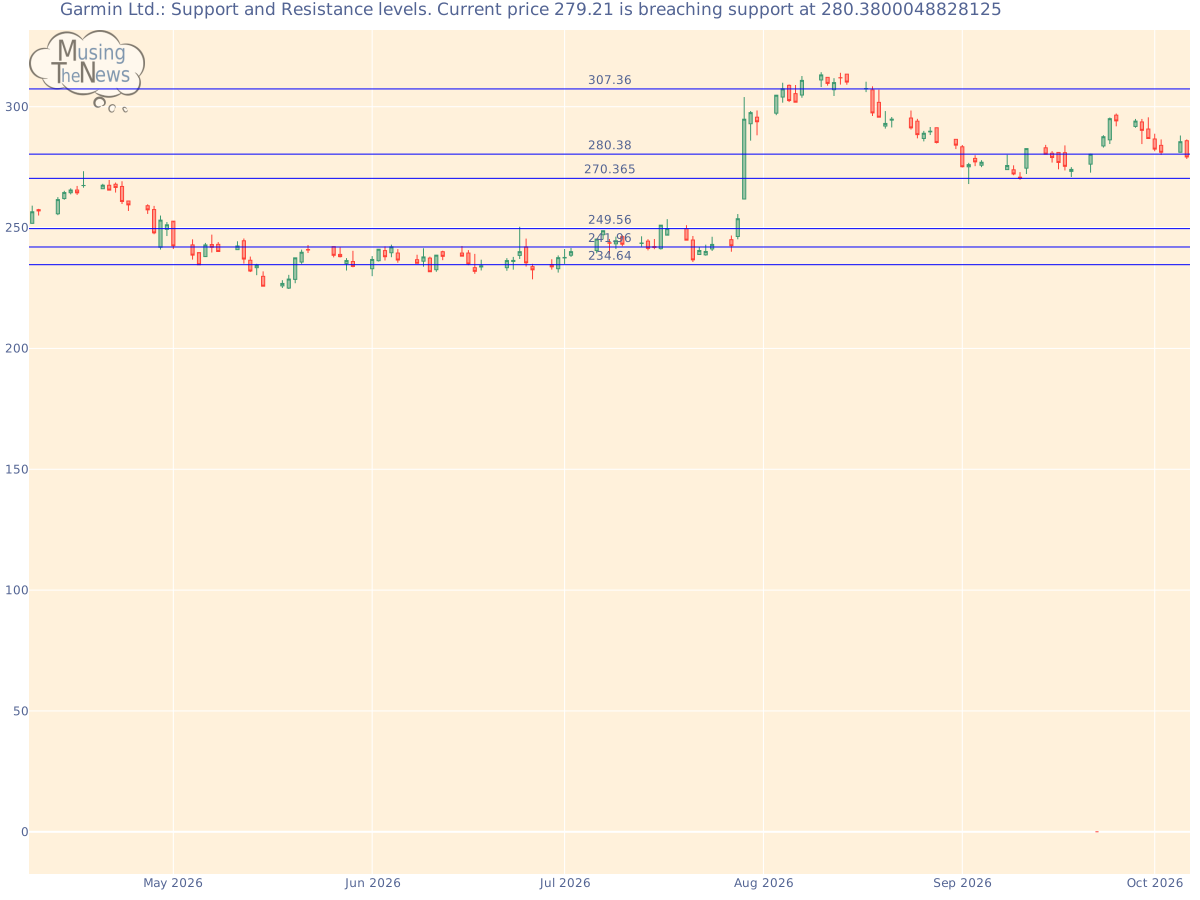
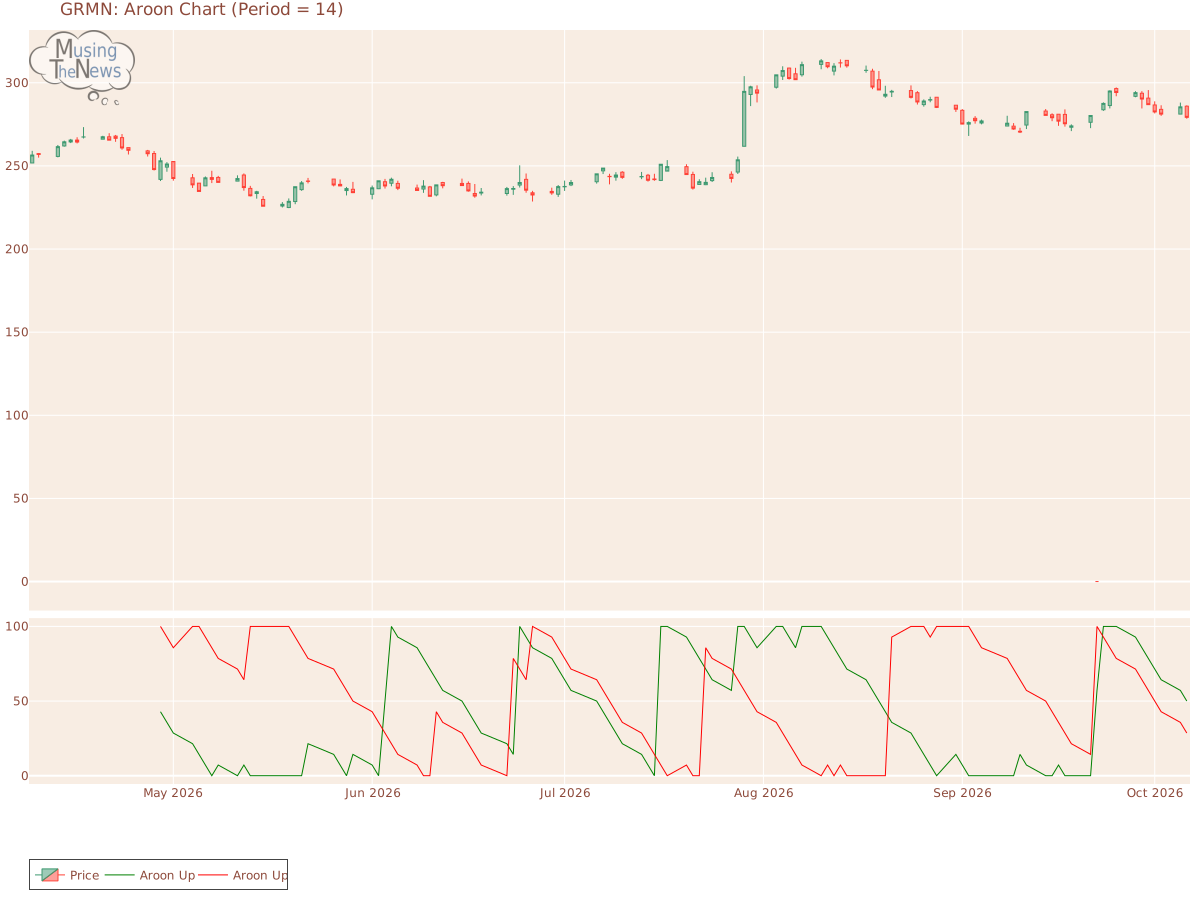
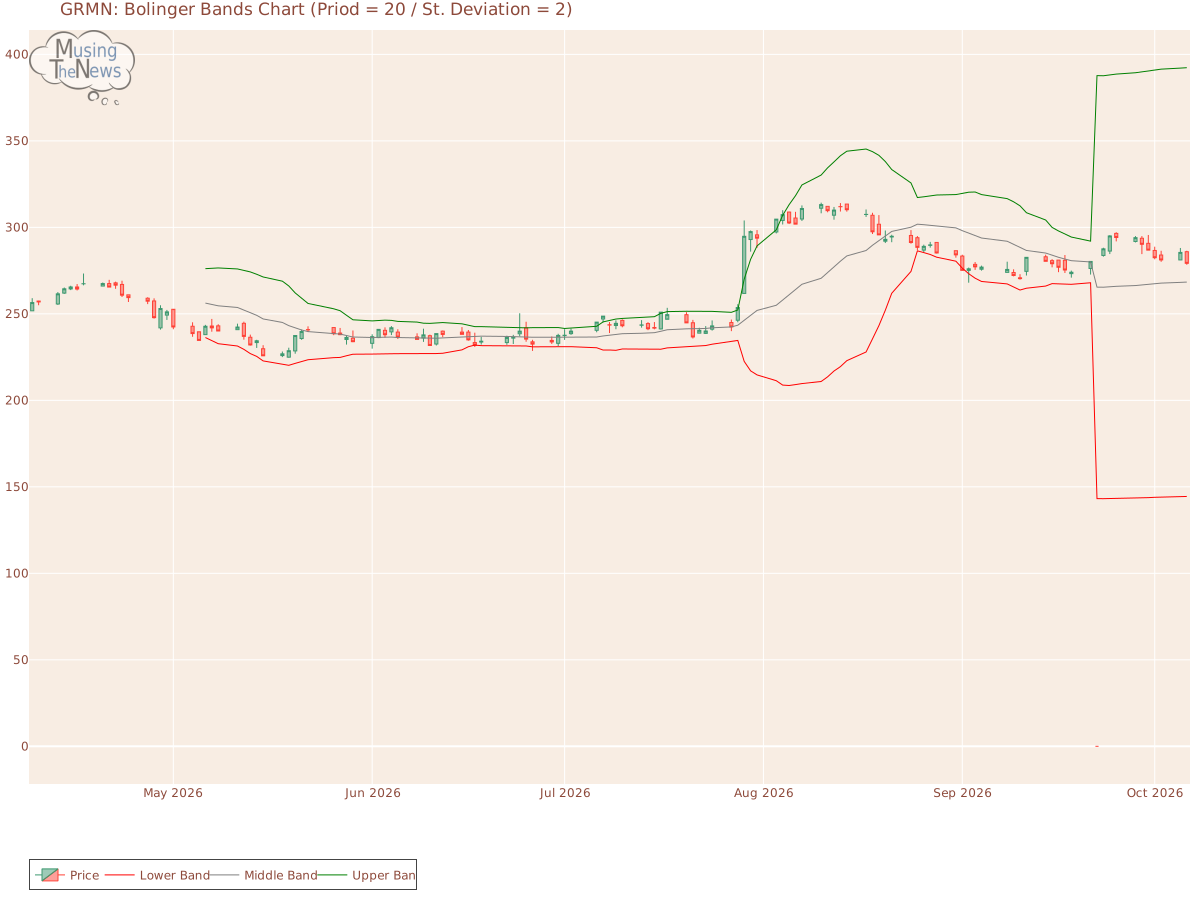
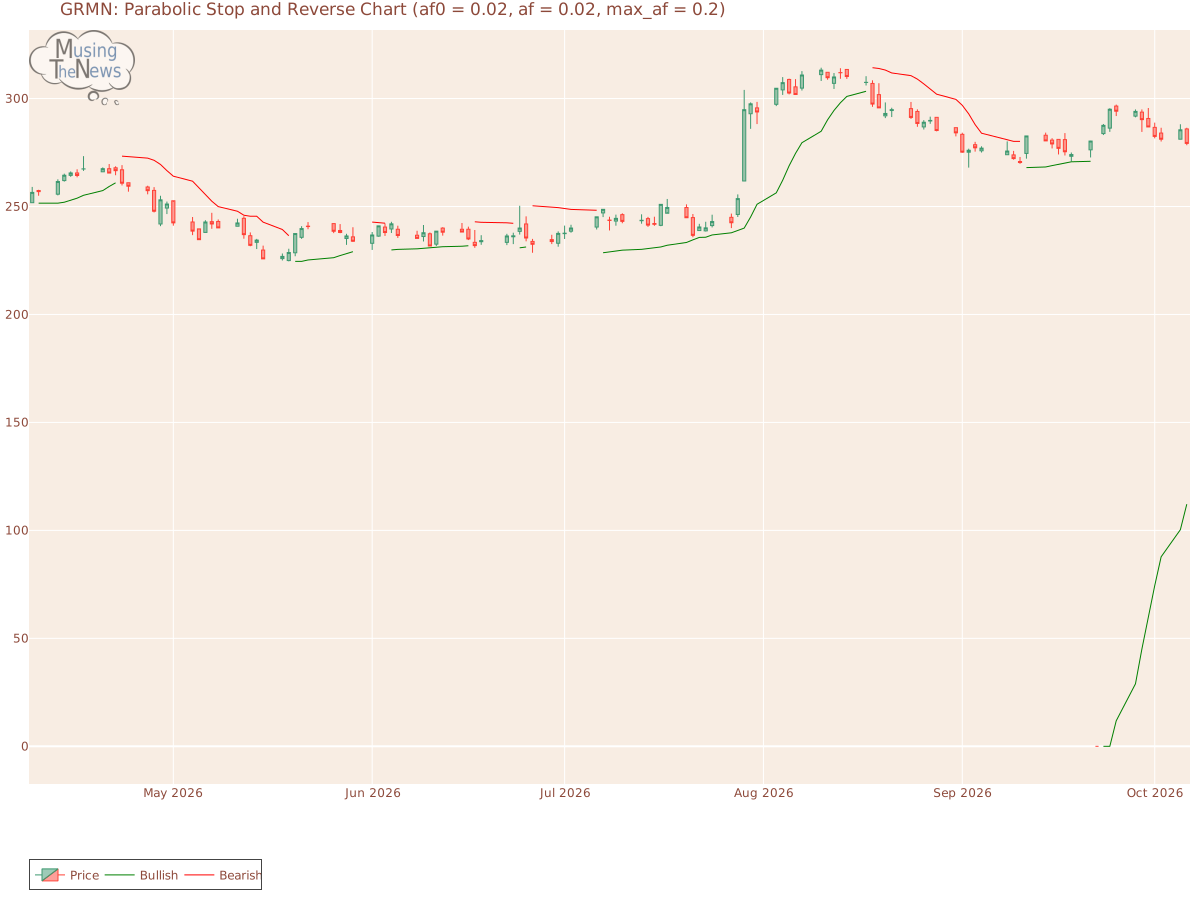
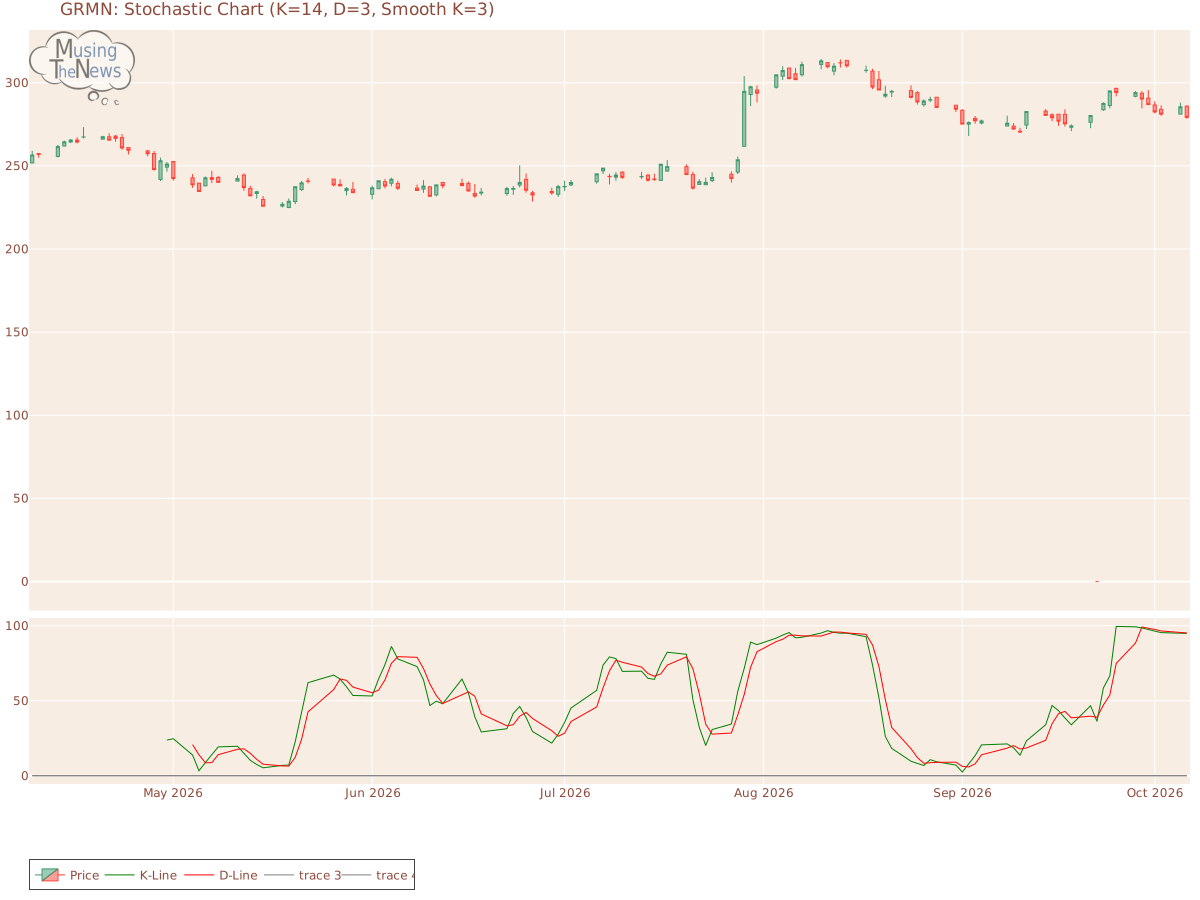
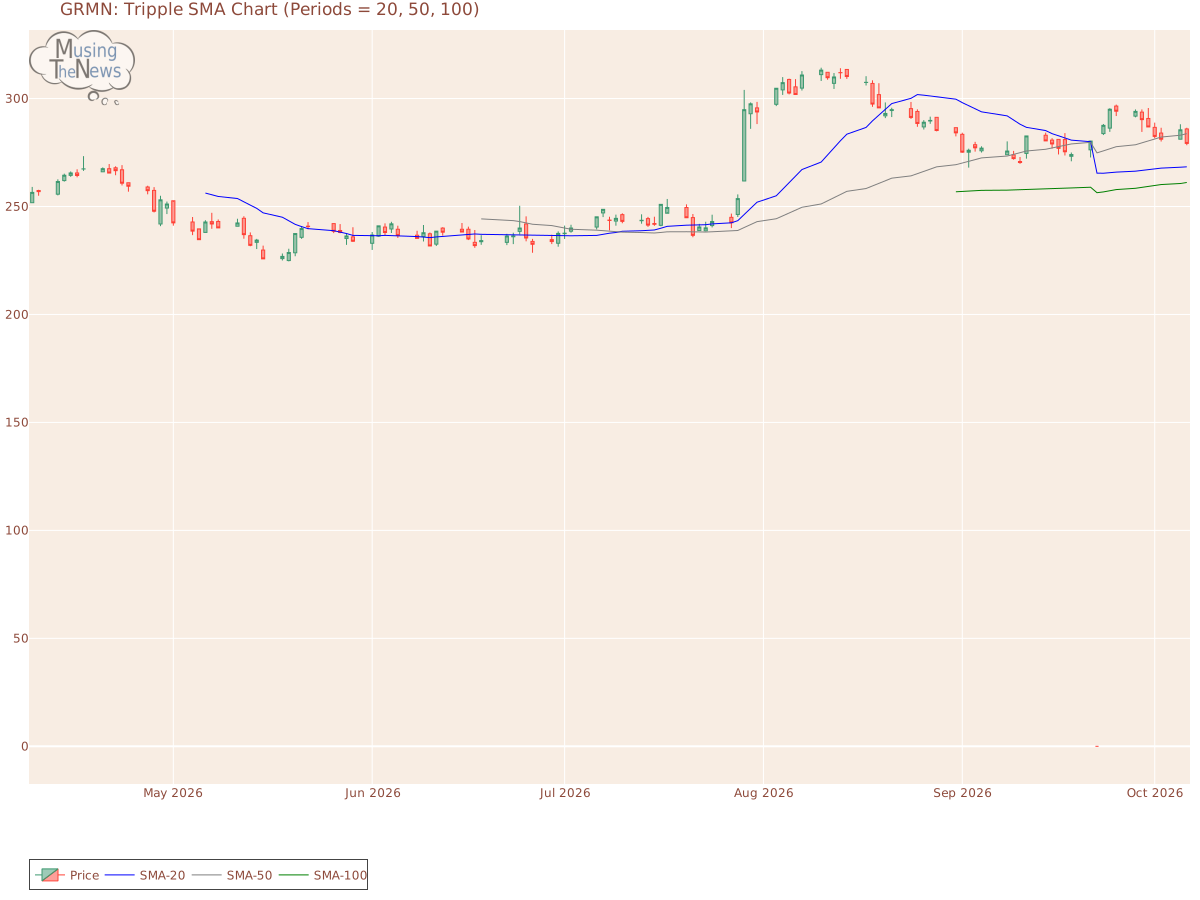
Support and Resistance: At 279.21, the price for GRMN is supported at 270.36 and resisted at 280.38. This indicates a trading range where 270.36 serves as a support level, potentially preventing further decline, while 280.38 could limit upward movement.Support/Resistance for GRMNAroon: The current reading of the AROON is neutral, offering no clear signals for a movement in either direction. This suggests that the market may be in a holding pattern, with no dominant trend in place.Aroon chart for Garmin Ltd.Bol. Bands: The current reading of the BOLL BANDS indicator suggests a neutral stance, with no clear signals indicating an upward or downward direction. This lack of directional bias suggests the market may be in a period of consolidation or uncertainty.Bolinger Bands chart for Garmin Ltd.Parabolic SAR: The PSAR continues to indicate a bullish outlook, setting a crucial support level. This strong support could bolster the ongoing upward trend, suggesting that the market may remain in a positive trajectory. Investors may view this as a sign of sustained bullish momentum.Parabolic Stop and Reverse chart for Garmin Ltd.Stochastic: The K-line has dropped below the D-line on the stochastic indicator while staying above 80, suggesting that a bearish price move may be beginning. This pattern indicates that the market's upward momentum is weakening, potentially leading to a reversal. Investors should stay alert for additional signs of a downturn.Stochastic chart for Garmin Ltd.Tripple Moving Agerage: The current state of the Tripple MOVING AVG is neutral, offering no clear signals of movement in either direction. This suggests a potential pause in market activity, with no strong trend emerging at the moment.Tripple SMA chart for Garmin Ltd. A comprehensive approach to analyzing a company requires considering both its technical and fundamental aspects. The company's fundamentals, such as its earnings, growth prospects, and financial health, provide a strong foundation for understanding technical indicators. Additionally, examining the industry it operates in helps contextualize the company's position within the broader market. By integrating these factors, one can gain more valuable insights into the company's stock performance and potential investment opportunities.