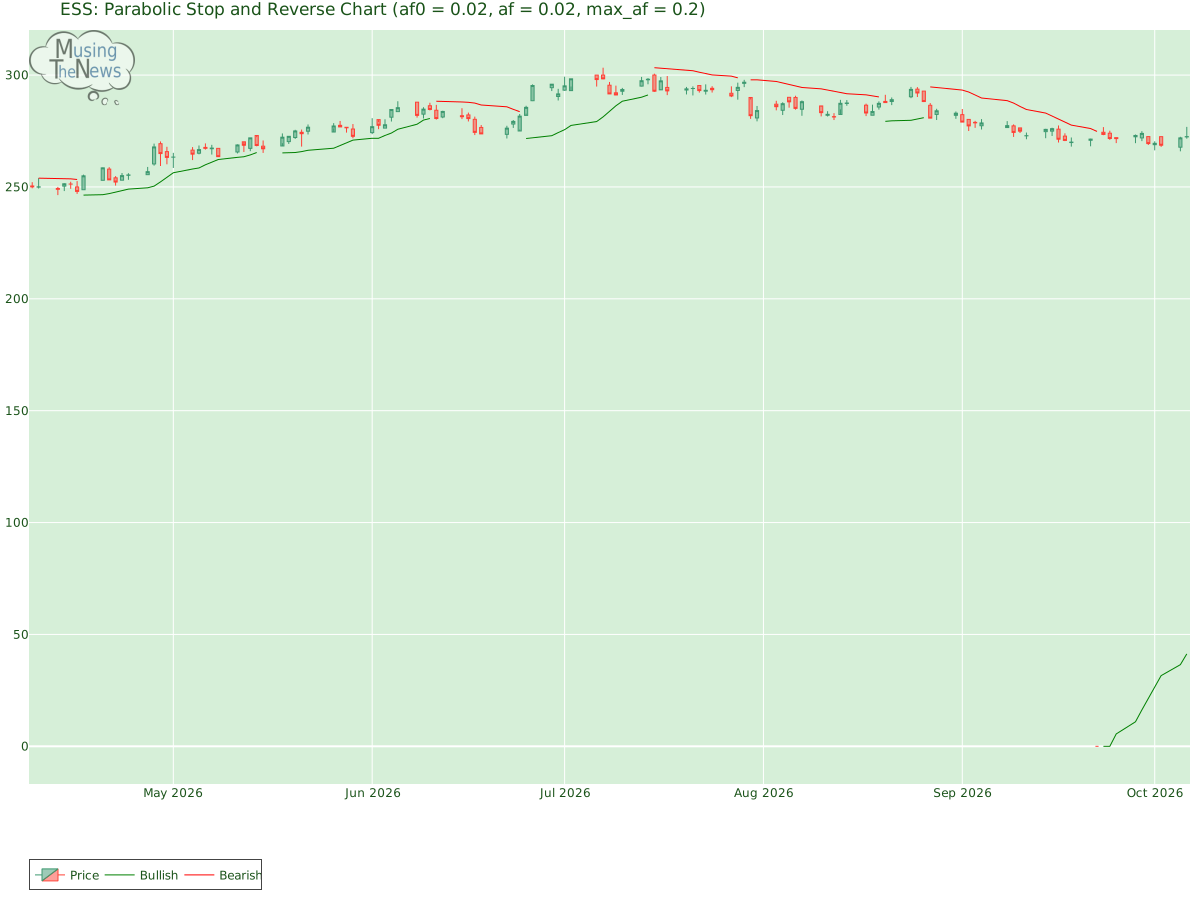
The PSAR remains bullish, establishing a key support level that could help uphold the market's upward trajectory. This persistent bullish outlook suggests that the market m...
By MusingTheNews
Updated 2026-10-07 23:26:13
Overall Technical outlook
Price Summary
On 2026-10-06, Essex Property Trust, Inc.'s stock opened at 272.37, reached a high of 276.85, dropped to a low of 271.57, and closed higher 0.04% at 272.49, with a trading volume of 633400 shares. Over the past year, the stock's highest price was 298.33, and its lowest was 0.0.
Technicals
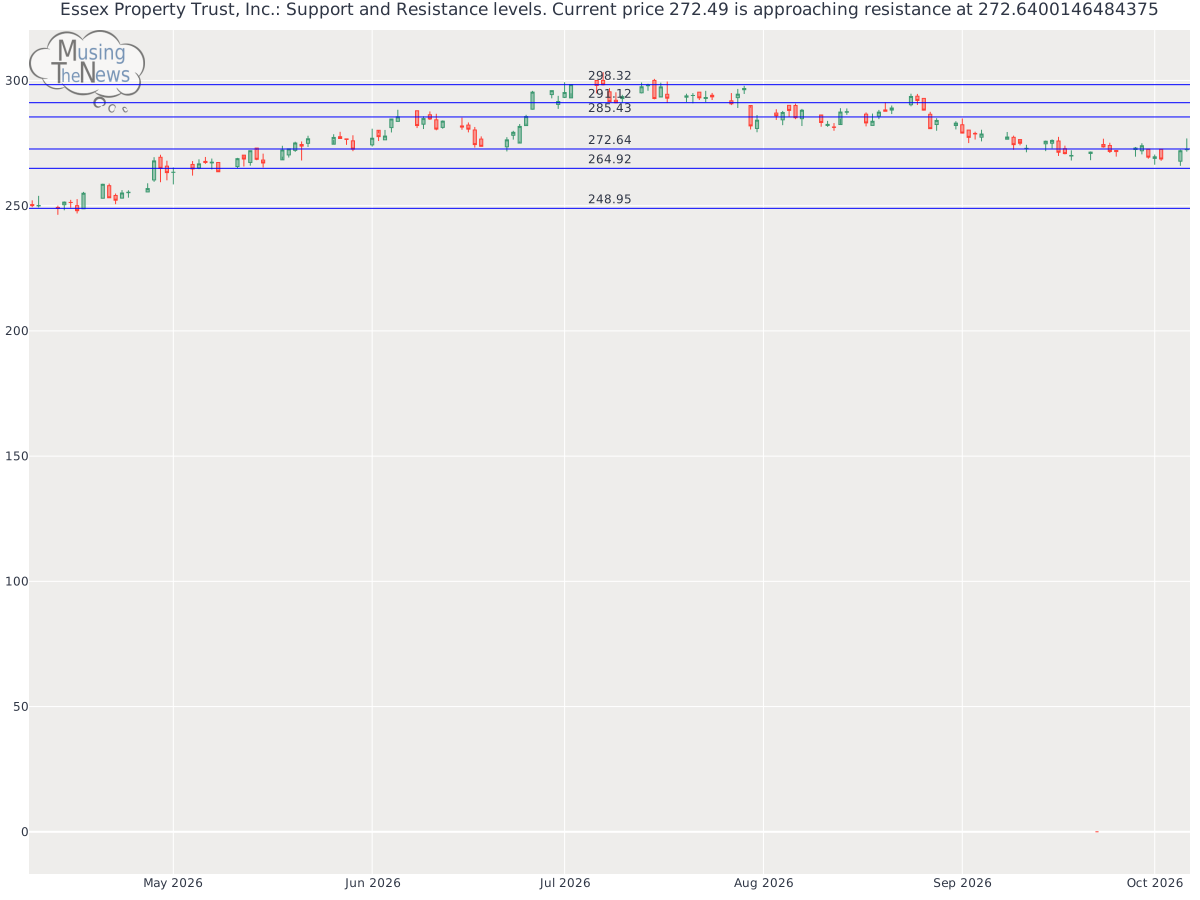
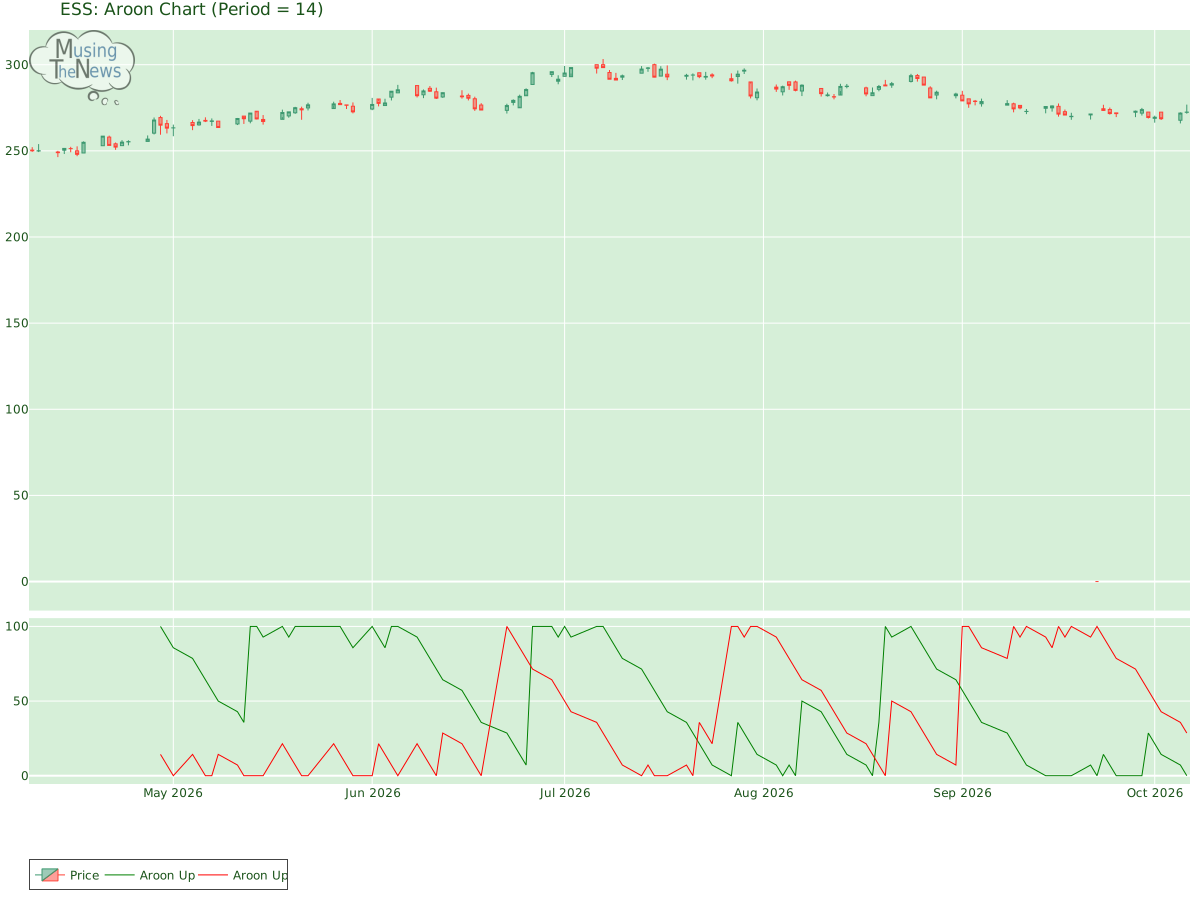
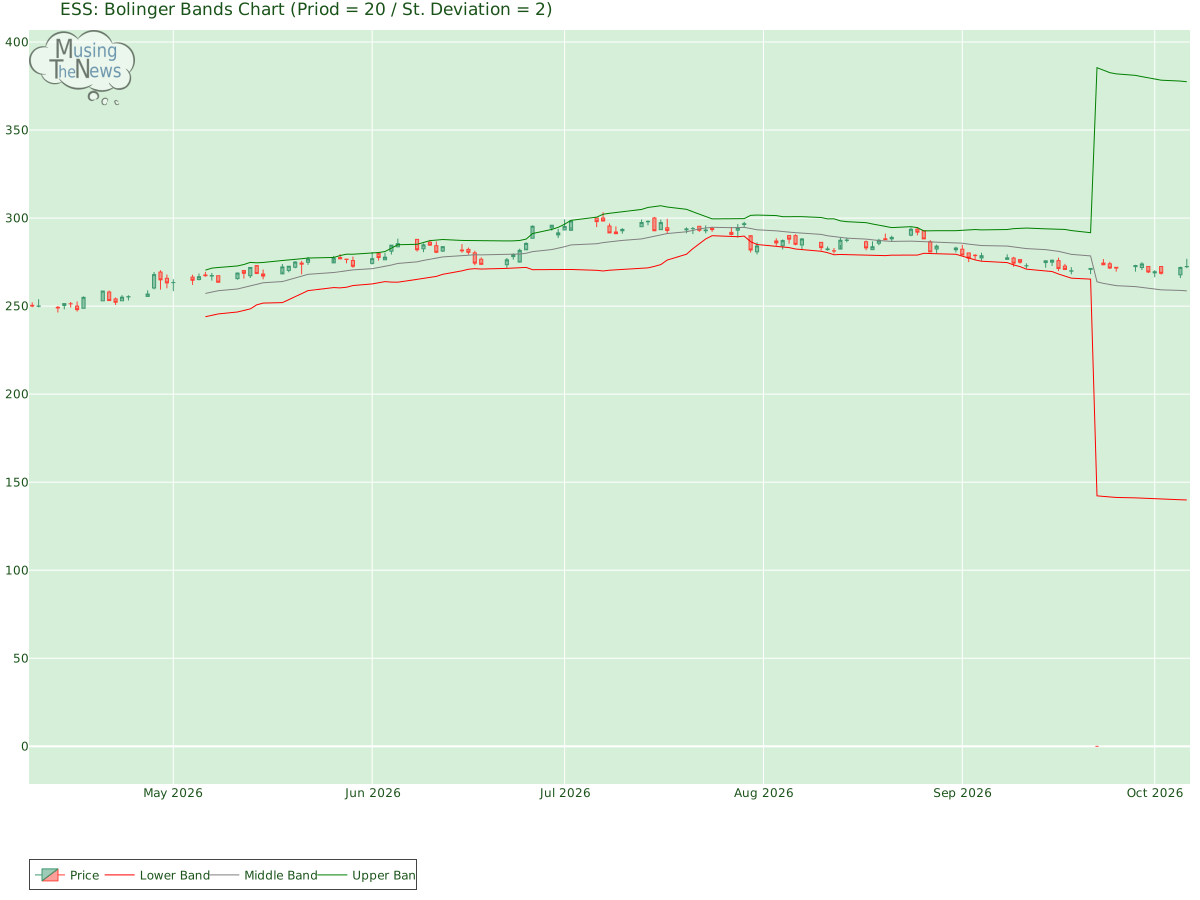
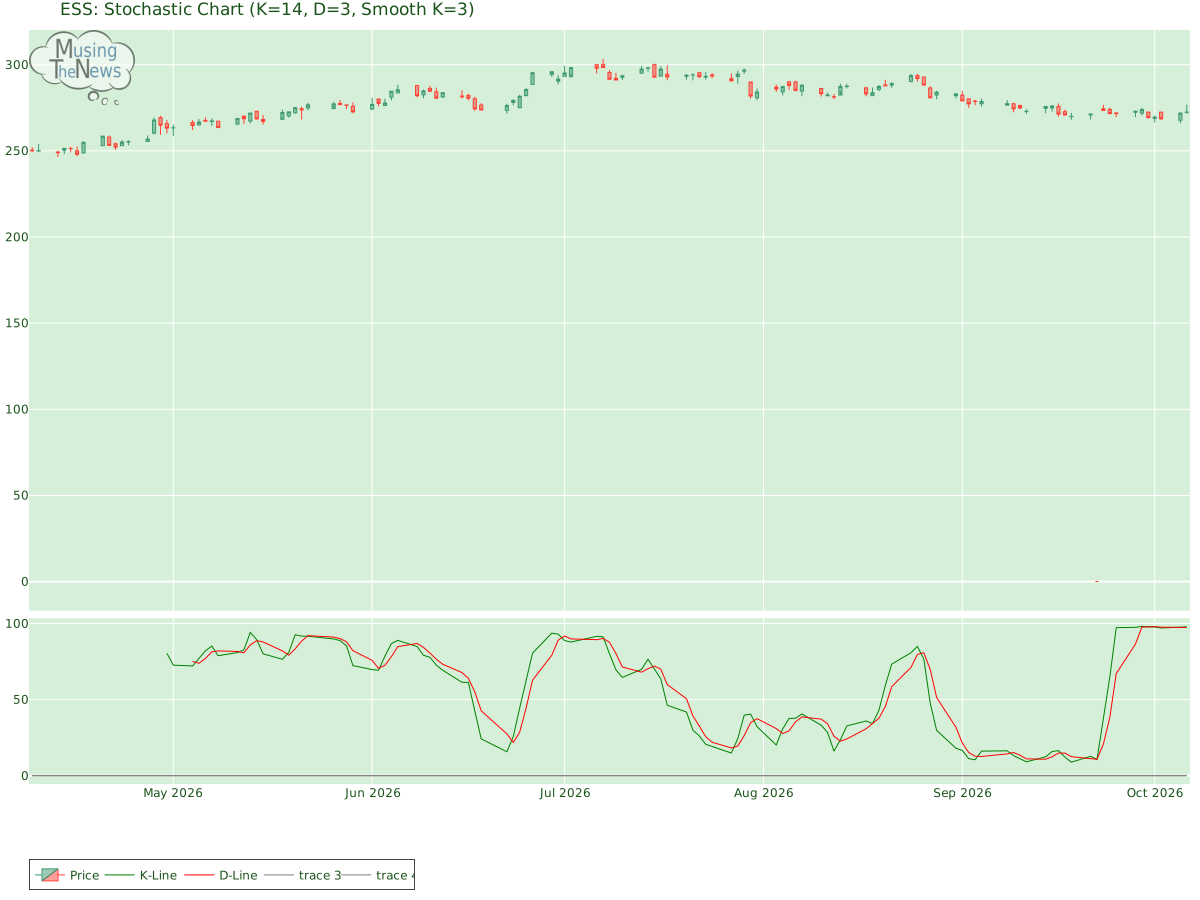
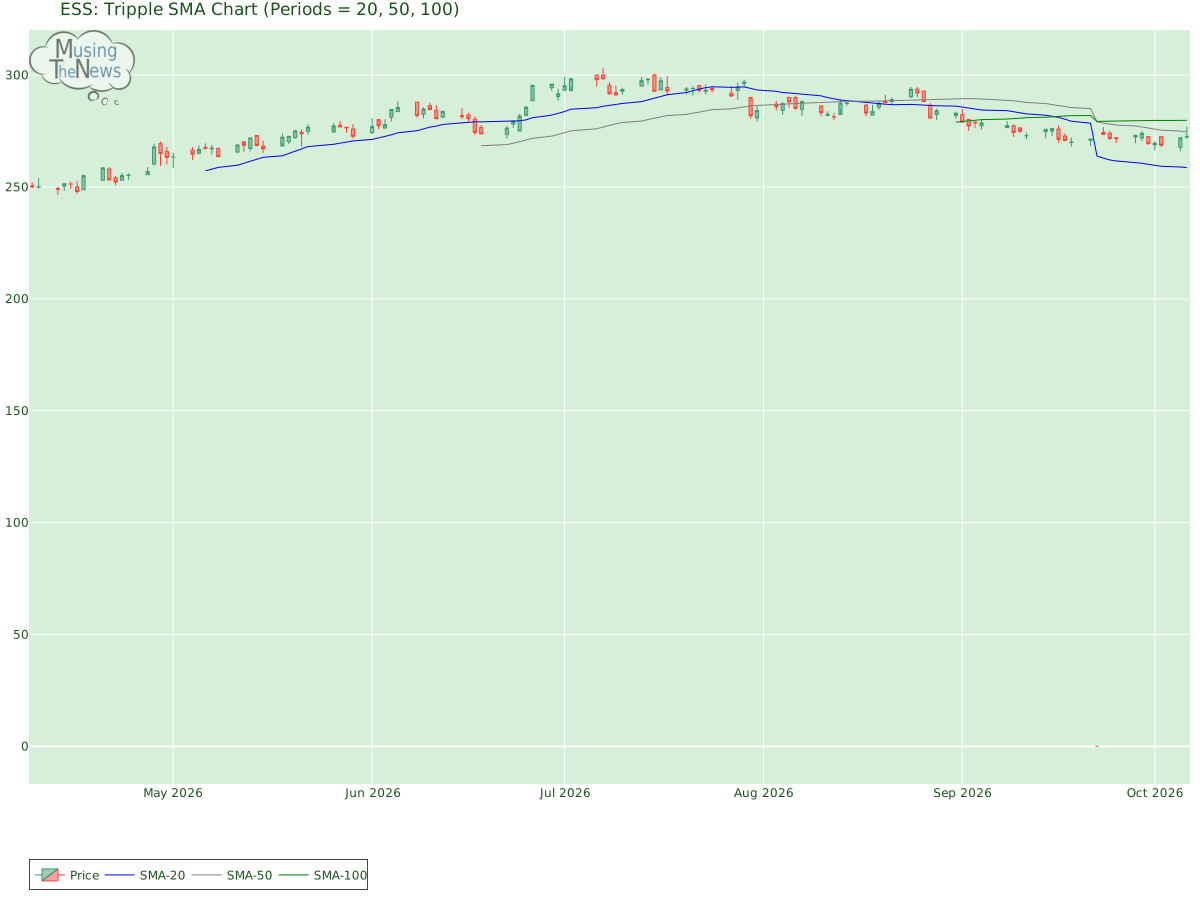
Support and Resistance: The price for ESS at 272.49 finds support at 264.92 and resistance at 272.64. This suggests a trading range, where 264.92 serves as a support level and 272.64 acts as a resistance point, potentially capping further gains.Support/Resistance for ESSAroon: The AROON is neutral, showing no definitive signals of a trend either upward or downward. This neutral stance indicates a period of market indecision, where the direction is unclear.Aroon chart for Essex Property Trust, Inc.Bol. Bands: The current state of the BOLL BANDS is neutral, with no clear trend direction indicated. This lack of directional bias suggests that the market may be in a phase of consolidation or uncertainty.Bolinger Bands chart for Essex Property Trust, Inc.Parabolic SAR: The PSAR remains bullish, establishing a key support level that could help uphold the market's upward trajectory. This persistent bullish outlook suggests that the market may continue to rise, with the support providing a foundation for further gains.Parabolic Stop and Reverse chart for Essex Property Trust, Inc.Stochastic: The stochastic indicator is in a bullish phase, as the K-line is above the D-line and the 80 mark. This setup suggests strong upward momentum, implying that ESS may continue to experience gains. Investors may consider this a positive signal for continued market growth.Stochastic chart for Essex Property Trust, Inc.Tripple Moving Agerage: The 20, 50, and 100 moving averages are aligned bullishly, but the slopes of the 20 and 50 SMAs are showing signs of weakening. This loss of momentum for ESS could be an early warning sign that the current trend is nearing its end, with a potential bearish reversal in price action becoming more likely as the market's upward momentum slows.Tripple SMA chart for Essex Property Trust, Inc. To accurately interpret a company's technical data, it is important to first examine its fundamentals. These include financial performance, management quality, and growth prospects. In addition, understanding the dynamics of the industry in which the company operates—such as competition, market trends, and regulatory factors—provides further insights. This combined analysis helps create a fuller picture, allowing for more precise conclusions to be drawn from the company's technical performance and stock behavior.