Fundamentals for Dominion Energy, Inc.
D has recently received a buy bias from analysts, indicating that the stock is being perceived as a favorable investment. This positive sentiment could encourage investors ...






Business Operations:
Sector: UtilitiesIndustry: Utilities - Regulated Electric
Dominion Energy, Inc. provides regulated electricity and natural gas services in the United States. It operates through Dominion Energy Virginia, Dominion Energy South Carolina, and Contracted Energy segments. The Dominion Energy Virginia segment engages in the generation, distribution, and transmission of electricity to approximately 2.8 million residential, commercial, industrial, and governmental customers in Virginia and North Carolina. The Dominion Energy South Carolina segment generates, transmits, and distributes electricity to approximately 0.8 million customers in the central, southern, and southwestern portions of South Carolina; and distributes natural gas to approximately 0.5 million residential, commercial, and industrial customers in South Carolina. The Contracted Energy segment is involved in the nonregulated long-term contracted renewable electric generation fleet and renewable natural gas facilities. As of December 31, 2025, the company's portfolio of assets included approximately 30.7 GW of electric generating capacity, 10,800 miles of electric transmission lines, and 80,400 miles of electric distribution lines. The company was formerly known as Dominion Resources, Inc. Dominion Energy, Inc. was incorporated in 1983 and is headquartered in Richmond, Virginia.
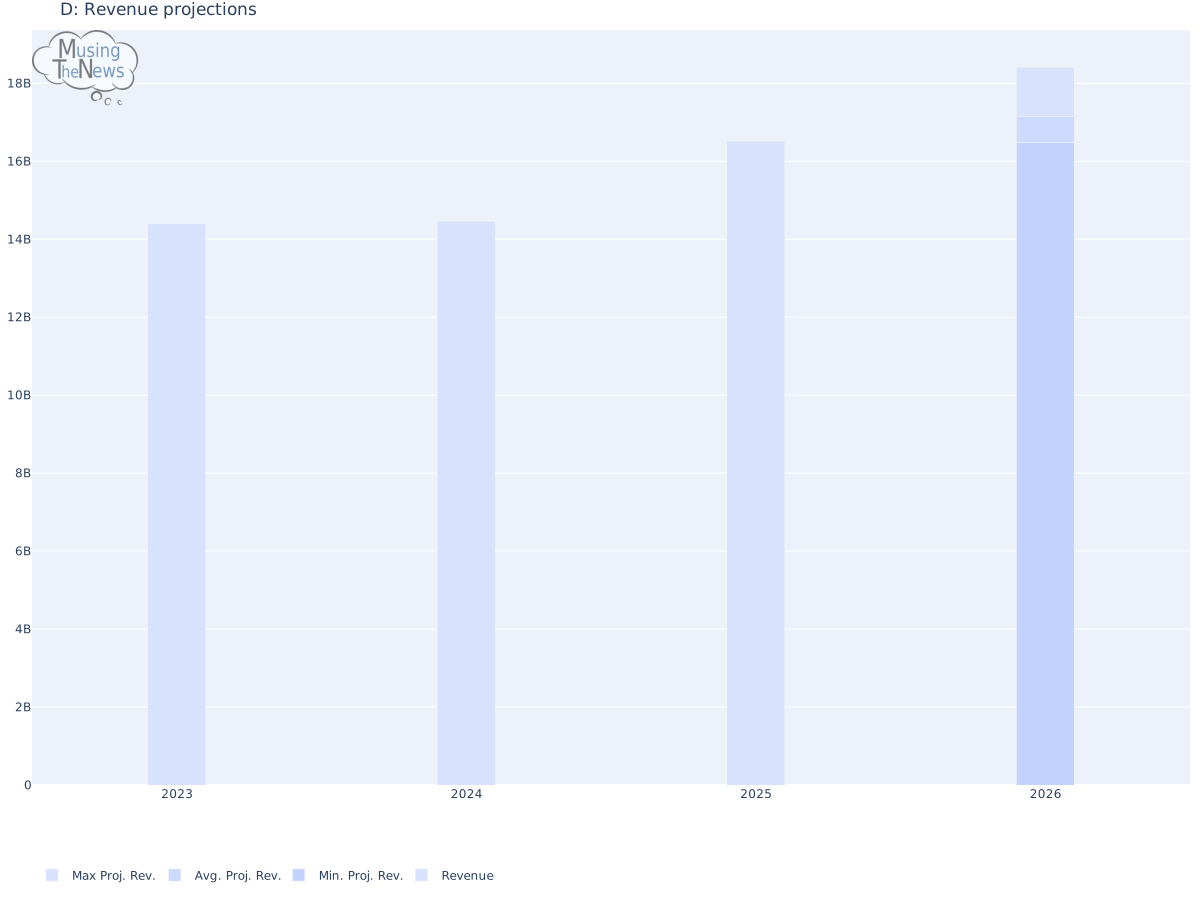
Revenue projections:
Financial Ratios:
| currentRatio | 0.809000 |
|---|---|
| forwardPE | 16.074018 |
| debtToEquity | 160.459000 |
| earningsGrowth | -0.580000 |
| revenueGrowth | 0.176000 |
| grossMargins | 0.462220 |
| operatingMargins | 0.292190 |
| trailingEps | 2.900000 |
| forwardEps | 3.814230 |
D's Forward PE is within a good range, showing that the stock price compares well to its earnings. This suggests it isn't overpriced and leaves room for growth, making the stock appealing to investors looking for value and growth opportunities.
D's elevated debt-to-equity ratio suggests the company is highly leveraged, meaning it has significant debt compared to equity. This can be risky, particularly if D's cash flow or profits decrease, making it harder to meet debt obligations.
Dominion Energy, Inc.'s low earnings and revenue growth highlight a potential decline in profitability. This suggests that the company's financial health may be weakening, and profits could shrink as a result.
D's positive gross and operating margins suggest the company is performing profitably. These margins reflect efficient cost management and strong revenue generation, signaling healthy financial performance and operational effectiveness.
With a forward EPS greater than its trailing EPS, D is forecasted to be more profitable this year than last. This growth expectation reflects confidence in the company's earnings potential and suggests an improving financial trajectory for the year ahead.
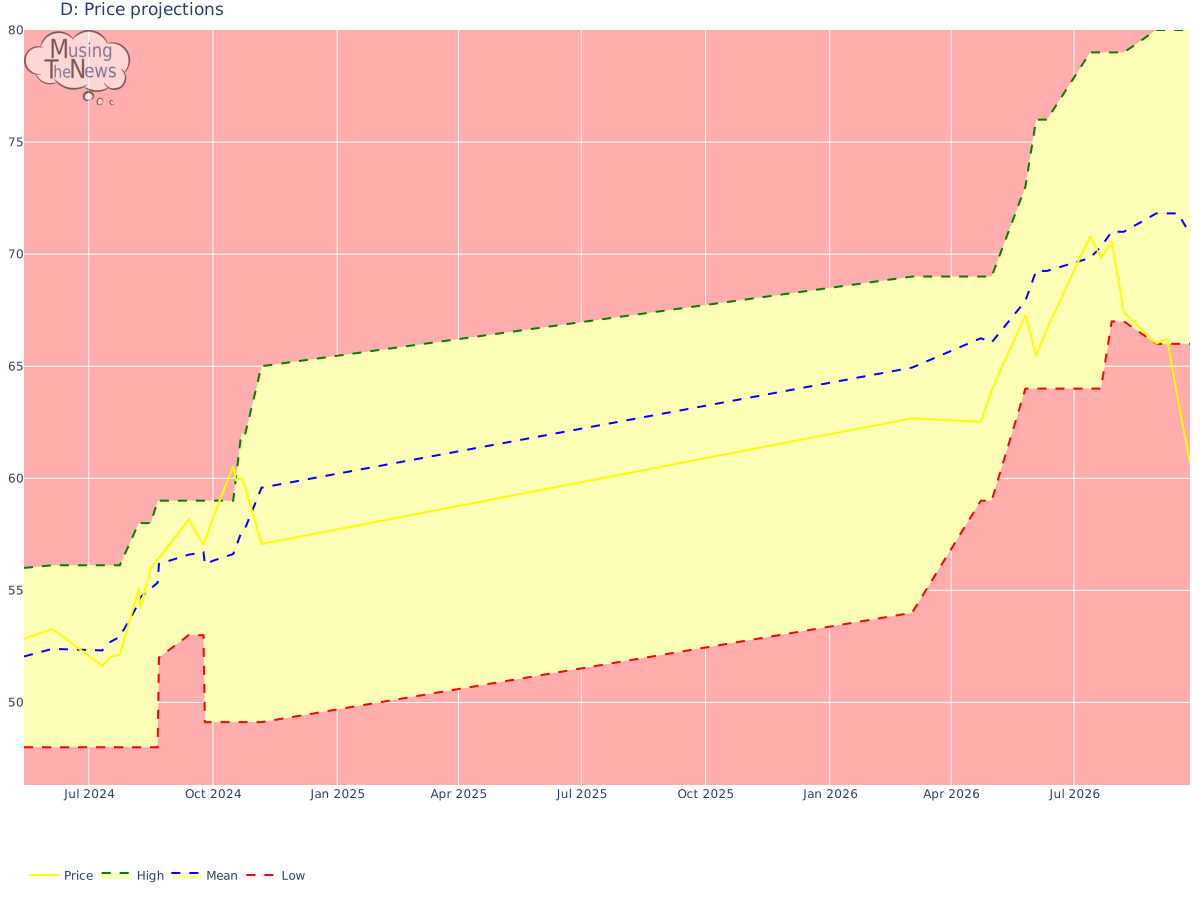
Price projections:
Insider Transactions:
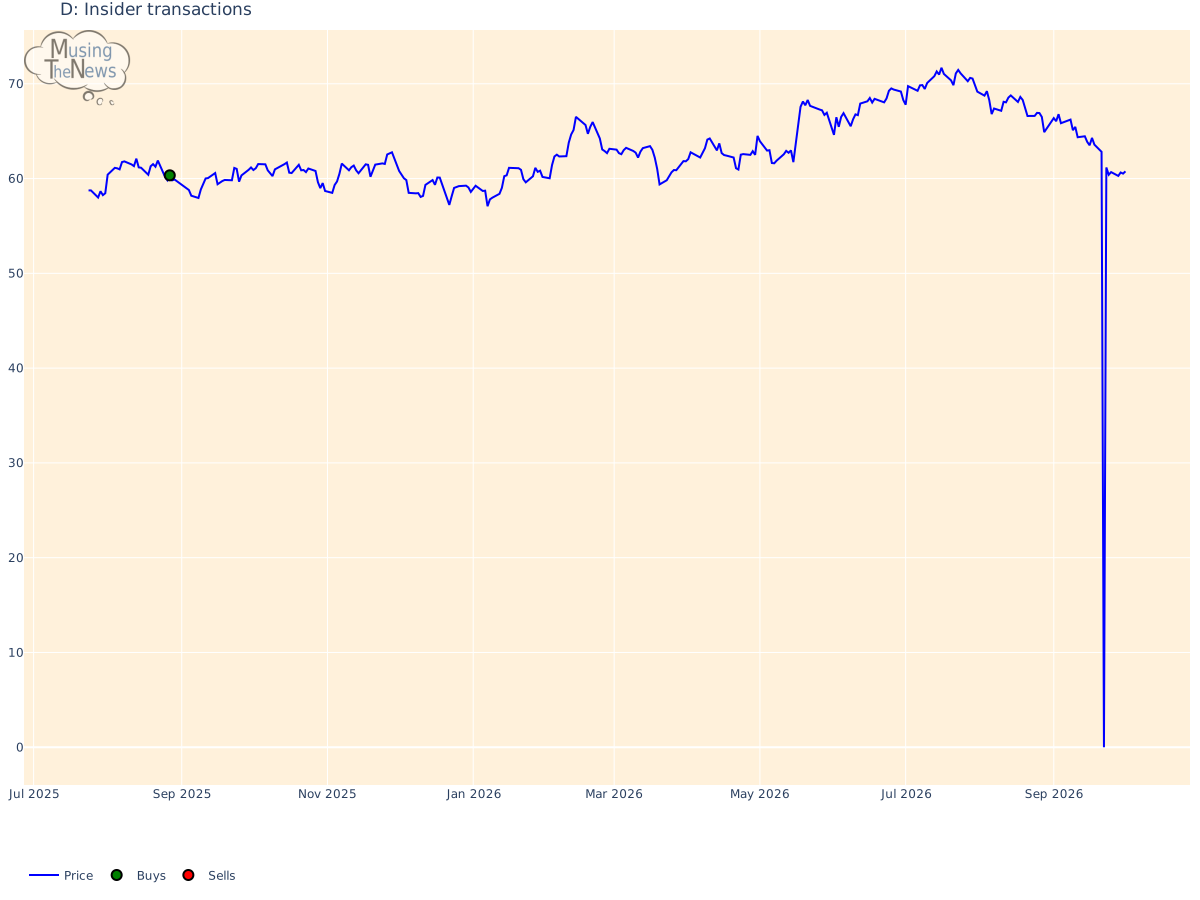
There were 1 buy transactions of D, with market price at 60.34000015258789.During the review period, no buy transactions were executed.D's current price levels are experiencing more selling than buying, which may suggest further declines. If the trend persists, it could lead to a continued downward trajectory as investors lose confidence in the stock's future performance.
Recommendation changes over time:
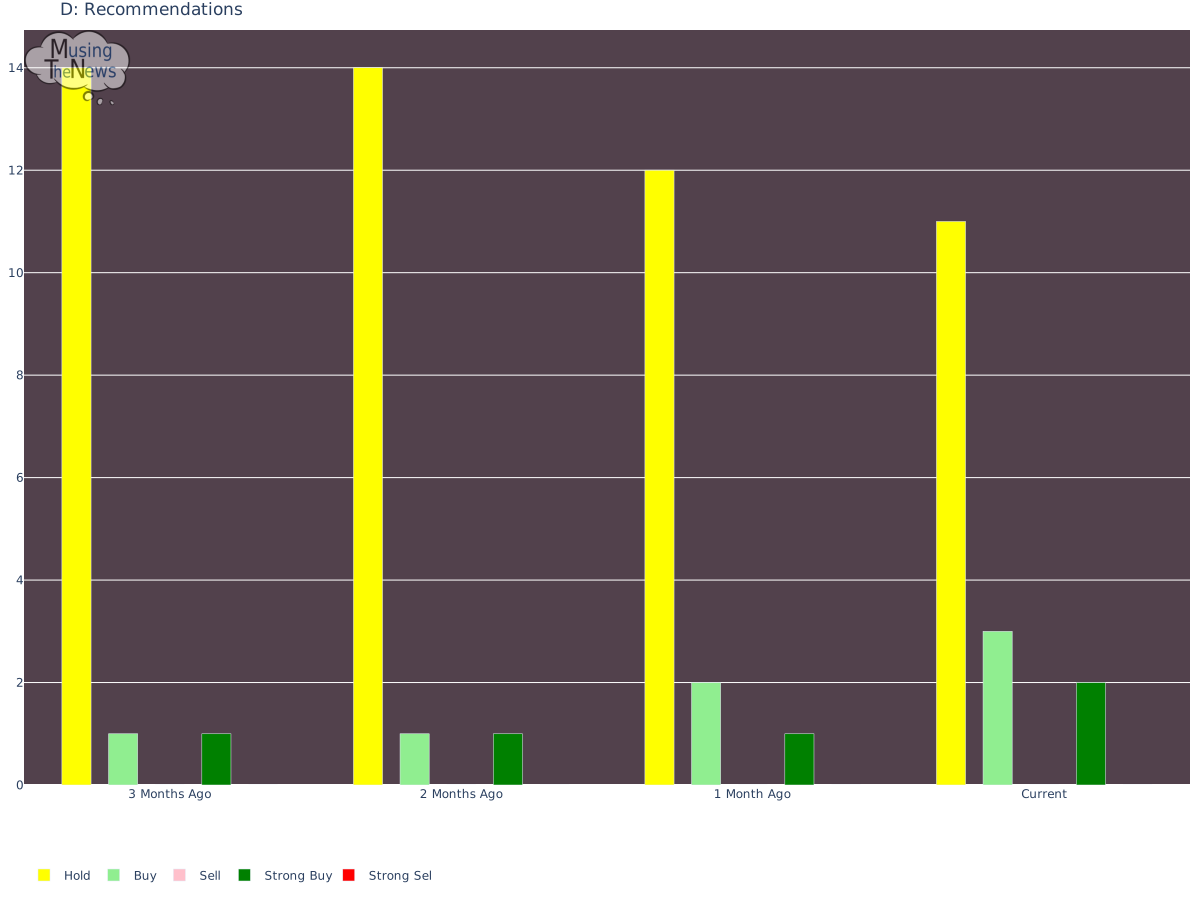
D has recently received a buy bias from analysts, indicating that the stock is being perceived as a favorable investment. This positive sentiment could encourage investors to see D as a wise place to allocate their funds, potentially leading to increased interest in the company's stock.