Fundamentals for Darden Restaurants, Inc.
DRI's elevated debt-to-equity ratio highlights its heavy reliance on debt. This high leverage increases the company's exposure to financial risk, making it more vulnerable ...






Business Operations:
Sector: Consumer CyclicalIndustry: Restaurants
Darden Restaurants, Inc., together with its subsidiaries, owns and operates full-service restaurants in the United States and Canada. The company operates under Olive Garden, LongHorn Steakhouse, Cheddar's Scratch Kitchen, Chuy's, Yard House, Ruth's Chris Steak House, The Capital Grille, Seasons 52, Eddie V's Prime Seafood, Bahama Breeze, The Capital Burger, Darden and Darden Restaurants brand names. Darden Restaurants, Inc. was founded in 1938 and is based in Orlando, Florida.
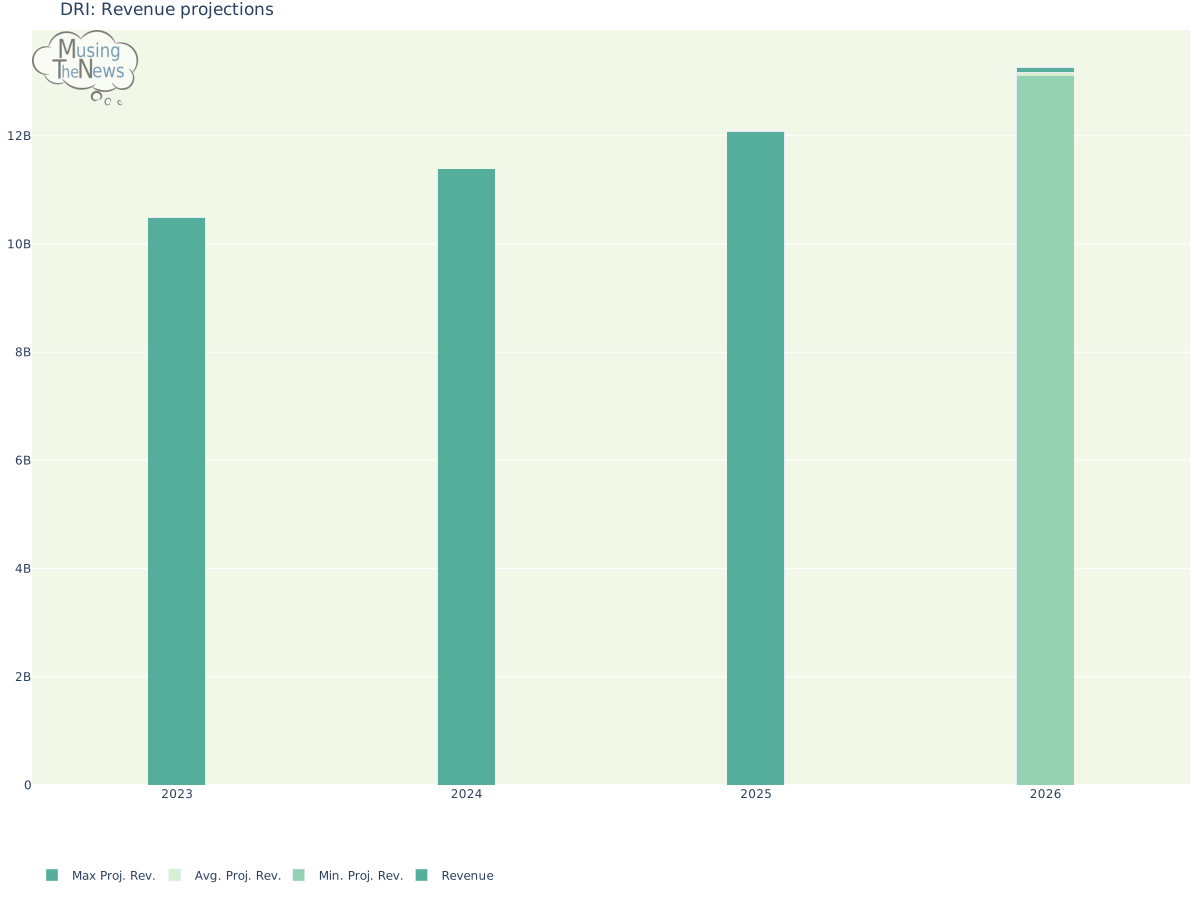
Revenue projections:
Financial Ratios:
| currentRatio | 0.298000 |
|---|---|
| forwardPE | 16.155815 |
| debtToEquity | 414.393000 |
| earningsGrowth | -0.067000 |
| revenueGrowth | 0.051000 |
| grossMargins | 0.216590 |
| operatingMargins | 0.098550 |
| trailingEps | 10.300000 |
| forwardEps | 12.399870 |
DRI's current ratio 0.298 suggests potential liquidity issues, as the company's current assets and cash reserves may not cover its short-term debts. This indicates a possible challenge in meeting immediate financial commitments without securing additional funding.
DRI's Forward PE is in a favorable range, suggesting the stock is reasonably priced relative to its earnings. This indicates the stock is not overpriced, providing room for potential growth and making it an attractive option for investors looking for solid value and future upside.
DRI's elevated debt-to-equity ratio highlights its heavy reliance on debt. This high leverage increases the company's exposure to financial risk, making it more vulnerable to market fluctuations and economic downturns.
Darden Restaurants, Inc.'s low growth in earnings and revenue indicates a potential decline in profits. This suggests that the company could be facing financial challenges, making it harder to sustain its current profit margins.
Darden Restaurants, Inc.'s negative gross and operating margins suggest that the company is struggling to cover its production and operating costs, leading to losses. This reflects a weakened financial state and potential difficulties in sustaining profitability.
DRI's forward EPS is greater than its trailing EPS, indicating that the company is expected to deliver higher profitability this year. This suggests that DRI is projected to improve its earnings, reflecting positive growth compared to last year's financial performance.
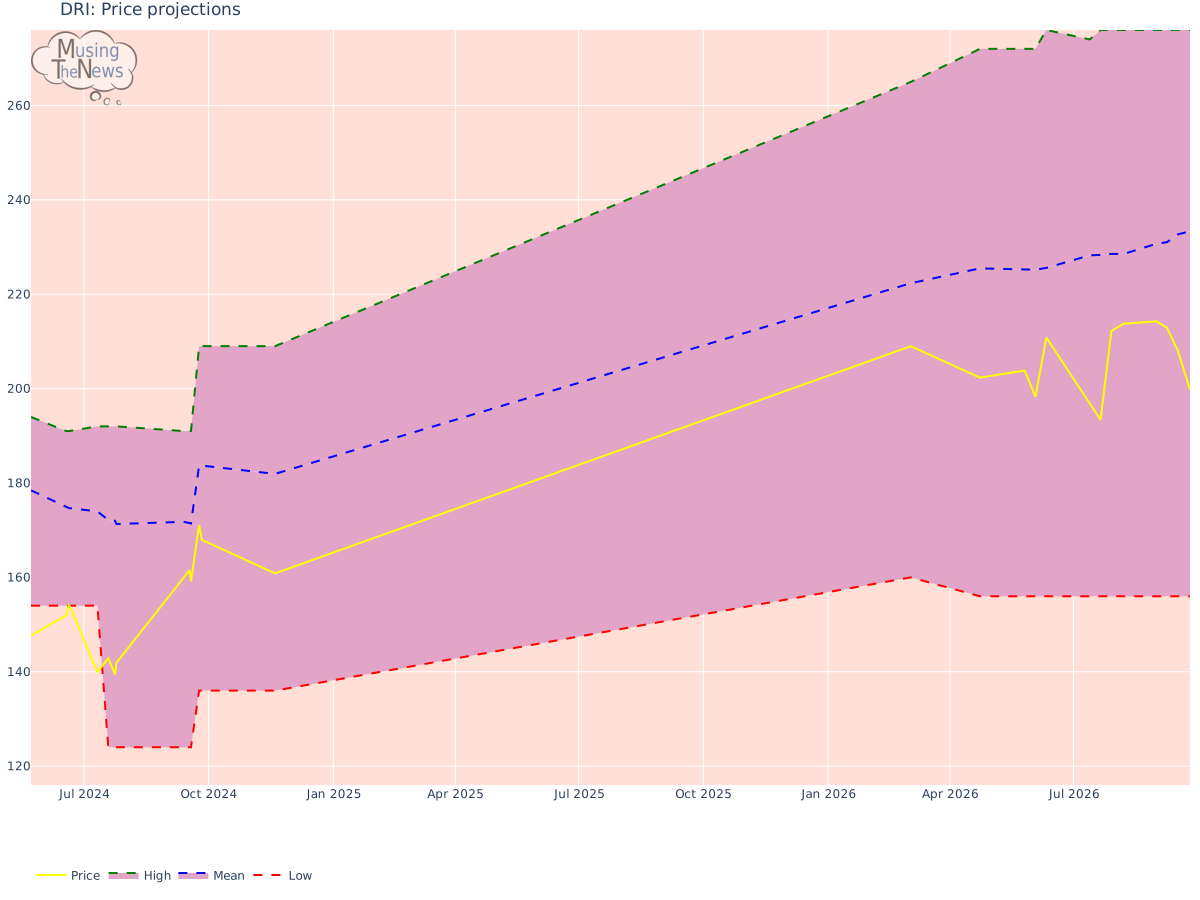
Price projections:
Insider Transactions:
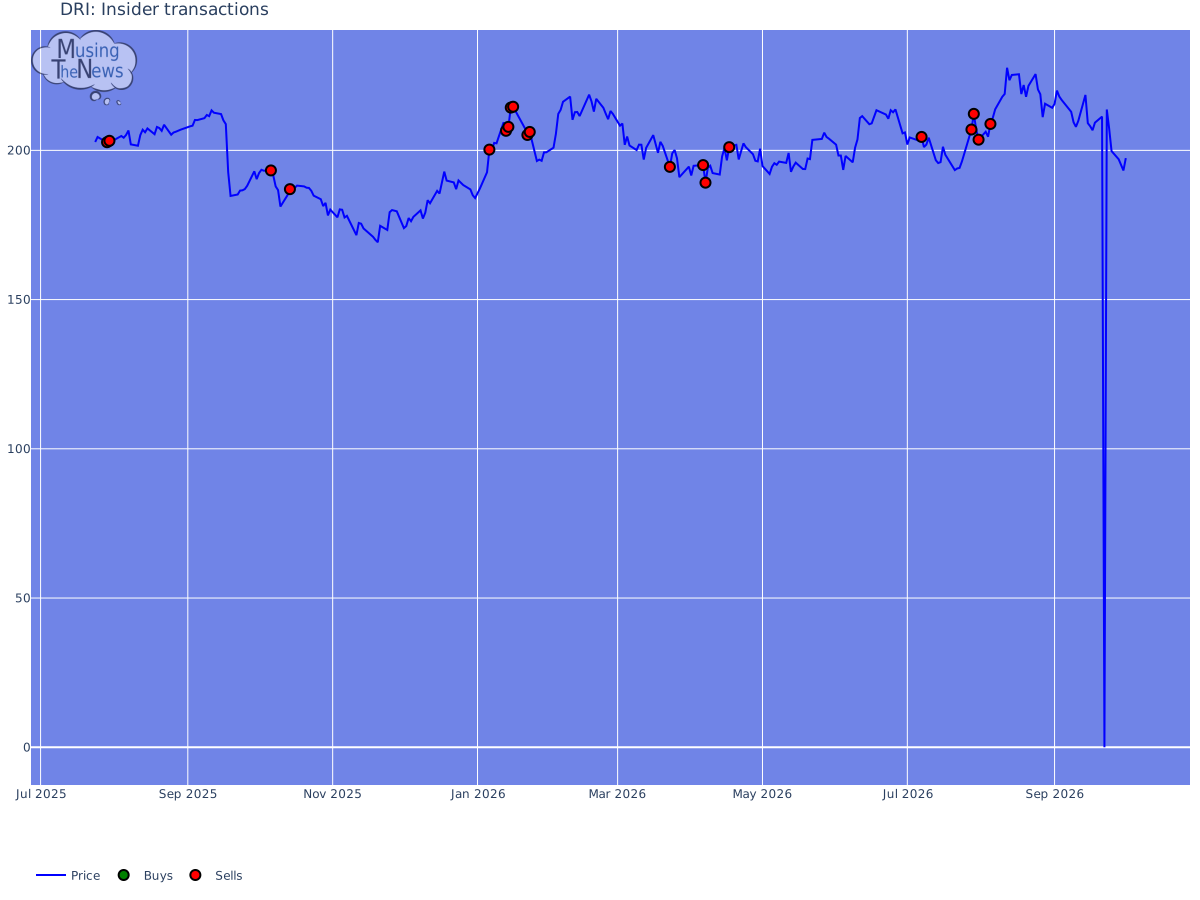
DRI had 20 sell transactions, while the market price was at 202.8537353515625 per share.No sell transactions were completed during the period under review.Darden Restaurants, Inc.'s current price levels are seeing more buying activity than selling, which might indicate a bullish sentiment. Investors appear to be confident, interpreting the buying trend as a sign of positive expectations for the stock's future performance.
Recommendation changes over time:
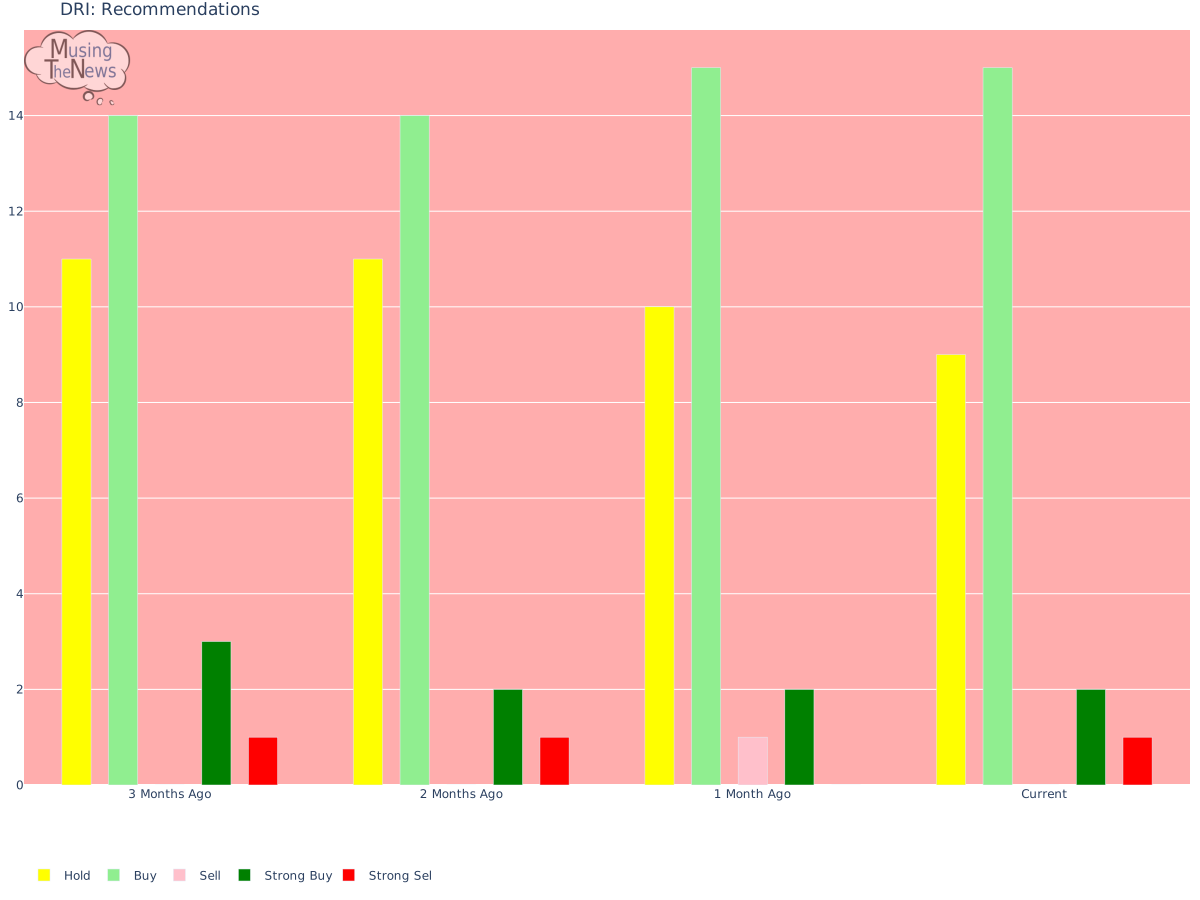
Analysts have shown a buy bias for DRI, signaling it as a strong investment choice. This positive outlook could motivate investors to allocate funds to DRI, seeing it as a reliable and potentially profitable option, especially in an environment where the stock market is highly scrutinized.