Fundamentals for Dollar Tree, Inc.
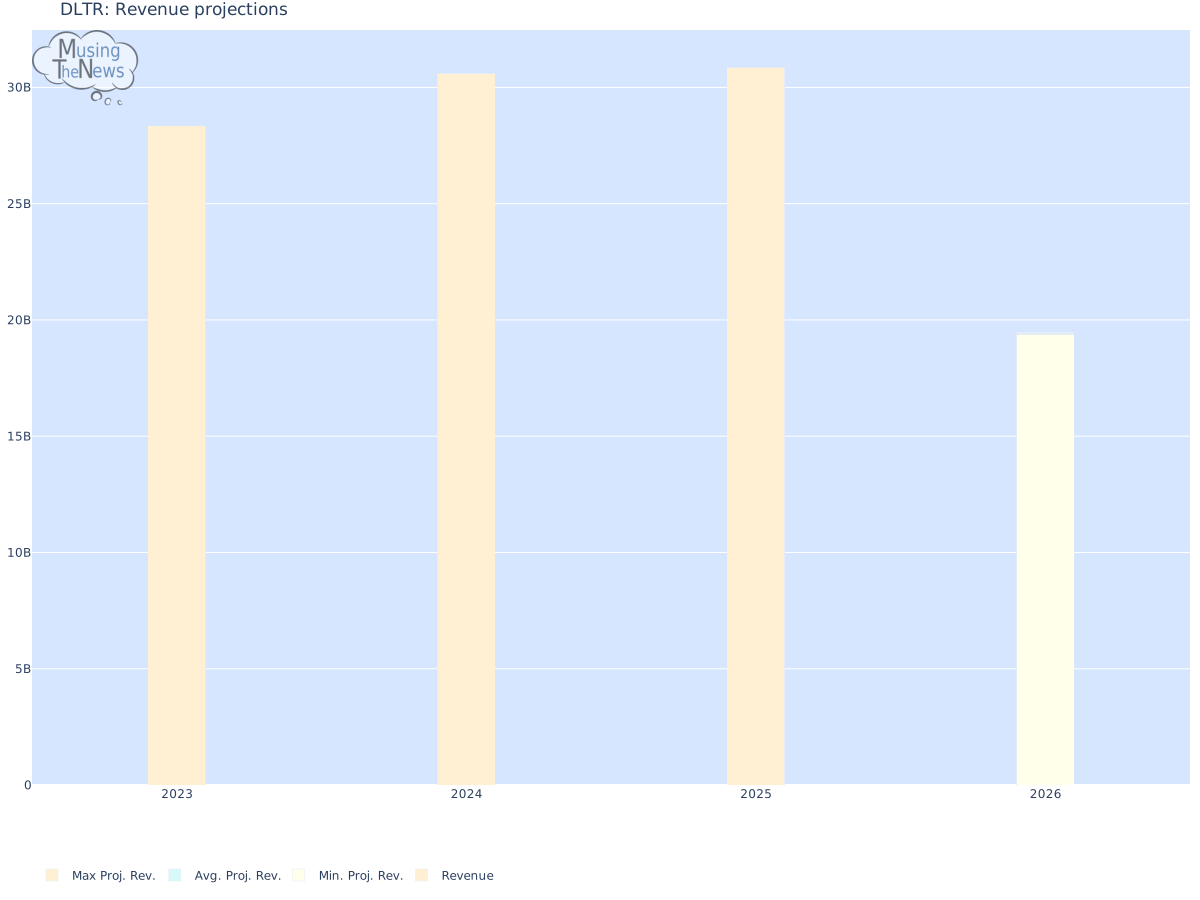
Investors may react cautiously to news that DLTR's revenues are forecasted to be lower than last year's. Such declines are likely to have a negative effect on the company's...






Business Operations:
Sector: Consumer DefensiveIndustry: Discount Stores
Dollar Tree, Inc. operates retail discount stores under the Dollar Tree and Dollar Tree Canada brands in the United States and Canada. The company offers consumable merchandise comprising everyday consumables, such as household paper and chemicals, food, candy, health, personal care products, and frozen and refrigerated food; variety merchandise consisting of toys, durable housewares, gifts, stationery, party goods, greeting cards, softlines, arts and crafts supplies, and other items; and seasonal goods, including Christmas, Easter, Halloween, and Valentine's Day merchandise. Dollar Tree, Inc. was founded in 1986 and is based in Chesapeake, Virginia.
Revenue projections:
Financial Ratios:
| currentRatio | 1.134000 |
|---|---|
| forwardPE | 14.175094 |
| debtToEquity | 223.945000 |
| earningsGrowth | 1.972000 |
| revenueGrowth | 0.070000 |
| grossMargins | 0.371800 |
| operatingMargins | 0.062090 |
| trailingEps | 8.160000 |
| forwardEps | 7.912470 |
DLTR's current ratio being 1.134 suggests that the company has no issue servicing its short-term debt. Its strong liquidity position, supported by sufficient cash reserves and current assets, ensures that DLTR can meet its financial obligations with ease.
DLTR's Forward PE is at a healthy level, meaning the stock price is aligned favorably with earnings. This suggests that the stock isn't overpriced, providing room for growth and making it an appealing option for investors looking to capitalize on potential future gains.
Dollar Tree, Inc.'s elevated debt-to-equity ratio reflects substantial leverage, meaning the company relies heavily on borrowed funds. This could increase financial risk, particularly in times of economic uncertainty or if the company's profitability declines.
DLTR's forward EPS is lower than its trailing EPS, indicating that the company is expected to be less profitable this year. This suggests a potential slowdown in financial performance.
Price projections:
Insider Transactions:
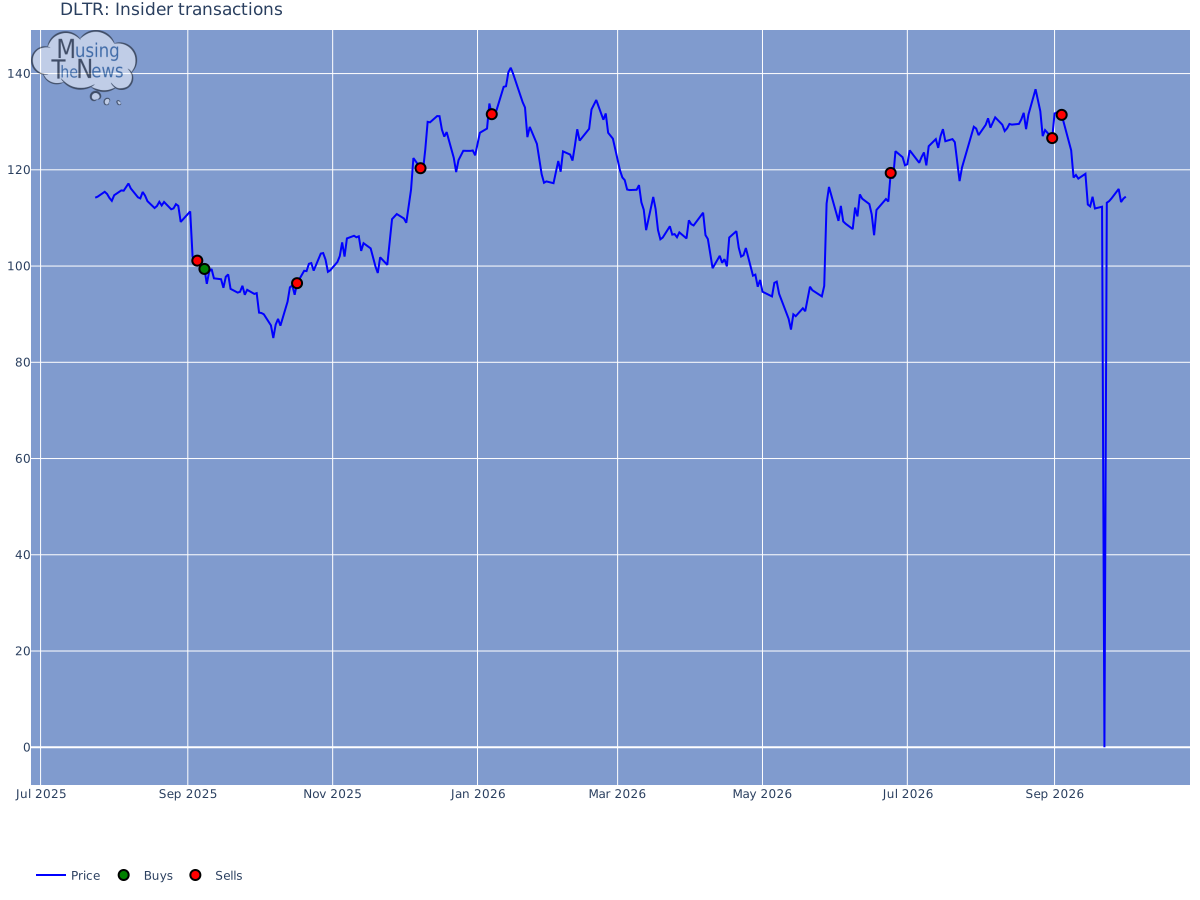
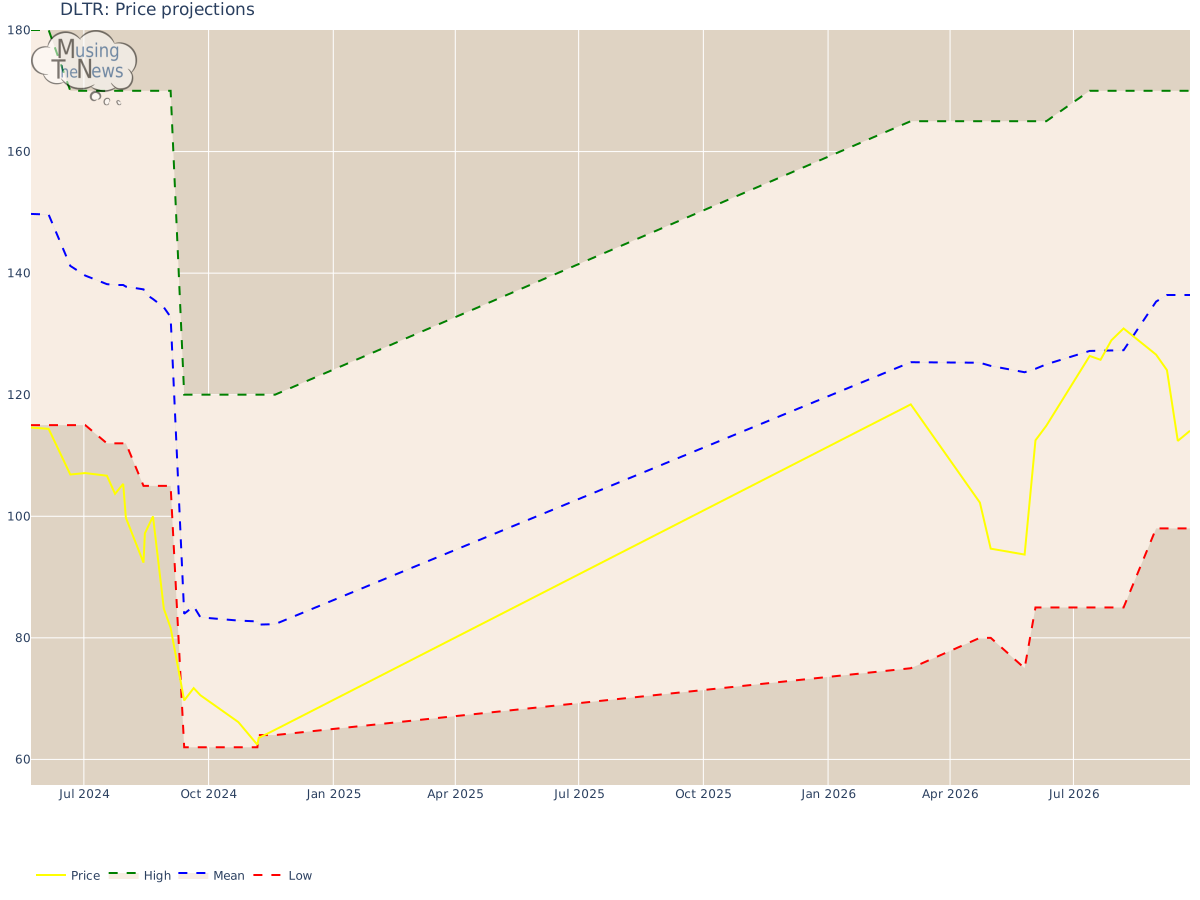
7 sales of Dollar Tree, Inc. stock were made, with market price at 118.11571393694196 per share.Dollar Tree, Inc. saw 1 transactions to buy shares, with a market price of 99.4000015258789.Increased sells at Dollar Tree, Inc.'s current price levels point to a possible decline. If this trend of selling continues, it may signal that the stock's price will face further downward pressure, reflecting investor concerns.
Recommendation changes over time:
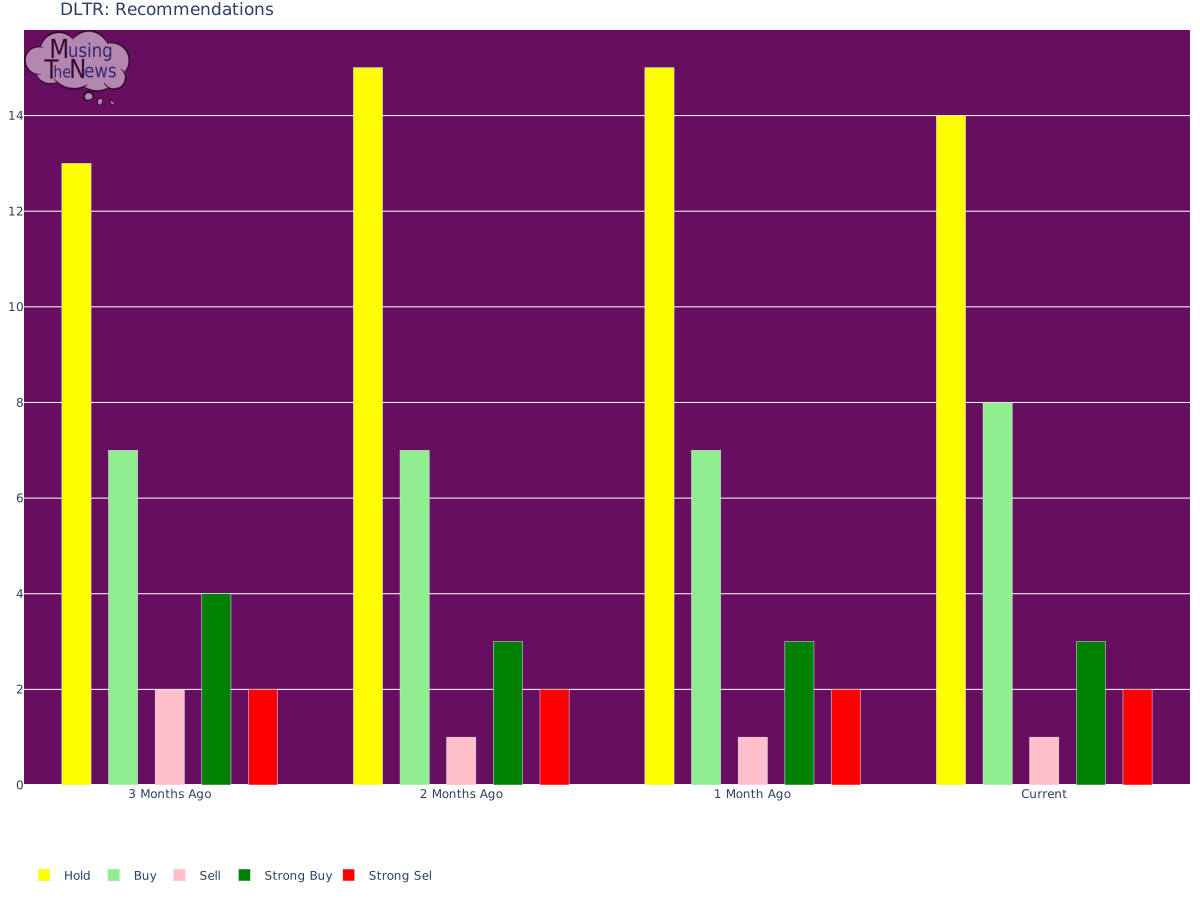
Analysts' recent buy bias toward DLTR suggests the stock is gaining favor as a strong investment choice. This optimism could drive more investors to see DLTR as a smart place to invest, further bolstering confidence in the company's long-term growth and potential returns.