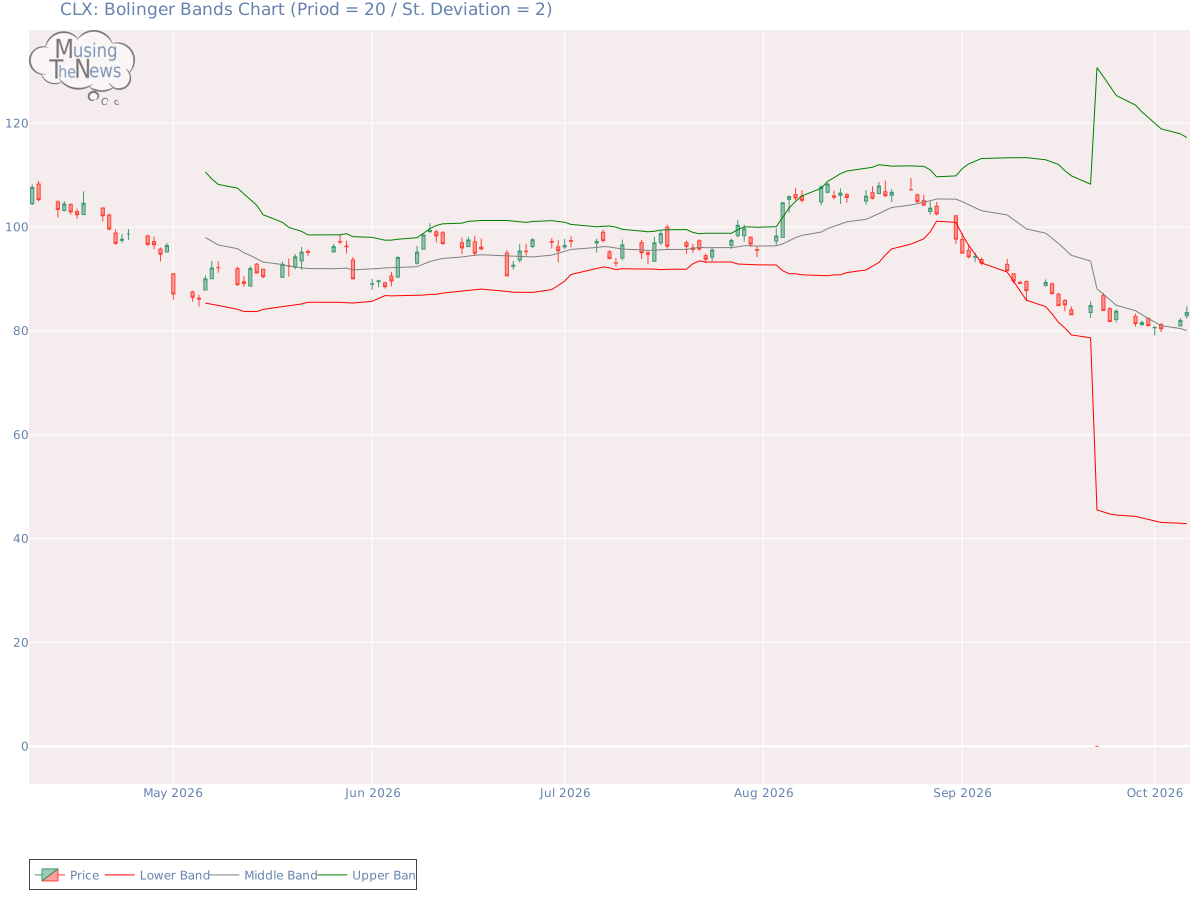
The BOLL BANDS is currently neutral, showing no clear bias toward an upward or downward trend. This suggests that the market may be in a phase of indecision or consolidatio...
By MusingTheNews
Updated 2026-10-07 23:26:00
Overall Technical outlook
Price Summary
On 2026-10-06, CLX's stock began at 82.94, peaked at 84.73, dipped to 82.37, and closed up 0.7% at 83.52, with a volume of 3083400 shares. The peak price for the stock in the past 52 weeks is 127.16, with the lowest price being 0.0.
Technicals
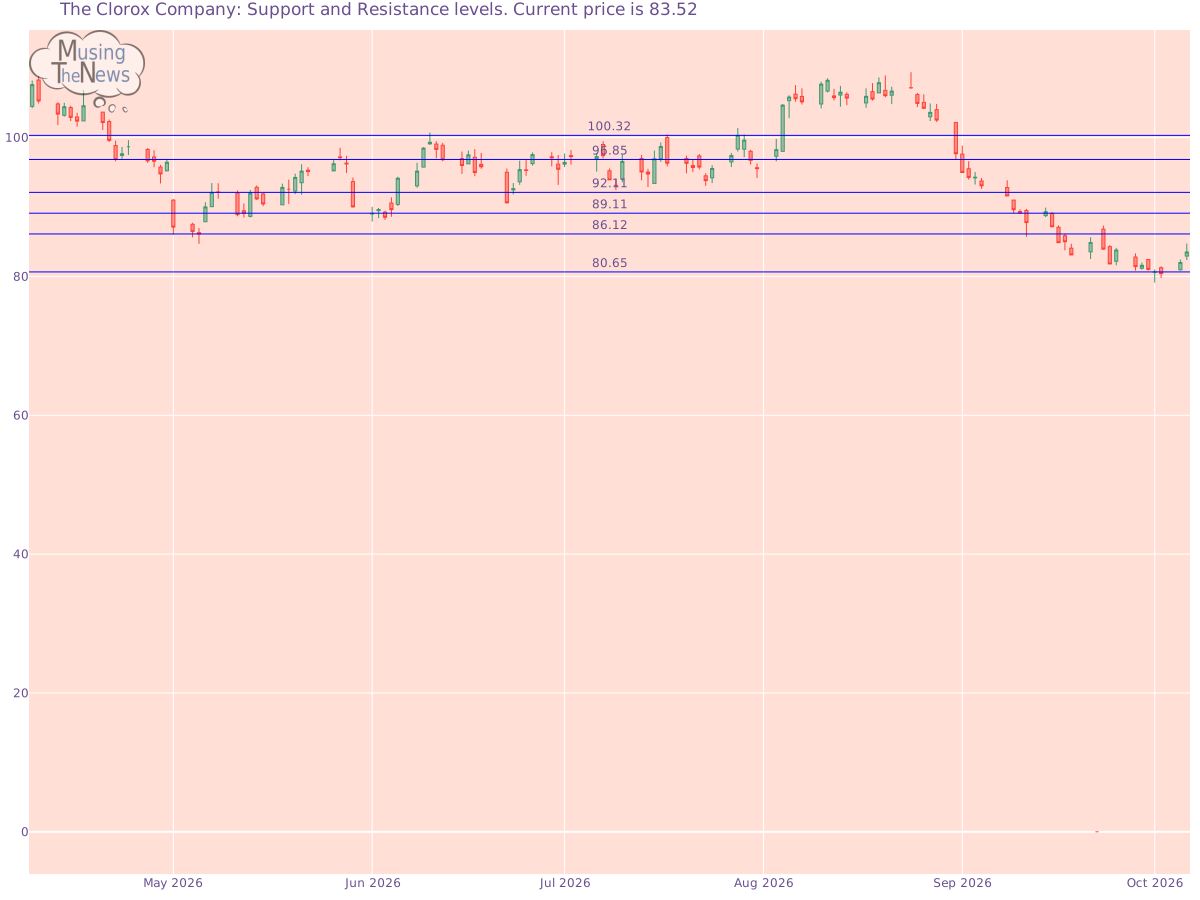
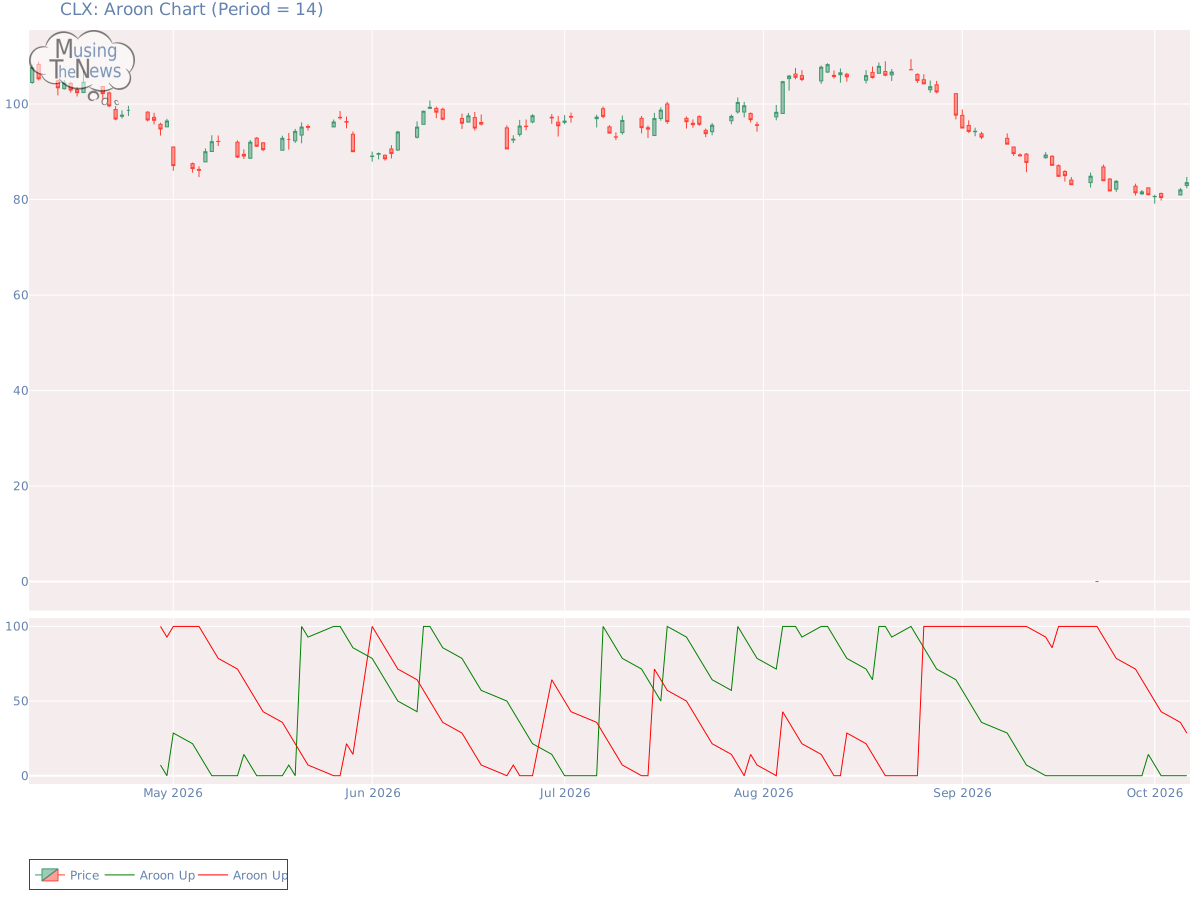
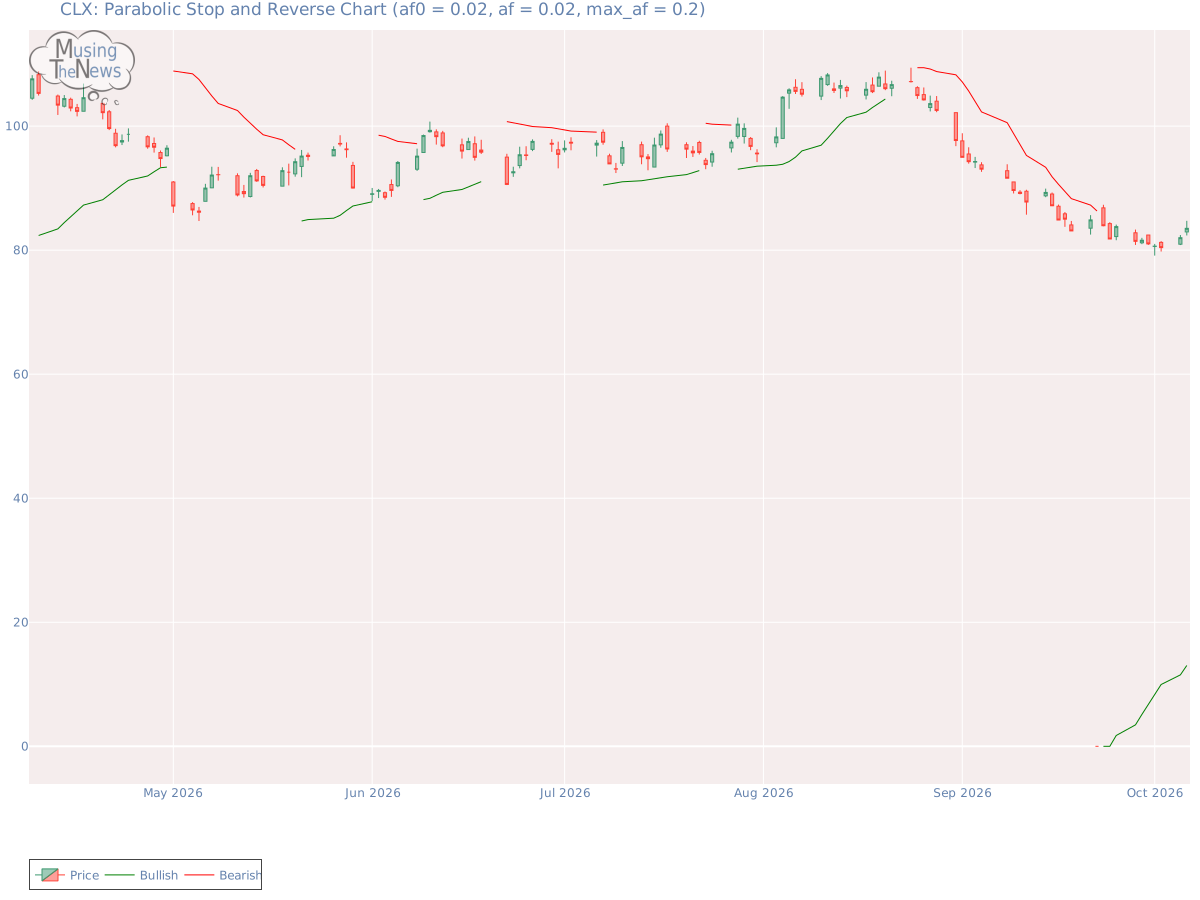
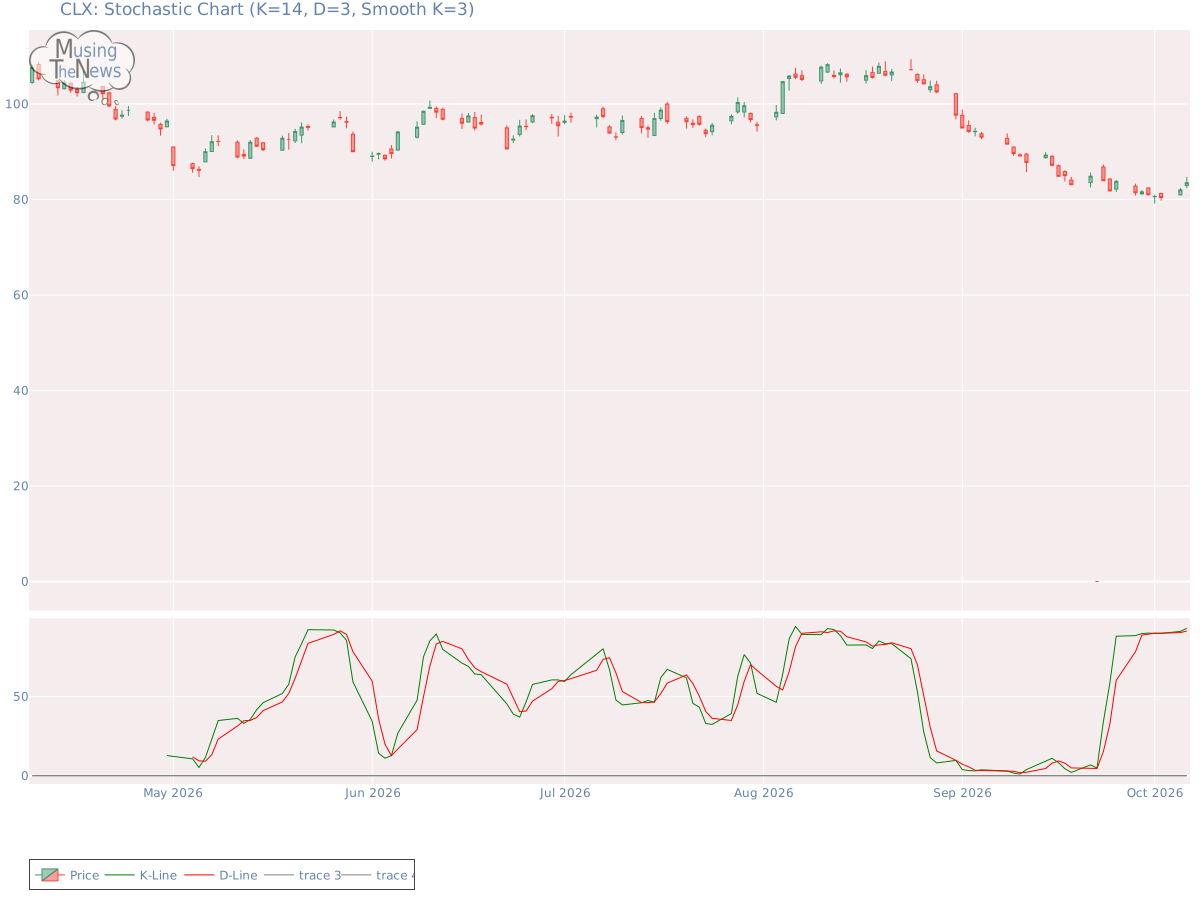
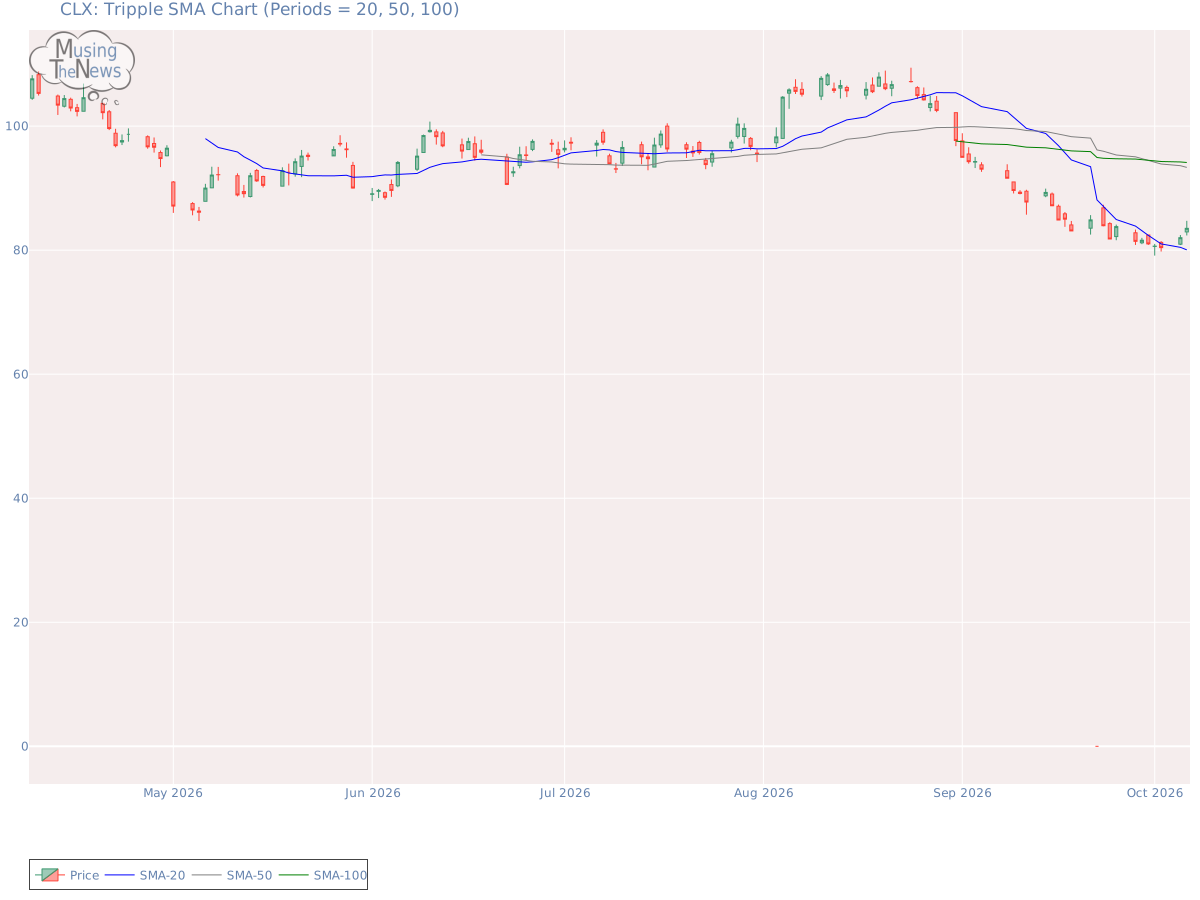
Support and Resistance: The price of 83.52 is supported at 80.65 and encounters resistance at 86.12. This suggests key levels where the price might find stability, with 80.65 providing a base and 86.12 acting as an upper boundary for CLX.Support/Resistance for CLXAroon: The AROON is in a neutral stance for CLX, not indicating a clear upward or downward trend. This suggests a period of market indecision, where neither bulls nor bears have the upper hand.Aroon chart for The Clorox CompanyBol. Bands: The BOLL BANDS is currently neutral, showing no clear bias toward an upward or downward trend. This suggests that the market may be in a phase of indecision or consolidation.Bolinger Bands chart for The Clorox CompanyParabolic SAR: The PSAR for CLX maintains its bullish outlook, setting a strong support level that could underpin further gains. This suggests that the market is likely to continue its upward trajectory, with the established support providing a safety net for ongoing bullish momentum.Parabolic Stop and Reverse chart for The Clorox CompanyStochastic: The stochastic indicator is currently bullish, with the K-line exceeding both the D-line and the 80 level. This configuration indicates robust upward momentum, suggesting that the market may experience further gains. Investors may interpret this as a positive signal for continued upward movement.Stochastic chart for The Clorox CompanyTripple Moving Agerage: A bullish trend is reflected in the alignment of the 20-50-100 period moving averages, though the slopes of the faster averages hint at a possible reversal. This weakening momentum suggests that while the overall trend is still upward, traders should be cautious of a potential shift in the near future.Tripple SMA chart for The Clorox Company To accurately interpret a company's technical data, it is important to first examine its fundamentals. These include financial performance, management quality, and growth prospects. In addition, understanding the dynamics of the industry in which the company operates—such as competition, market trends, and regulatory factors—provides further insights. This combined analysis helps create a fuller picture, allowing for more precise conclusions to be drawn from the company's technical performance and stock behavior.