
More about Alexandria Real Estate Equities, Inc.
Regulatory Filings for Alexandria Real Estate Equities, Inc.
Fundamentals for Alexandria Real Estate Equities, Inc.

Diversification Shielded U.S. Banks

Repo, Debt and Risk: The Fed's Untold Warning for 2026

When Losing Money Pays: America's Broken Market Logic

The Hidden Time Bomb in AI Finance
Fundamentals for Alexandria Real Estate Equities, Inc.



*ARE makes the list of companies with the worst fundamentals at present.
Business Operations:
Sector: Real EstateIndustry: REIT - Office
Alexandria Real Estate Equities, Inc. an S&P 500 company, is a best-in-class, mission-driven life science REIT making a positive and lasting impact on the world. With our founding in 1994, Alexandria pioneered the life science real estate niche. Alexandria is the preeminent and longest-tenured owner, operator, and developer of collaborative Mega campus ecosystems in AAA life science innovation cluster locations, including Greater Boston, the San Francisco Bay Area, San Diego, Seattle, Maryland, Research Triangle, and New York City. As of December 31, 2025, Alexandria has a total market capitalization of $20.75 billion and an asset base in North America that includes 35.9 million RSF of operating properties and 3.5 million RSF of Class A/A+ properties undergoing construction. Alexandria has a long-standing and proven track record of developing Class A/A+ properties clustered in highly dynamic and collaborative Mega campus environments that enhance our tenant ability to successfully recruit and retain world-class talent and inspire productivity, efficiency, creativity, and success. Alexandria also provides strategic capital to transformative life science companies through our venture capital platform. We believe our unique business model and diligent underwriting ensure a high-quality and diverse tenant base that results in higher occupancy levels, longer lease terms, higher rental income, higher returns, and greater long-term asset value.
Revenue projections:

ARE's revenues are expected to fall below last year's, and this forecast tends to raise concerns among investors. A revenue drop can negatively impact the company's profitability, making investors more cautious about their positions due to the risks of declining financial performance.
Financial Ratios:
| currentRatio | 0.79700 |
|---|---|
| forwardPE | -56.87500 |
| debtToEquity | 66.50900 |
| earningsGrowth | 0.00000 |
| revenueGrowth | -0.11500 |
| grossMargins | 0.68590 |
| operatingMargins | 0.15891 |
| trailingEps | -6.25000 |
| forwardEps | -0.88000 |
ARE's low growth in both earnings and revenue indicates the company's profits may decrease. This trend could signal a downturn in financial performance, suggesting that ARE might struggle to maintain its current profit levels.
Price projections:

ARE's price projections have gradually decreased, reflecting a less optimistic view of the company's future performance. Analysts are adjusting their expectations, suggesting potential concerns about ARE's ability to meet previous growth targets.
Insider Transactions:

There were 4 ARE sales transactions, at market price of 50.64750099182129.6 separate transactions to buy ARE were completed, while market price hovered around 44.69166692097982.The higher volume of sells at ARE's current price levels could indicate potential for further price drops. If this selling trend continues, investors might expect the stock's value to decline as more shareholders exit their positions.
Recommendation changes over time:

Analysts have developed a sell bias for ARE, urging caution for investors. It's essential to base investment decisions on multiple market indicators to avoid hasty conclusions. Relying on a broader scope of information will provide a more accurate assessment of ARE's overall potential.
If you have enjoyed reading, spread the word:
Good prospects:
Companies with the best and the worst technicals.
Latest Regulatory Filings for SP5
Companies with the best and the worst fundamentals.
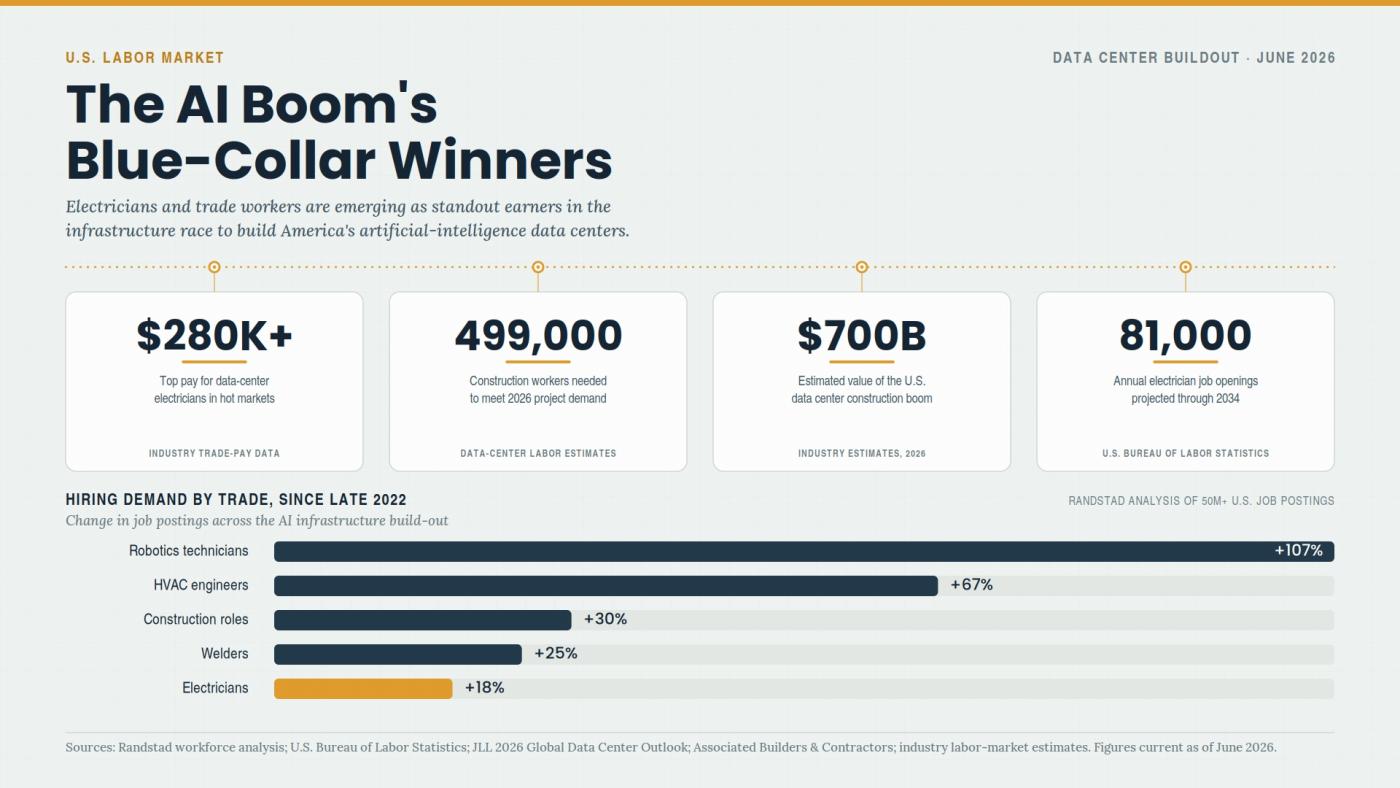
Why Electricians Now Out-Earn Software Engineers
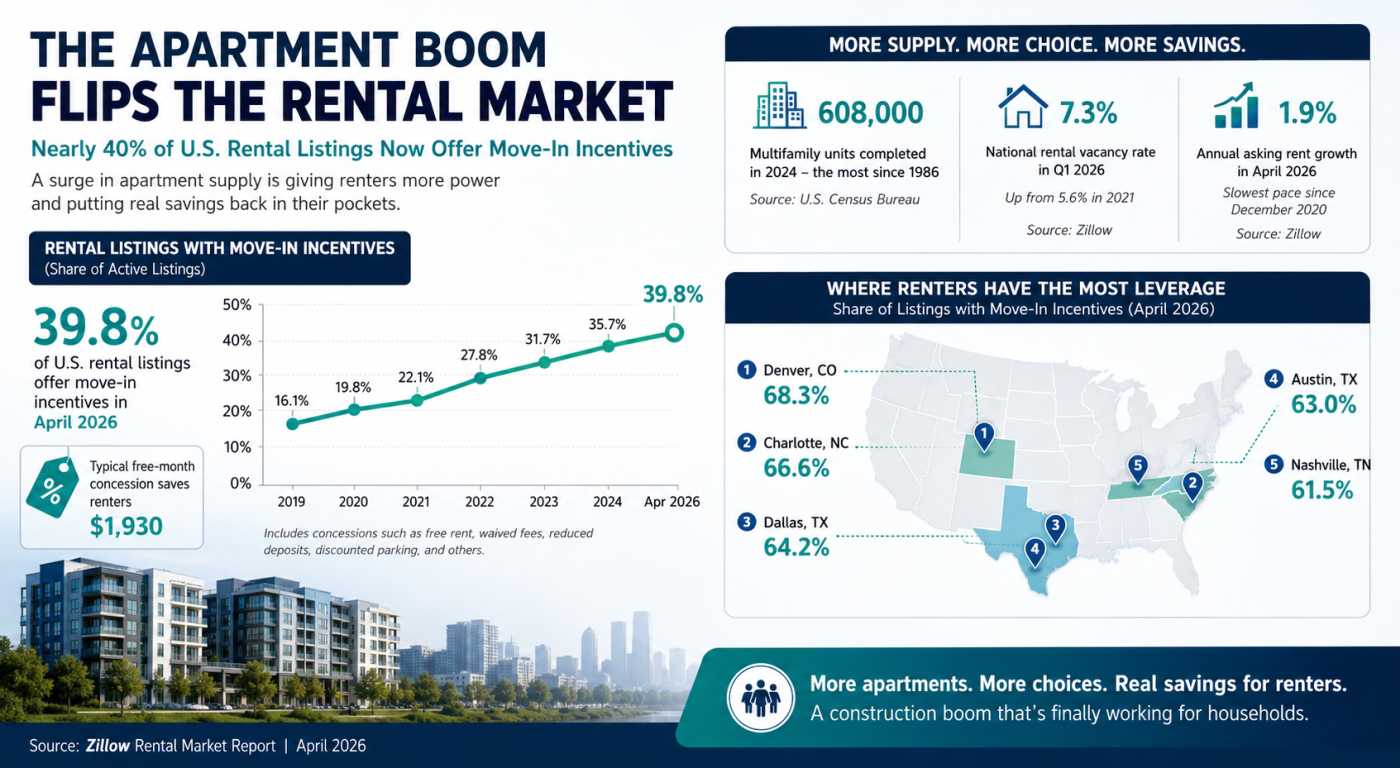
The Apartment Glut Changing America’s Rental Market
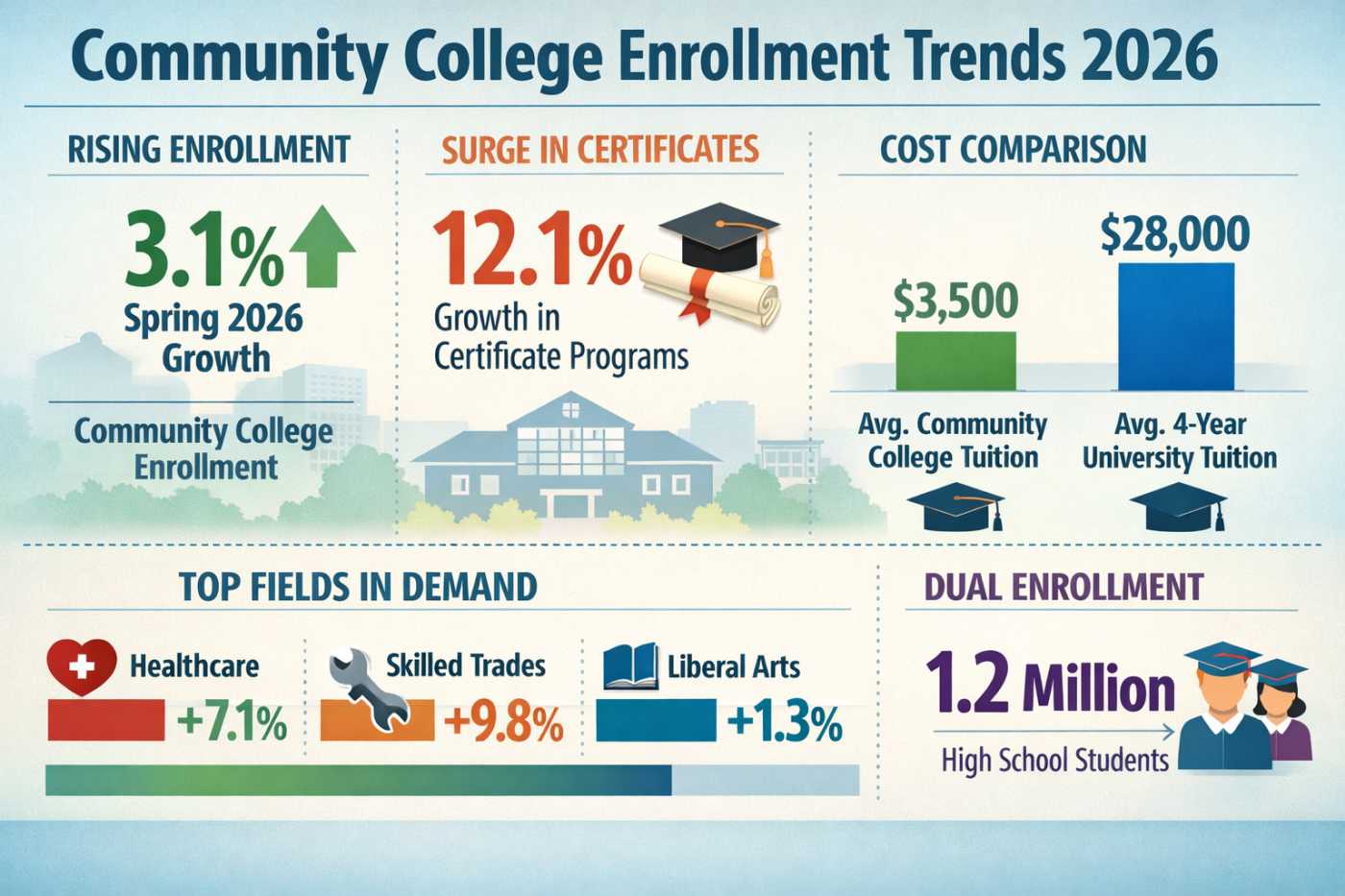
Why Community Colleges Are Winning Again