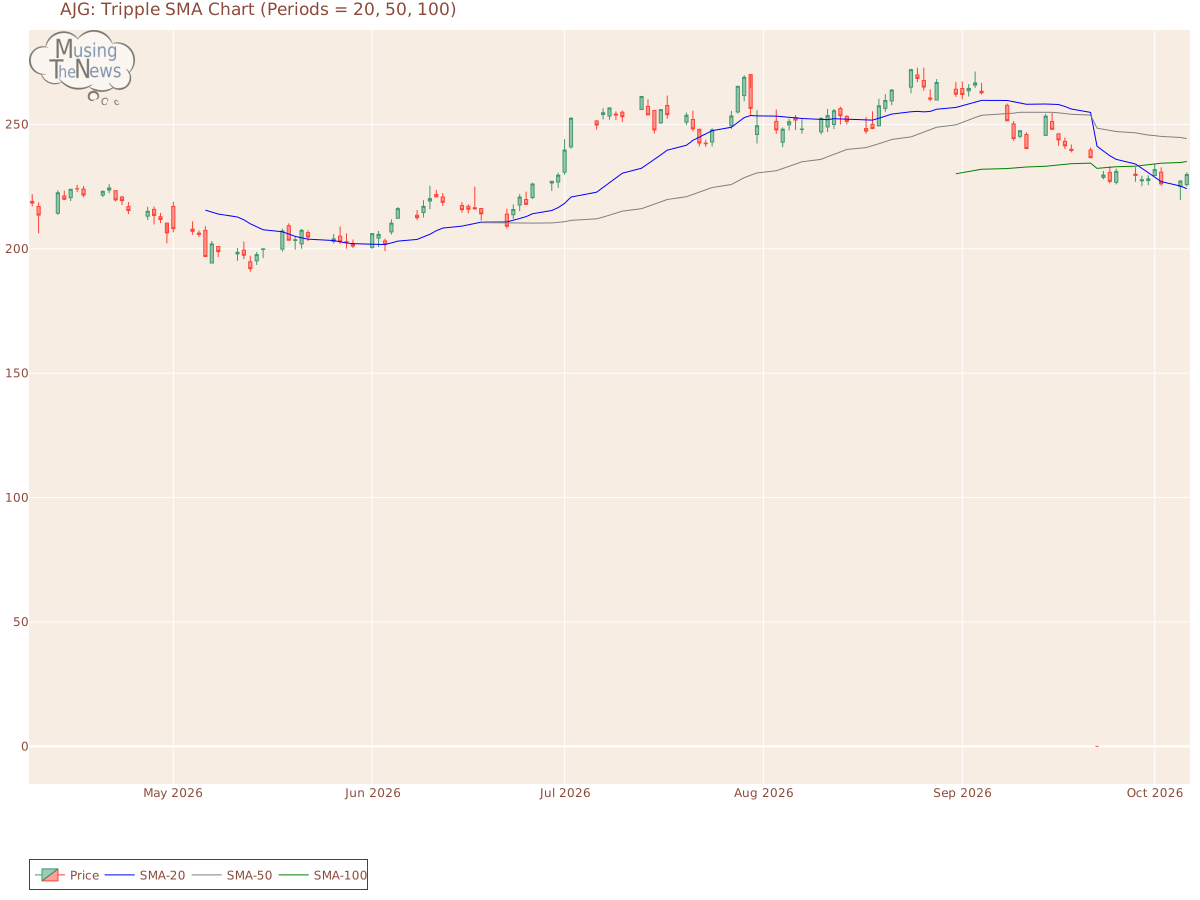
The current state of the Tripple MOVING AVG is neutral, with no clear trend direction indicated. This lack of directional bias suggests that the market may be in a phase of...
By MusingTheNews
Updated 2026-10-07 23:25:49
Overall Technical outlook
Price Summary
2026-10-06, saw AJG's stock open at 225.81, hit a peak of 230.73, fall to a low of 225.08, and close higher 1.79% at 229.85, with 1152800 shares changing hands. During the 52-week span, the stock hit a high of 303.73 and a low of 0.0.
Technicals
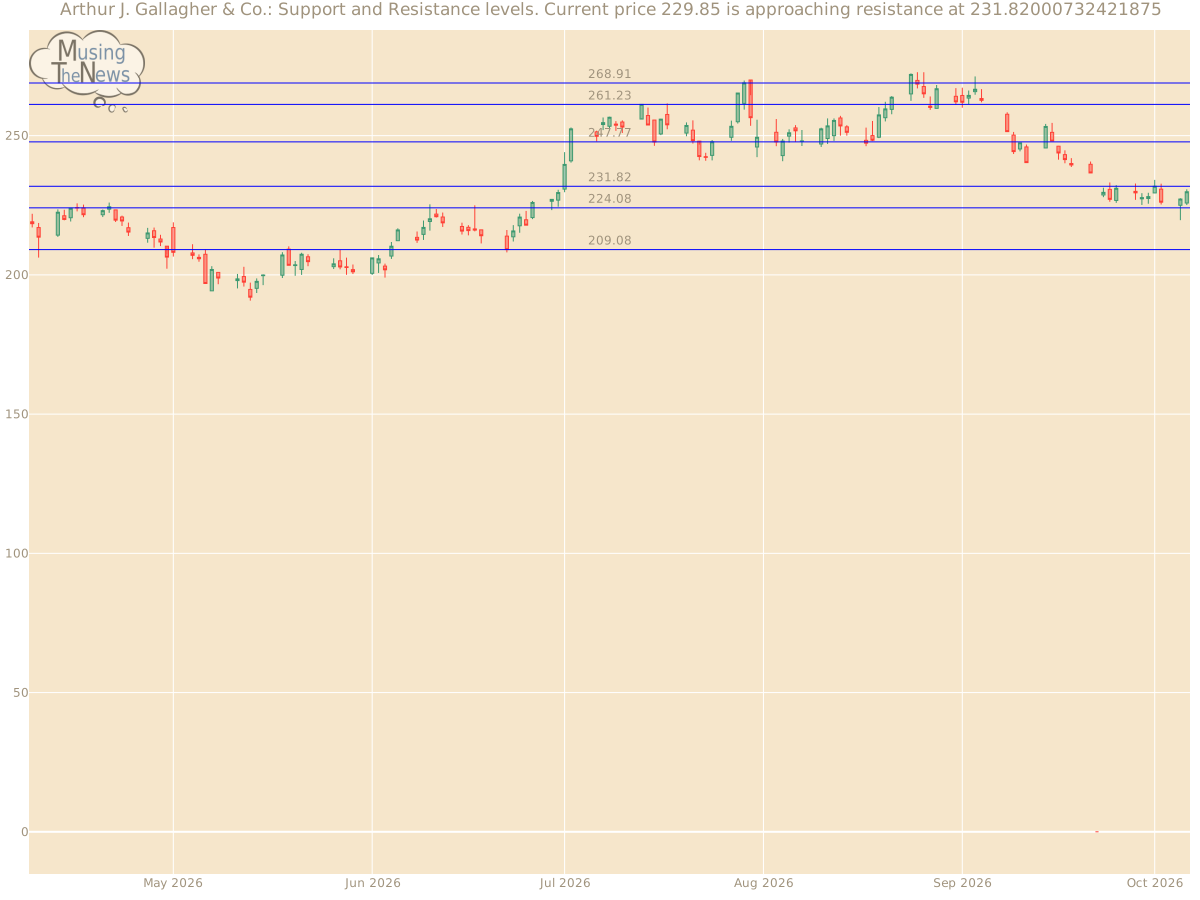
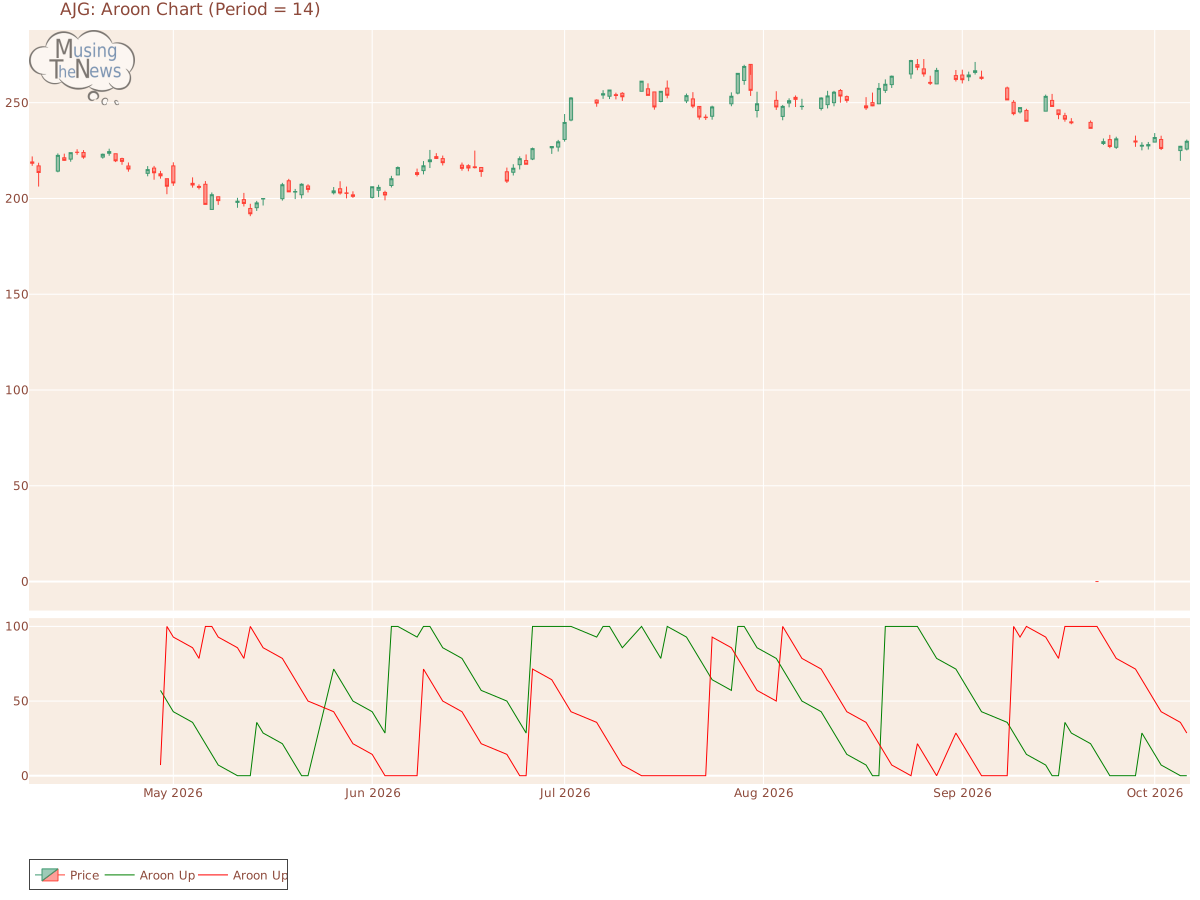
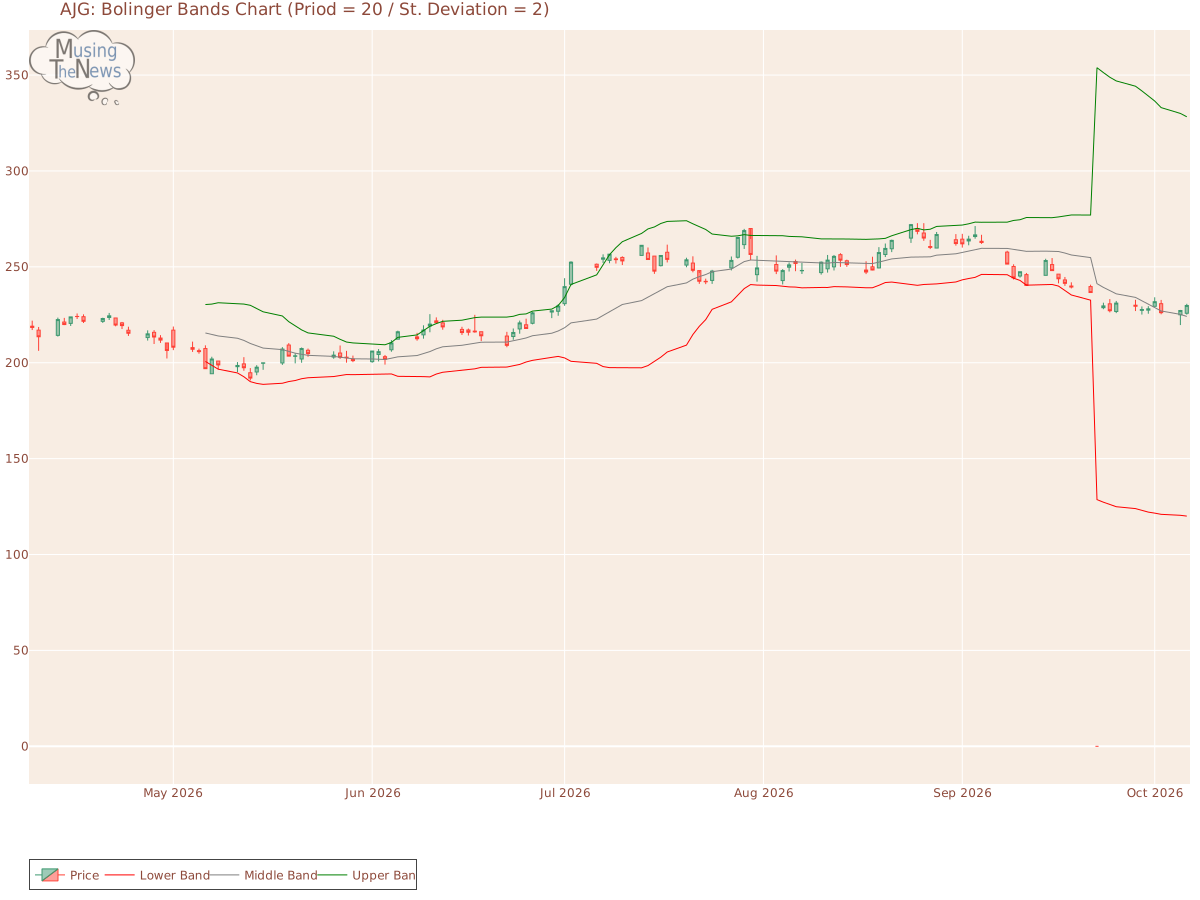
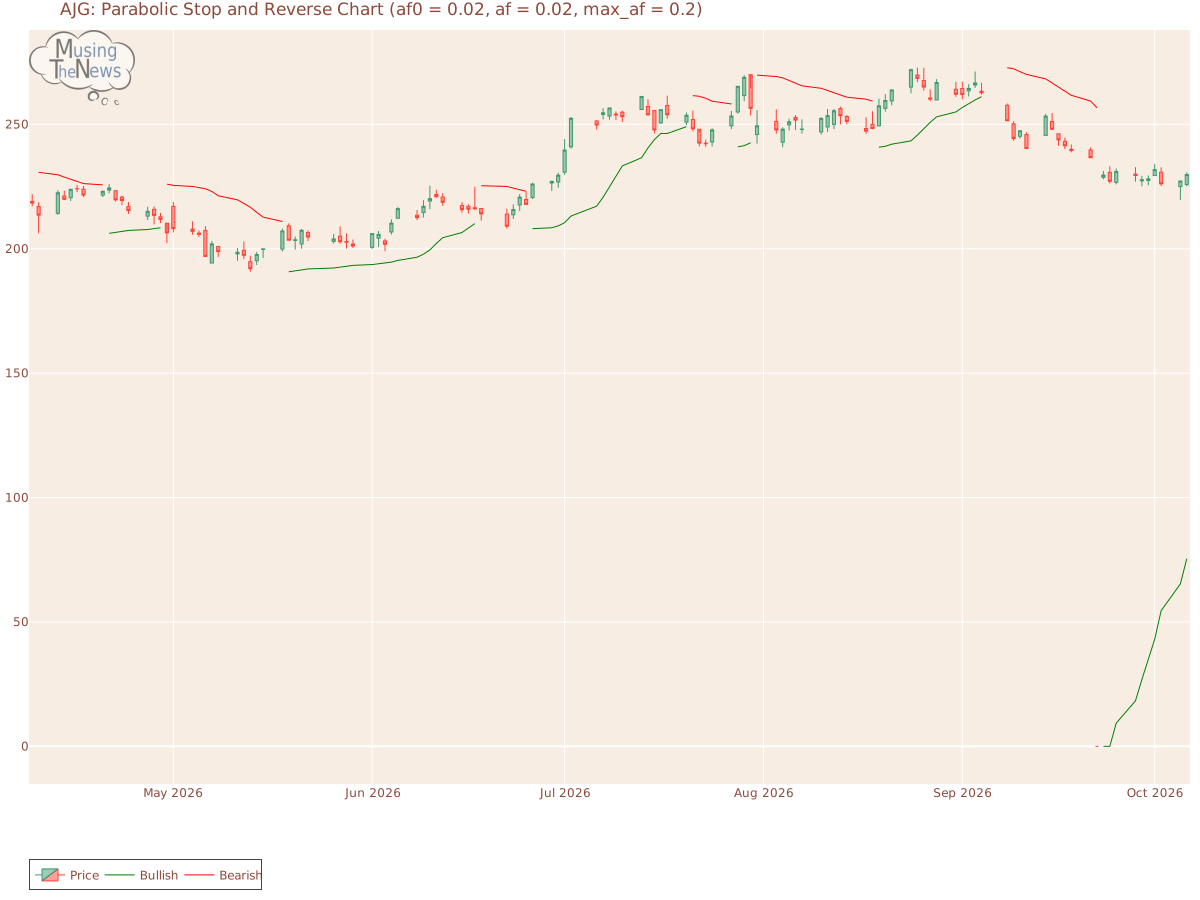
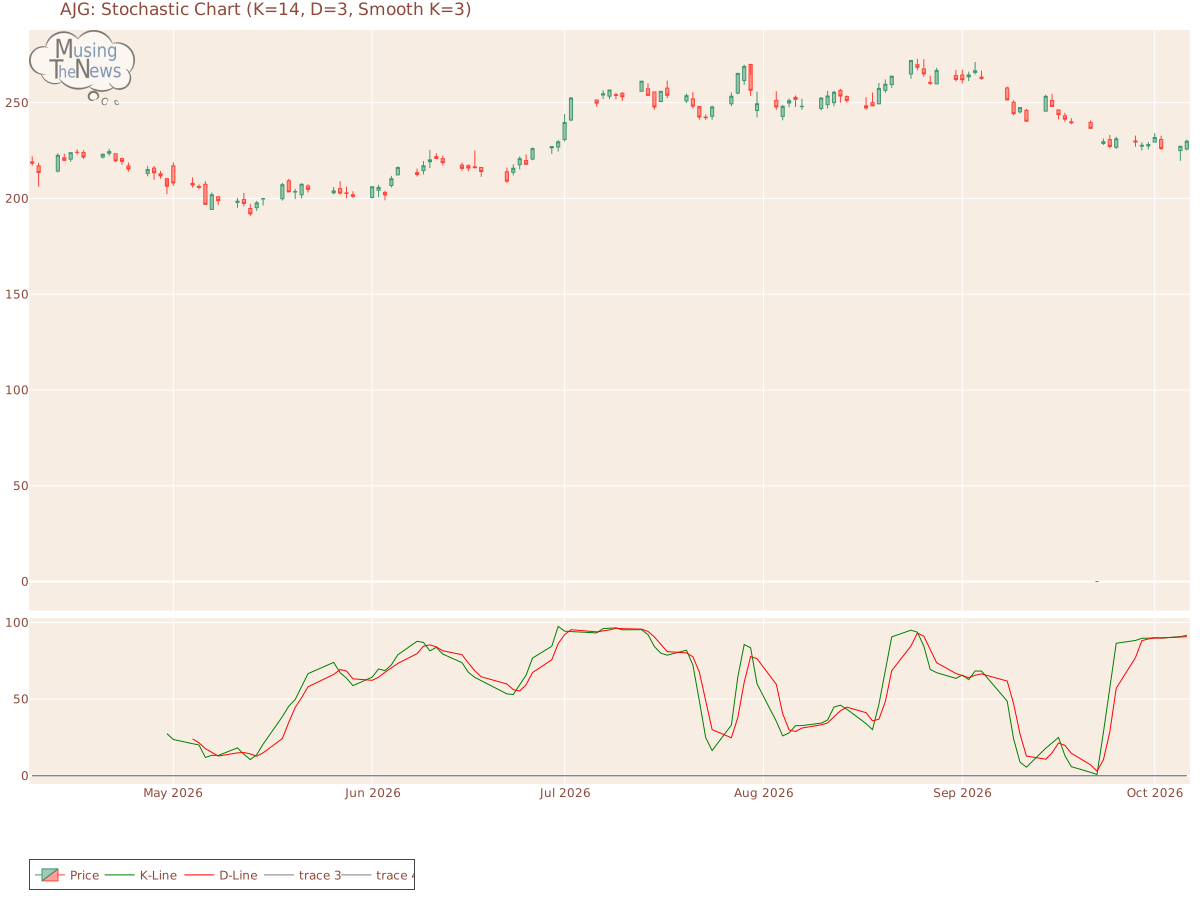
Support and Resistance: The price sits at 229.85, supported by 224.08 and resisted by 231.82. This indicates a trading range where 224.08 provides a floor, preventing declines, and 231.82 acts as a ceiling, limiting further price increases for AJG.Support/Resistance for AJGAroon: The AROON is currently neutral, showing no clear bias toward an upward or downward trend. This suggests that the market may be in a phase of indecision or consolidation.Aroon chart for Arthur J. Gallagher & Co.Bol. Bands: The BOLL BANDS is neutral, showing no definitive signals of a trend either upward or downward. This neutral stance indicates a period of market indecision, where the direction is unclear.Bolinger Bands chart for Arthur J. Gallagher & Co.Parabolic SAR: The PSAR continues to indicate a bullish outlook, establishing a key support level that could sustain the market's upward trend. This support suggests that the bullish momentum is likely to persist, offering a foundation for further growth.Parabolic Stop and Reverse chart for Arthur J. Gallagher & Co.Stochastic: The stochastic indicator signals a bullish mood, with the K-line above both the D-line and the 80 threshold. This configuration indicates strong upward momentum, suggesting that the market may continue its upward trend. Traders could consider this a positive indication of strength for AJG.Stochastic chart for Arthur J. Gallagher & Co.Tripple Moving Agerage: The current state of the Tripple MOVING AVG is neutral, with no clear trend direction indicated. This lack of directional bias suggests that the market may be in a phase of consolidation or uncertainty.Tripple SMA chart for Arthur J. Gallagher & Co. A company's technical data, including stock price and trading volume, can provide valuable insights when considered alongside its fundamentals. These include financial performance, market share, and growth strategy, as well as broader industry dynamics. Examining these factors helps investors or analysts make more informed decisions, as the company's fundamentals offer context for understanding how and why certain technical patterns may emerge in the market.