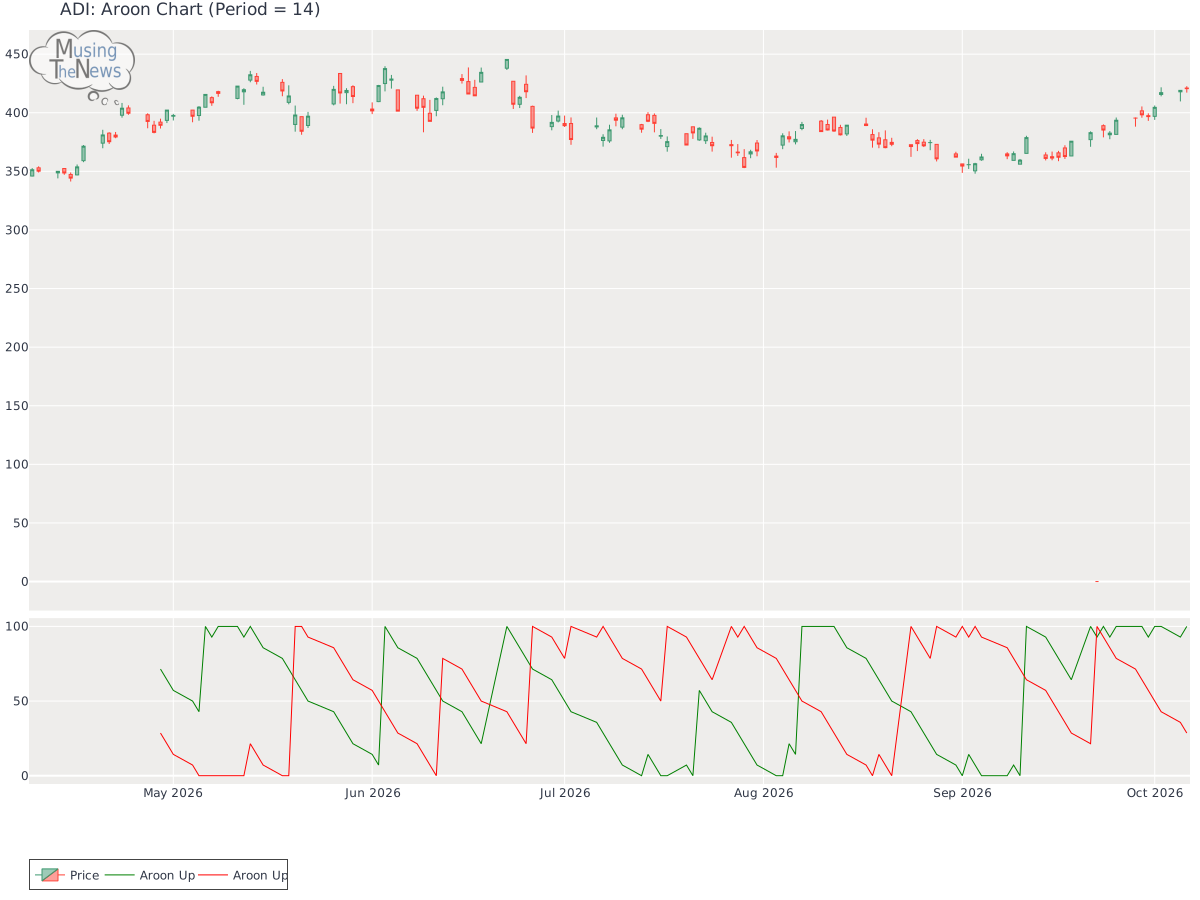
Aroon's bullish trend continues, with Aroon Up at the 100 level, indicating strong market momentum. However, further analysis with other indicators is essential for ADI to ...
By MusingTheNews
Updated 2026-10-07 23:25:47
Overall Technical outlook
Price Summary
On 2026-10-06, Analog Devices, Inc.'s stock began at 421.08, peaked at 422.67, declined to 417.19, and ended the day -0.13% down at 420.55, with 2263400 shares traded. Over the previous 52 weeks, the stock reached a high of 445.48 and a low of 0.0.
Technicals
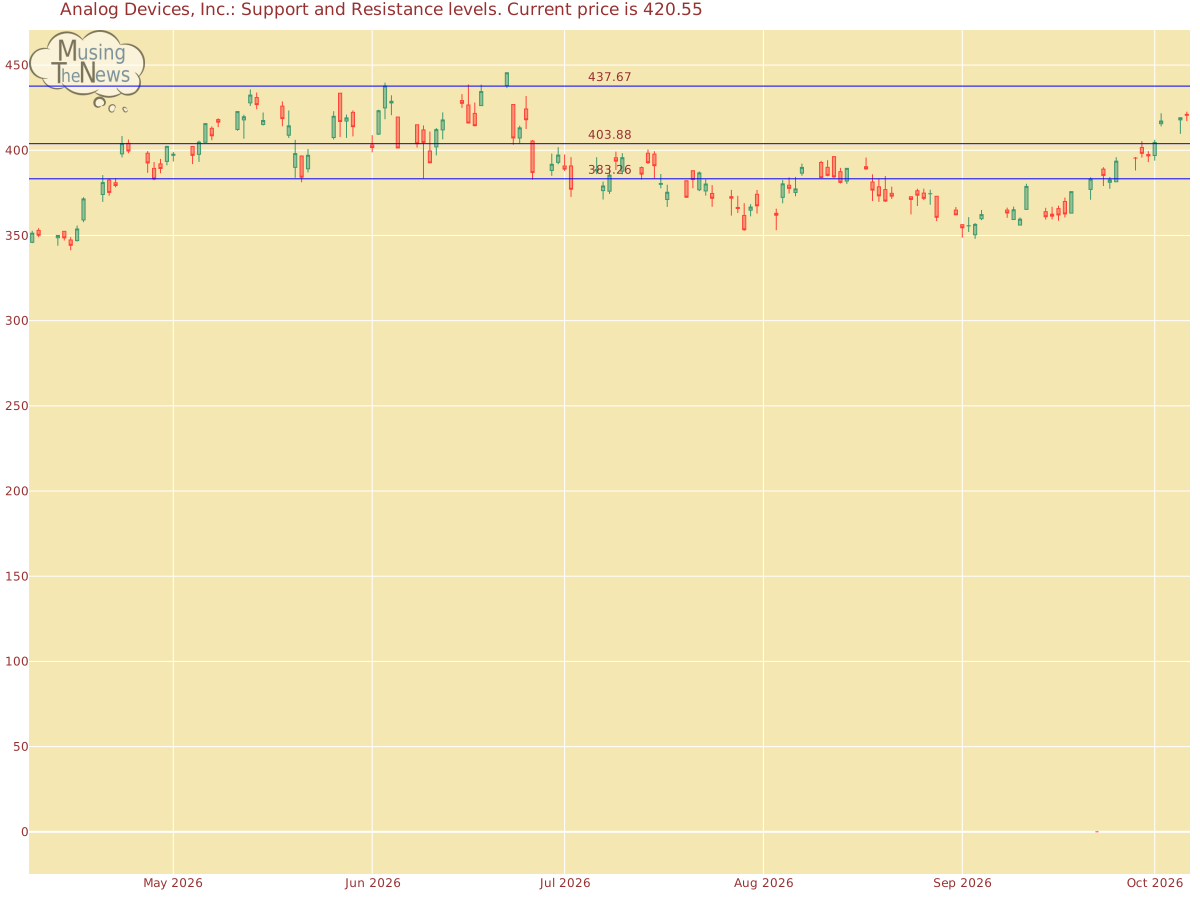
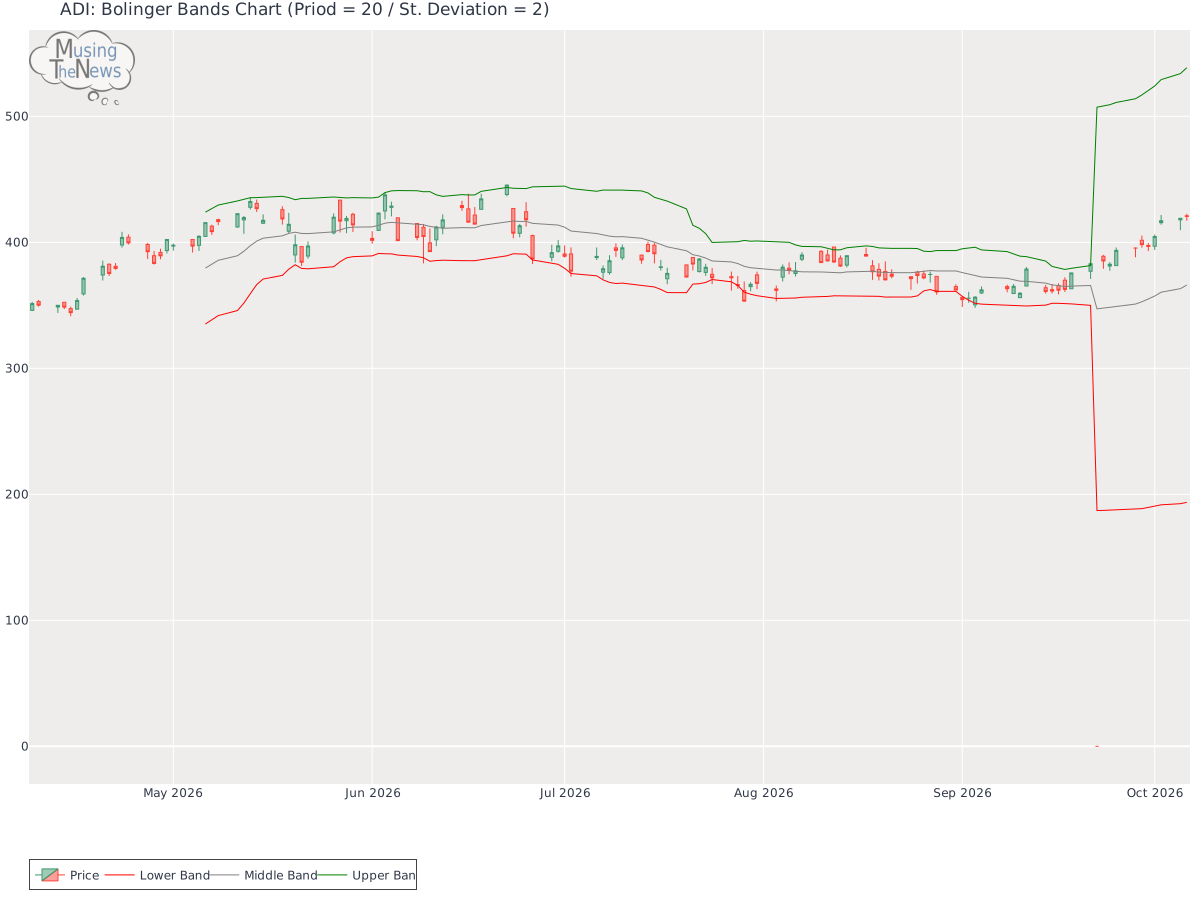
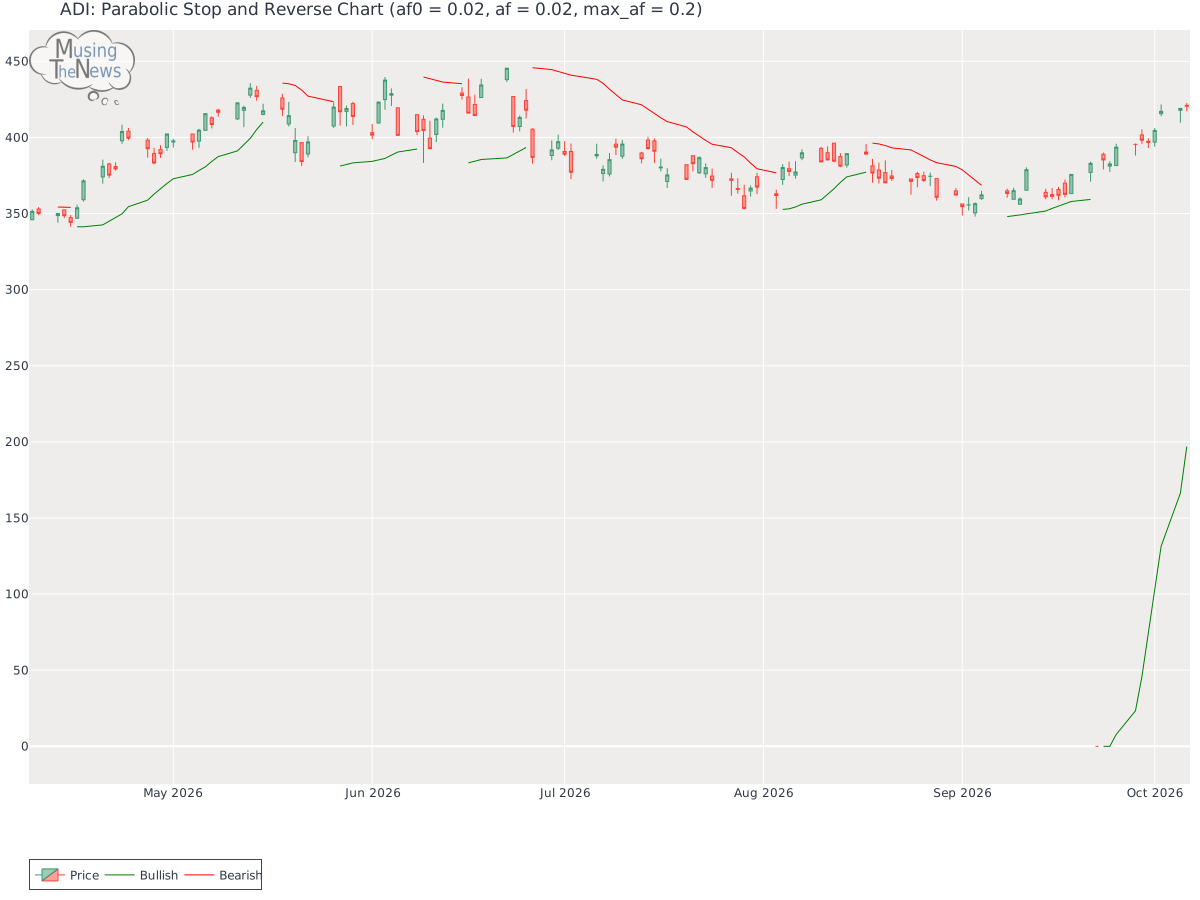
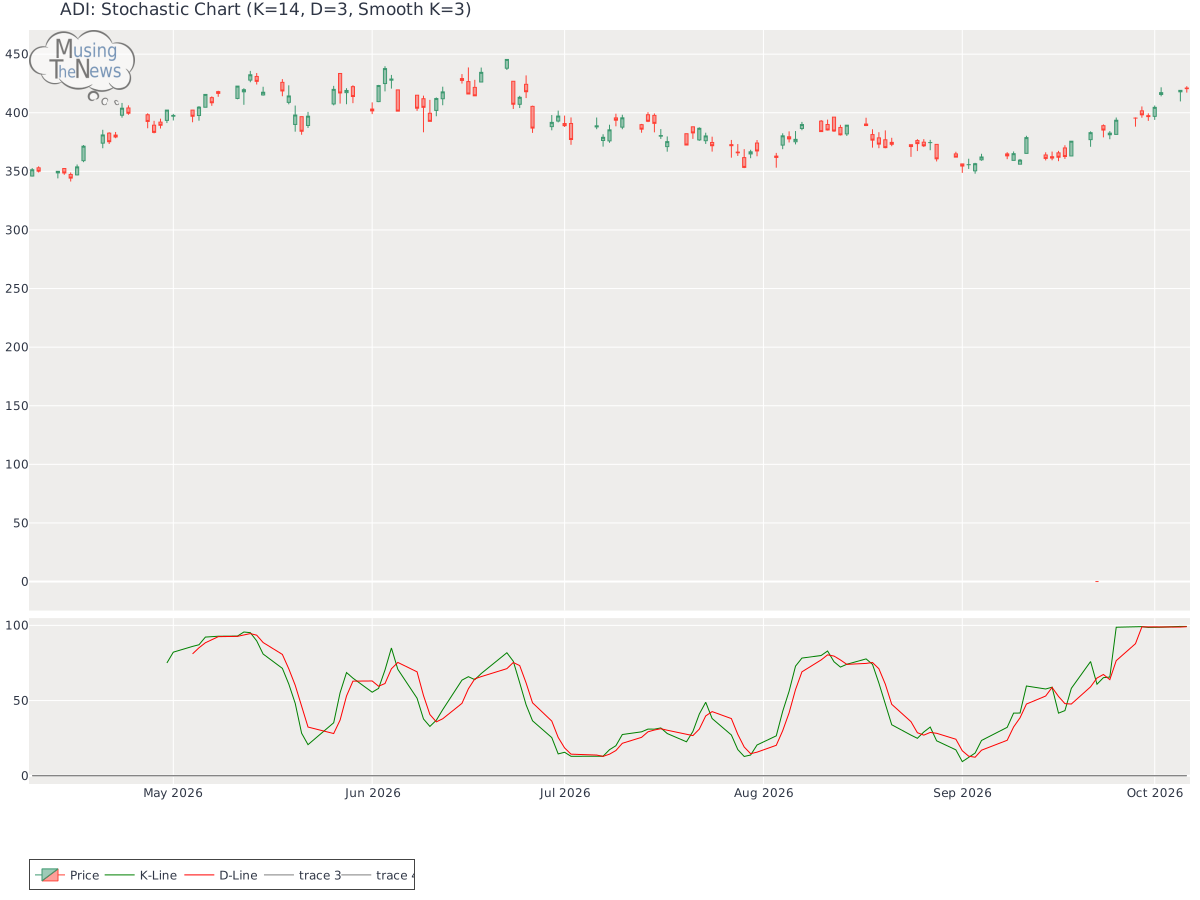
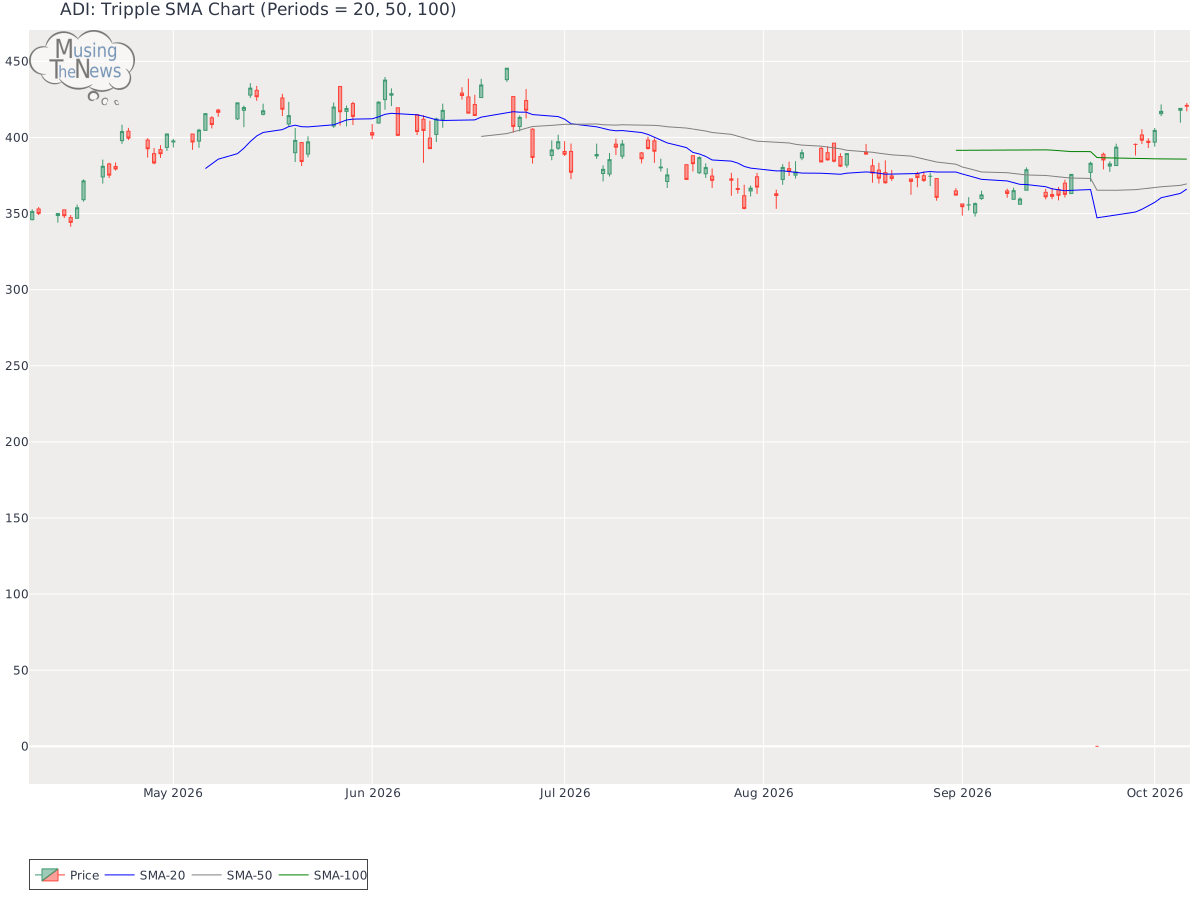
Support and Resistance: The price of 420.55 is supported at 403.88 and encounters resistance at 437.67. This suggests key levels where the price might find stability, with 403.88 providing a base and 437.67 acting as an upper boundary for ADI.Support/Resistance for ADIAroon: Aroon's bullish trend continues, with Aroon Up at the 100 level, indicating strong market momentum. However, further analysis with other indicators is essential for ADI to assess the trend's long-term viability and potential for continued growth.Aroon chart for Analog Devices, Inc.Bol. Bands: The current state of the BOLL BANDS is neutral, providing no clear signals for either an upward or downward movement. This indicates that the market may be in a state of equilibrium, with no strong momentum in either direction.Bolinger Bands chart for Analog Devices, Inc.Parabolic SAR: The PSAR continues to signal a bullish outlook, establishing a key support level that reinforces the market's upward momentum. This support could serve as a base for continued gains, suggesting that the bullish trend is likely to persist.Parabolic Stop and Reverse chart for Analog Devices, Inc.Stochastic: The stochastic indicator is in a bullish position, with the K-line above both the D-line and the 80 level. This configuration suggests strong upward momentum, indicating that the market may continue its positive trend. Traders might view this as a sign of ongoing strength in the market.Stochastic chart for Analog Devices, Inc.Tripple Moving Agerage: The alignment of the 20, 50, and 100 moving averages for ADI points to a bullish trend in the market. The slopes of these averages further indicate a mildly bullish sentiment overall. This suggests that while there is some upward momentum, the market is not expected to surge rapidly, but rather to maintain a steady and gradual rise in value over time.Tripple SMA chart for Analog Devices, Inc. When evaluating a company's technical indicators like price trends and trading volume, it's important to also assess its fundamentals. Key factors include the company's profitability, growth rate, and financial stability. Furthermore, considering the industry within which the company operates provides additional context, as factors like competition and market demand can affect performance. By combining this analysis, you can make more informed judgments about the company's future prospects.