
More about Syrma SGS Technology Limited
Fundamentals for Syrma SGS Technology Limited
Regulatory Filings for Syrma SGS Technology Limited

From COVID Debt to Green Despair: Industrial Discharge Is Destroying India’s Last Prawn Nurseries

The Hidden Cost of India's Electronics Assembly Push: A 40% E-Waste Surge and the Death of Affordable Repair

The Wedding Loan Trap: How India’s Microfinance Boom Turned Housewives Into Ghost Borrowers and Temple Brass Into EMI Cash

From Lifesaving Drugs to Sick Units: The Hidden Energy Crisis Inside India’s Pharma Clusters
Technicals for Syrma SGS Technology Limited



Price Summary
Syrma SGS Technology Limited's stock started trading at 975.0 on 2026-04-30, climbed to 975.0, fell to 945.85, and closed -1.65% lower at 958.95, with 892497 shares traded.Throughout the 52-week period, the stock hit a high of 997.75 and a low of 457.2.
The future price of SYRMA is anticipated to range from 820.0 to 1100.0, with an expected mean price of 961.2273, according to the recommendations of 22 analysts.
Technicals
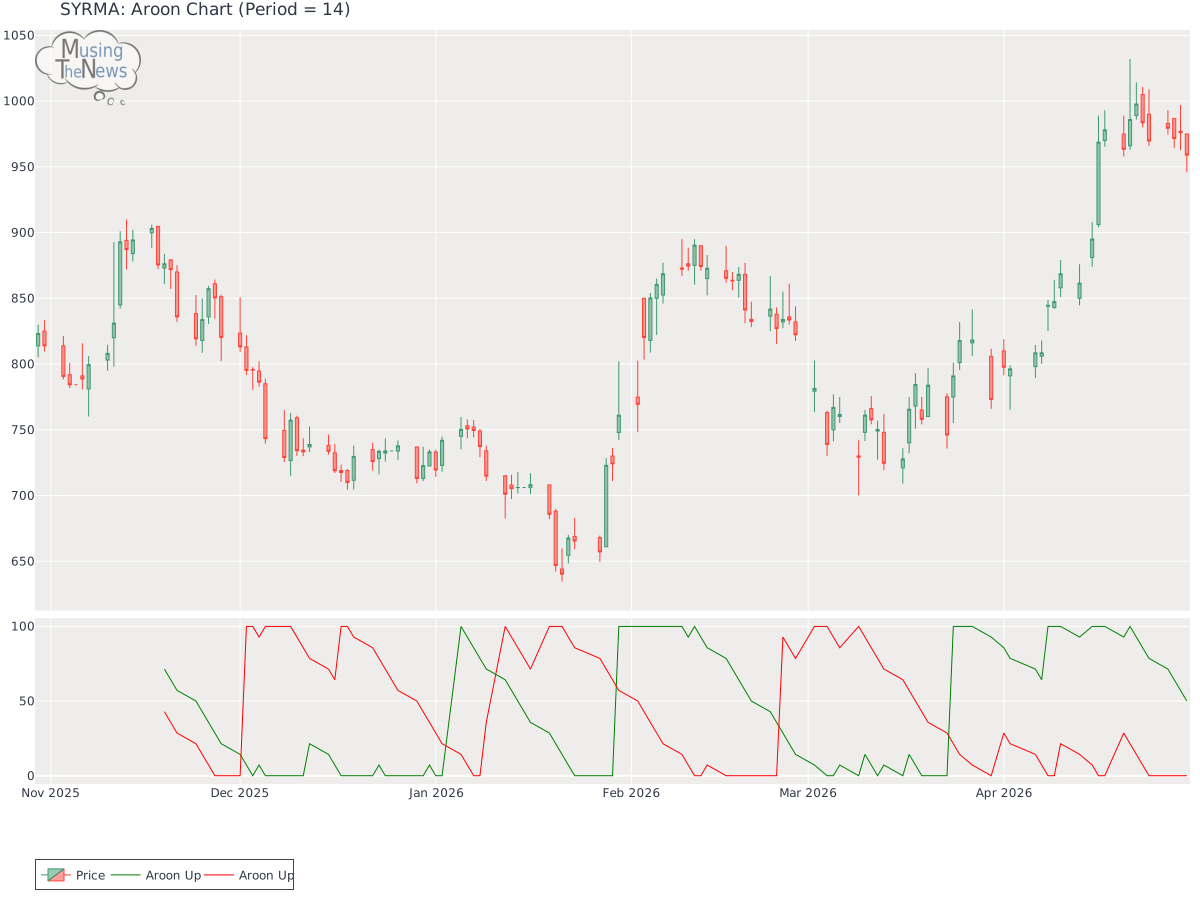
Aroon: The current reading of the AROON is neutral, offering no clear signals for a movement in either direction. This suggests that the market may be in a holding pattern, with no dominant trend in place.
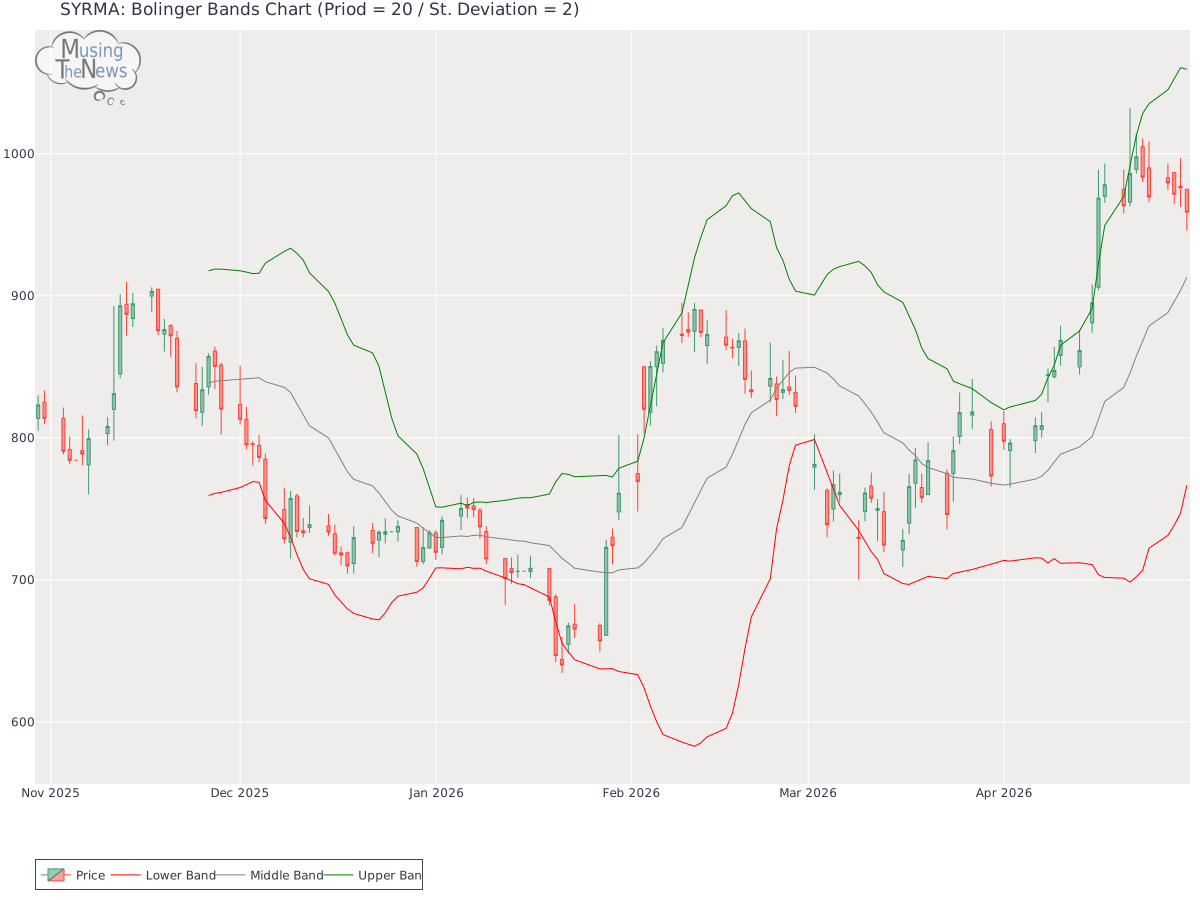
Bol. Bands: The BOLL BANDS is showing a neutral stance, with no definitive indication of an upward or downward trend for SYRMA. This neutral position suggests a period of indecision in the market, making it difficult to predict the next move.
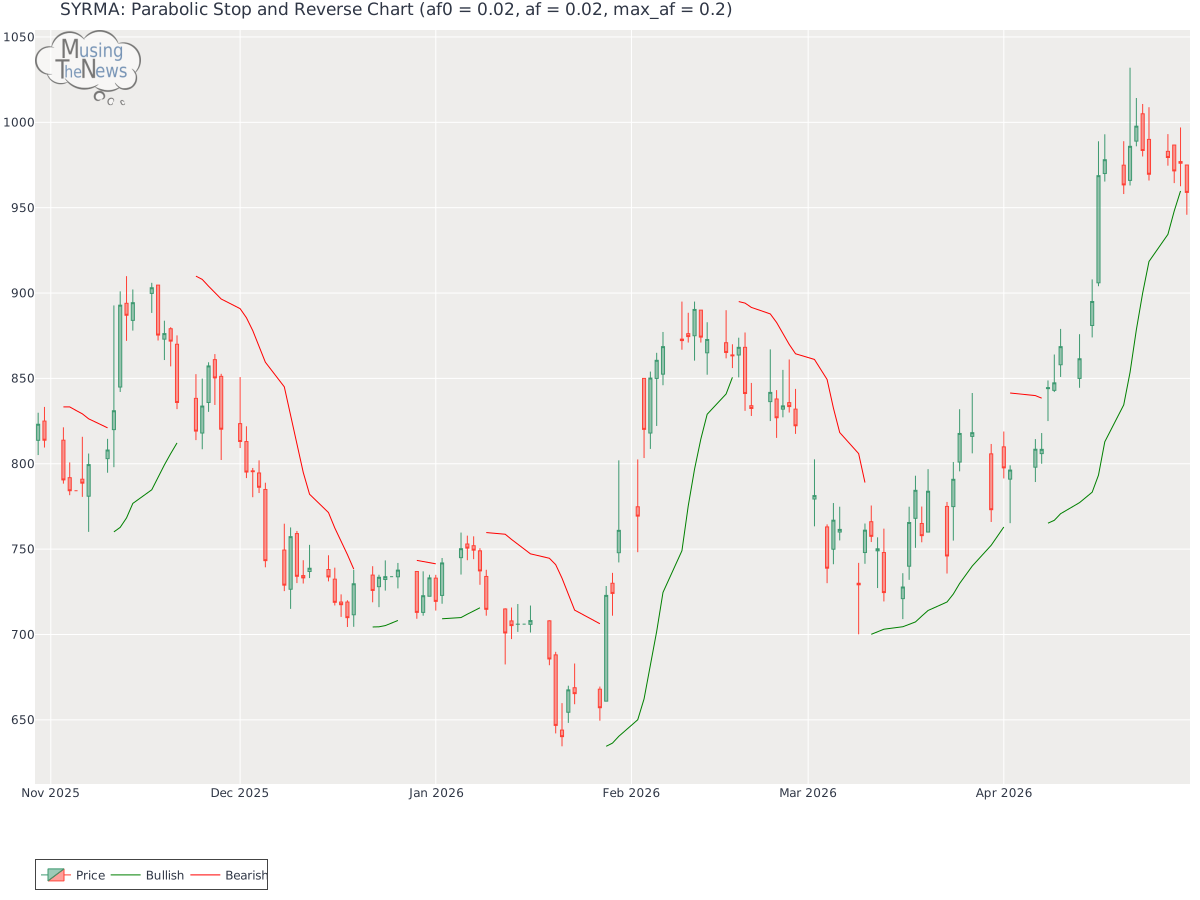
Parabolic SAR: The PSAR has recently turned from bullish to bearish for Syrma SGS Technology Limited, suggesting a potential market downturn. If this move is corroborated by other trends, it could be a very bearish signal. Investors should be cautious and look for additional confirmation before acting on this reversal.
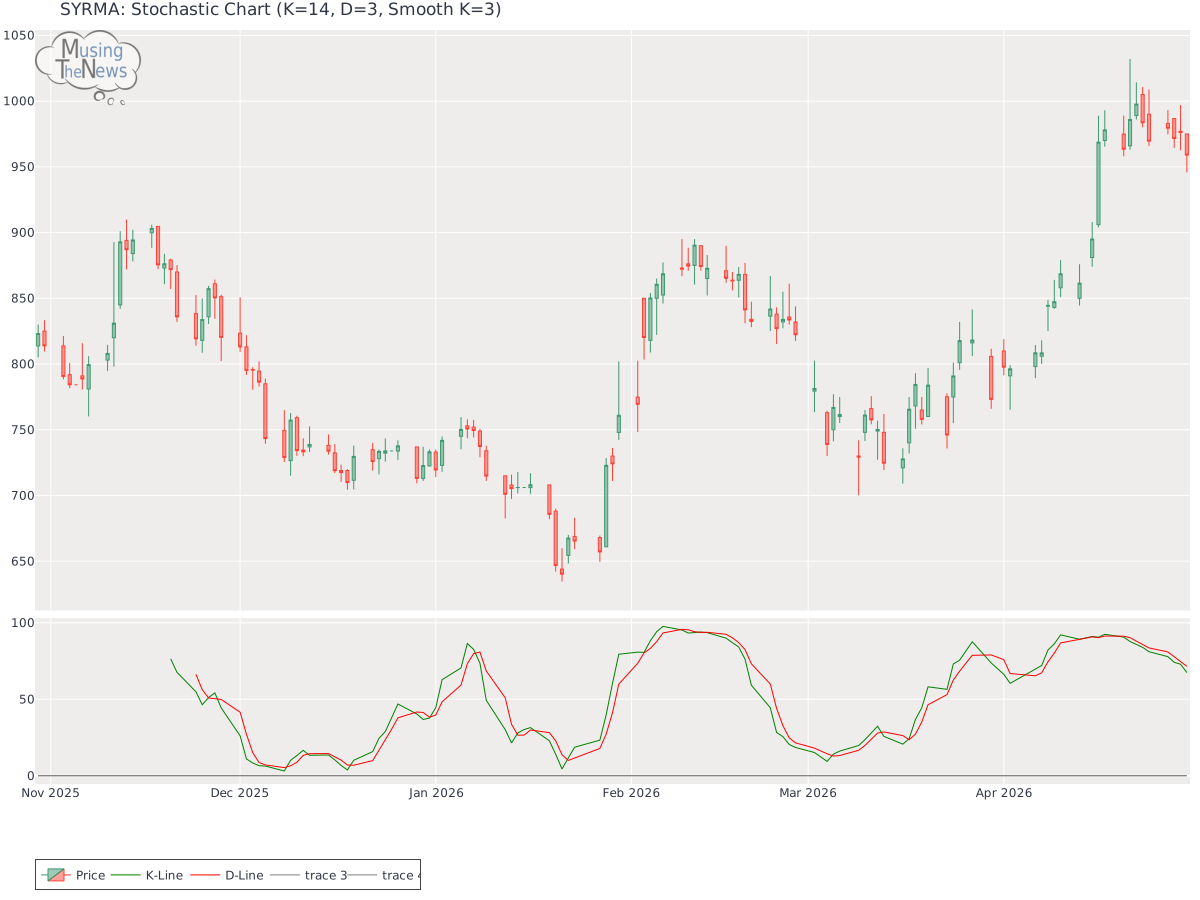
Stochastic: The STOCHASTIC is currently neutral, showing no clear bias toward an upward or downward trend. This suggests that the market may be in a phase of indecision or consolidation.
Tripple Moving Agerage: The alignment of the 20, 50, and 100 moving averages suggests a bearish trend, but the wavering slopes of the 20 and 50 SMAs hint at a potential shift. This weakening momentum could indicate that the bearish trend is running out of steam, possibly leading to a bullish reversal in the near future. Investors should be aware of the possibility of a market turnaround as the current downtrend begins to falter.
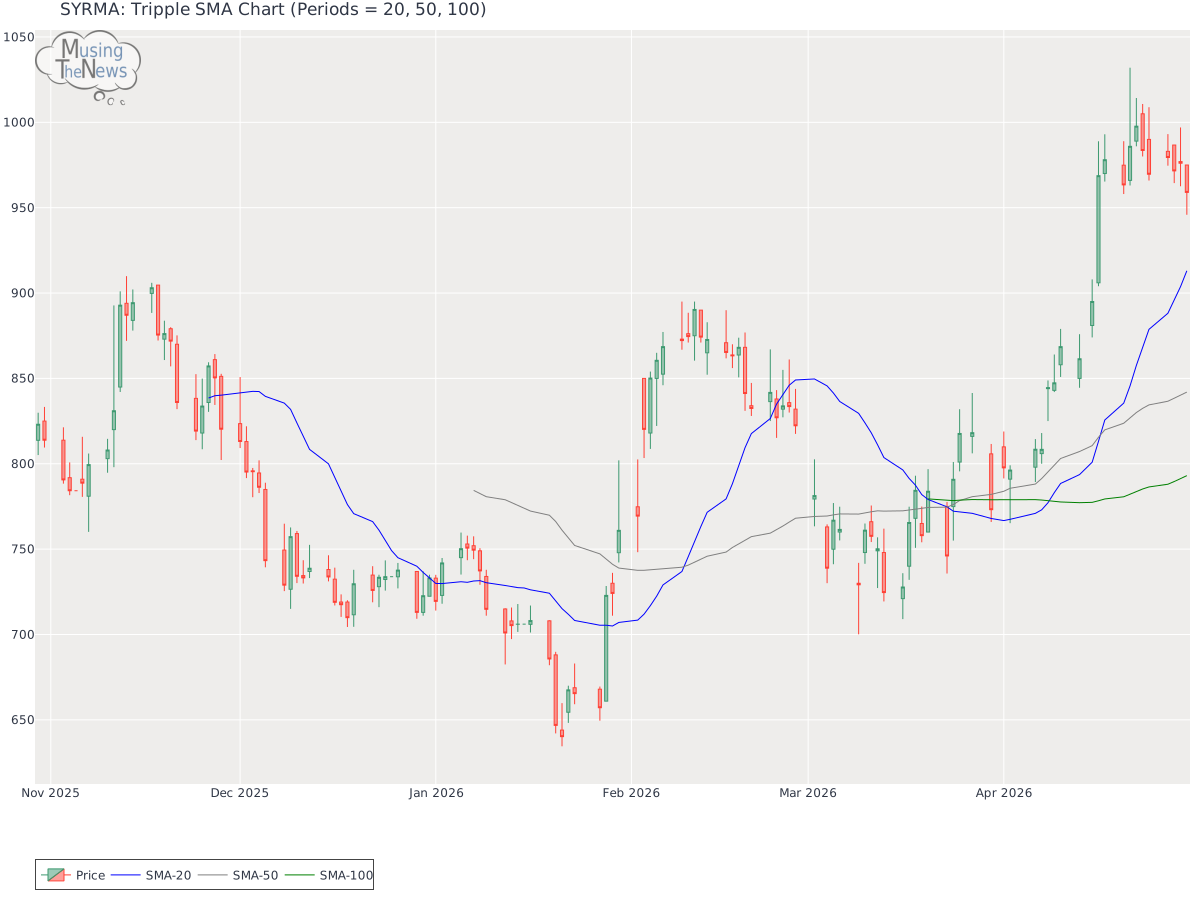
When assessing a company's technical performance, such as stock price fluctuations and trading volume, it is crucial to first examine its fundamentals. These fundamentals include financial health, profitability, and growth potential. Additionally, understanding the industry's dynamics, including competitive pressures and market trends, is key to contextualizing the company's performance. By integrating these factors, a more comprehensive and meaningful analysis can be conducted, leading to more informed investment decisions.
DISCLAIMER: We provide information and our musings based on events, but nothing on this site can be considered professional advice of any kind.
If you have enjoyed reading, spread the word:
Good prospects:
Companies with the best and the worst fundamentals.
Latest Regulatory Filings for NSE500
Companies with the best and the worst technicals.

From Price Pressures to Profit Power: The MSME Playbook Redefining India’s Economy

₹90 Crore Bet Signals a Massive Shift in India’s Rural Economy

The Hidden Engine of Global Growth: Why India Is Becoming Impossible to Overlook