

The Renewable Success Story Beyond Solar

Startups Mint India’s New Billionaires
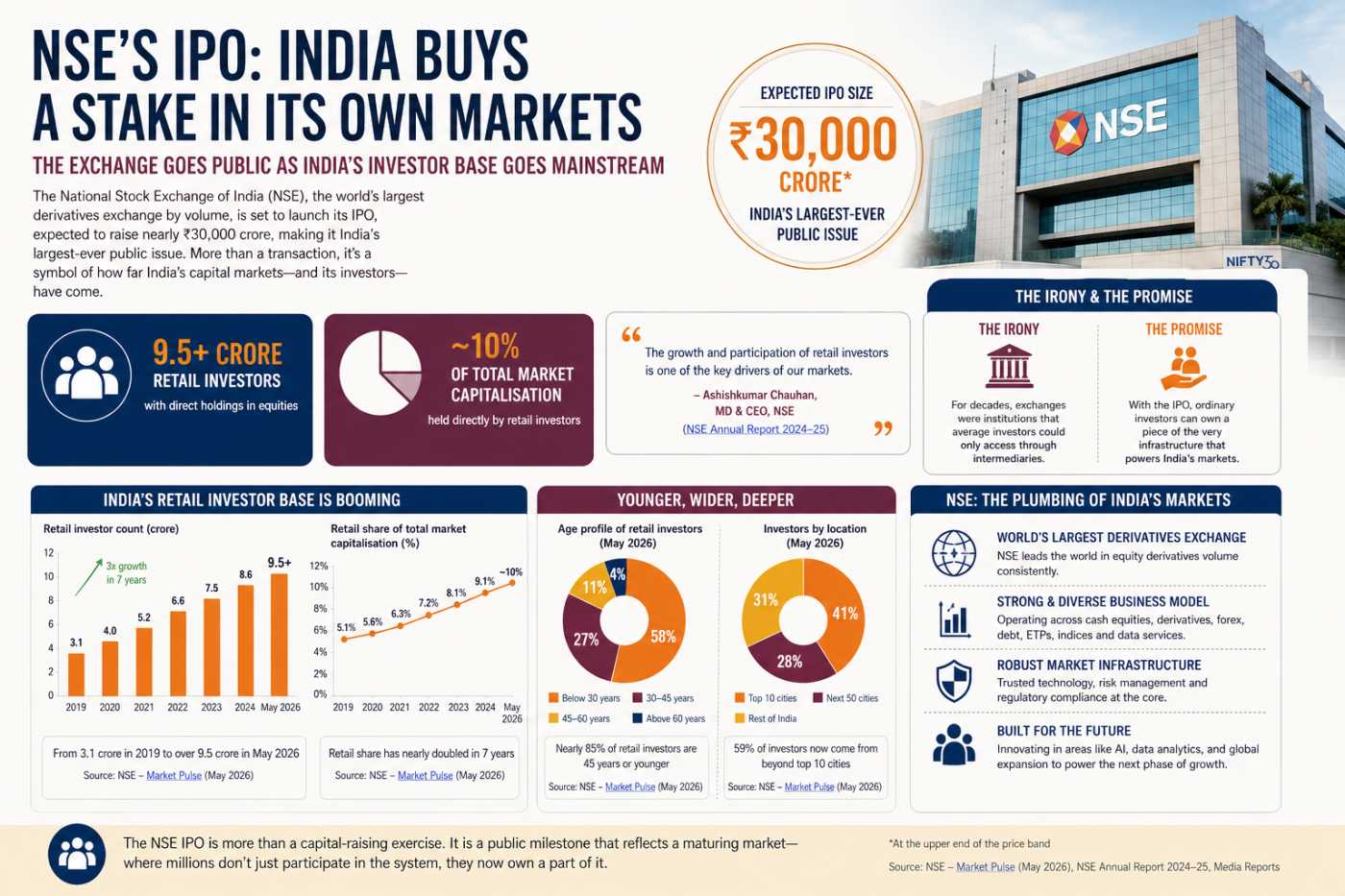
India's Biggest IPO Has a Bigger Meaning

From Watches to Wealth: Titan's New Empire
Fundamentals for Raymond Limited



Business Operations:
Sector: Consumer CyclicalIndustry: Textile Manufacturing
Raymond Limited engages in the real estate and engineering businesses in India. It operates through Real Estate Development, Tools and Hardware, Auto Components, Precision, and Others segments. The company engages in the real estate development and non-scheduled airline operations. It also manufactures and distributes precision engineered components, such as steel files, drills, cutting tools, hand tools, and power tool accessories; and auto parts, such as ring gears, flex plates, and water pump bearings. Raymond Limited was incorporated in 1925 and is based in Mumbai, India.
Revenue projections:
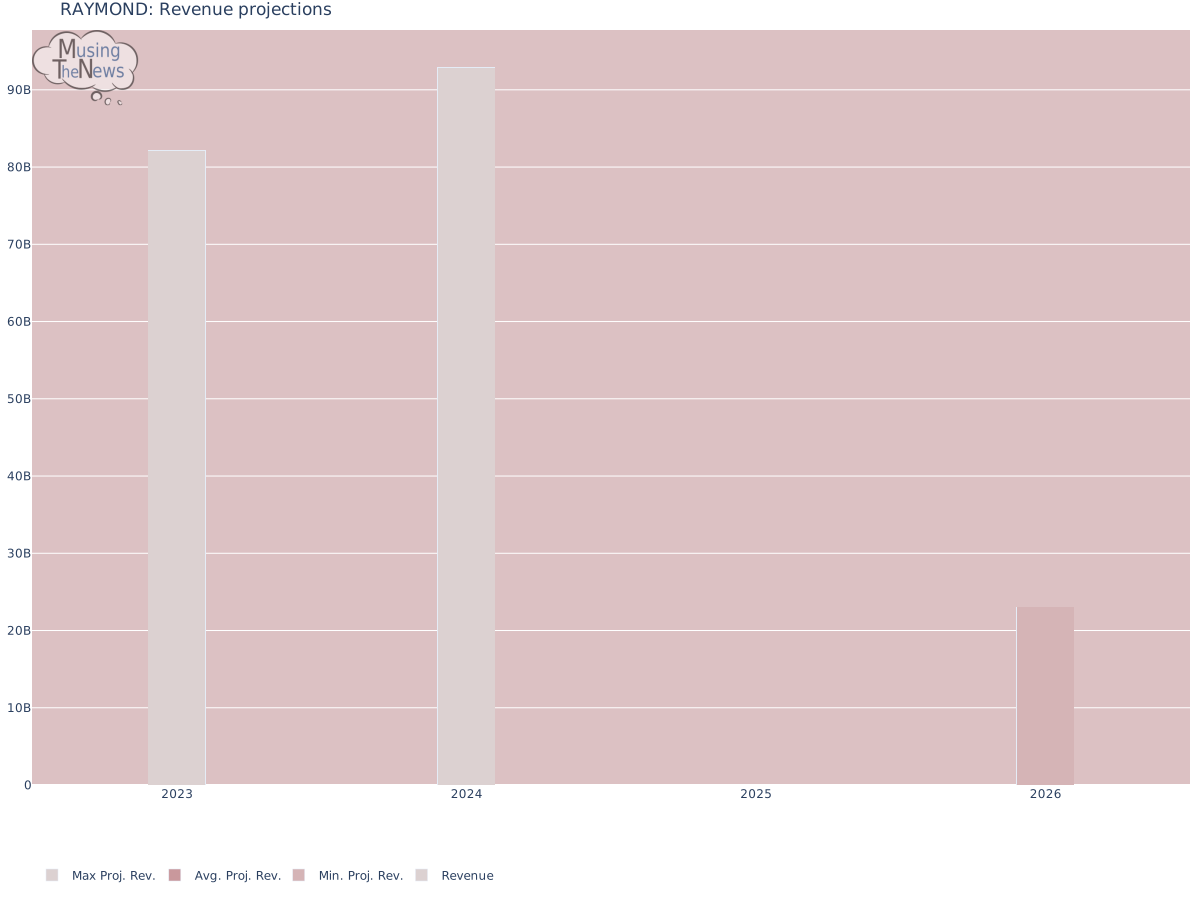
RAYMOND's projected revenue indicates no significant change from the previous year, resulting in a neutral stance. Investors might interpret this as a sign of stability, though the lack of growth signals may temper enthusiasm for more aggressive investments.
Financial Ratios:
| currentRatio | 1.72000 |
|---|---|
| forwardPE | 26.09251 |
| debtToEquity | 33.83600 |
| earningsGrowth | -0.99100 |
| revenueGrowth | 0.00000 |
| grossMargins | 0.45033 |
| operatingMargins | 0.06429 |
| trailingEps | 5.09000 |
| forwardEps | 22.70000 |
RAYMOND's current ratio being 1.72 suggests the company will have no issues paying off its short-term debt. With sufficient cash reserves and current assets, RAYMOND can easily cover its immediate liabilities, reflecting solid financial health.
RAYMOND's Forward PE is at a healthy level, meaning the stock price is aligned favorably with earnings. This suggests that the stock isn't overpriced, providing room for growth and making it an appealing option for investors looking to capitalize on potential future gains.
Raymond Limited's low earnings and revenue growth highlight potential profit shrinkage. This suggests that the company may struggle to maintain its financial performance, raising concerns about its future profitability.
RAYMOND's forward EPS exceeding its trailing EPS implies that the company is projected to be more profitable this year. This suggests an improvement in financial performance, with analysts expecting RAYMOND to generate stronger earnings compared to the previous financial year.
Price projections:
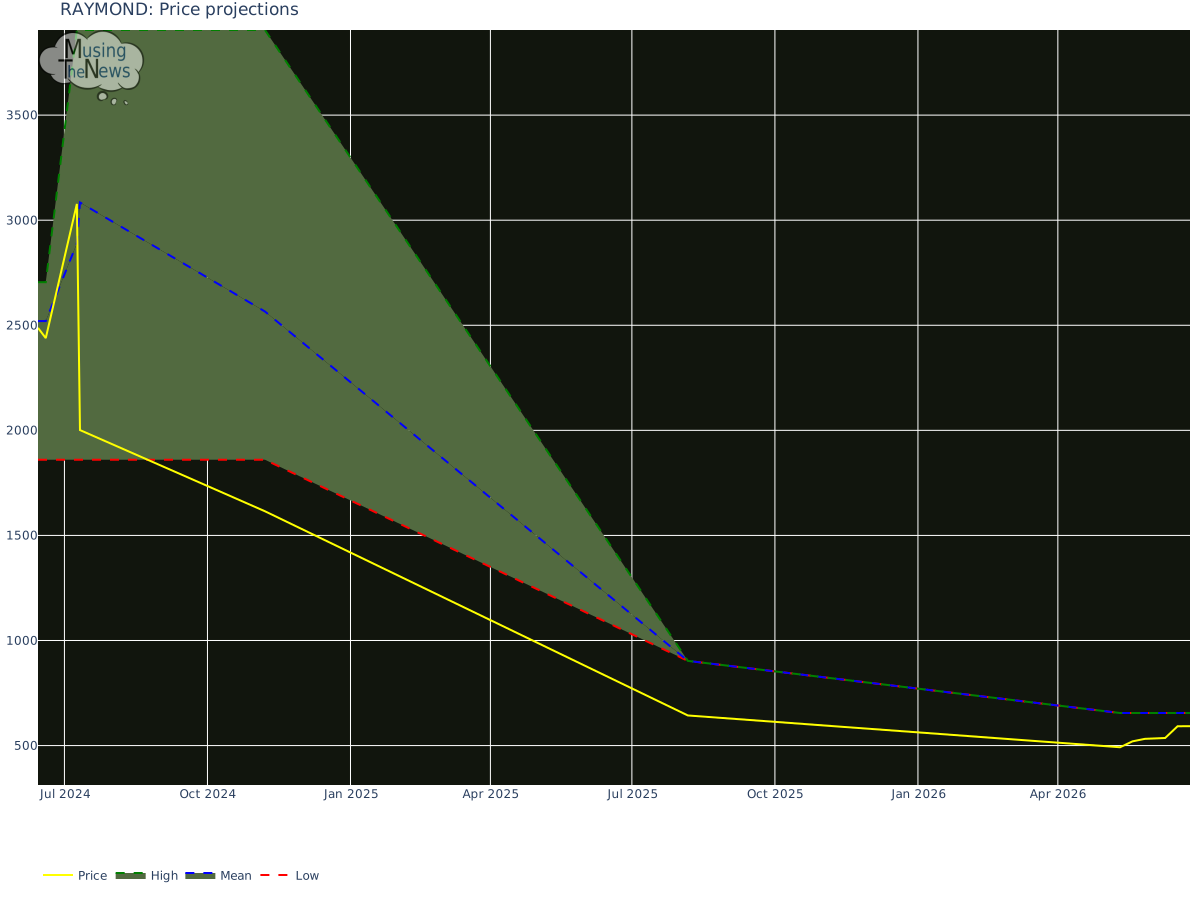
RAYMOND's current price concerning projections presents no discernible risks or opportunities. This balanced situation suggests a period of stability, where investors might consider holding their positions until more information becomes available.
Recommendation changes over time:
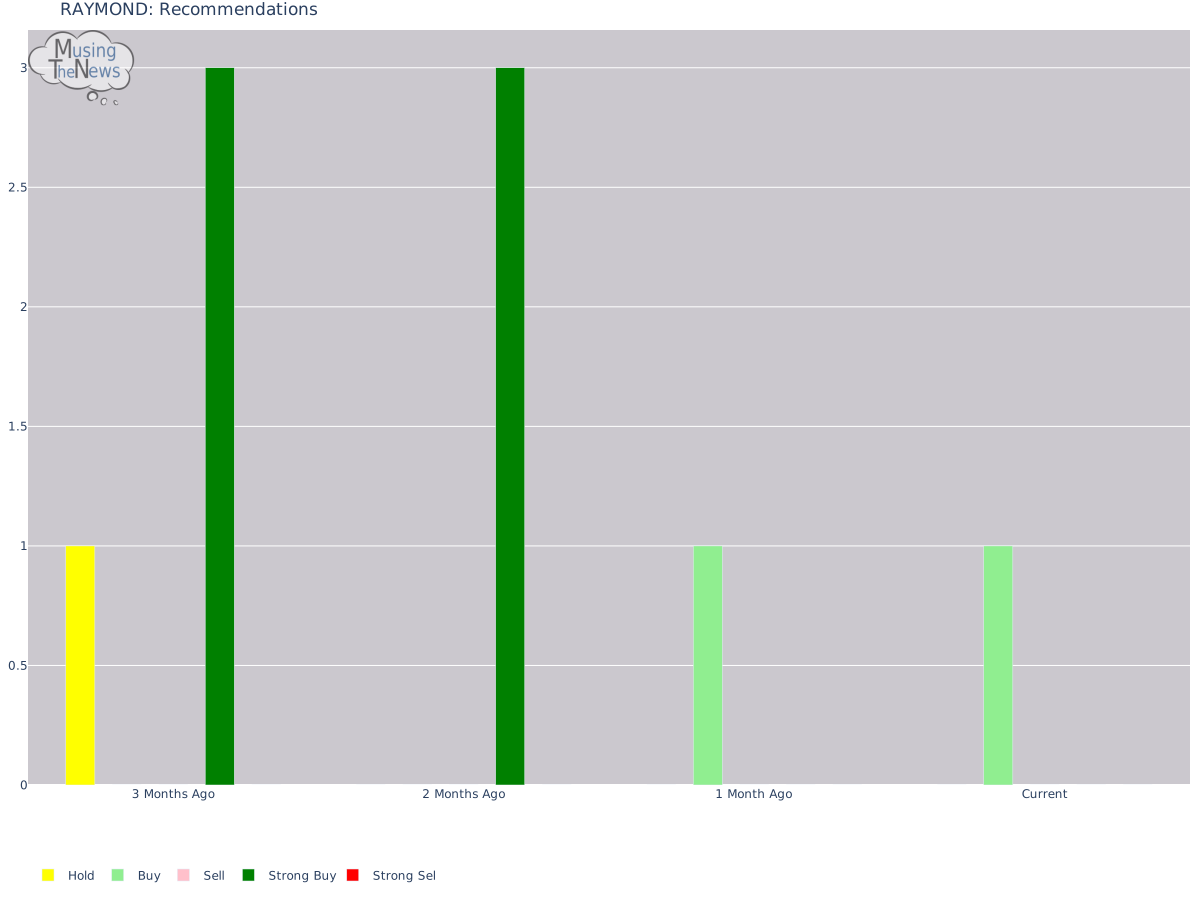
Analysts' buy bias for RAYMOND signals that the stock is considered a favorable investment. This outlook might prompt investors to allocate funds to RAYMOND, seeing it as a solid and profitable choice to park their money and potentially benefit from the company's long-term growth.
If you have enjoyed reading, spread the word:
Good prospects:
Companies with the best and the worst fundamentals.
Latest Regulatory Filings for NSE500
Companies with the best and the worst technicals.

SEBI's New Gateway Is Rewiring Foreign Investment in India

Why Japan Backs India’s Truckers

India's $69B Eurasian Trade Power Play