
More about Procter & Gamble Hygiene and Health Care Limited
Fundamentals for Procter & Gamble Hygiene and Health Care Limited
Regulatory Filings for Procter & Gamble Hygiene and Health Care Limited
The Renewable Success Story Beyond Solar
Startups Mint India’s New Billionaires
India's Biggest IPO Has a Bigger Meaning

From Watches to Wealth: Titan's New Empire
Fundamentals for Procter & Gamble Hygiene and Health Care Limited



Business Operations:
Sector: Consumer DefensiveIndustry: Household & Personal Products
Procter & Gamble Hygiene and Health Care Limited engages in the manufacture and sale of branded packaged fast-moving consumer goods in the feminine care and healthcare businesses in India and internationally. It operates through Healthcare Products and Hygiene Products segments. The company provides health care products, including ointments and creams, cough drops, and tablets; and hygiene products, such as feminine hygiene and other skin care hygiene products, as well as feminine care pads. It also offers baby care products comprising nappies, pants, and baby wipes; grooming products; laundry products; hair care products; home care products; and oral care products. The company offers its products under the Vicks, Whisper, Pampers, Ariel, Tide, Gillette, Head & Shoulders, Herbal Essences, Pantene, Ambi Pur, Oral-B, Olay, and Old Spice brand names. It sells its products through mass merchandisers, as well as grocery, membership club, drug, department, and high frequency stores. The company was incorporated in 1964 and is based in Mumbai, India. Procter & Gamble Hygiene and Health Care Limited operates as a subsidiary of The Procter & Gamble Company.
Revenue projections:
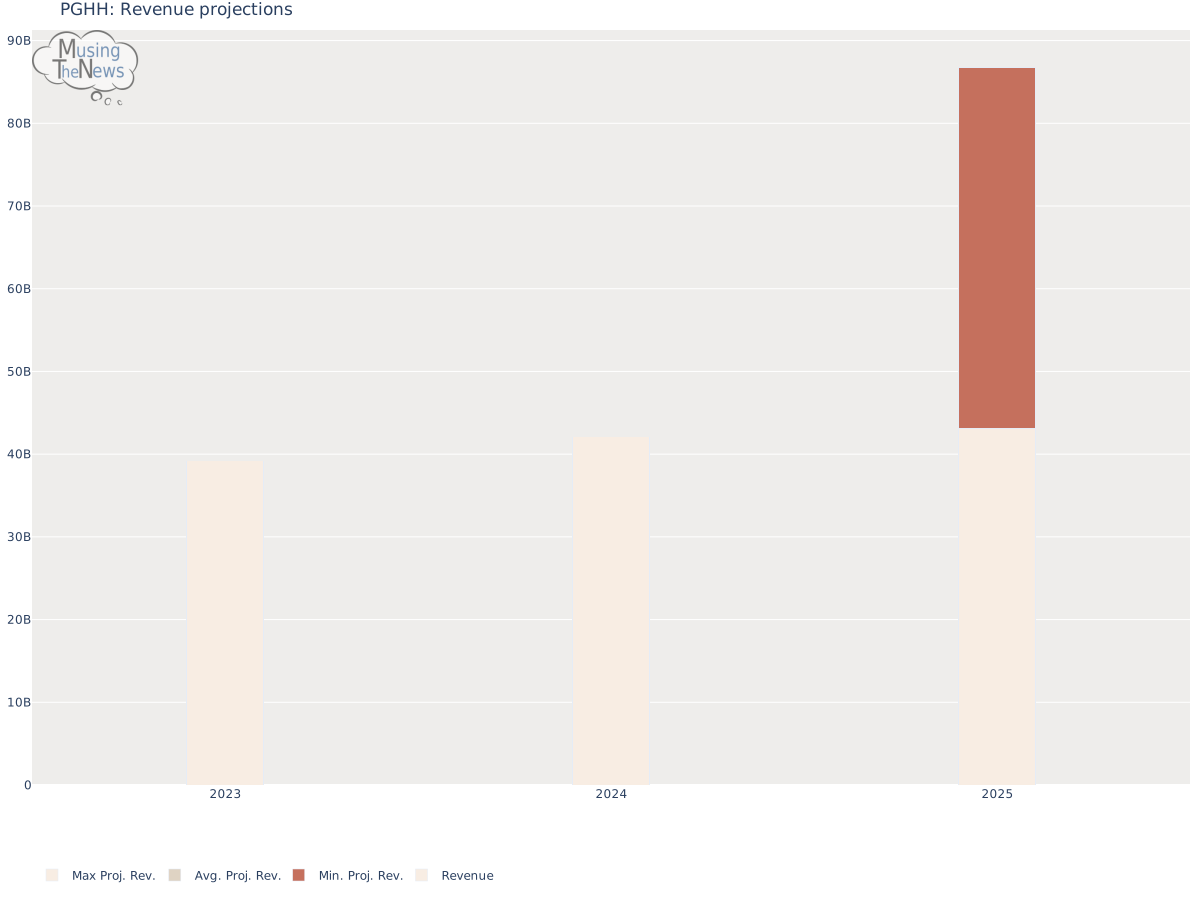
With PGHH's revenues forecasted to be lower than last year's, investors are expected to be cautious. A decline in revenue typically harms the company's bottom line, reducing profitability and making investors less confident about the company's ability to sustain its financial health.
Financial Ratios:
| currentRatio | 1.223000 |
|---|---|
| forwardPE | 29.702007 |
| debtToEquity | 0.115000 |
| earningsGrowth | -0.019000 |
| revenueGrowth | -0.051000 |
| grossMargins | 0.635200 |
| operatingMargins | 0.221760 |
| trailingEps | 263.980000 |
| forwardEps | 303.700000 |
PGHH's current ratio of 1.223, indicating that the company can meet its short-term debt obligations with ease. This high liquidity level is a positive sign, as PGHH has enough cash and current assets to handle its immediate liabilities comfortably.
PGHH's Forward PE ratio is favorable, indicating that the stock price is well-positioned in relation to its earnings. It is not overpriced, leaving room for growth, which makes it a solid option for investors seeking both stability and future appreciation.
Procter & Gamble Hygiene and Health Care Limited's low growth in both earnings and revenue signals a potential profit decline. This could be a sign of financial trouble, suggesting that the company's profitability might shrink in the near future.
Procter & Gamble Hygiene and Health Care Limited's positive gross and operating margins highlight its profitability and operational efficiency. These strong margins demonstrate the company's ability to control costs while generating substantial revenue, contributing to a healthy financial performance.
PGHH's forward EPS exceeding its trailing EPS means the company is expected to be more profitable this year than last. This suggests an upward trend in earnings, with forecasts indicating that PGHH's financial performance will improve in the current financial year.
Price projections:
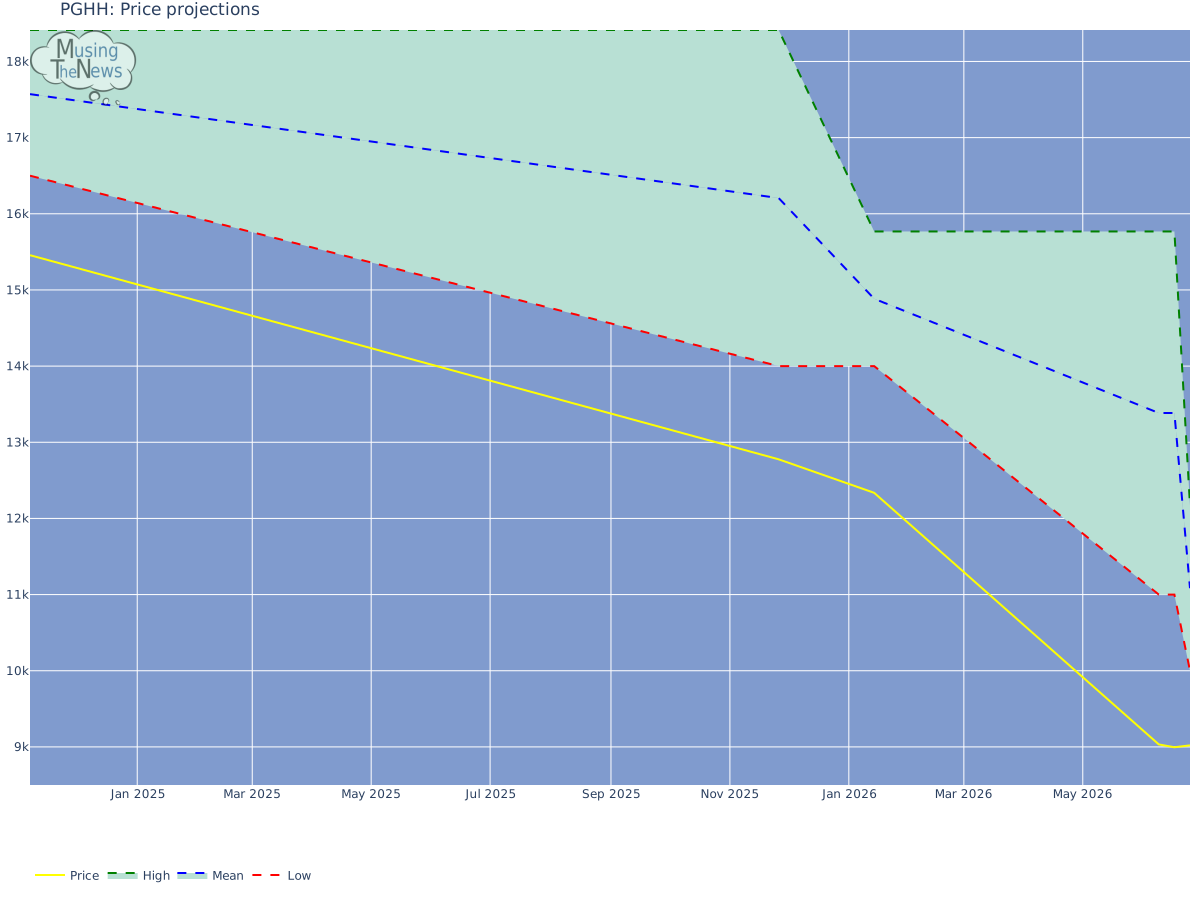
Over time, Procter & Gamble Hygiene and Health Care Limited's price projections have been gradually lowered, signaling declining confidence in the company's future outlook. The downward revisions suggest analysts are becoming more cautious about Procter & Gamble Hygiene and Health Care Limited's potential for growth.
Insider Transactions:
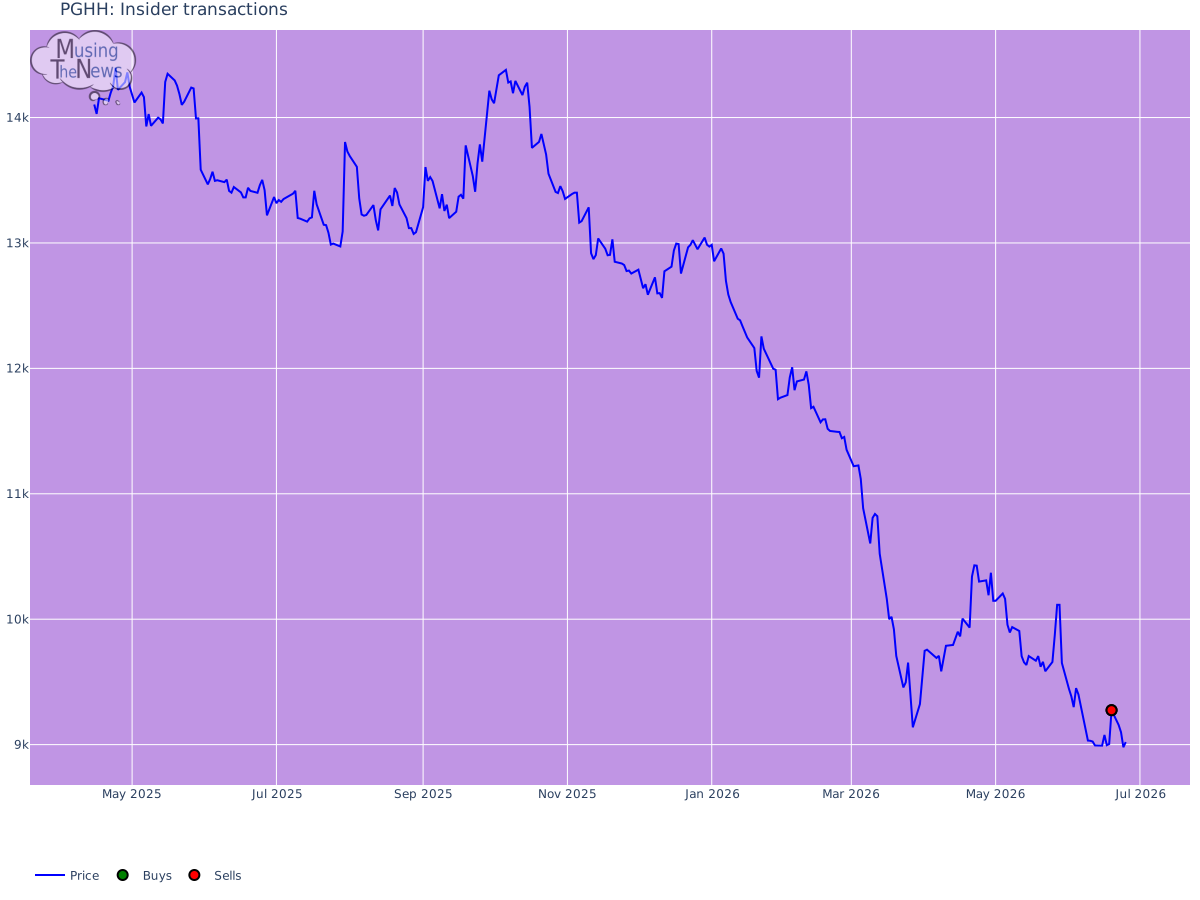
PGHH saw 1 transactions in which shares were sold with market price at 9274.5.Procter & Gamble Hygiene and Health Care Limited stock was bought in 1 transactions, while the market price was at 9274.5.The insider transaction records do not exhibit a strong trend, leaving the company’s future direction unclear based on this data alone.
Recommendation changes over time:
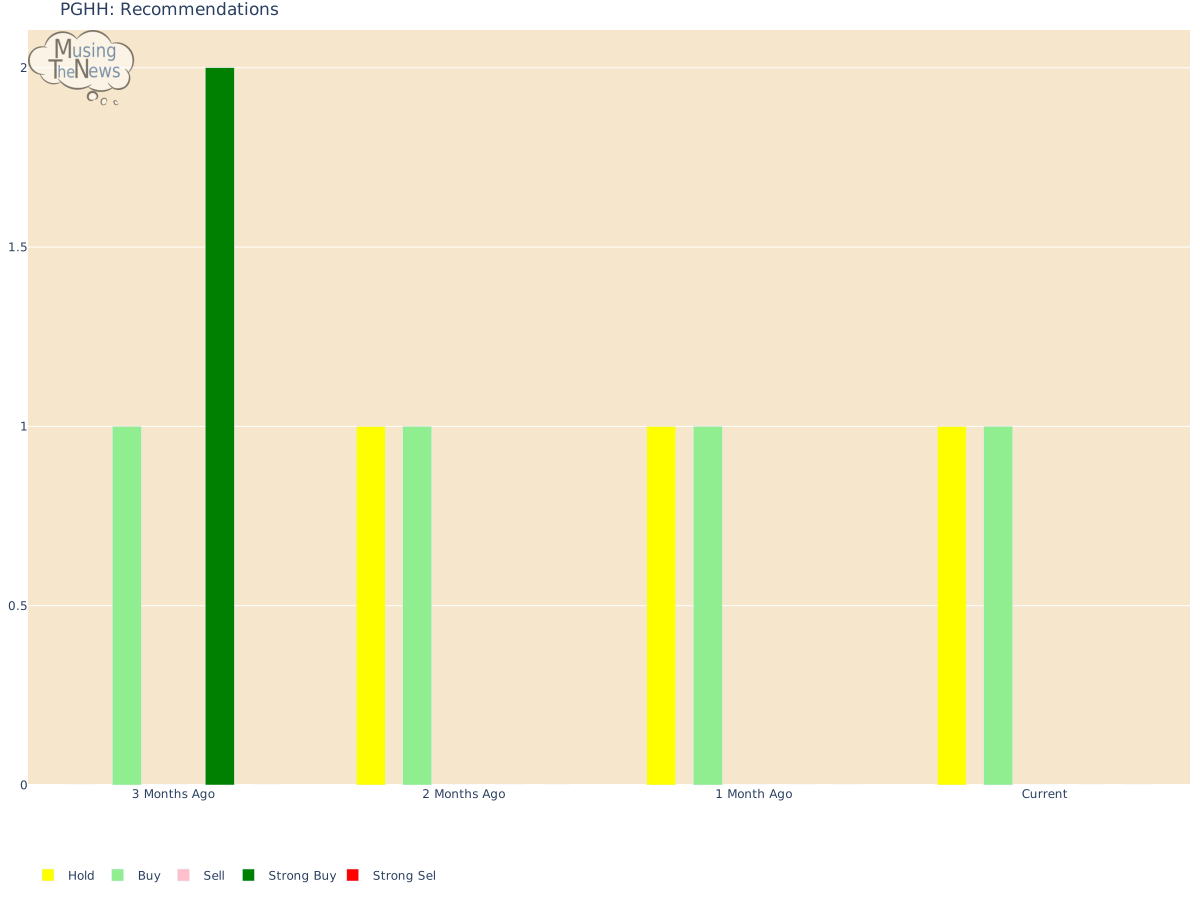
Analysts have maintained a buy bias for PGHH, which could prompt investors to consider the stock as a viable investment. With this positive outlook, PGHH is positioned as an attractive option for those looking to park their money in a stable and potentially lucrative company.
If you have enjoyed reading, spread the word:
Good prospects:
Companies with the best and the worst fundamentals.
Latest Regulatory Filings for NSE500
Companies with the best and the worst technicals.

SEBI's New Gateway Is Rewiring Foreign Investment in India

Why Japan Backs India’s Truckers

India's $69B Eurasian Trade Power Play