
More about Kansai Nerolac Paints Limited
Fundamentals for Kansai Nerolac Paints Limited
Regulatory Filings for Kansai Nerolac Paints Limited

The Renewable Success Story Beyond Solar

Startups Mint India’s New Billionaires

India's Biggest IPO Has a Bigger Meaning

From Watches to Wealth: Titan's New Empire
Fundamentals for Kansai Nerolac Paints Limited



Business Operations:
Sector: Basic MaterialsIndustry: Specialty Chemicals
Kansai Nerolac Paints Limited manufactures and supplies paints and varnishes, enamels, and lacquers in India. The company provides interior and exterior wall paints, wood coatings, metal enamel paints, and ancillary paints, as well as adhesives and waterproofing products; interior textures; and automotive and powder coatings, performance coatings liquid, auto refinish, primers, enamels, wood finishes, waterproofing solutions, and construction chemicals. It also offers disinfectant, hand sanitizers, and multi surface protective sheets. The company was formerly known as Goodlass Nerolac Paints Limited and changed its name to Kansai Nerolac Paints Limited in April 2006. The company was incorporated in 1920 and is based in Mumbai, India. Kansai Nerolac Paints Limited is a subsidiary of Kansai Paint Co., Ltd.
Revenue projections:
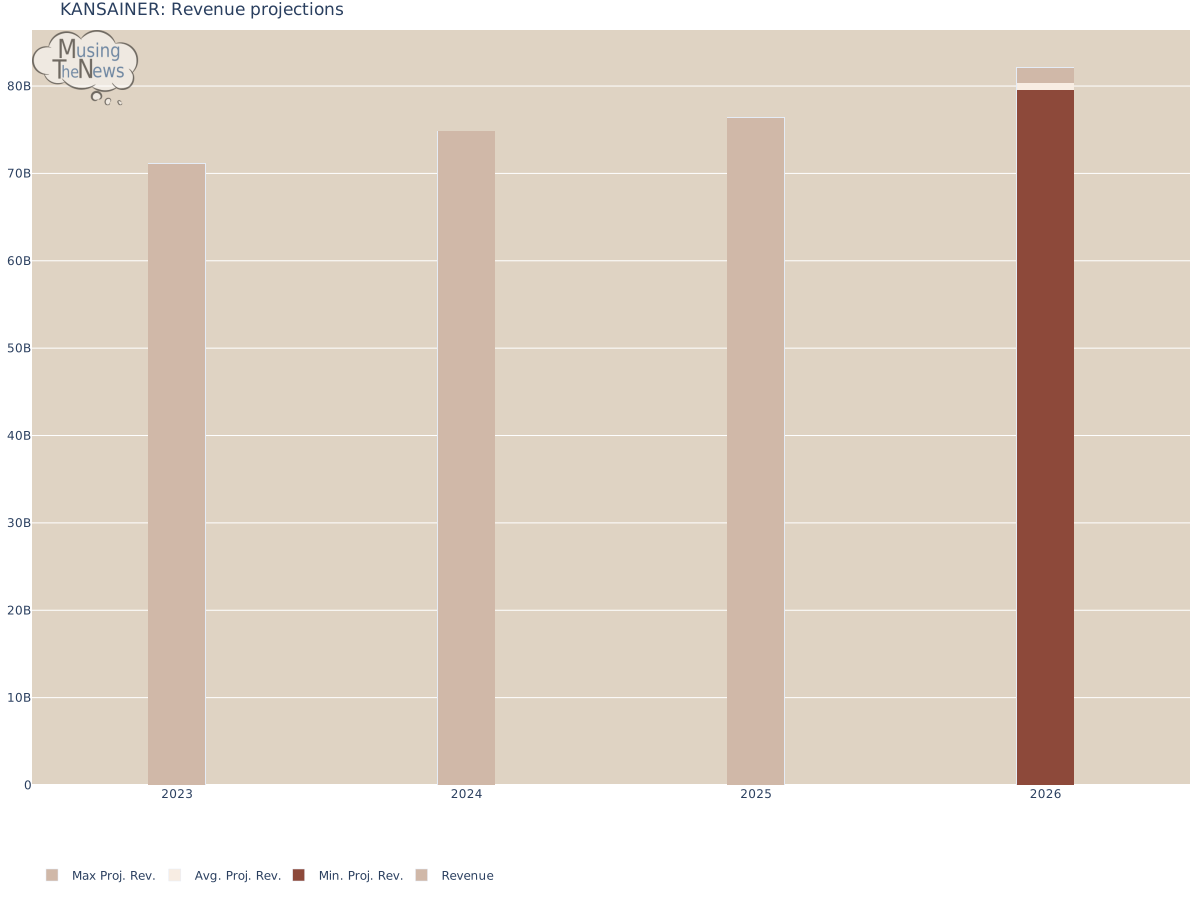
Revenues for KANSAINER are forecasted to decline from last year's levels, prompting caution among investors. When revenues fall, it can have a significant negative impact on the company's bottom line, reducing profitability and making the stock less attractive to risk-averse investors.
Financial Ratios:
| currentRatio | 3.484000 |
|---|---|
| forwardPE | 21.320612 |
| debtToEquity | 4.526000 |
| earningsGrowth | 0.037000 |
| revenueGrowth | 0.075000 |
| grossMargins | 0.351770 |
| operatingMargins | 0.079640 |
| trailingEps | 7.290000 |
| forwardEps | 10.010970 |
Kansai Nerolac Paints Limited's current ratio of 3.484 means the company has enough liquidity to meet its short-term debt obligations. With sufficient cash reserves and current assets, Kansai Nerolac Paints Limited can comfortably cover its liabilities, reflecting a strong financial outlook.
Kansai Nerolac Paints Limited's Forward PE being in a good range indicates the stock is priced well relative to its earnings. It is not overvalued, leaving space for future growth, making it an appealing option for investors interested in long-term value appreciation.
KANSAINER's forward EPS exceeding its trailing EPS reflects expectations of increased profitability for the current year. This suggests that the company is projected to achieve higher earnings than in the previous financial year, signaling positive growth and improved financial health.
Price projections:
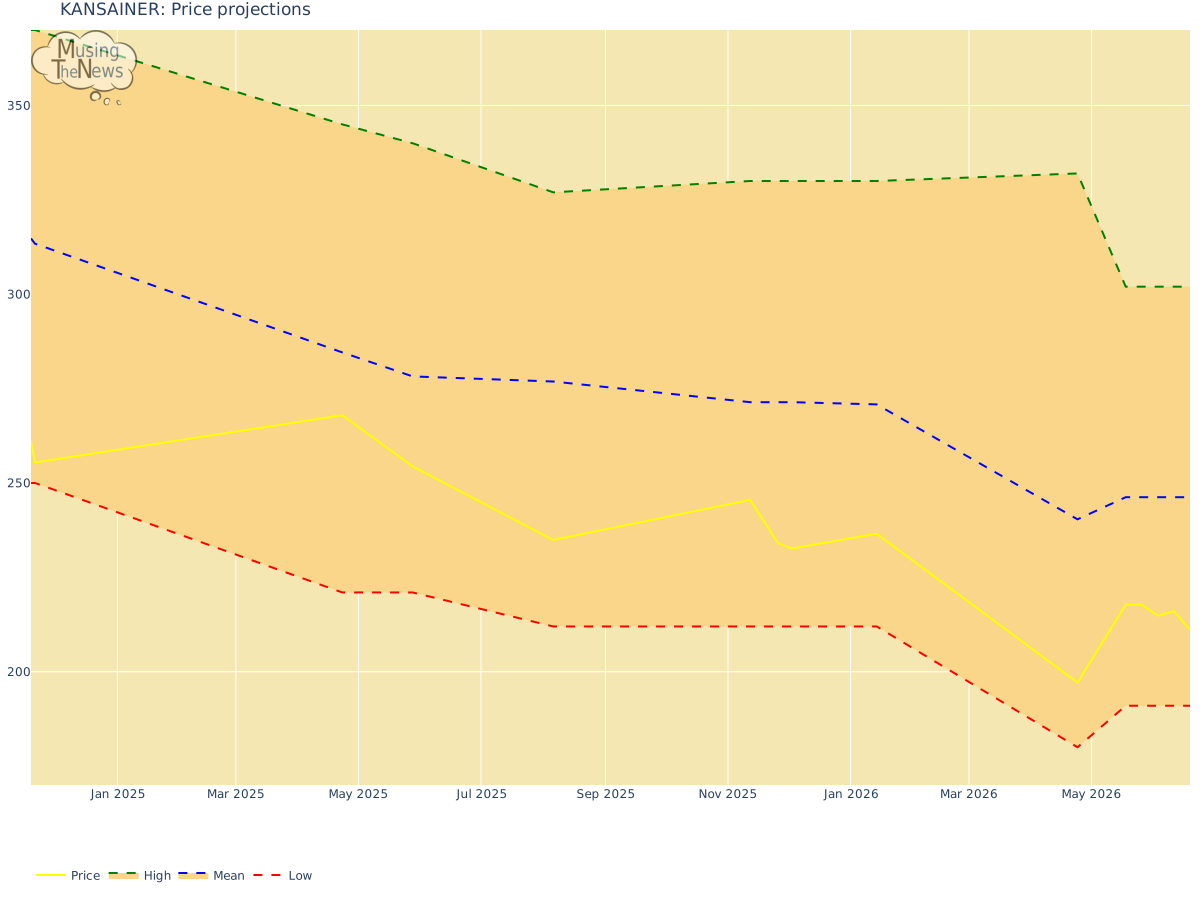
Throughout its recent performance, KANSAINER's price has been consistently close to the lower range of projected values. This suggests that the company may face challenges in achieving higher valuations in the eyes of investors.
Recommendation changes over time:
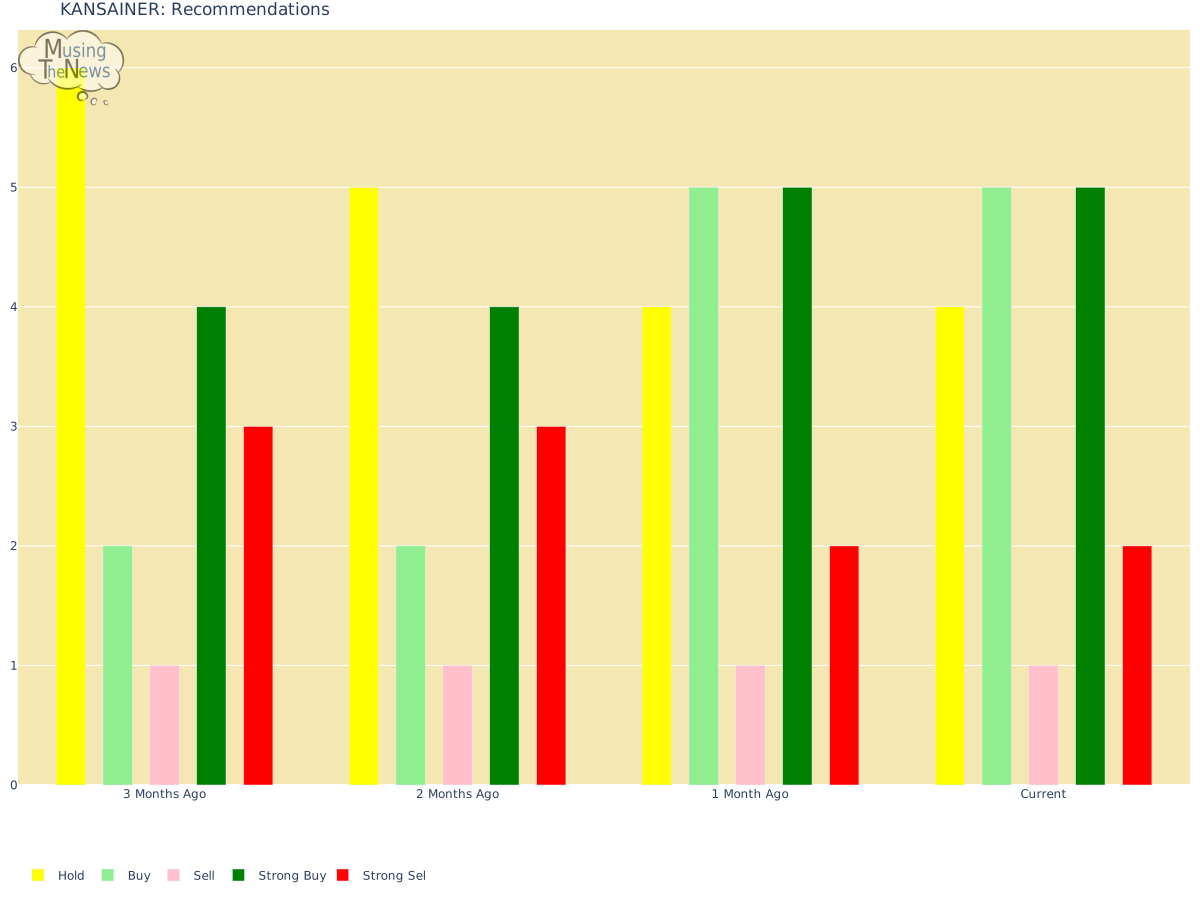
Analysts have shown a buy bias for KANSAINER, signaling it as a strong investment choice. This positive outlook could motivate investors to allocate funds to KANSAINER, seeing it as a reliable and potentially profitable option, especially in an environment where the stock market is highly scrutinized.
If you have enjoyed reading, spread the word:
Good prospects:
Companies with the best and the worst fundamentals.
Latest Regulatory Filings for NSE500
Companies with the best and the worst technicals.

SEBI's New Gateway Is Rewiring Foreign Investment in India
Why Japan Backs India’s Truckers
India's $69B Eurasian Trade Power Play