
More about JK Paper Limited
Fundamentals for JK Paper Limited
Regulatory Filings for JK Paper Limited

The Renewable Success Story Beyond Solar

Startups Mint India’s New Billionaires

India's Biggest IPO Has a Bigger Meaning

From Watches to Wealth: Titan's New Empire
Fundamentals for JK Paper Limited



Business Operations:
Sector: Basic MaterialsIndustry: Paper & Paper Products
JK Paper Limited produces and sells paper products in India. It offers office and copier papers for use in color printing, black and white printing, photo copying, pamphlet printing, letter heads, and legal and accounting documentation purposes; coated paper for writing, printing, and packaging; uncoated writing and printing paper to produce various stationary products, including notebooks, books, envelopes, drawing and sketching sheet, etc.; and packaging solutions for the pharma, food, and beverages, and FMCG sectors. The company sells its products under the JK Pac Fresh, JK Bond, JK Oleoff, JK Ecosip, JK Eco-green Tuff Freeze, JK EXCEL BOND, JK Ledger, JK HSMT, JK Purefil/SPM Purefil Base, JK Divine, JK Purefil PE, JK Neo Purefil PE, SPM Purefil, and SPM brands. It also exports its products in the United States, the United Kingdom, Bangladesh, Singapore, Malaysia, Africa, the Middle East, and internationally. JK Paper Limited was founded in 1938 and is headquartered in New Delhi, India.
Revenue projections:
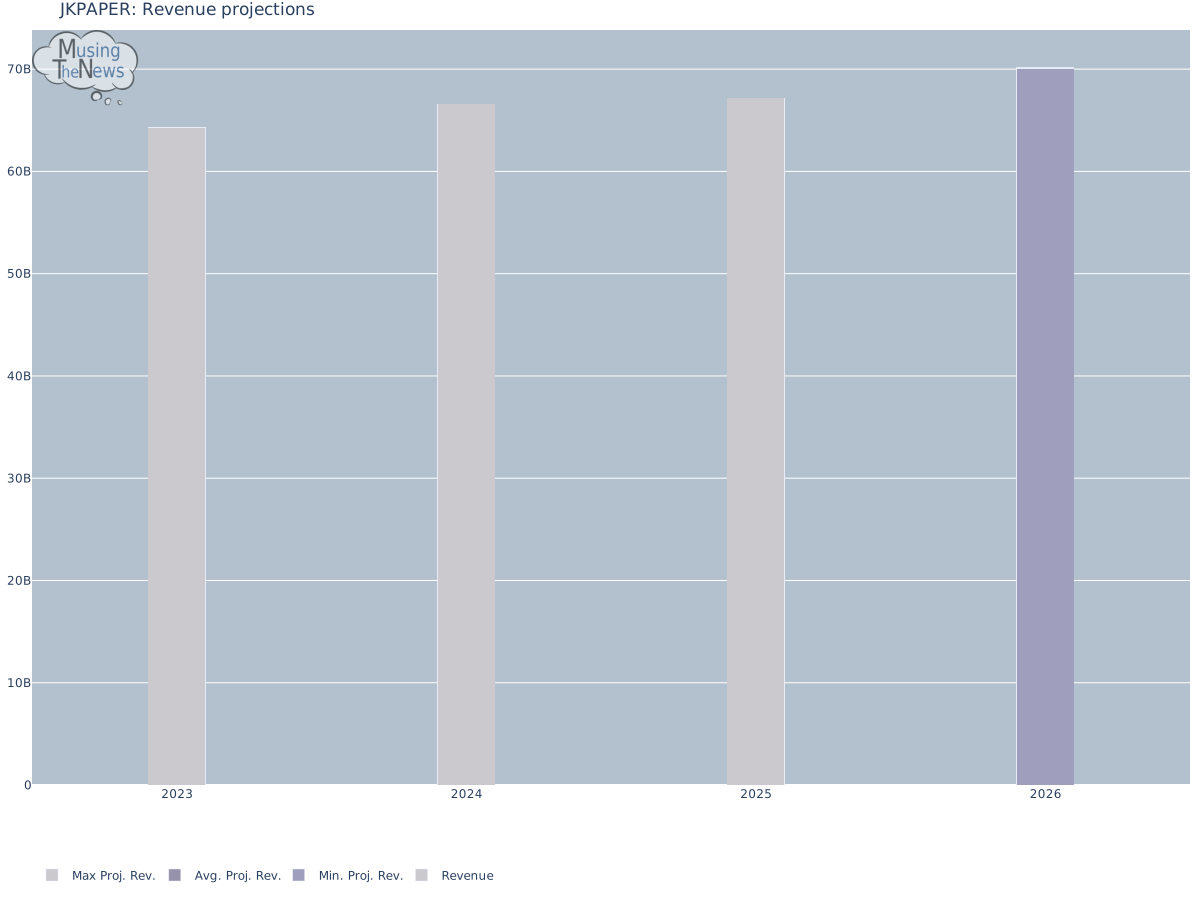
Investors are expected to be cautious with JKPAPER, as its revenues are projected to fall compared to last year. A decline in revenue often results in a negative impact on profitability, prompting concerns about the company's financial stability and making investors more conservative in their approach.
Financial Ratios:
| currentRatio | 1.391000 |
|---|---|
| forwardPE | 5.562806 |
| debtToEquity | 44.544000 |
| earningsGrowth | 0.591000 |
| revenueGrowth | 0.224000 |
| grossMargins | 0.307700 |
| operatingMargins | 0.089920 |
| trailingEps | 14.670000 |
| forwardEps | 61.300000 |
JKPAPER's current ratio being 1.391 shows it has more than enough assets to cover its short-term debts. The company's liquidity position is strong, with ample cash reserves available to meet its immediate financial obligations without strain.
With both earnings and revenue growth showing positive trends, JKPAPER is expected to expand its business. This signals a healthy financial trajectory, suggesting that the company is positioned for continued growth and increasing profitability.
JKPAPER's forward EPS exceeds its trailing EPS, indicating that the company is projected to be more profitable in the current financial year compared to the previous one. This suggests positive growth and improved earnings, signaling an optimistic outlook for JKPAPER's financial performance.
Price projections:
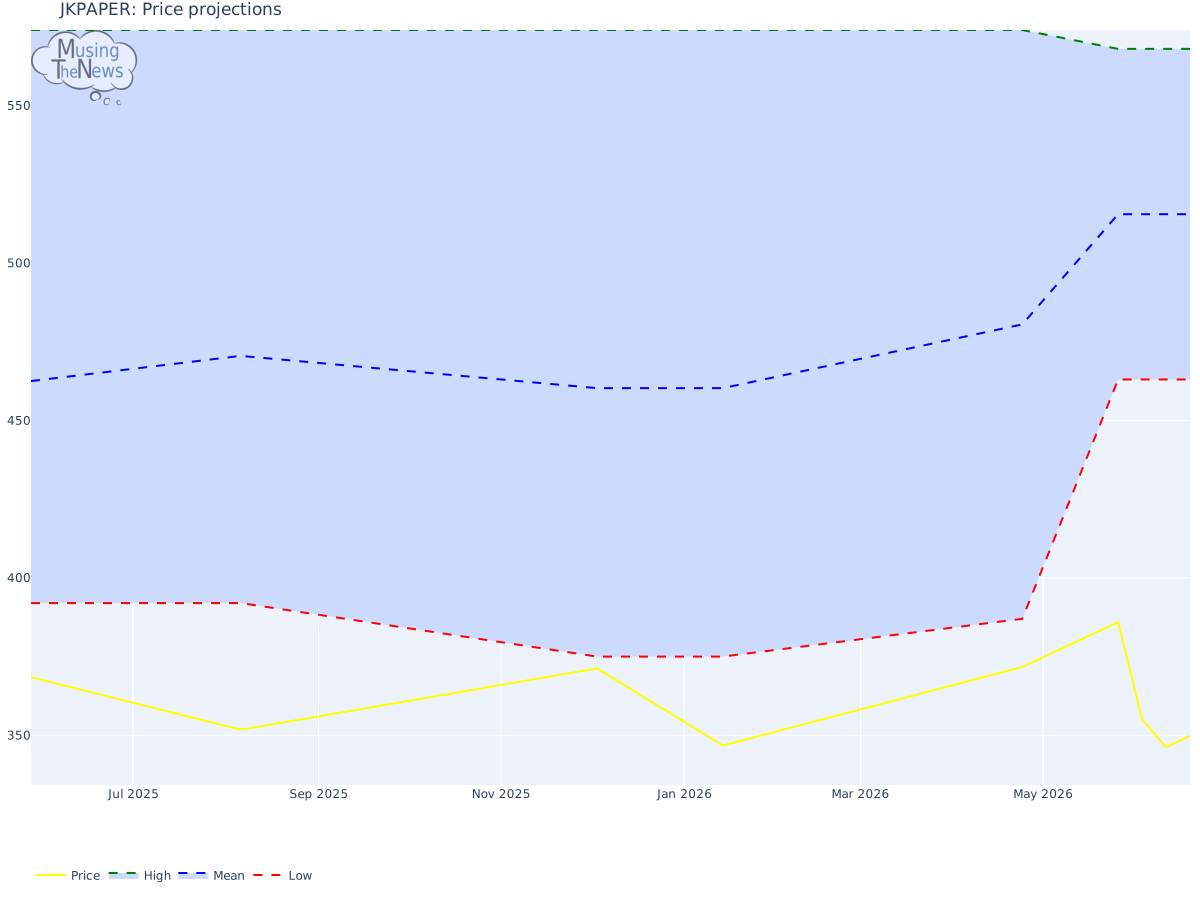
JKPAPER's current price concerning projections presents no discernible risks or opportunities. This balanced situation suggests a period of stability, where investors might consider holding their positions until more information becomes available.
Recommendation changes over time:
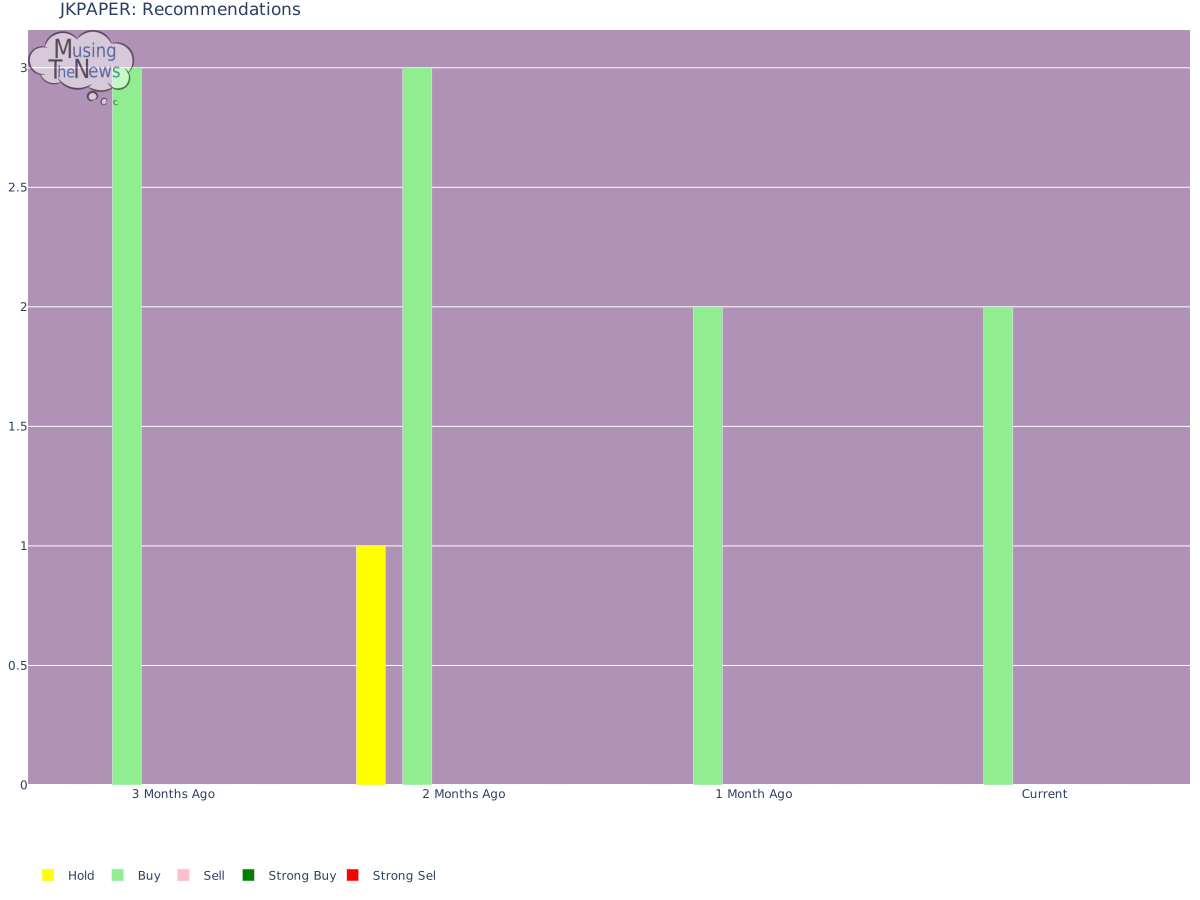
JK Paper Limited has garnered a buy bias from analysts recently, suggesting the stock is a good investment opportunity. This may lead to increased investor interest, as JK Paper Limited is seen as a reliable place to park money for those looking to benefit from potential market gains and company growth.
If you have enjoyed reading, spread the word:
Good prospects:
Companies with the best and the worst fundamentals.
Latest Regulatory Filings for NSE500
Companies with the best and the worst technicals.

SEBI's New Gateway Is Rewiring Foreign Investment in India

Why Japan Backs India’s Truckers

India's $69B Eurasian Trade Power Play