
More about Jio Financial Services Limited
Fundamentals for Jio Financial Services Limited
Regulatory Filings for Jio Financial Services Limited

The Renewable Success Story Beyond Solar

Startups Mint India’s New Billionaires

India's Biggest IPO Has a Bigger Meaning

From Watches to Wealth: Titan's New Empire
Fundamentals for Jio Financial Services Limited



Business Operations:
Sector: Financial ServicesIndustry: Asset Management
Jio Financial Services Limited, through its subsidiaries, engages in the business of investing and financing, insurance broking, payment bank and payment aggregator, and payment gateway services in India. The company operates JioFinance App, a platform that provides digital banking, unified payments interface (UPI) transactions, bill payments, and insurance advisory; and provides asset management services, as well as operating lease solutions to consumers and businesses through a Device-as-a-Service model. It is also involved in consumer lending, and corporate and MSME lending activities; provision of digital banking services, including savings account, debit cards, current accounts, wallet, and online and offline payment solutions; and distribution of life, non-life, and health insurance products. The company was formerly known as Reliance Strategic Investments Limited and changed its name to Jio Financial Services Limited in July 2023. Jio Financial Services Limited was incorporated in 1999 and is based in Mumbai, India.
Revenue projections:
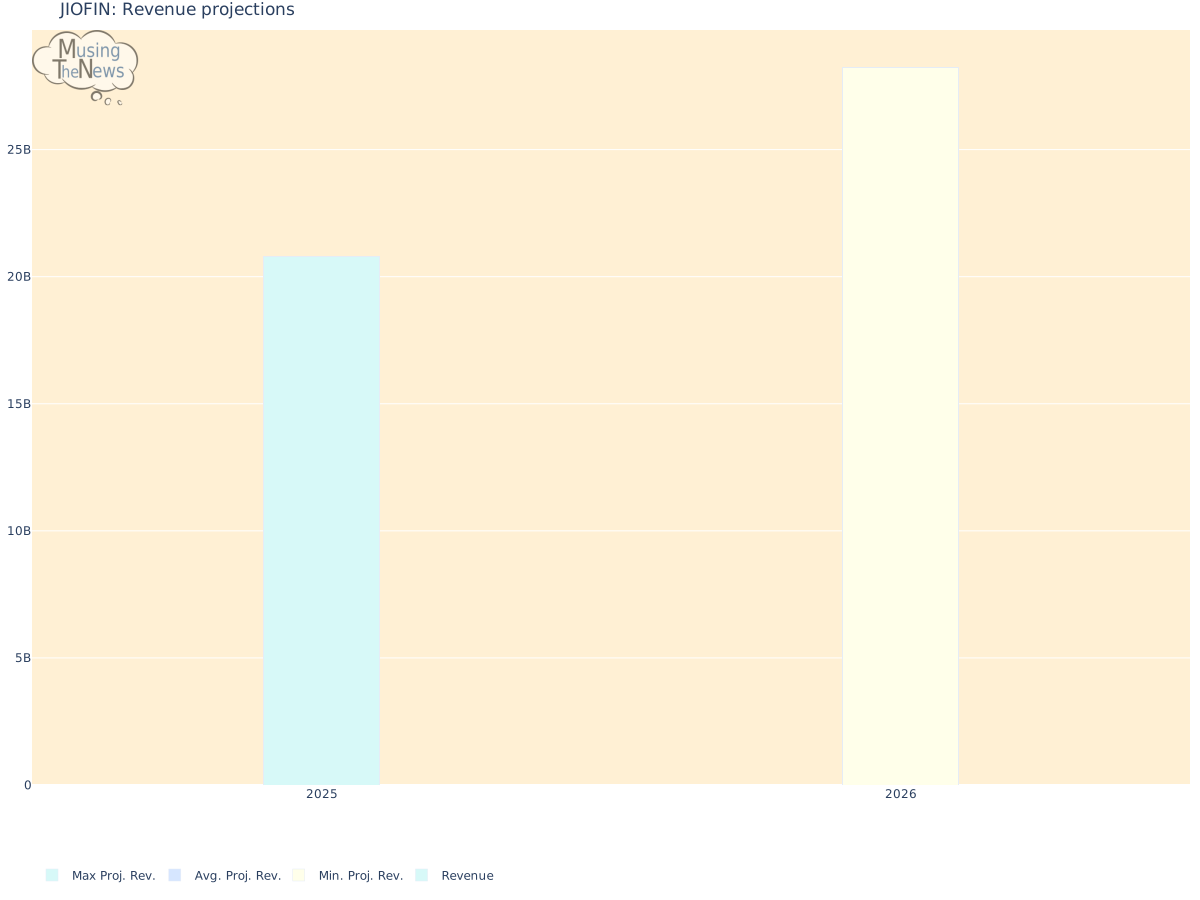
JIOFIN's revenue projections indicate a decrease from the prior year, which may make investors hesitant. A revenue decline could harm the company's bottom line, prompting investors to be more careful, as lower earnings often signal potential issues with profitability and future performance.
Financial Ratios:
| currentRatio | 234.532000 |
|---|---|
| forwardPE | 54.441914 |
| debtToEquity | 16.286000 |
| earningsGrowth | -0.140000 |
| revenueGrowth | 0.394000 |
| grossMargins | 1.000000 |
| operatingMargins | 0.430750 |
| trailingEps | 2.420000 |
| forwardEps | 4.390000 |
JIOFIN's current ratio is 234.532, signaling that the company has sufficient cash reserves and current assets to cover its short-term debt obligations. This suggests financial stability, as JIOFIN should not face any issues meeting its short-term liabilities with available resources.
JIOFIN's high forward PE ratio indicates potential overvaluation, which could restrict future price growth and increase the risk of a correction. It's crucial to consider this metric in tandem with other fundamental data to fully assess the stock's outlook.
JIOFIN's low Debt-to-Equity ratio indicates the company is not over-leveraged. By limiting its dependence on debt, JIOFIN reduces its financial risk and demonstrates a strong capital structure, making it a more stable investment option for those wary of excessive borrowing.
Positive gross and operating margins for Jio Financial Services Limited suggest that the company is operating profitably. These margins highlight Jio Financial Services Limited's efficiency in managing costs while maintaining healthy revenue streams, contributing to its overall financial strength.
With a forward EPS greater than its trailing EPS, JIOFIN is expected to see higher profitability this year. The forecasted increase in earnings reflects optimism about the company's financial growth and potential for improved performance over the prior year.
Price projections:
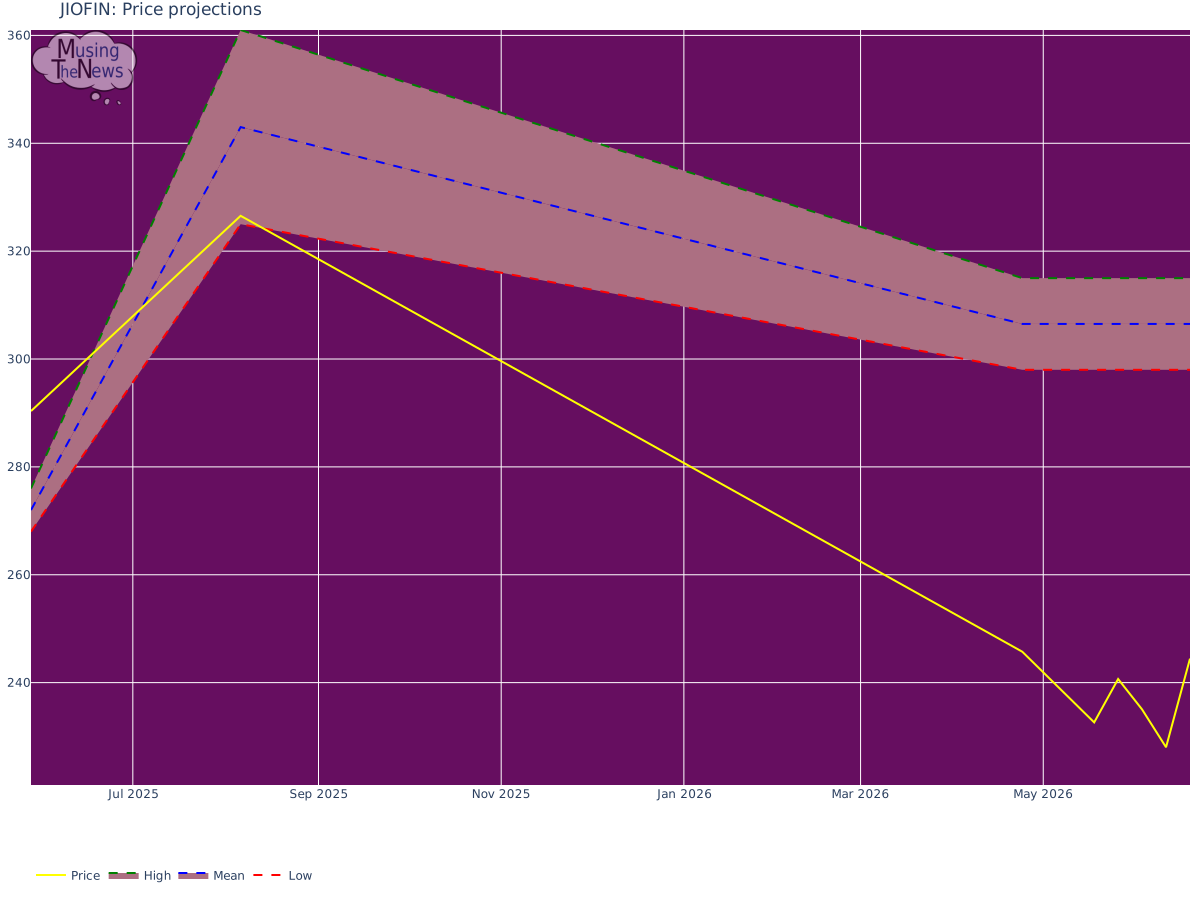
JIOFIN's current valuation relative to projections shows a lack of distinct risks or opportunities. This neutral stance may lead investors to take a more conservative approach, maintaining their current positions until new information becomes available.
Insider Transactions:
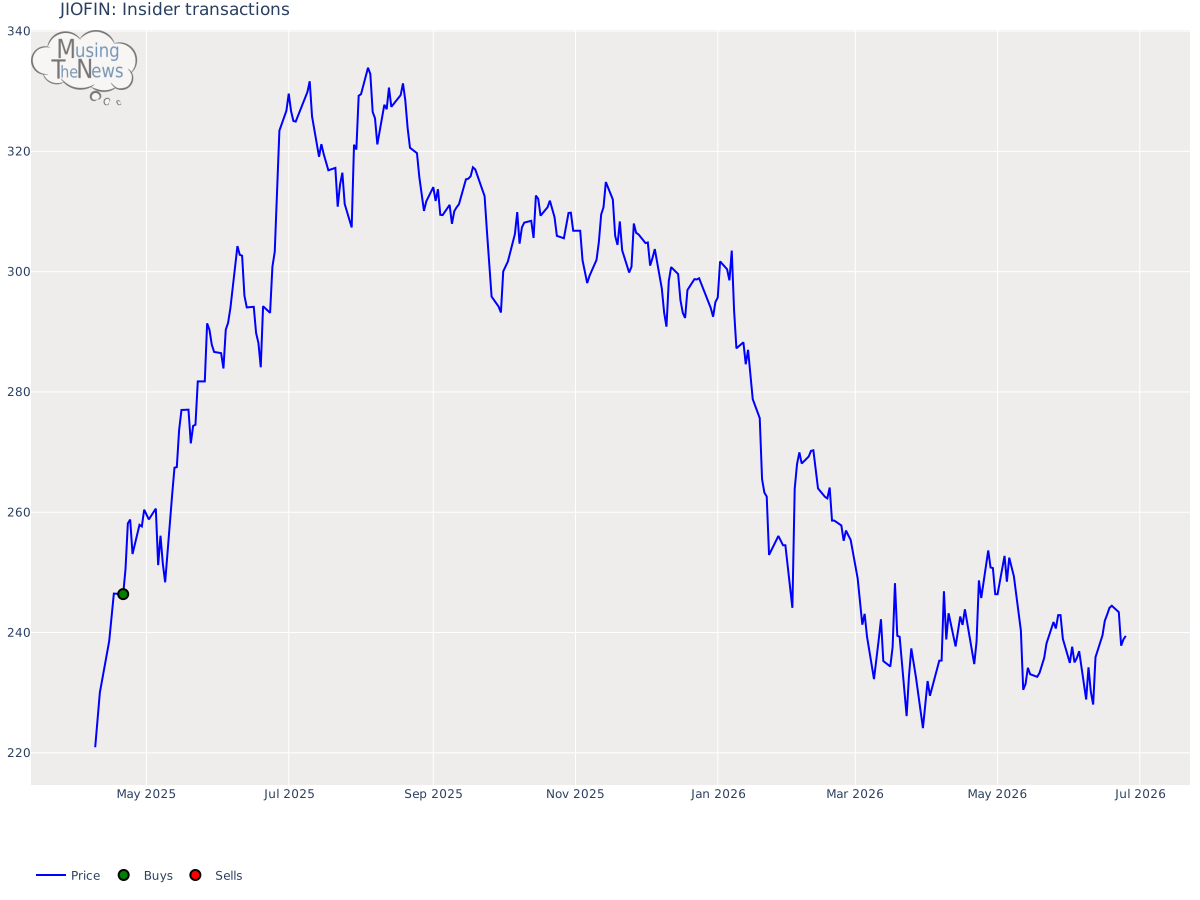
There were 1 transactions to buy JIOFIN stock, with market price of 246.3800048828125.Throughout the period under consideration, there were no buy transactions.The higher volume of sells at JIOFIN's current price levels could indicate potential for further price drops. If this selling trend continues, investors might expect the stock's value to decline as more shareholders exit their positions.
Recommendation changes over time:
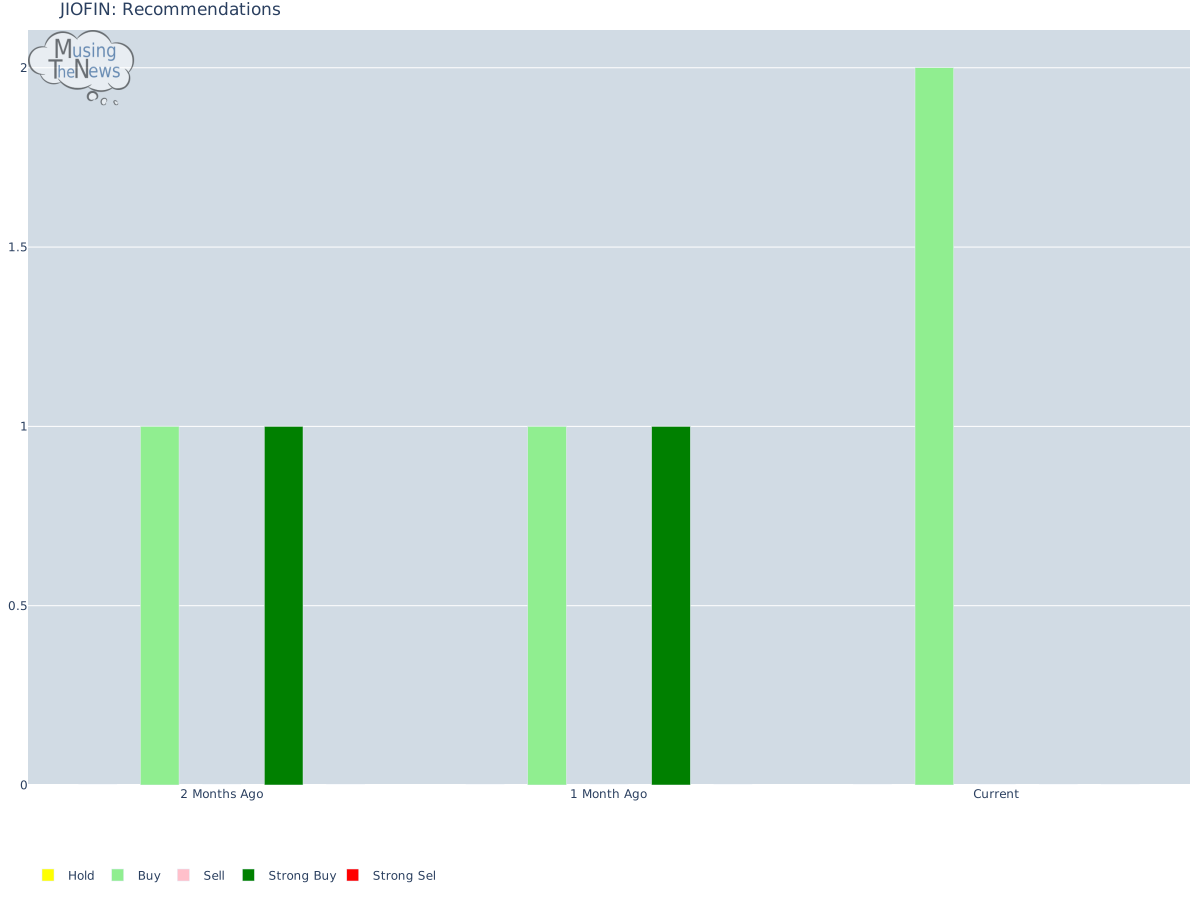
Analysts' buy bias for JIOFIN signals that the stock is considered a favorable investment. This outlook might prompt investors to allocate funds to JIOFIN, seeing it as a solid and profitable choice to park their money and potentially benefit from the company's long-term growth.
If you have enjoyed reading, spread the word:
Good prospects:
Companies with the best and the worst fundamentals.
Latest Regulatory Filings for NSE500
Companies with the best and the worst technicals.

SEBI's New Gateway Is Rewiring Foreign Investment in India

Why Japan Backs India’s Truckers

India's $69B Eurasian Trade Power Play