More about Jindal Steel & Power Limited
Fundamentals for Jindal Steel & Power Limited
Regulatory Filings for Jindal Steel & Power Limited

From COVID Debt to Green Despair: Industrial Discharge Is Destroying India’s Last Prawn Nurseries

The Hidden Cost of India's Electronics Assembly Push: A 40% E-Waste Surge and the Death of Affordable Repair
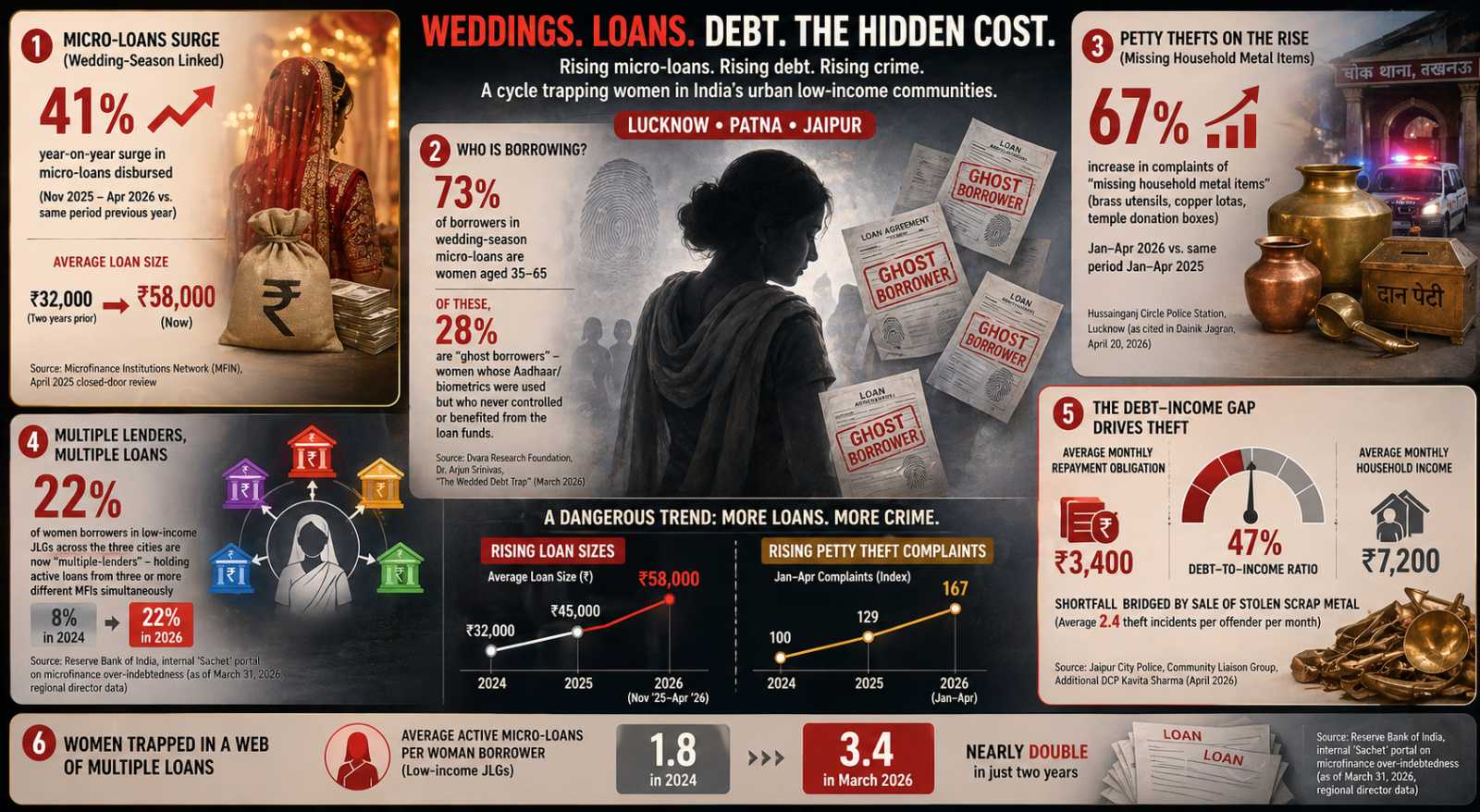
The Wedding Loan Trap: How India’s Microfinance Boom Turned Housewives Into Ghost Borrowers and Temple Brass Into EMI Cash

From Lifesaving Drugs to Sick Units: The Hidden Energy Crisis Inside India’s Pharma Clusters
Technicals for Jindal Steel & Power Limited



Price Summary
Jindal Steel & Power Limited's stock started trading at 1224.0 on 2026-04-30, climbed to 1234.4, fell to 1201.1, and closed -0.07% down at 1223.1, with 878234 shares traded.Over the course of 52 weeks, the stock peaked at 1288.8 and hit a low of 851.15.
Future price predictions suggest a range between 600.0 and 1430.0, with an average expected price of 1216.5714, as per 28 analysts.
Technicals
Support and Resistance: At 1223.1, the price for JINDALSTEL is supported at 1191.1 and resisted at 1225.0. This indicates a trading range where 1191.1 serves as a support level, potentially preventing further decline, while 1225.0 could limit upward movement.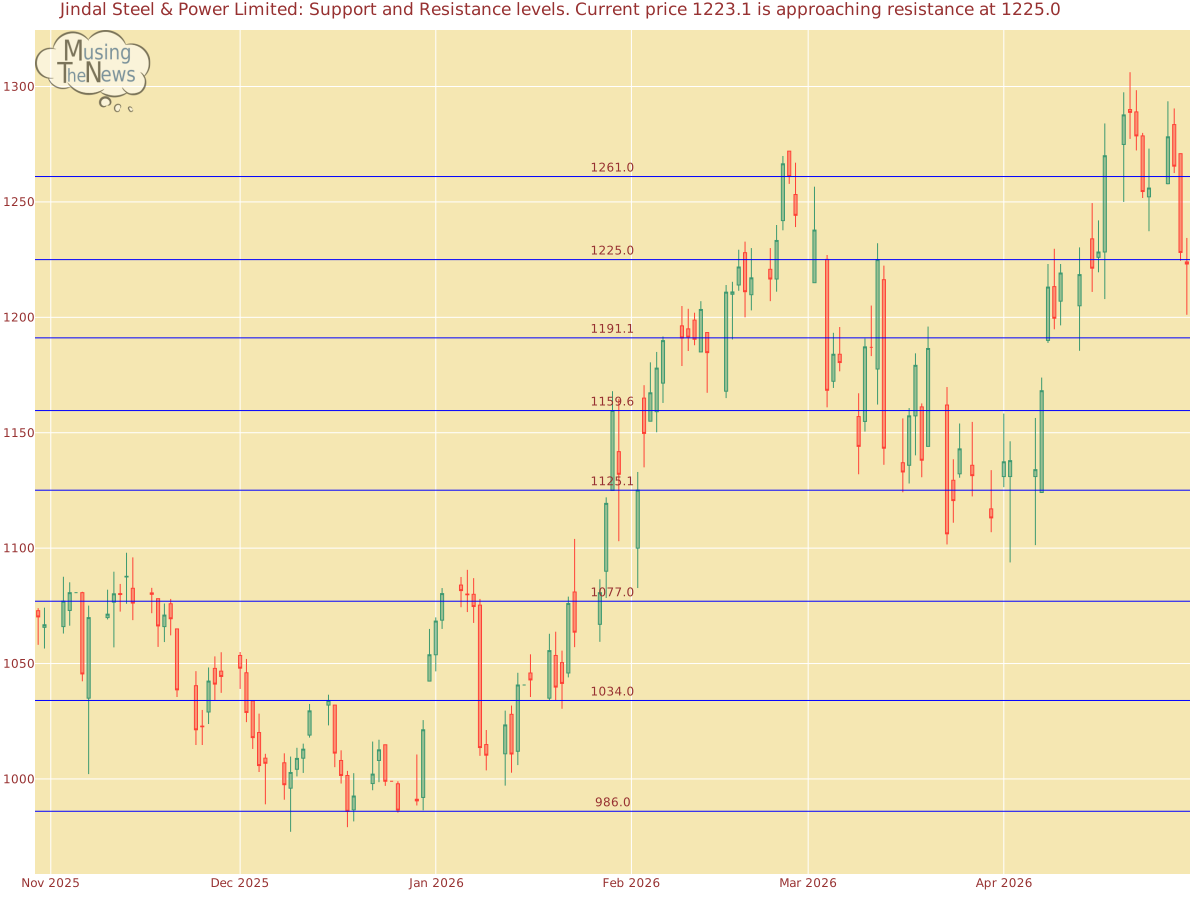
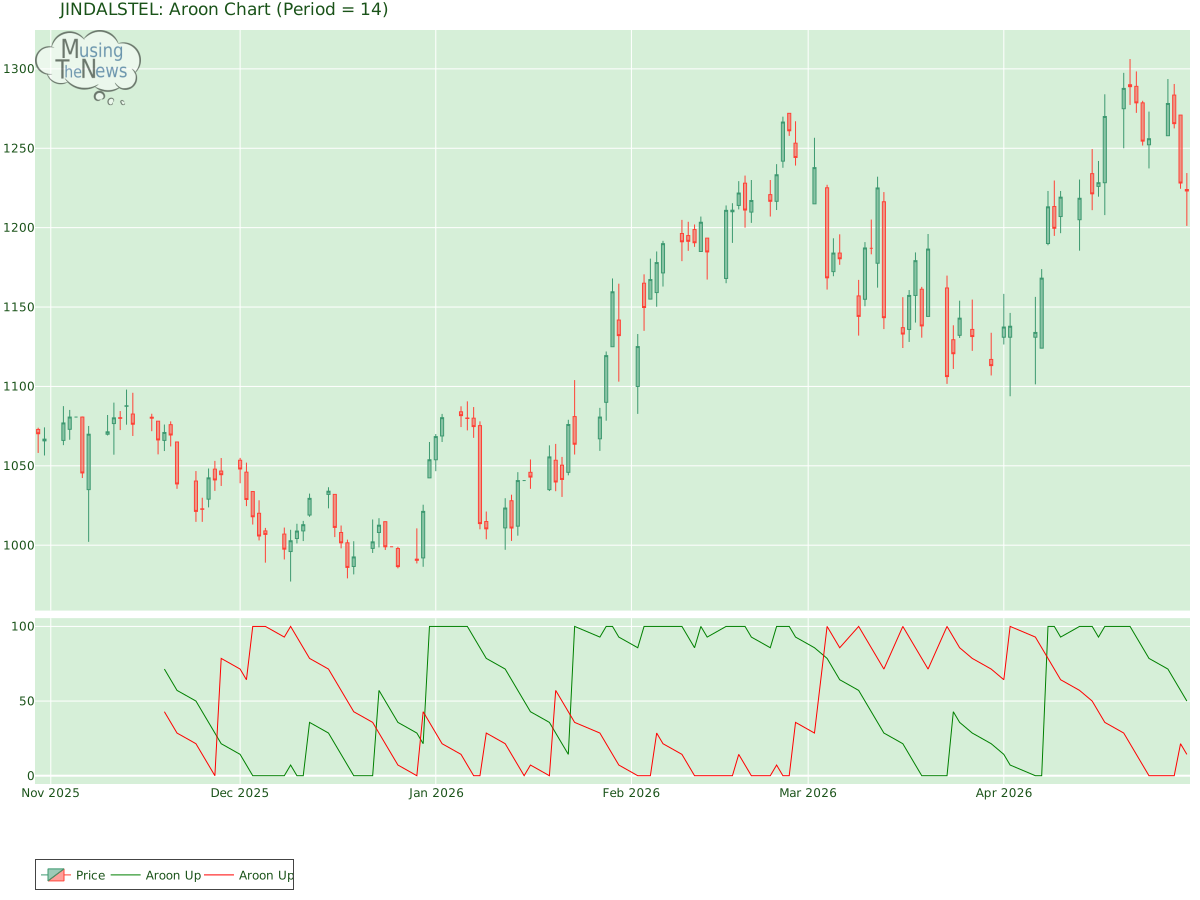
Aroon: The current state of the AROON is neutral for JINDALSTEL, providing no clear indication of a trend in either direction. This suggests that the market may be lacking momentum, making it difficult to predict future movements.
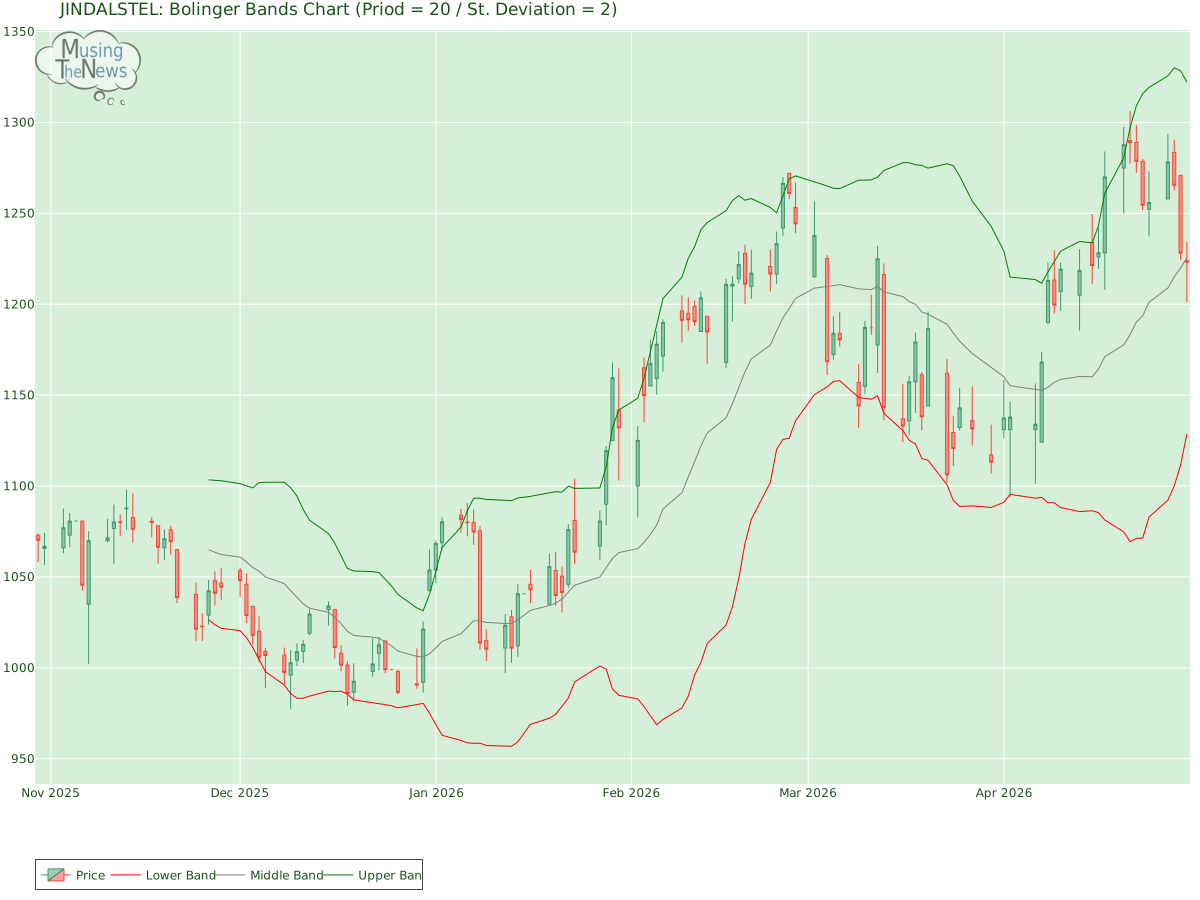
Bol. Bands: The current state of the BOLL BANDS is neutral, offering no clear signals of movement in either direction. This suggests a potential pause in market activity, with no strong trend emerging at the moment.
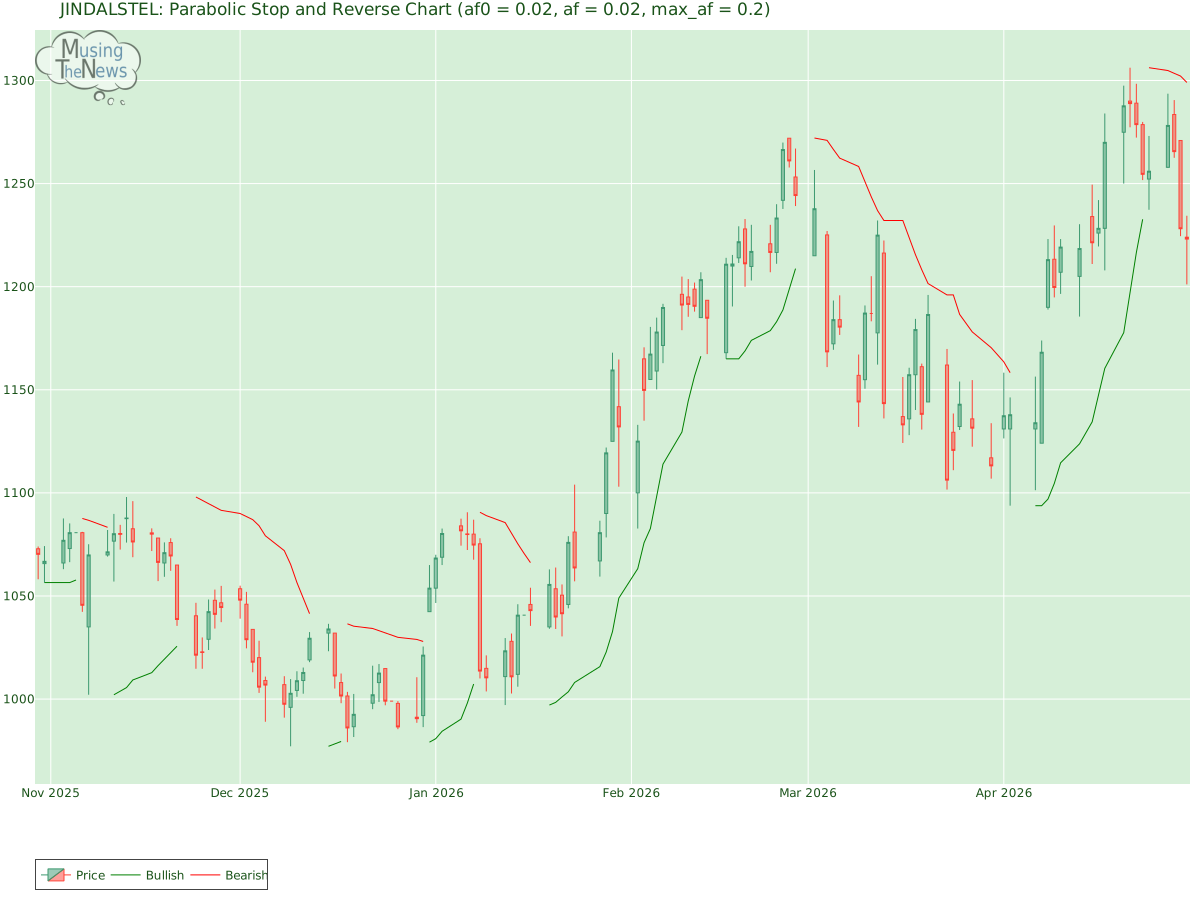
Parabolic SAR: The PSAR for JINDALSTEL continues to signal a bearish stance, reinforcing a resistance level that could restrict upward movement. This resistance suggests that the market may remain under bearish pressure, with limited potential for breaking higher.
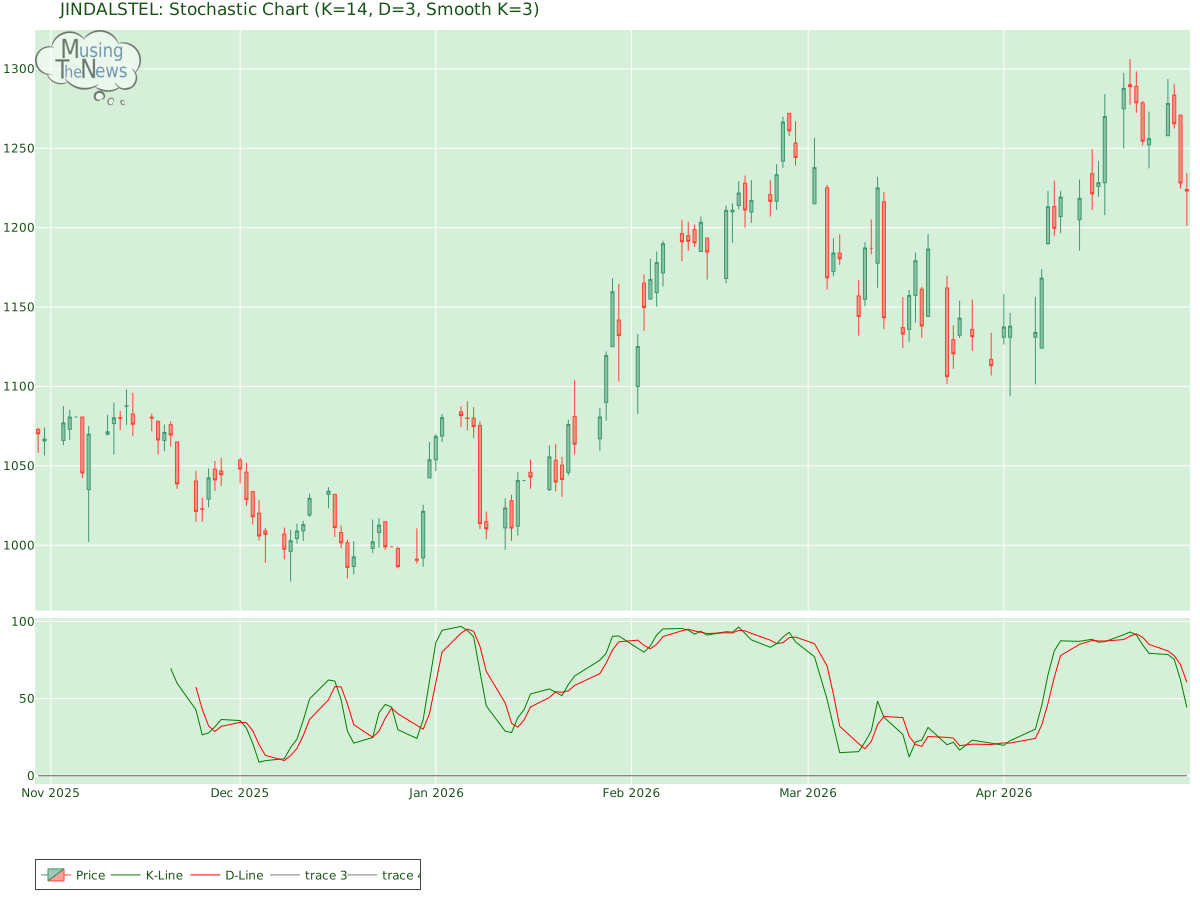
Stochastic: The STOCHASTIC is in a neutral stance for JINDALSTEL, not indicating a clear upward or downward trend. This suggests a period of market indecision, where neither bulls nor bears have the upper hand.
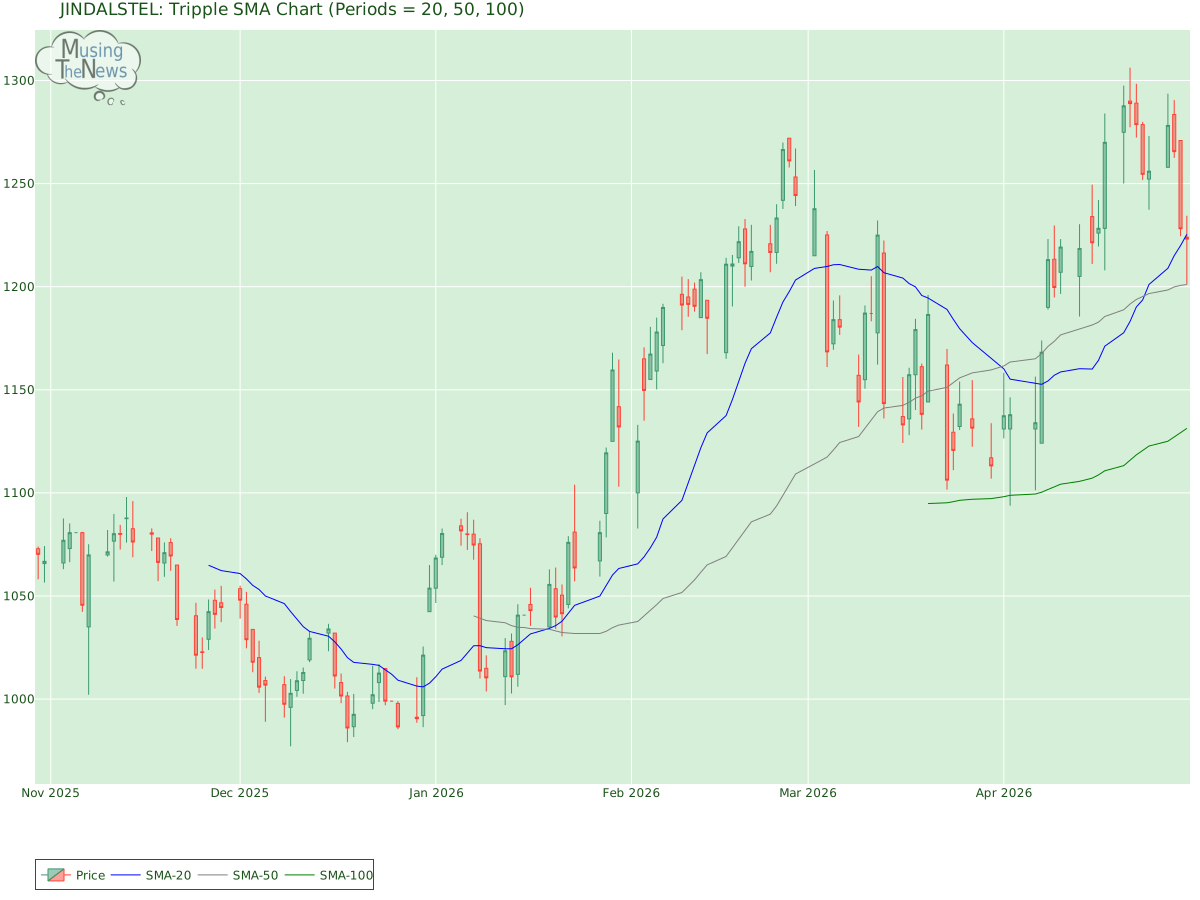
Tripple Moving Agerage: The alignment of the 20, 50, and 100 moving averages points to a bearish trend, but the wavering slopes of the 20 and 50 SMAs indicate that this momentum is weakening. This could be an early sign that the market is preparing for a bullish reversal, as the current downward trend begins to lose steam. Investors may soon see a shift towards more positive price action as the trend starts to change.
When evaluating a company, it is crucial to examine its fundamentals, including its financial statements, management structure, and market position. Additionally, understanding the broader industry trends, competition, and regulatory landscape helps to create a well-rounded view. By assessing both the company's internal factors and the external environment in which it operates, you can extract more valuable insights from its technical performance, such as stock price movements and trading patterns.
DISCLAIMER: We provide information and our musings based on events, but nothing on this site can be considered professional advice of any kind.
If you have enjoyed reading, spread the word:
Good prospects:
Companies with the best and the worst fundamentals.
Latest Regulatory Filings for NSE500
Companies with the best and the worst technicals.

From Price Pressures to Profit Power: The MSME Playbook Redefining India’s Economy

₹90 Crore Bet Signals a Massive Shift in India’s Rural Economy

The Hidden Engine of Global Growth: Why India Is Becoming Impossible to Overlook