More about Jindal Saw Limited
Fundamentals for Jindal Saw Limited
Regulatory Filings for Jindal Saw Limited

From COVID Debt to Green Despair: Industrial Discharge Is Destroying India’s Last Prawn Nurseries

The Hidden Cost of India's Electronics Assembly Push: A 40% E-Waste Surge and the Death of Affordable Repair
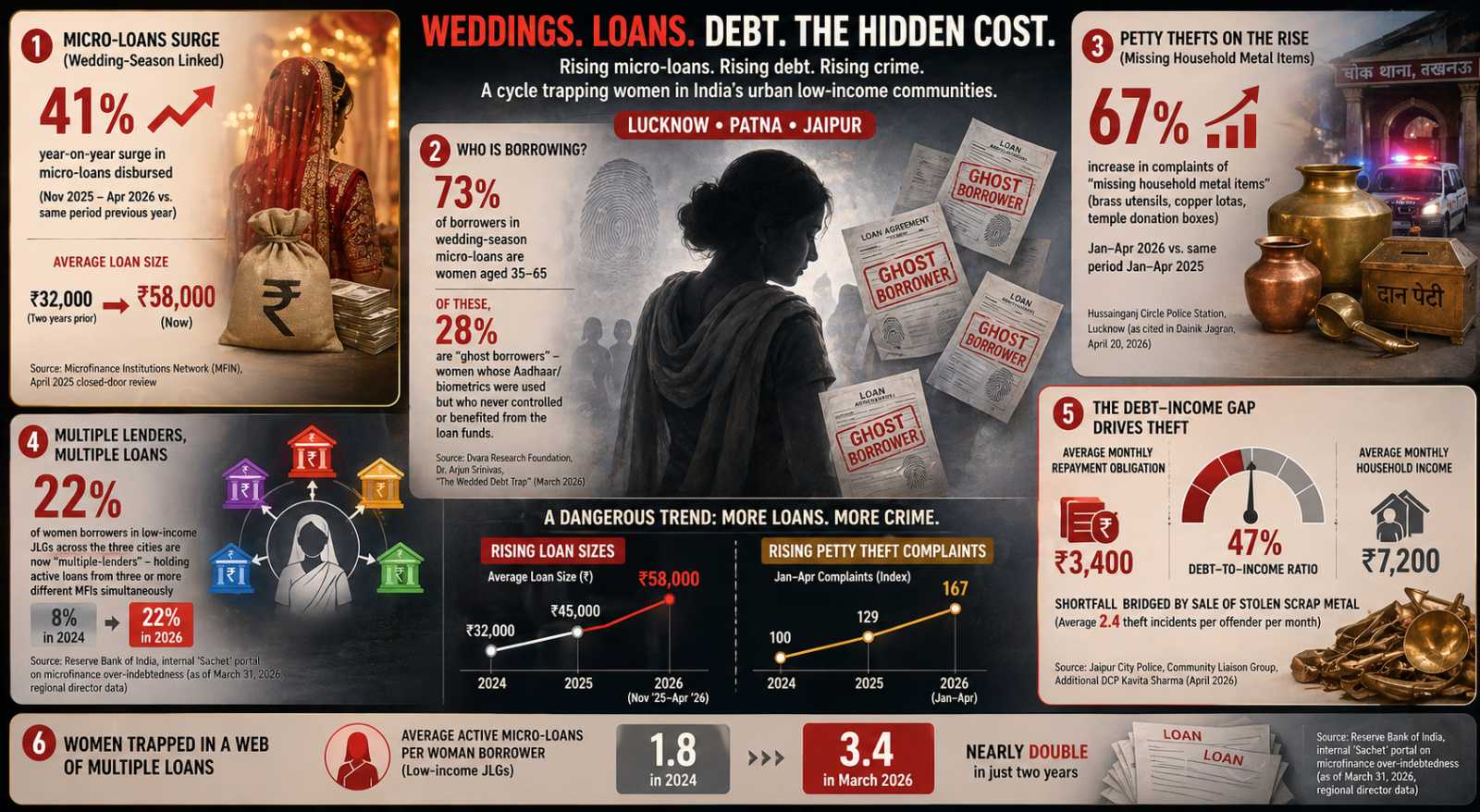
The Wedding Loan Trap: How India’s Microfinance Boom Turned Housewives Into Ghost Borrowers and Temple Brass Into EMI Cash

From Lifesaving Drugs to Sick Units: The Hidden Energy Crisis Inside India’s Pharma Clusters
Technicals for Jindal Saw Limited



Price Summary
Jindal Saw Limited's stock sank -2.3% today, reflecting an unimpressivending market day.2026-04-30, saw JINDALSAW's stock open at 228.0, hit a peak of 228.99, fall to a low of 218.95, and close lower -2.3% at 222.75, with 3856276 shares changing hands.
During the past 52 weeks, the highest stock price was 250.84, and the lowest was 154.64.
Technicals
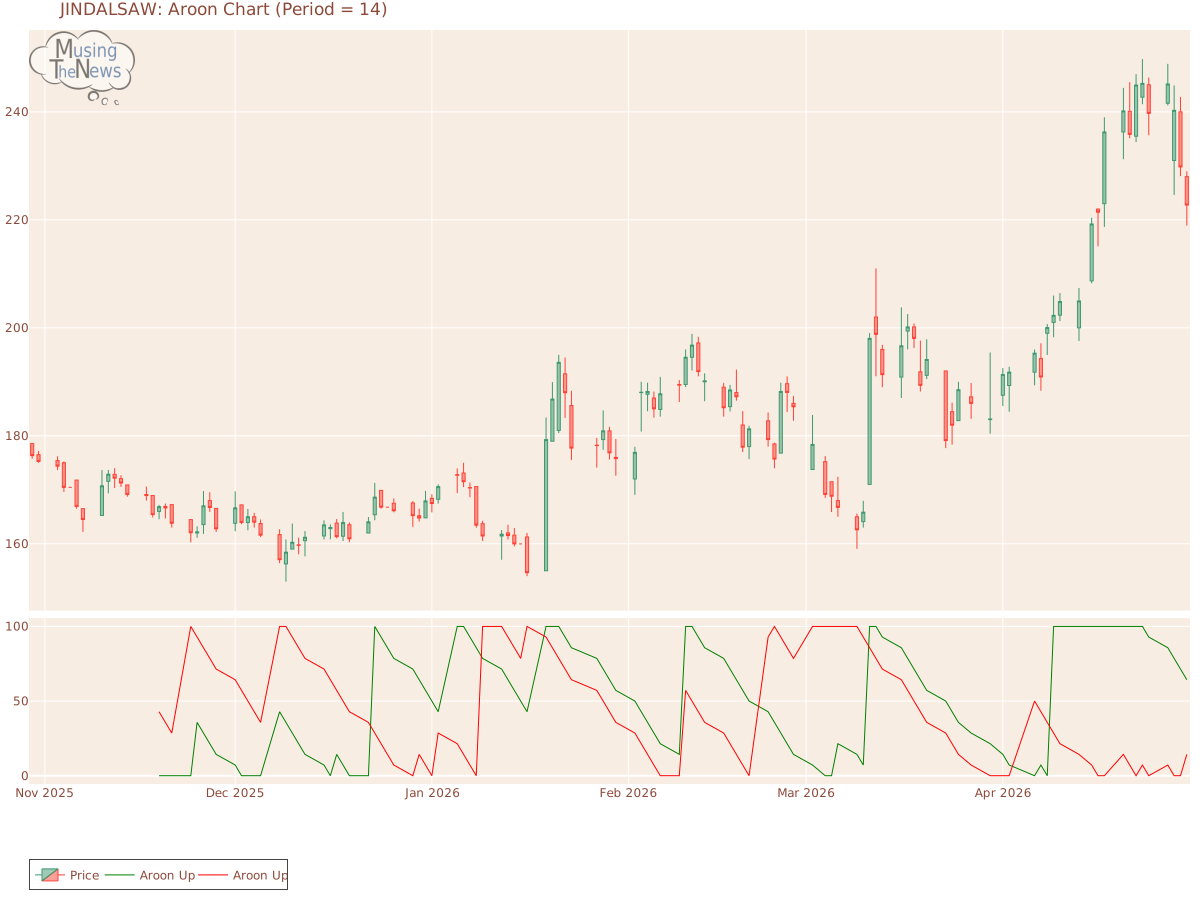
Aroon: The current state of the AROON is neutral, providing no clear signals for either an upward or downward movement. This indicates that the market may be in a state of equilibrium, with no strong momentum in either direction.
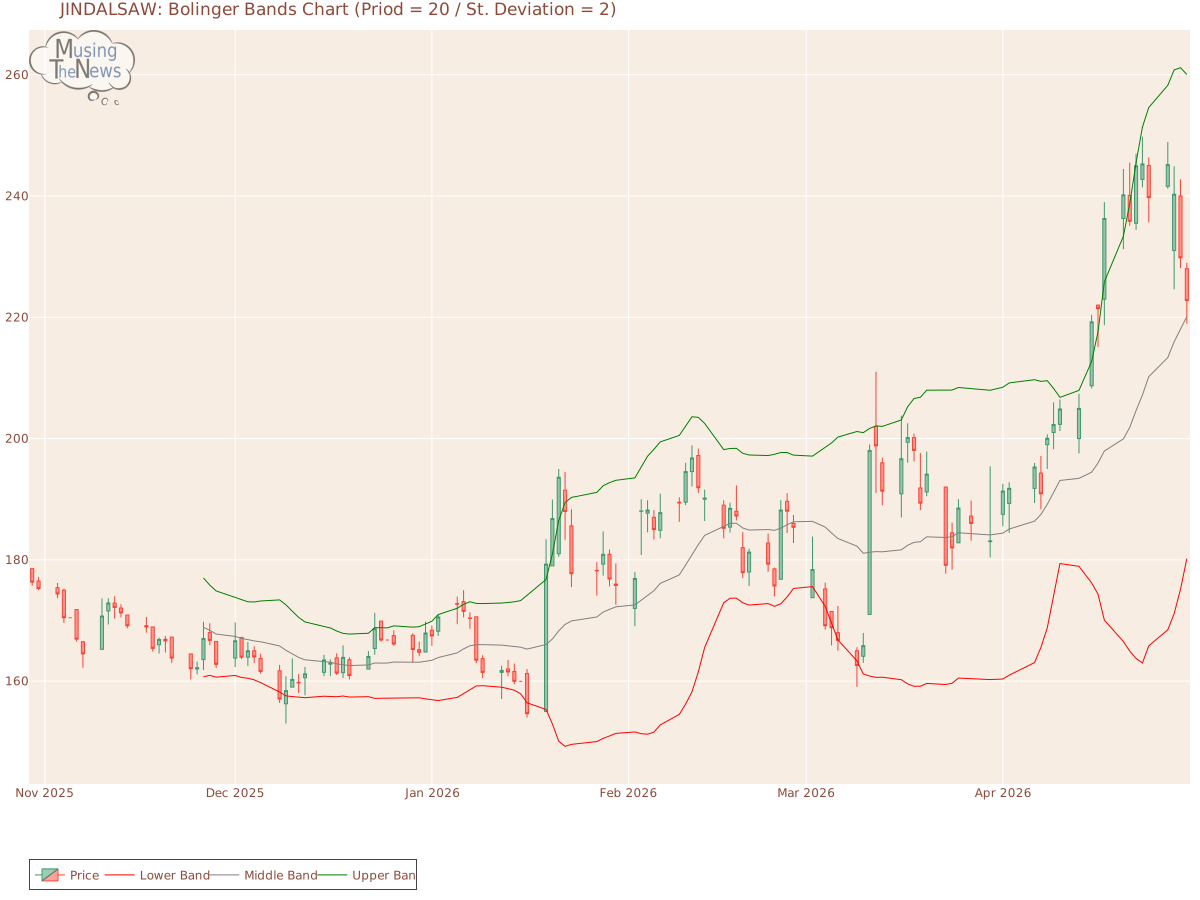
Bol. Bands: The BOLL BANDS is currently neutral, offering no clear guidance on market direction. This suggests that the market may be in a state of pause, with no strong trend emerging.
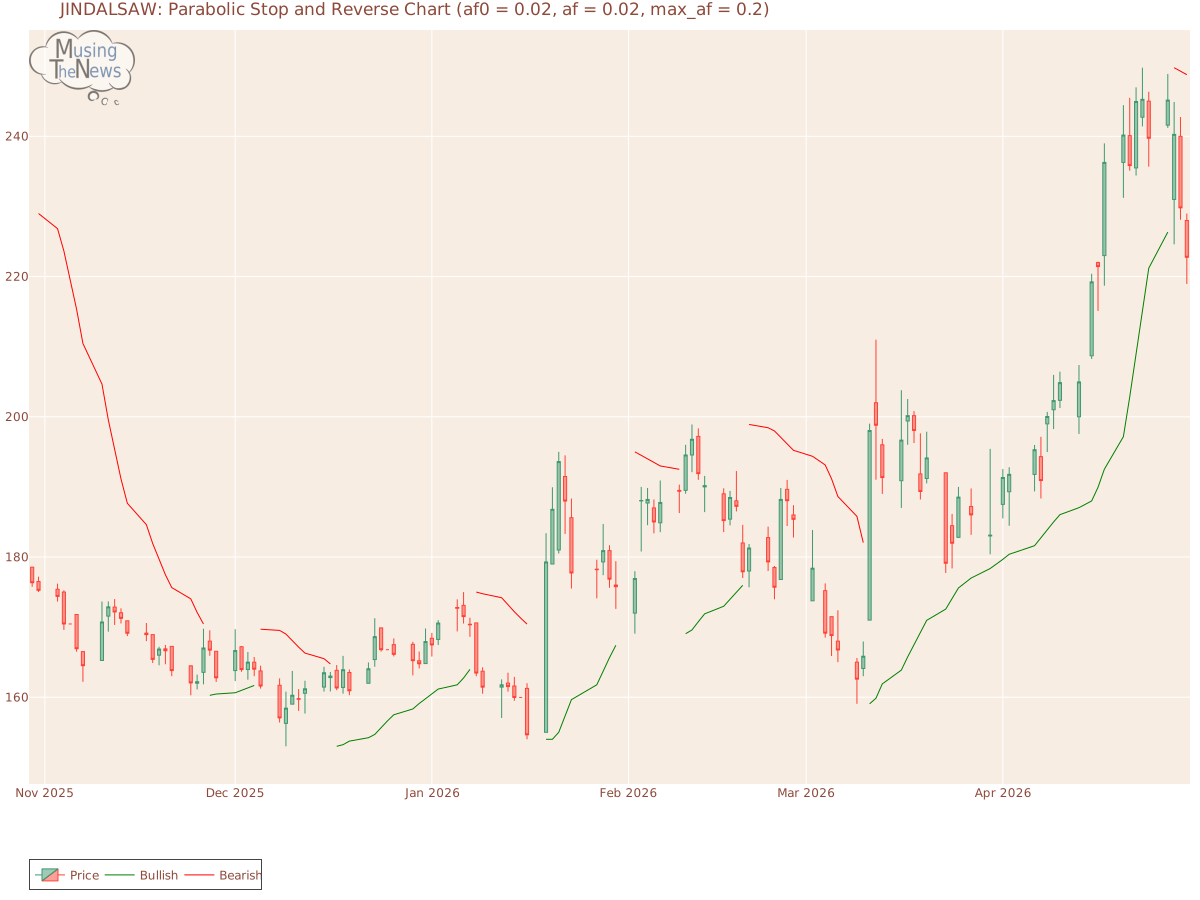
Parabolic SAR: The PSAR maintains its bearish stance, establishing a resistance level that could cap any attempts at upward movement. This persistent bearish outlook suggests that the market may continue to face downward pressure, with resistance preventing significant gains.
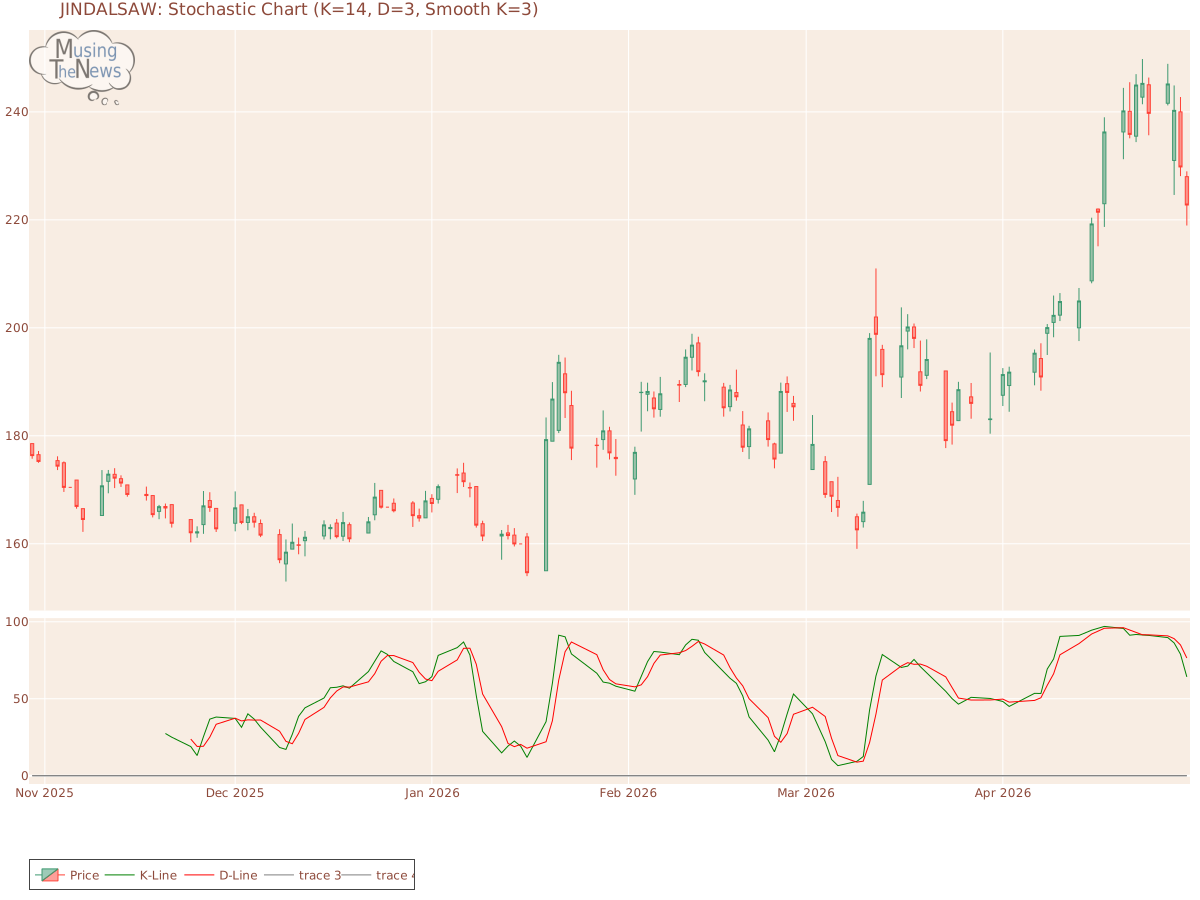
Stochastic: The STOCHASTIC is currently neutral, showing no clear bias toward an upward or downward trend. This suggests that the market may be in a phase of indecision or consolidation.
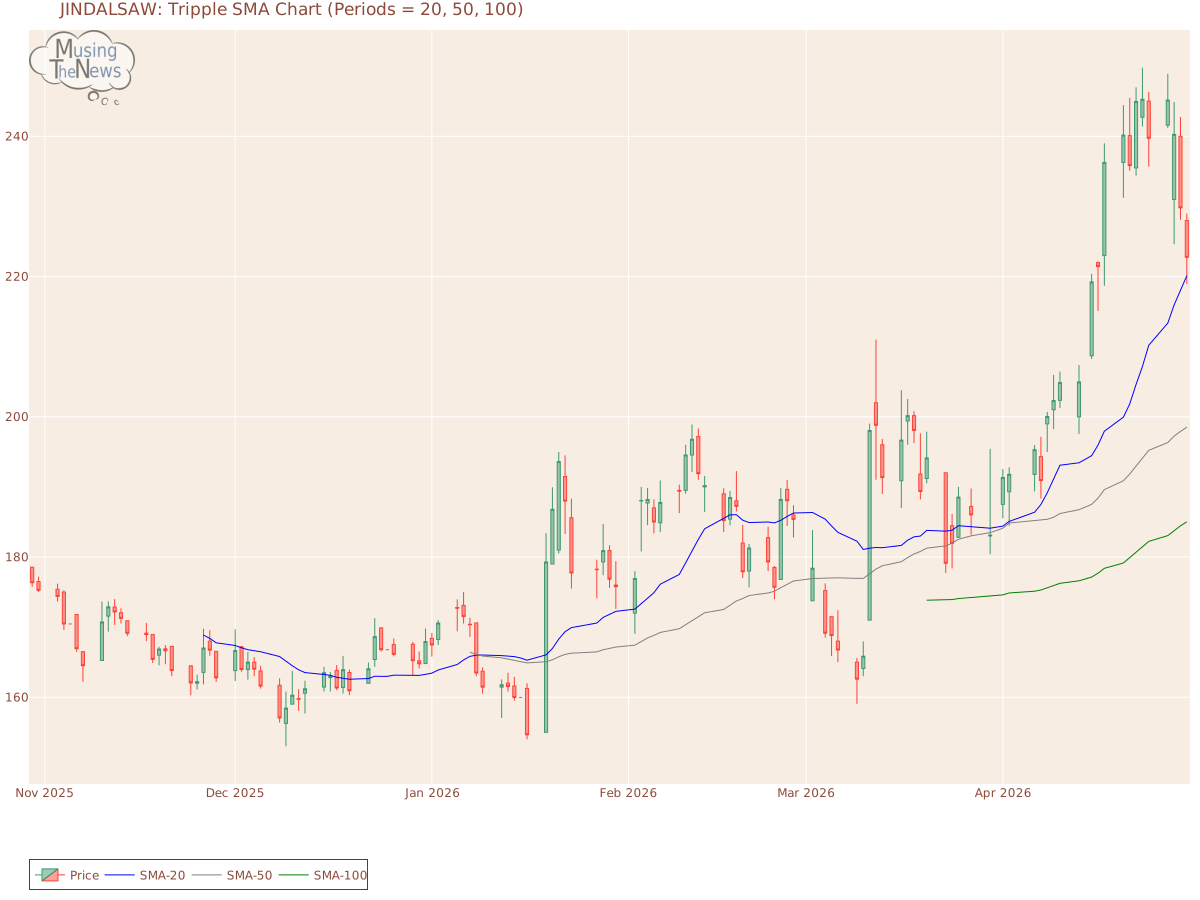
Tripple Moving Agerage: The alignment of the 20, 50, and 100 moving averages suggests a bearish trend, but the weakening slopes of the 20 and 50 SMAs hint at a potential shift. This wavering could indicate that the bearish momentum is slowing down, possibly leading to a reversal towards bullish price action. Investors should watch for signs of a trend change as the market might be gearing up for a new upward move.
When analyzing a company, its fundamentals—such as earnings, management efficiency, and strategic initiatives—must be considered alongside technical data. The context of the industry in which the company operates also plays a key role, as market trends and competitive dynamics can significantly impact performance. By taking a comprehensive approach, combining both fundamental and technical analysis, one can gain a deeper understanding of the company's potential for growth or risk.
DISCLAIMER: We provide information and our musings based on events, but nothing on this site can be considered professional advice of any kind.
If you have enjoyed reading, spread the word:
Good prospects:
Companies with the best and the worst fundamentals.
Latest Regulatory Filings for NSE500
Companies with the best and the worst technicals.

From Price Pressures to Profit Power: The MSME Playbook Redefining India’s Economy

₹90 Crore Bet Signals a Massive Shift in India’s Rural Economy

The Hidden Engine of Global Growth: Why India Is Becoming Impossible to Overlook