

Tier 2 Towns Are Outsaving India's Big Metros

The Renewable Success Story Beyond Solar

Startups Mint India’s New Billionaires
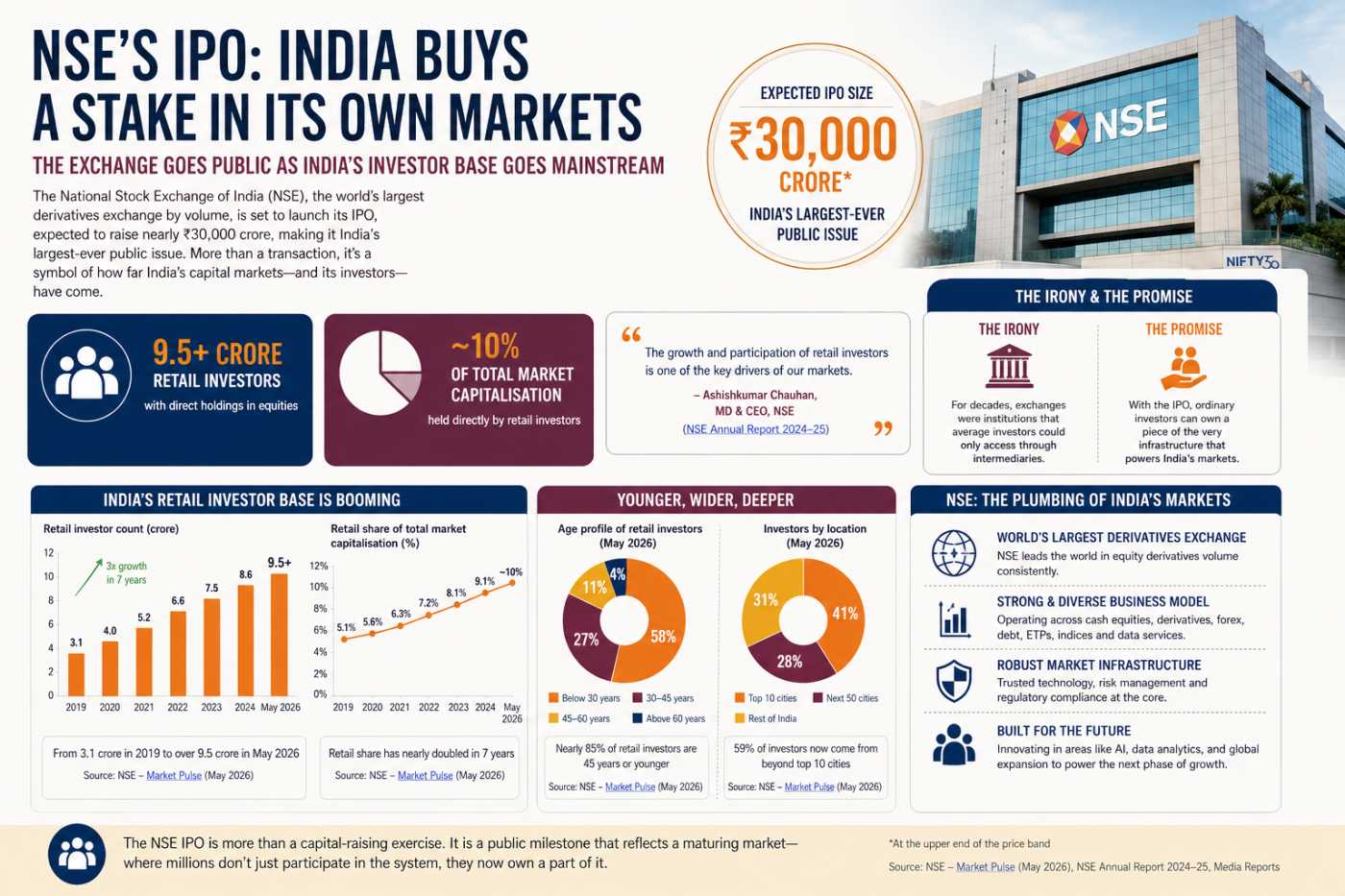
India's Biggest IPO Has a Bigger Meaning
Technicals for ITC Limited



Price Summary
On 2026-07-01, ITC Limited's stock opened at 287.85, reached a high of 291.0, dropped to a low of 287.1, and closed higher 0.85% at 290.3, with a trading volume of 6546903 shares.In the 52-week period, the stock's peak price is 424.6, and the lowest price recorded is 277.0.
Technicals
Aroon: The AROON is in a neutral stance, with no clear direction indicated for the market. This lack of clarity suggests that the market may be in a state of equilibrium for ITC, with no strong trend emerging.

Bol. Bands: The current state of the BOLL BANDS is neutral, providing no clear signals for either an upward or downward movement. This indicates that the market may be in a state of equilibrium, with no strong momentum in either direction.

Parabolic SAR: The PSAR maintains a bearish outlook for ITC, establishing a key resistance level that could limit further gains. This ongoing bearish trend suggests that the market may struggle to overcome this resistance, keeping upward movement subdued.

Stochastic: The STOCHASTIC is currently neutral, showing no clear bias toward a rising or falling trend. This lack of directional clarity suggests that the market may be in a holding pattern, awaiting further developments.

Tripple Moving Agerage: The Tripple MOVING AVG is currently neutral, offering no clear guidance on market direction. This suggests that the market may be in a state of pause, with no strong trend emerging.

To accurately interpret a company's technical data, it is important to first examine its fundamentals. These include financial performance, management quality, and growth prospects. In addition, understanding the dynamics of the industry in which the company operates—such as competition, market trends, and regulatory factors—provides further insights. This combined analysis helps create a fuller picture, allowing for more precise conclusions to be drawn from the company's technical performance and stock behavior.
If you have enjoyed reading, spread the word:
Good prospects:
Companies with the best and the worst fundamentals.
Latest Regulatory Filings for NSE500
Companies with the best and the worst technicals.

From Watches to Wealth: Titan's New Empire

SEBI's New Gateway Is Rewiring Foreign Investment in India

Why Japan Backs India’s Truckers