

Tier 2 Towns Are Outsaving India's Big Metros

The Renewable Success Story Beyond Solar

Startups Mint India’s New Billionaires
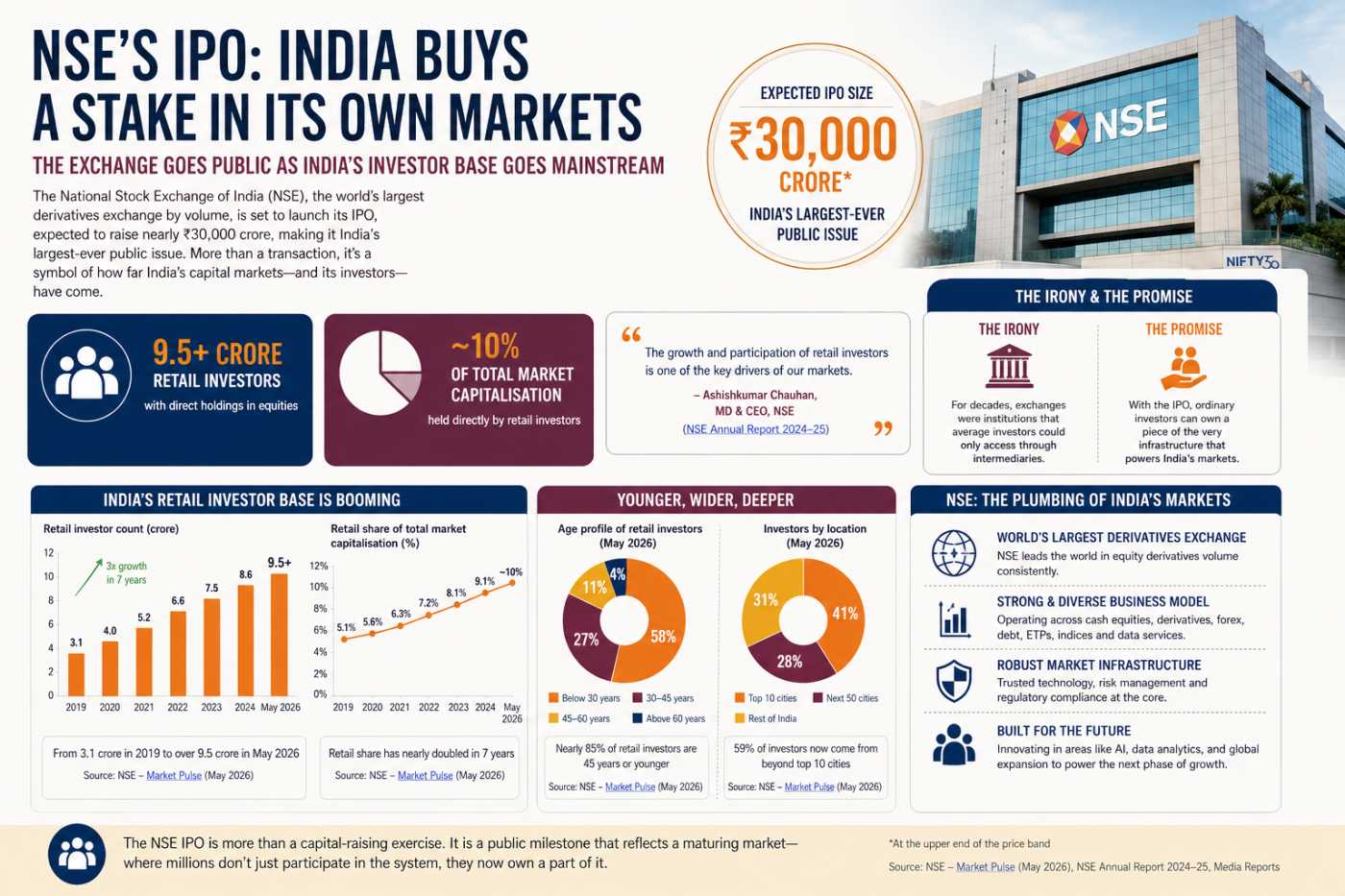
India's Biggest IPO Has a Bigger Meaning
Technicals for EPL Limited



Price Summary
EPL Limited's stock started trading at 226.0 on 2026-07-01, climbed to 230.95, fell to 225.57, and closed 0.56% higher at 227.26, with 326319 shares traded.Over the past year, the stock's highest price was 240.88, and its lowest was 180.12.
Technicals
Support and Resistance: At 227.26, the price for EPL is supported at 222.95 and resisted at 234.45. This indicates a trading range where 222.95 serves as a support level, potentially preventing further decline, while 234.45 could limit upward movement.
Aroon: The current state of the AROON is neutral, offering no clear signals of movement in either direction. This suggests a potential pause in market activity, with no strong trend emerging at the moment.

Bol. Bands: The current reading of the BOLL BANDS is neutral, offering no clear signals for a movement in either direction. This suggests that the market may be in a holding pattern, with no dominant trend in place.

Parabolic SAR: The PSAR for EPL continues to be bullish, establishing a crucial support level that may help maintain the current upward trend. This level of support suggests that the market is poised to continue its positive trajectory, offering a foundation for further growth.

Stochastic: The STOCHASTIC is neutral, showing no definitive signals of a trend either upward or downward. This neutral stance indicates a period of market indecision, where the direction is unclear.

Tripple Moving Agerage: The current state of the Tripple MOVING AVG is neutral, with no clear trend direction indicated. This lack of directional bias suggests that the market may be in a phase of consolidation or uncertainty.

When evaluating a company's technical indicators like price trends and trading volume, it's important to also assess its fundamentals. Key factors include the company's profitability, growth rate, and financial stability. Furthermore, considering the industry within which the company operates provides additional context, as factors like competition and market demand can affect performance. By combining this analysis, you can make more informed judgments about the company's future prospects.
If you have enjoyed reading, spread the word:
Good prospects:
Companies with the best and the worst fundamentals.
Latest Regulatory Filings for NSE500
Companies with the best and the worst technicals.

From Watches to Wealth: Titan's New Empire

SEBI's New Gateway Is Rewiring Foreign Investment in India

Why Japan Backs India’s Truckers