
More about Bharat Petroleum Corporation Limited
Fundamentals for Bharat Petroleum Corporation Limited
Regulatory Filings for Bharat Petroleum Corporation Limited

Tier 2 Towns Are Outsaving India's Big Metros

The Renewable Success Story Beyond Solar

Startups Mint India’s New Billionaires
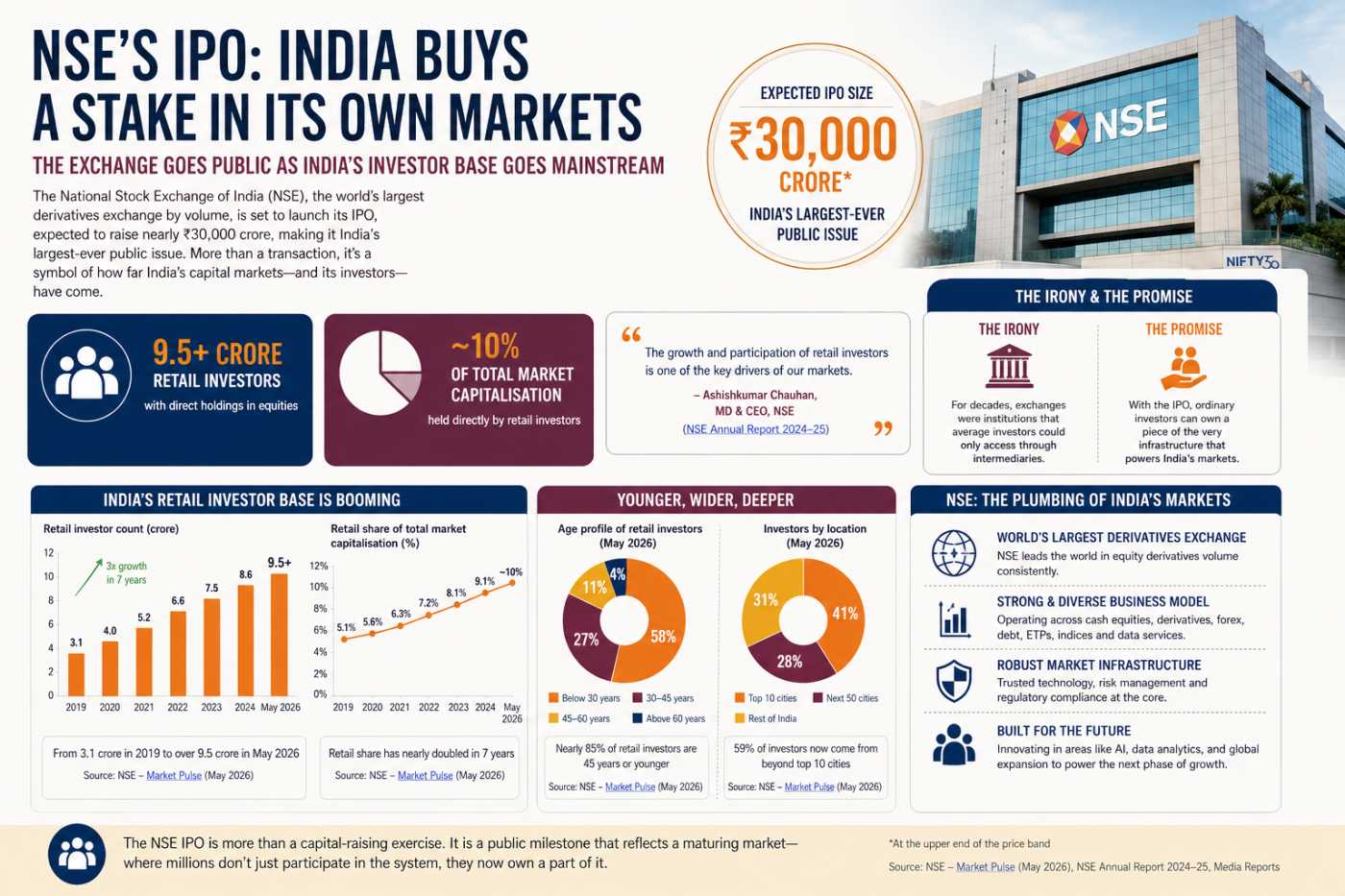
India's Biggest IPO Has a Bigger Meaning
Technicals for Bharat Petroleum Corporation Limited



Price Summary
On 2026-07-01, Bharat Petroleum Corporation Limited's stock opened at 305.2, peaked at 306.5, hit a low of 301.15, and closed -0.33% lower at 304.2, with 4919071 shares changing hands.Over the past 52 weeks, the stock reached a maximum price of 388.3 and a minimum price of 271.3.
Technicals
Support and Resistance: The current price of 304.2 for BPCL is supported at 298.5 and faces resistance at 307.6. These levels indicate that 298.5 could act as a floor, while 307.6 might limit any further price increases.
Aroon: The current state of the AROON is neutral for BPCL, providing no clear indication of a trend in either direction. This suggests that the market may be lacking momentum, making it difficult to predict future movements.

Bol. Bands: The BOLL BANDS is currently in a neutral position for Bharat Petroleum Corporation Limited, offering no clear guidance on whether the market is likely to move up or down. This neutral stance suggests that further observation may be necessary before a trend becomes apparent.

Parabolic SAR: The PSAR for BPCL continues to signal a bullish outlook, establishing a crucial support level that may help sustain the current upward momentum. This level of support suggests that the market is likely to continue trending higher, providing a foundation for ongoing bullish movement.

Stochastic: The STOCHASTIC is neutral, showing no definitive signals of a trend either upward or downward. This neutral stance indicates a period of market indecision, where the direction is unclear.

Tripple Moving Agerage: The Tripple MOVING AVG is showing a neutral stance, not indicating a clear upward or downward trend for Bharat Petroleum Corporation Limited. This suggests a period of market balance, where neither side is showing dominance.

To properly assess the technical data of a company, it's important to first look at its fundamentals, such as its earnings, growth potential, and management effectiveness. Equally, understanding the industry trends, competition, and external economic factors that influence the company is vital. This holistic view helps draw meaningful conclusions about the company's technical performance, allowing investors to better gauge its stock price behavior, volatility, and market trends.
If you have enjoyed reading, spread the word:
Good prospects:
Companies with the best and the worst fundamentals.
Latest Regulatory Filings for NSE500
Companies with the best and the worst technicals.

From Watches to Wealth: Titan's New Empire

SEBI's New Gateway Is Rewiring Foreign Investment in India

Why Japan Backs India’s Truckers