

The Renewable Success Story Beyond Solar

Startups Mint India’s New Billionaires
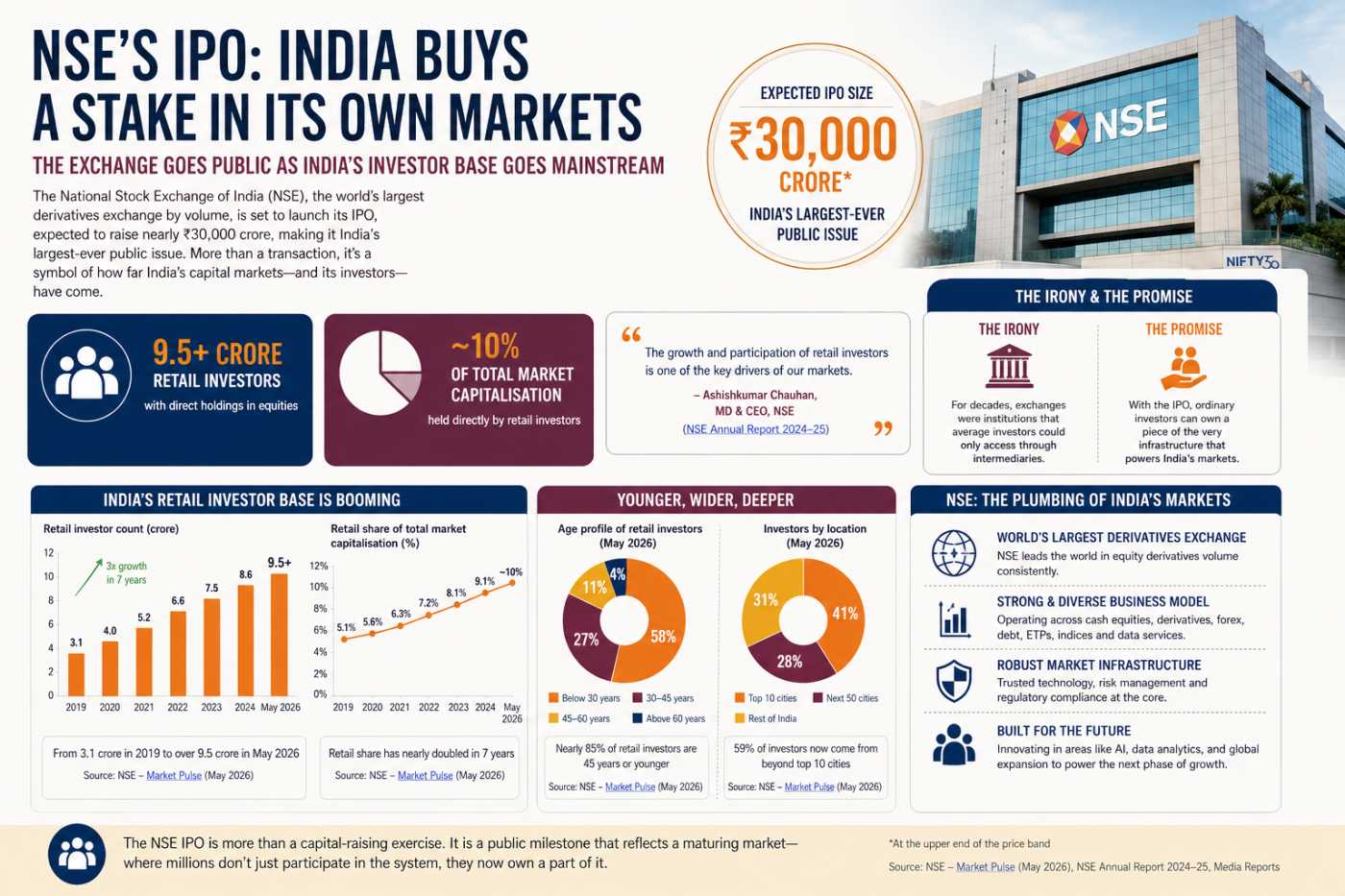
India's Biggest IPO Has a Bigger Meaning

From Watches to Wealth: Titan's New Empire
Fundamentals for Atul Ltd



Business Operations:
Sector: Basic MaterialsIndustry: Specialty Chemicals
Atul Ltd manufactures and sells chemicals and other chemical products worldwide. It operates in two segments, Life Science Chemicals, and Performance and Other Chemicals. The company offers aromatics, such as 2 nitro para cresol, 2-methylcyclohexyl acetate, allyl caproate and heptanoate, ambrettolide, anethole, cresol mixture, manganese sulphate monohydrate, ortho cresol and methoxy toluene, phenyl acetic acid, skatole, and sodium sulfite and sulphate, as well as para anisic aldehyde, anisyl acetate and alcohol, anisyl propanal, cresidine, cresol, cresyl acetate and methyl ether, methoxy phenyl acetic acid, and aceto nitrile; and bulk chemicals and intermediates, including 1,3-cyclohexanedione, 2-methylresorcinol, 4-chlororesorcinol, anisole, caustic soda lye, chlorosulphonic and hydrochloric acid, gypsum, hydrogen gas, liquid chlorine, liquid sulphur dioxide and trioxide, oleum, resoform, resorcinol, resorcinol dimethyl ether, sodium hypochlorite, sodium sulphite, and sulphuric acid. It also provides colors; biostimulants; fungicides, herbicides, and insecticides; amino acid derivatives, active pharmaceutical ingredients (API), API intermediates, and phosgene derivatives; and epoxy resins, curing agents, reactive diluents, accelerators and catalysts, formulations, and sulfones. In addition, the company produces tissue culture raised oil and date palm plants, as well as engages in the crop protection retail and polymers retail operations. It serves various industries, including adhesives, agriculture, animal feed, aerospace and defense, automotive, composites, construction, electrical and electronics, food and beverage packaging, marine, paint and coatings, sport and leisure, transport, wind energy, cosmetic, dyestuff, flavor, footwear, fragrance, glass, home care, horticulture, hospitality, paper, personal care, pharmaceutical, plastic, polymer, rubber, soap and detergent, textile, and tire. Atul Ltd was incorporated in 1947 and is headquartered in Valsad, India.
Revenue projections:
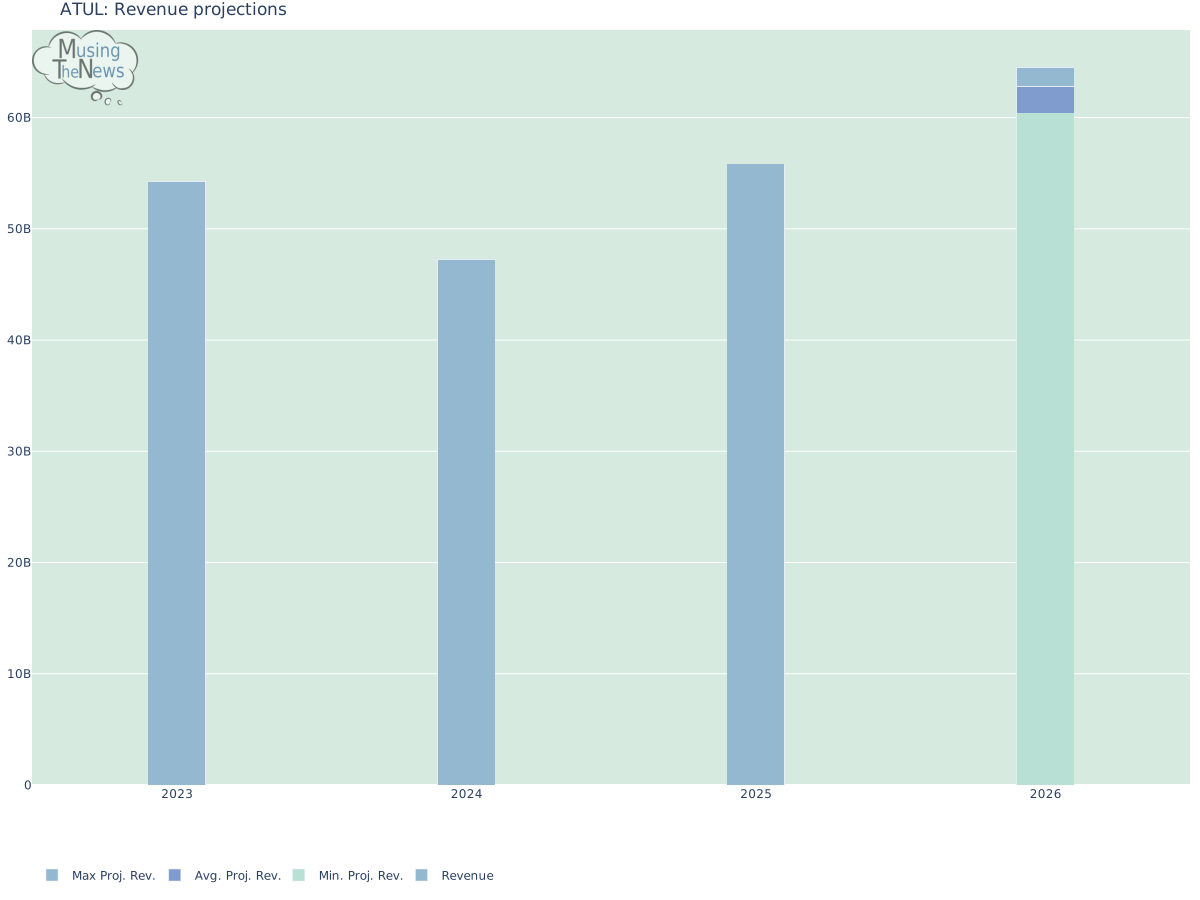
With ATUL's revenue expected to be lower than the previous year, investors may become cautious. Declining revenues often negatively impact the bottom line, reducing profitability and raising concerns among investors about the company's ability to maintain strong financial performance moving forward.
Financial Ratios:
| currentRatio | 3.614000 |
|---|---|
| forwardPE | 22.165493 |
| debtToEquity | 2.907000 |
| earningsGrowth | 0.661000 |
| revenueGrowth | 0.150000 |
| grossMargins | 0.370220 |
| operatingMargins | 0.120620 |
| trailingEps | 230.130000 |
| forwardEps | 302.677670 |
ATUL's current ratio being 3.614 suggests that the company has no issue servicing its short-term debt. Its strong liquidity position, supported by sufficient cash reserves and current assets, ensures that ATUL can meet its financial obligations with ease.
Atul Ltd's Forward PE is in an attractive range, meaning its stock price aligns well with earnings and isn't inflated. This creates room for growth, making it a solid investment opportunity for those looking to benefit from potential price appreciation.
Positive earnings and revenue growth for ATUL suggest that the company is expected to grow its business. This trend reflects strong financial performance, with continued profitability and sales increases indicating a bright outlook for future expansion.
Atul Ltd's forward EPS being higher than its trailing EPS points to expected growth in profitability. This suggests that the company is projected to perform better in the current financial year, with higher earnings forecasted compared to the previous year.
Price projections:
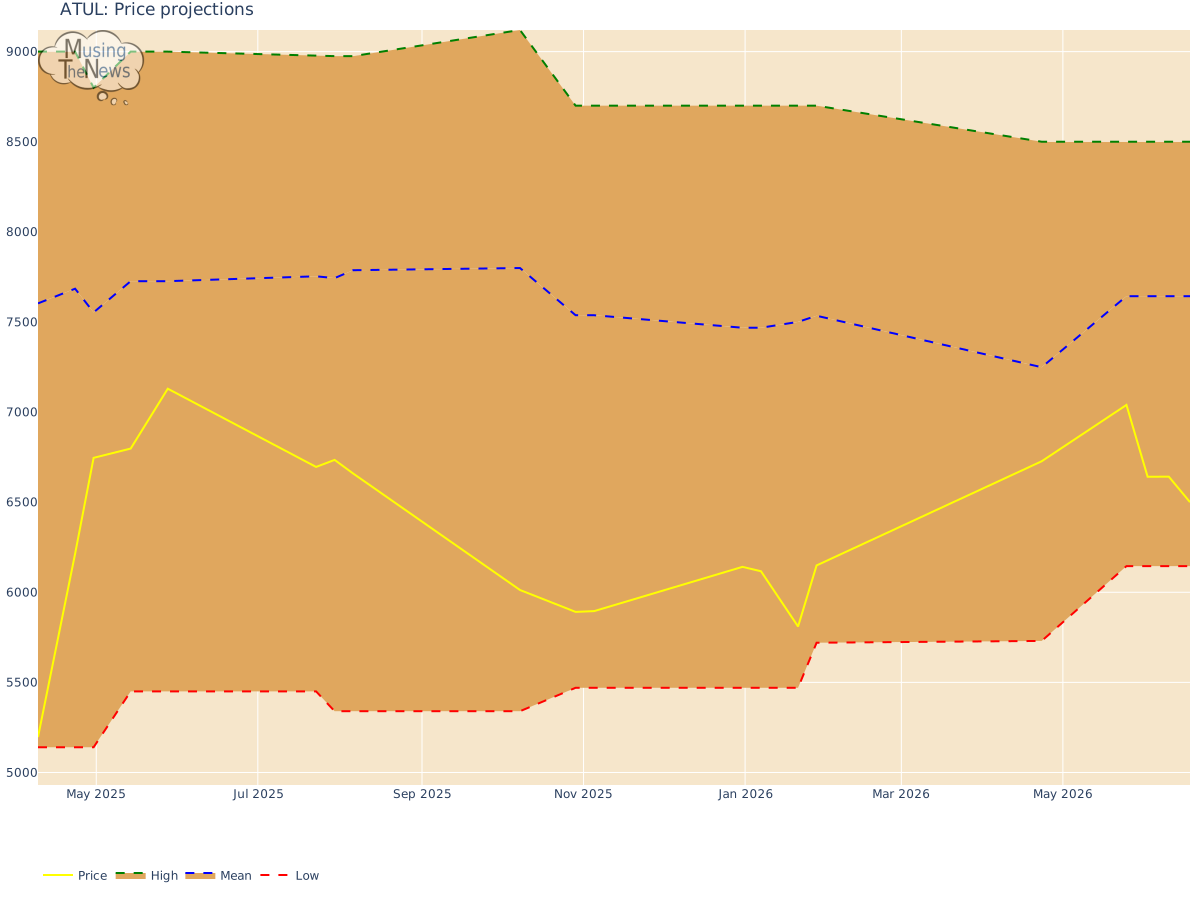
ATUL's stock price has consistently been near the lower edge of expected values, indicating potential struggles in meeting growth projections. This trend may reflect a cautious market sentiment toward the company.
Recommendation changes over time:
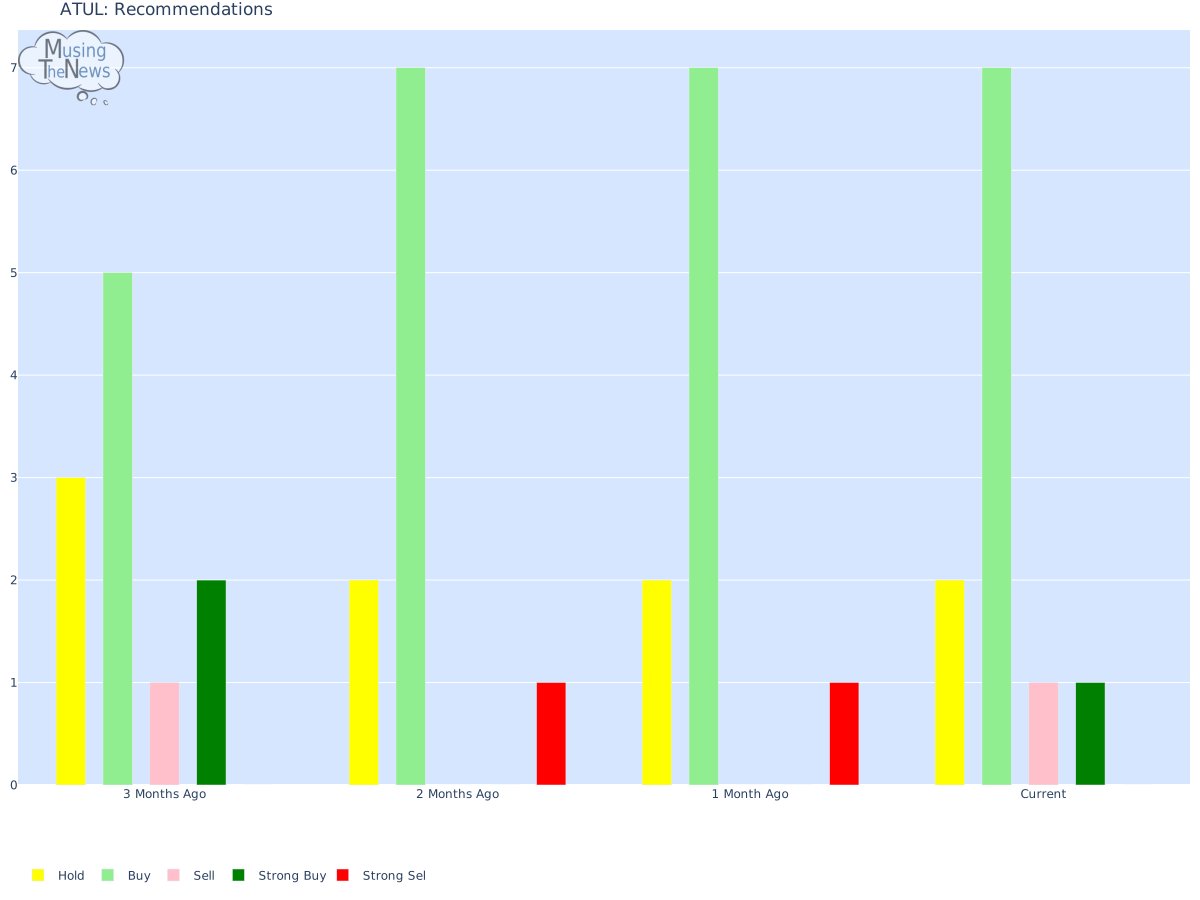
A recent buy bias from analysts toward Atul Ltd indicates strong confidence in the stock's future performance. This could encourage investors to park their money in Atul Ltd, viewing it as a stable and potentially rewarding investment opportunity with promising long-term growth prospects.
If you have enjoyed reading, spread the word:
Good prospects:
Companies with the best and the worst fundamentals.
Latest Regulatory Filings for NSE500
Companies with the best and the worst technicals.

SEBI's New Gateway Is Rewiring Foreign Investment in India

Why Japan Backs India’s Truckers

India's $69B Eurasian Trade Power Play