
More about AstraZeneca Pharma India Limited
Fundamentals for AstraZeneca Pharma India Limited
Regulatory Filings for AstraZeneca Pharma India Limited

The Renewable Success Story Beyond Solar

Startups Mint India’s New Billionaires
India's Biggest IPO Has a Bigger Meaning

From Watches to Wealth: Titan's New Empire
Fundamentals for AstraZeneca Pharma India Limited



Business Operations:
Sector: HealthcareIndustry: Drug Manufacturers - Specialty & Generic
AstraZeneca Pharma India Limited, a biopharmaceutical company, engages in manufacturing, distributing, and marketing of pharmaceutical products in India and internationally. It manufactures and sells cardiovascular disease, renal, and metabolism medicines under the CRESTOR, Forxiga, BRILINTA, Xigduo, and Seloken XL brand names; oncology medicines under the TAGRISSO, CALQUENCE, Lynparza, ENHERTU, IMFINZI, and Zoladex brand names; rare diseases medicines under the Koselugo brand name; and respiratory medicines under the Symbicort and Fasenra brand names. The company also offers medicines for diabetes and immunology diseases. It also provides clinical trial services. The company was incorporated in 1979 and is based in Bengaluru, India. AstraZeneca Pharma India Limited is a subsidiary of AstraZeneca Pharmaceuticals AB.
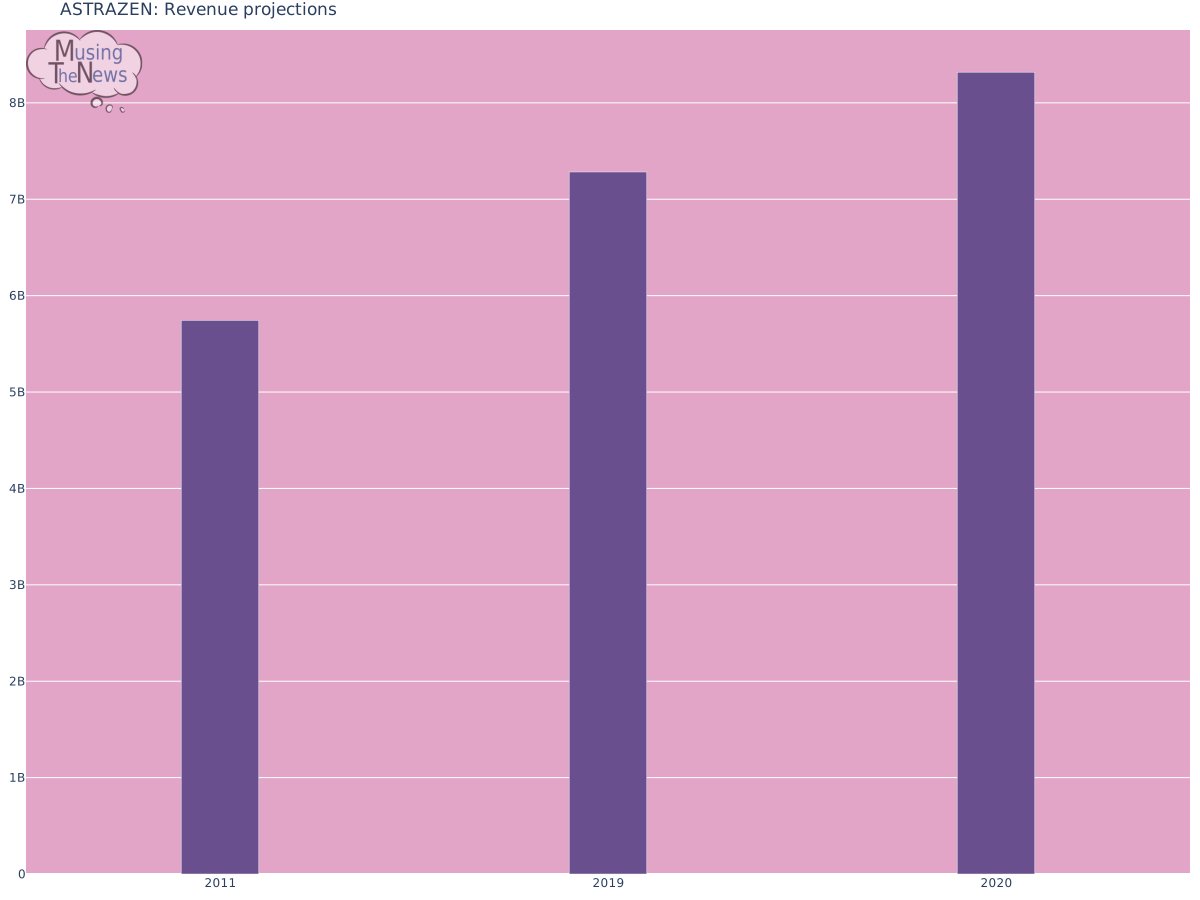
Revenue projections:
Financial Ratios:
| currentRatio | 1.77200 |
|---|---|
| forwardPE | 0.00000 |
| debtToEquity | 12.67900 |
| earningsGrowth | -0.23000 |
| revenueGrowth | 0.20400 |
| grossMargins | 0.39332 |
| operatingMargins | 0.09559 |
| trailingEps | 74.68000 |
| forwardEps | 0.00000 |
ASTRAZEN's current ratio being 1.772 suggests the company will have no issues paying off its short-term debt. With sufficient cash reserves and current assets, ASTRAZEN can easily cover its immediate liabilities, reflecting solid financial health.
AstraZeneca Pharma India Limited's low Debt-to-Equity ratio suggests the company is minimally leveraged, with limited reliance on debt to finance its operations. This reduced financial risk positions the company for greater stability and financial health, appealing to investors who value conservative financial management.
ASTRAZEN's low earnings and revenue growth suggest shrinking profits. This negative trend could indicate that the company is struggling to maintain its financial performance and may face challenges ahead.
ASTRAZEN's negative gross and operating margins suggest the company is not generating profit from either its production process or day-to-day operations. This could signal cost overruns or difficulties in maintaining revenue levels.
If you have enjoyed reading, spread the word:
Good prospects:
Companies with the best and the worst fundamentals.
Latest Regulatory Filings for NSE500
Companies with the best and the worst technicals.

SEBI's New Gateway Is Rewiring Foreign Investment in India

Why Japan Backs India’s Truckers

India's $69B Eurasian Trade Power Play